
Nocturnal Predators in Action: How Owls’ Vision and Hearing Make Them Kings of the Night
Owls don’t have eyeballs like we do—they have rigid eye tubes fixed by bones, which means they have to turn their whole head to see around. This unusual owl anatomy gives them sharp night vision and precise hearing that few nocturnal predators can match. You’re about to learn how these unique owl adaptations make them silent hunters and masters of the dark. For more on these fascinating creatures, check out this resource
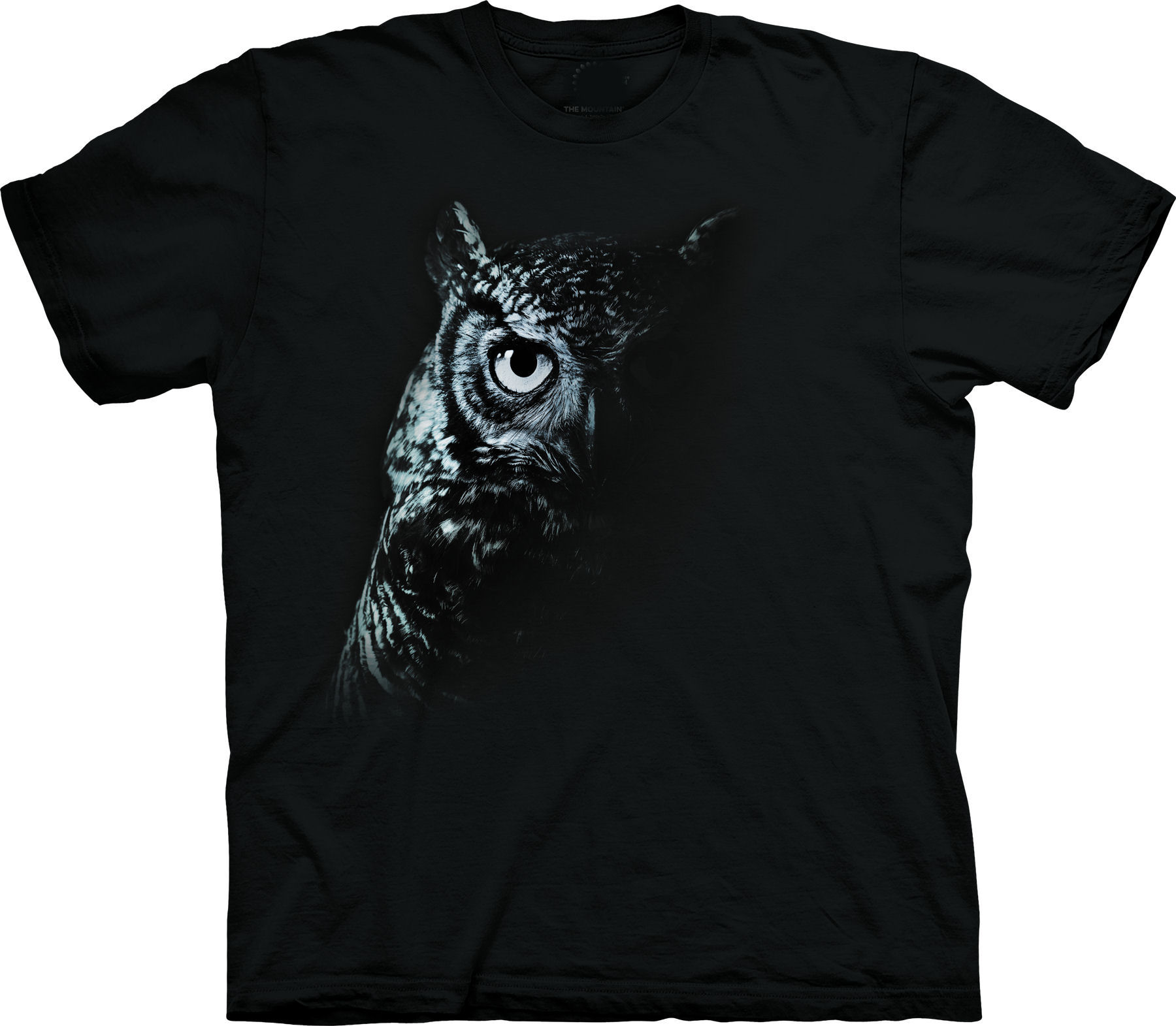 .
.
Check out our huge selection of Animal Shirts
Owl Anatomy and Adaptations
Owls are truly fascinating creatures, and their anatomy plays a significant role in their prowess as predators.
Unique Eye Structure
Owls have eye tubes instead of typical round eyes. These tubes are held in place by bony structures, meaning owls can’t move their eyes around like humans do. This unique setup gives owls a binocular vision—allowing them to focus intensely on their prey. Imagine having a built-in zoom lens for spotting dinner from afar! While this might seem limiting, it actually makes their vision more precise. Their eyes are large compared to their skull, maximizing light intake and enabling superior night vision.
Owls also have more rods than cones in their retinas. This means they see better in low light conditions, crucial for nighttime hunting. Most people think eye mobility is key for predators, but owls prove otherwise. Their fixed gaze gives them an advantage, demanding a different approach for spotting prey.
Head Rotation Capabilities
Since owls can’t move their eyes, they rely on their necks. Unlike humans, owls can rotate their heads up to 270 degrees! This flexibility ensures they never miss a thing. How do they manage such impressive movement? Owls have special adaptations in their vertebrae and blood vessels, which allow this range without cutting off blood flow.
This movement is essential. It lets them track prey or detect threats without moving their bodies. Imagine being able to scope out an entire area just by turning your head. With this capability, owls can stay perfectly still, blending into their surroundings while observing everything around them.
Evolutionary Advantages
The unique anatomy of owls provides clear evolutionary benefits. Their adaptations have allowed them to survive and thrive in various environments. These birds have evolved to become silent hunters. Their feathers are structured to reduce noise, enabling stealthy approaches. This silence, combined with their vision and hearing, makes them formidable nocturnal predators.
This combination of traits allows owls to occupy a niche few other predators can. Most animals are active during the day. Owls, however, have carved out the night for themselves. Their evolutionary journey has equipped them to dominate the dark.
Owl Vision and Hearing
Building on their anatomical strengths, owls have developed extraordinary senses to aid in their nocturnal lifestyle.
Exceptional Night Vision
Owls are famed for their night vision. Their eyes, designed to capture as much light as possible, give them an edge in the dark. The large size of their eyes allows them to gather more light, crucial for seeing in low-light conditions. This is why owls can hunt effectively even on the darkest nights.
Their vision is so advanced that they can spot a mouse from yards away. This ability is not just about clarity but also about perception. Owls can judge distances with remarkable accuracy. In the world of nocturnal predators, this skill ensures they rarely miss their mark.
Impressive Hearing Abilities
While owls are known for their vision, their hearing is equally impressive. They can detect the faintest sounds, pinpointing the exact location of their prey. Owls have asymmetrical ears, which means each ear is positioned differently on their heads. This allows them to discern the direction and distance of sounds with incredible accuracy.
Their facial discs also play a role, channeling sound to their ears like a satellite dish. This combination of features means owls can hunt effectively in complete darkness, relying solely on sound. A barn owl, for example, can hear a mouse stepping on a twig from 75 feet away. Such acute hearing makes them unrivaled at night.
Predatory Skills and Habitats
Owls’ adaptations extend beyond their senses, making them master predators in diverse environments.
Hunting Prowess
Owls are adept hunters. Their silent flight, combined with keen senses, makes them effective predators. They can swoop down on prey without warning. Their talons are sharp, and they strike with precision. Once they’ve spotted their target, an owl’s approach is swift and deadly.
An owl’s diet is varied, depending on its habitat. They catch everything from insects to small mammals. This versatility in hunting ensures they can thrive in different environments. Whether in dense forests or open fields, owls are at home wherever prey is plentiful.
Nocturnal Predator Strategies
Owls have developed strategies that set them apart as nocturnal predators. They blend into their surroundings, using stillness to their advantage. This camouflage ensures they remain unnoticed until it’s too late for their prey. Owls also use their acute senses to detect changes in their environment, alerting them to potential threats or opportunities.
Unlike many animals, owls don’t rely on groups or packs. Their solitary nature makes them efficient hunters, relying on their own skills rather than teamwork. This independence is a testament to their adaptability and resourcefulness.
In conclusion, owls are marvels of nature. Their unique anatomy and adaptations make them exceptional nocturnal predators. They not only survive in the dark but thrive, showcasing the incredible power of evolution in shaping the perfect hunter.
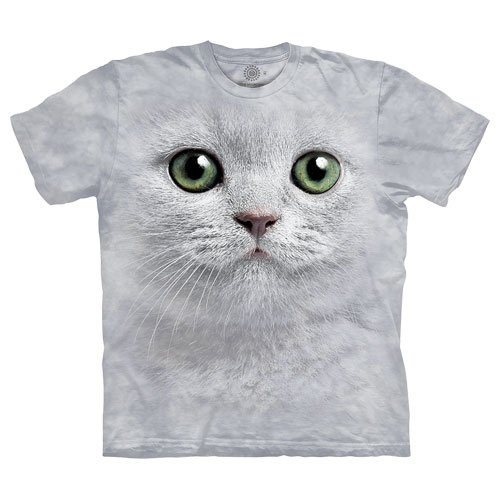
Best Animal T-Shirts for Men Who Love Wildlife
Best Animal T-Shirts for Men Who Love Wildlife Most animal t-shirts blend into the background, leaving your love for wildlife unnoticed. You want shirts that speak louder than words, showcasing majestic lions, soaring eagles, and vibrant marine life with style. This guide highlights the best animal t-shirts for men, combining bold graphics with comfort and […]
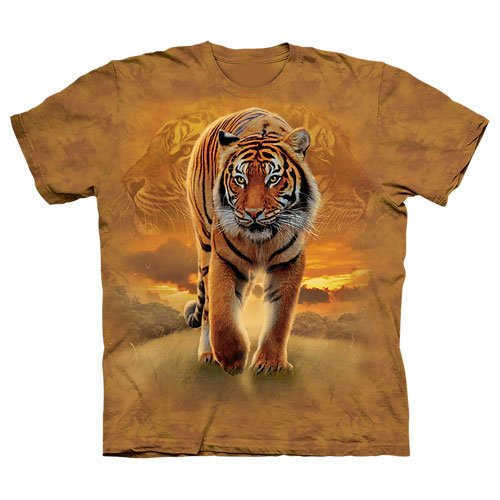
Best Tiger Shirts for Tiger Lovers
Best Tiger Shirts for Tiger Lovers Tiger shirts often miss the mark, leaving fans with dull prints that don’t capture the wild spirit of these majestic cats. If you’ve been hunting for the best tiger apparel that blends bold artistry with comfort, your search ends here. This post highlights tiger print t-shirts and stylish tiger […]
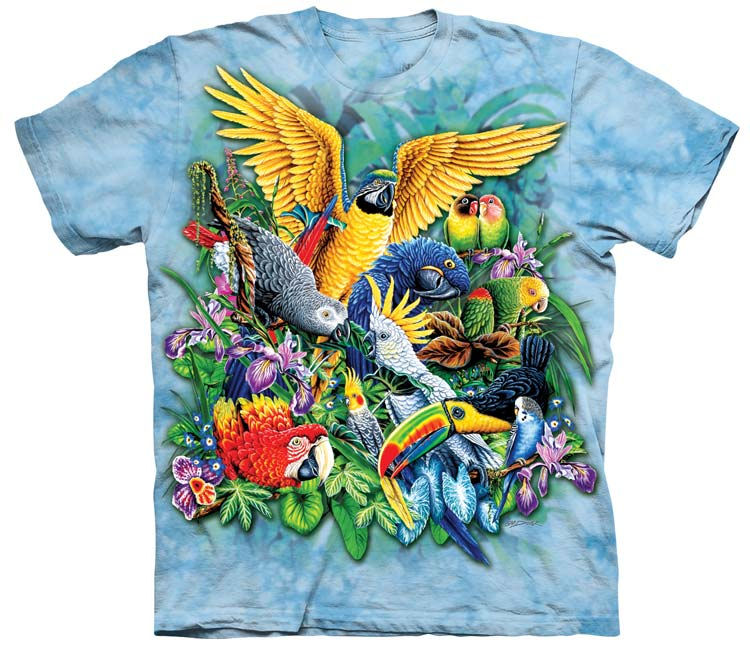
Best Bird Shirts for Bird Lovers
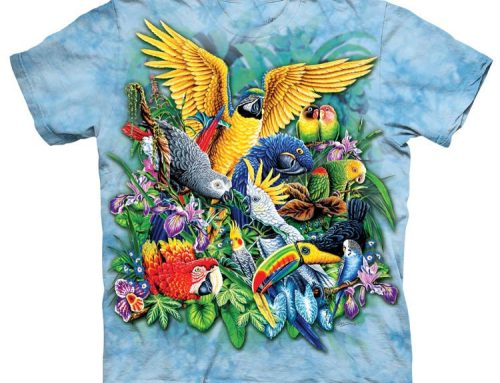
Best Bird Shirts for Bird Lovers Bird shirts aren’t just for casual wear anymore—they’ve become a statement for anyone who loves the colors and charm of feathered friends. If you want bird lover apparel that stands out, you’ll want to see the styles blending art and nature in fresh ways. This post highlights bird-themed t-shirts […]

Best Eagle Shirts for Eagle Lovers
Best Eagle Shirts for Eagle Lovers Eagle shirts don’t have to be ordinary. If you want to wear your passion for these powerful birds with style, the options out there can surprise you. From bold graphic eagle tees to subtle nature inspired clothing, the right eagle apparel makes a statement without sacrificing comfort. Keep reading […]

Best Bear Shirts for Wildlife Lovers
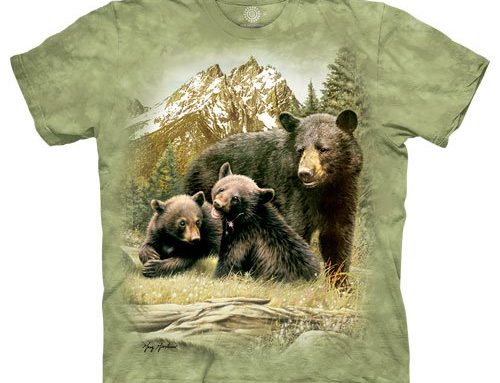
Best Bear Shirts for Wildlife Lovers Most bear shirts out there miss the mark between style and comfort. You want wildlife clothing that feels as good as it looks and truly captures the spirit of these powerful creatures. In this post, you’ll find bear graphic tees that balance charming artwork with bold designs, perfect for […]

Best Animal Shirts for Nature Lovers
Best Animal Shirts for Nature Lovers Forget plain tees that don’t say much about who you are. If you love the wild, your wardrobe should shout it loud and clear with the best animal shirts out there. These nature lover apparel pieces mix eye-catching wildlife graphic tees with comfort and style, perfect for anyone who […]


Leave A Comment
You must be logged in to post a comment.