
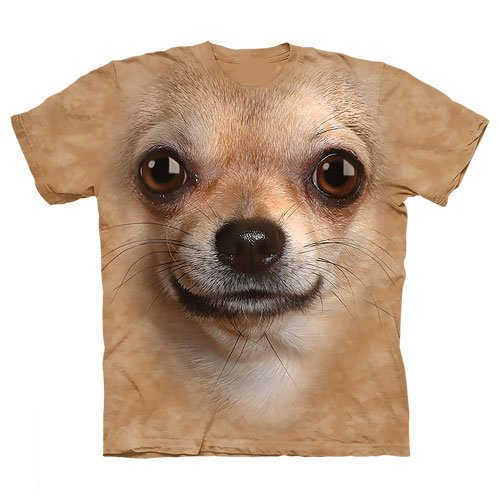
How Often Should I Bathe My Dog? A Friendly Guide for Dog Owners
Keeping your furry friend clean and fresh is an essential part of pet care, but many dog owners often wonder, “How often should I bathe my dog?” The answer isn’t always straightforward, as it depends on various factors like breed, lifestyle, and skin condition. In this friendly guide, we will delve into the specifics of how often to bathe your dog, offering practical tips to ensure your canine companion stays healthy and happy. Whether you’re a new pet parent or a seasoned dog owner, this guide will help you navigate the best practices for maintaining a clean dog.

Understanding Your Dog’s Needs
Factors Affecting Bath Frequency
Several factors influence how often you should bathe your dog. Breed plays a significant role; for instance, dogs with oily coats like Basset Hounds may require more frequent baths, while breeds with water-repellent coats, such as Labradors, need fewer baths. Lifestyle is another key factor. Dogs that spend a lot of time outdoors or are particularly active will likely need more frequent washing to stay clean. Additionally, skin condition can dictate bathing frequency. Dogs with allergies or skin conditions may benefit from more regular baths with medicated shampoos, as recommended by a vet. Lastly, consider your dog’s overall health and any specific recommendations from your veterinarian. Understanding these factors helps tailor a bathing schedule that keeps your dog healthy and happy.
Signs Your Dog Needs a Bath
Knowing when to bathe your dog can be easier if you watch for certain signs. One of the most obvious indicators is a noticeable odor. If your dog smells unpleasant, it’s probably time for a bath. Another sign is if your dog’s coat looks dirty or greasy. Dirt and grime buildup not only affects your dog’s appearance but can also lead to skin issues. Additionally, frequent scratching or licking might indicate that your dog is uncomfortable due to dirty or irritated skin. You might also notice visible debris like mud or grass in their fur, especially after outdoor activities. Lastly, if your dog has been in contact with allergens or irritants, a bath can help remove these substances and provide relief. Recognizing these signs ensures your dog stays clean and comfortable.

Different Breeds, Different Needs
Different dog breeds have varying bathing needs due to their unique coat types and skin conditions. Breeds like Poodles and Bichon Frises, which have curly, dense coats, may require more frequent baths to prevent matting and tangling. On the other hand, short-haired breeds like Beagles and Dachshunds can often go longer between baths as their coats are less prone to trapping dirt and debris. Breeds with double coats, such as German Shepherds and Huskies, might need seasonal baths, especially during shedding periods. Additionally, some dogs have sensitive skin that necessitates gentle, hypoallergenic shampoos used less frequently to avoid skin irritation. Always consider your dog’s breed-specific needs when determining their bathing schedule. Consulting with a groomer or veterinarian can also provide tailored advice to keep your dog’s coat and skin in optimal condition.
Bathing Best Practices
Choosing the Right Products
Selecting the right products is crucial for a successful dog bath. Start with a shampoo formulated specifically for dogs. Human shampoos can disrupt the pH balance of a dog’s skin, leading to irritation. If your dog has sensitive skin or specific allergies, opt for a hypoallergenic or medicated shampoo as recommended by your veterinarian. Conditioner can be beneficial for dogs with long or curly hair, helping to detangle and soften their coat. Additionally, consider using a gentle ear cleaner to prevent infections, especially for breeds prone to ear issues. Always choose products that are free from harsh chemicals and artificial fragrances to avoid any adverse reactions. Using the right products ensures that your dog’s skin and coat remain healthy and nourished, making bath time a more pleasant experience for both you and your furry friend.

How to Wash Your Dog
Washing your dog effectively requires a few simple steps. Begin by brushing your dog’s coat to remove any loose hair and tangles. This makes the washing process smoother. Use lukewarm water to wet your dog thoroughly, avoiding the ears and eyes. Apply a dog-specific shampoo, starting from the neck and working your way down to the tail, ensuring you lather the shampoo evenly across the coat. Massage gently to clean the skin and coat thoroughly. Rinse well with lukewarm water to remove all shampoo residue, as leftover shampoo can cause irritation. If you’re using a conditioner, apply it similarly and rinse thoroughly. After the bath, use a towel to dry your dog, and if your dog tolerates it, you can use a blow dryer on a low, cool setting. Regular brushing after the bath helps prevent tangles and keeps the coat looking its best.
Post-Bath Care and Drying
Post-bath care is just as important as the washing process itself. Start by thoroughly towel-drying your dog to remove as much water as possible. Pay special attention to areas with thicker fur, as they can retain moisture longer. If your dog is comfortable with it, use a blow dryer on a low, cool setting to speed up the drying process. This helps prevent the development of musty odors and skin issues related to prolonged dampness. While drying, gently brush your dog’s coat to prevent tangles and mats, especially in breeds with longer hair. Check your dog’s ears and gently wipe them with a clean, dry cloth to remove any water that might have entered. Additionally, monitor your dog for any signs of skin irritation or dryness post-bath, and consult your vet if any issues arise. Proper post-bath care ensures your dog stays clean and comfortable.
Enjoy some interesting animal facts below!
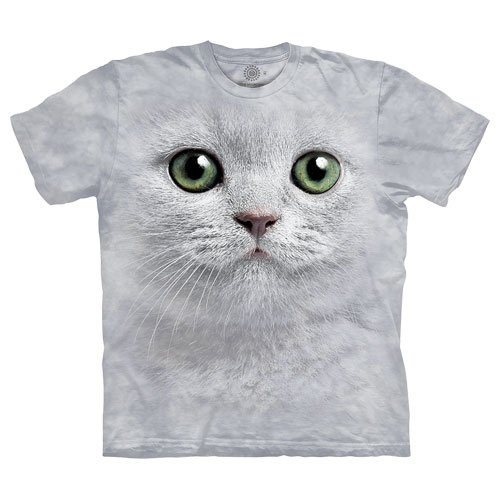
Best Animal T-Shirts for Men Who Love Wildlife
Best Animal T-Shirts for Men Who Love Wildlife Most animal t-shirts blend into the background, leaving your love for wildlife unnoticed. You want shirts that speak louder than words, showcasing majestic lions, soaring eagles, and vibrant marine life with style. This guide highlights the best animal t-shirts for men, combining bold graphics with comfort and […]
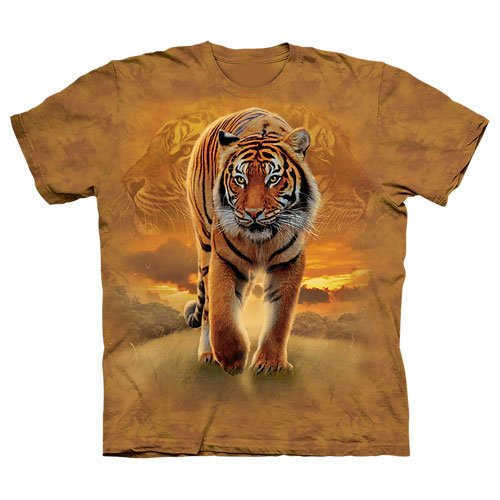
Best Tiger Shirts for Tiger Lovers
Best Tiger Shirts for Tiger Lovers Tiger shirts often miss the mark, leaving fans with dull prints that don’t capture the wild spirit of these majestic cats. If you’ve been hunting for the best tiger apparel that blends bold artistry with comfort, your search ends here. This post highlights tiger print t-shirts and stylish tiger […]
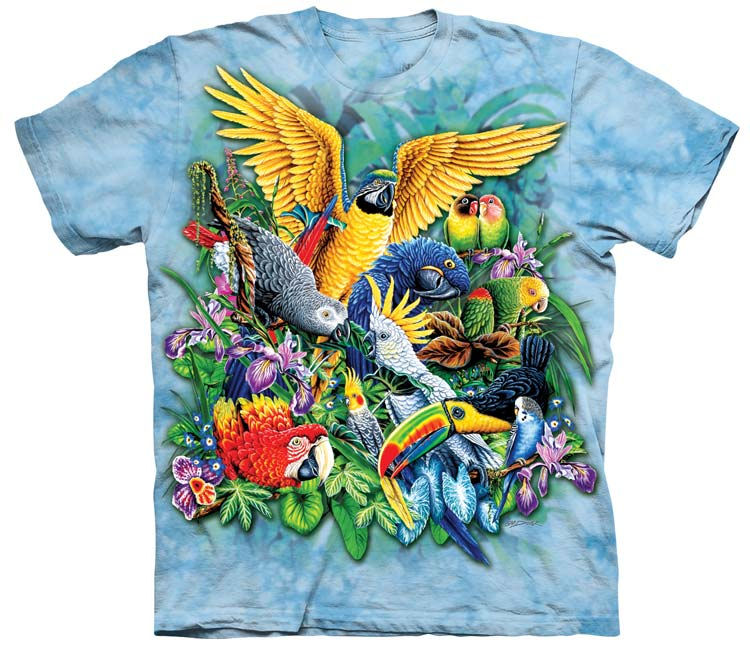
Best Bird Shirts for Bird Lovers
Best Bird Shirts for Bird Lovers Bird shirts aren’t just for casual wear anymore—they’ve become a statement for anyone who loves the colors and charm of feathered friends. If you want bird lover apparel that stands out, you’ll want to see the styles blending art and nature in fresh ways. This post highlights bird-themed t-shirts […]
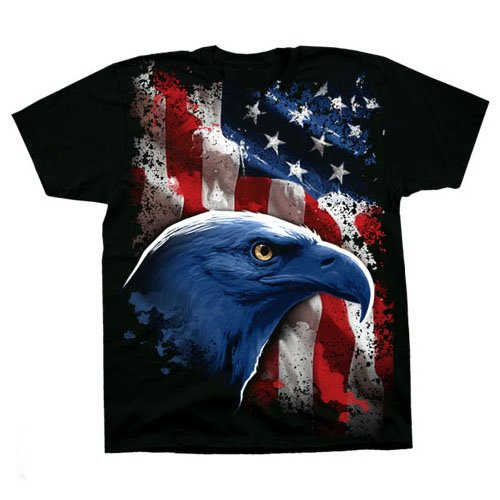
Best Eagle Shirts for Eagle Lovers
Best Eagle Shirts for Eagle Lovers Eagle shirts don’t have to be ordinary. If you want to wear your passion for these powerful birds with style, the options out there can surprise you. From bold graphic eagle tees to subtle nature inspired clothing, the right eagle apparel makes a statement without sacrificing comfort. Keep reading […]

Best Bear Shirts for Wildlife Lovers
Best Bear Shirts for Wildlife Lovers Most bear shirts out there miss the mark between style and comfort. You want wildlife clothing that feels as good as it looks and truly captures the spirit of these powerful creatures. In this post, you’ll find bear graphic tees that balance charming artwork with bold designs, perfect for […]
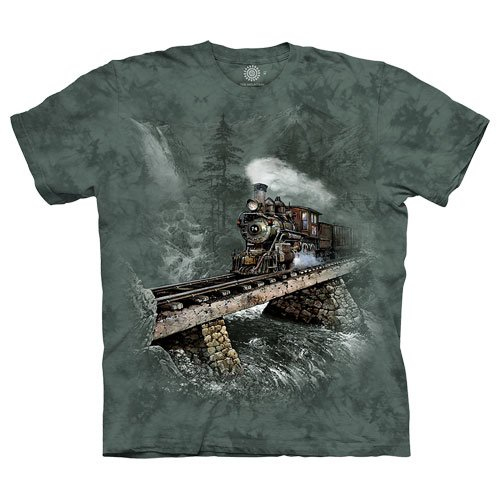
Best Animal Shirts for Nature Lovers
Best Animal Shirts for Nature Lovers Forget plain tees that don’t say much about who you are. If you love the wild, your wardrobe should shout it loud and clear with the best animal shirts out there. These nature lover apparel pieces mix eye-catching wildlife graphic tees with comfort and style, perfect for anyone who […]
Follow us on Social Media
Instagram – YouTube – Pinterest – Twitter – Facebook
Alligators – Aquatic – Bears – Big Cats – Birds – Buffalo – Cats – Deer – Dinosaurs – Dogs – Dragons – Eagles – Elephants – Elk – Frogs – Gecko – Giraffes – Horses – Kittens – Moose – Pandas – Snakes – Tigers – Unicorns – Wolves – Cat Shirts – Celtic – Dog Shirts – Dolphins – Dragons – Eagles – Fairies – Horse Shirts – Misc – Native American Indians – Patriotic – Peace – Primates – Religion – Scary – Sci Fi – Skeletons – Tie Dye – Tigers – Wolf Shirts
Interesting Animal Facts and Information
Bald Eagles – Cheetahs – Dolphins – Dinosaurs – Tigers – Lions – Cats – Dogs


Leave A Comment
You must be logged in to post a comment.