
Secrets of the Sea: How Lobsters Defy Aging and What It Means for Us
Forget what you know about aging—some lobsters might never grow old. Unlike the famous immortal jellyfish, these crustaceans keep their youthful qualities through constant growth and powerful regeneration capabilities. Understanding lobster biology could change how we think about aging and might even offer clues to extend human lifespan. Let’s explore what these sea creatures reveal about the mysteries of marine life aging. For more information, check out this link.
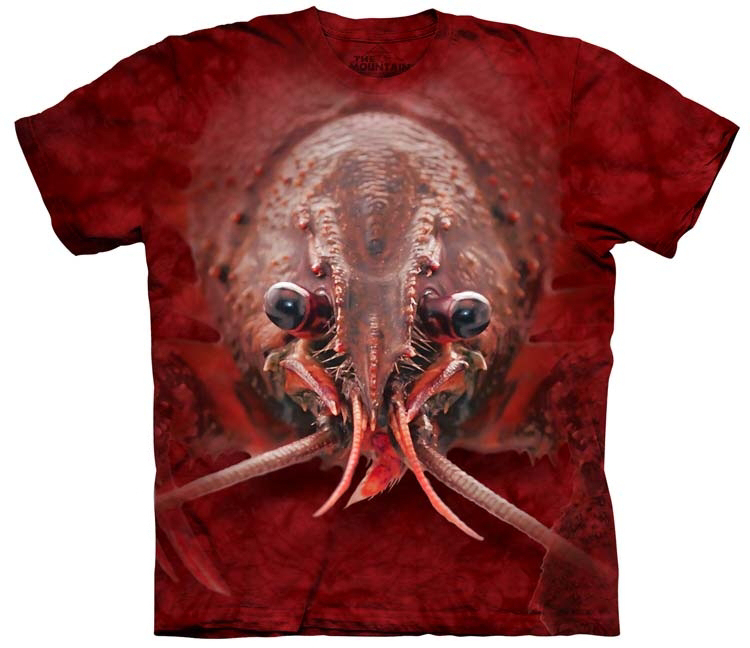
Have you seen our selection of Animal Shirts?
Lobster Biology and Aging Backwards
Lobsters and their ability to defy aging are captivating. Let’s dive deeper by comparing them to a well-known sea creature.
Immortal Jellyfish Comparison
The immortal jellyfish is famous for its unique aging process. Unlike most creatures, it can revert to an earlier stage of life, effectively turning back the clock. It achieves this through a process called transdifferentiation. This ability makes the jellyfish a standout subject in regenerative biology.
Lobsters, on the other hand, have a different approach. They continuously grow by molting. During this process, lobsters shed their old shells and form new ones. This growth doesn’t slow with age, allowing them to maintain their youthful qualities.
While both creatures showcase fascinating biology, lobsters don’t age biologically. Their cells keep regenerating, enabling them to thrive. This comparison highlights the diverse strategies in nature’s toolkit, sparking curiosity and further research. Learn more about their intriguing biology here.
Continuous Growth and Regeneration Capabilities
Lobsters are remarkable for their growth and regeneration abilities. Every few years, they molt, growing larger and stronger. This process involves shedding their old exoskeleton and creating a new one.
What’s truly impressive is their ability to regenerate lost limbs. If a lobster loses a claw, it can regrow it over time. This regeneration is not only a survival tactic but also a key to their longevity.
Their secret lies in telomerase, an enzyme that repairs DNA. Unlike humans, lobsters produce this enzyme throughout their lives, allowing for continuous cell repair. This unique ability means they can avoid typical aging symptoms, staying vigorous for decades. For more insights into lobster biology, visit this Instagram post.
Implications for Human Lifespan
The resilience and regenerative abilities of lobsters open new doors in understanding aging. Could studying these creatures unlock secrets to extending human life?
Insights from Marine Life Aging
Marine life offers a treasure trove of insights into aging. Researchers study species like lobsters to uncover the secrets of longevity. These creatures show that aging isn’t inevitable.
Lobsters, with their continuous growth, challenge the traditional aging narrative. They live longer by constantly renewing themselves. This concept inspires scientists to explore ways to apply these principles to human health.
Understanding how marine life ages could revolutionize our approach to aging. By learning from these sea creatures, we may discover new methods to maintain vitality. Explore more about marine life and aging here.
Theories of Aging and Youthful Qualities
Aging theories abound, but lobsters defy many of them. Traditional theories suggest that cellular damage accumulates over time, leading to aging. Yet, lobsters maintain their youthful qualities due to continuous cell repair.
The enzyme telomerase plays a pivotal role. In humans, telomerase activity decreases with age, leading to cellular aging. Lobsters, however, produce it throughout their lives, protecting their DNA from damage.
These findings challenge conventional wisdom about aging. They hint at possibilities for extending human lifespan by enhancing DNA repair. The more we learn, the closer we get to transformative breakthroughs.
Lobsters and Immortality
The notion of immortality in lobsters is both fascinating and inspiring. Understanding their biology could change our perception of what’s possible.
Biology of Aging in Lobsters
Lobsters don’t age in the traditional sense. Their cellular repair mechanisms allow them to sidestep aging. As long as they can molt, they retain their vitality.
This biological quirk makes them seemingly immortal. However, external factors like predators and environmental changes often end their lives, not old age. Their biology serves as a testament to nature’s ingenuity.
Researchers are keen to understand the mechanisms at play. By studying lobsters, they hope to apply these findings to human biology. Check out this detailed exploration to dive deeper into the topic.
Potential to Extend Human Lifespan
Could lobsters hold the key to extending human life? Their unique biology offers promising avenues for research. By mimicking their regenerative capabilities, we might unlock new ways to combat aging.
Imagine a future where aging isn’t a given. Where telomerase production keeps our cells youthful. Lobsters provide a blueprint for this possibility.
The longer we wait, the more we miss out on potential breakthroughs. Researchers are eager to translate these findings into practical solutions for humans. By studying lobsters, we inch closer to a future where age is just a number.

20 Funny Cat Halloween Shirts for Cat Lovers
20 Funny Cat Halloween Shirts for Cat Lovers Halloween is the perfect time to show off your love for cats with a twist of humor. Funny cat shirts that combine witty puns and playful designs make celebrating spooky season even more fun. Whether you want to wear your affection for felines or find a gift […]
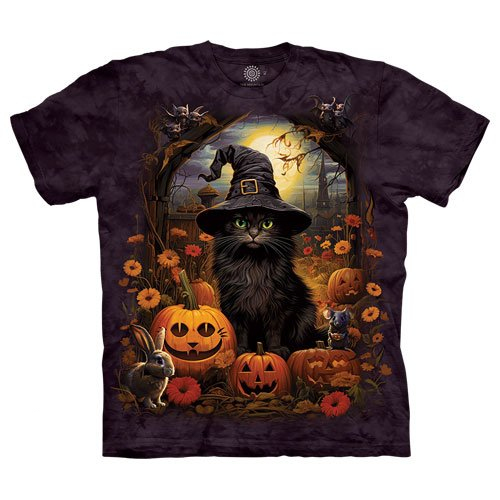
Best Halloween Shirts for Teachers Who Love Animals
Best Halloween Shirts for Teachers Who Love Animals Halloween shirts for teachers don’t have to be boring, especially if you love animals as much as you love your students. Finding the perfect blend of fun and furry friends in your teacher shirts can brighten up your classroom mood and get everyone smiling. This post highlights […]

30 Halloween T-Shirt Ideas for People Who Love Animals
30 Halloween T-Shirt Ideas for People Who Love Animals Forget plain Halloween T-shirts that everyone else wears. You want something that shows your love for animals while stepping up your spooky season fashion. This collection of animal-themed Halloween shirts offers playful cat and dog costumes alongside quirky animal graphics that stand out. Keep reading to […]
What Should an Animal Lover Wear for Halloween? 25 Fun Ideas
What Should an Animal Lover Wear for Halloween? 25 Fun Ideas Most Halloween costumes for animal lovers stick to the usual cat ears or dog tails. If you want to stand out, your outfit should speak louder than the typical pet-themed accessories. This list of 25 fun ideas brings fresh, playful animal-themed outfits that let […]
25 Best Halloween Shirts for Dog Lovers
25 Best Halloween Shirts for Dog Lovers Halloween is the perfect time to show off your love for dogs in a way that’s fun and festive. If you’re searching for Halloween shirts for dog lovers, the options can be surprisingly playful and clever. From pups dressed as witches to clever slogans that celebrate your furry […]
Halloween Shirts for the Whole Family: Animal-Themed Ideas
Halloween Shirts for the Whole Family: Animal-Themed Ideas Halloween doesn’t have to mean hunting for separate costumes or last-minute outfit panic. Choosing family matching outfits with animal-themed shirts turns the chaos into fun, with everyone from toddlers to adults sporting playful designs. These Halloween shirts mix cute and clever, making it easy to bring the […]


Leave A Comment
You must be logged in to post a comment.