
Uncover the Mysteries: Fascinating Facts About Wolves for Nature Lovers
Most people think wolves are just fierce hunters. The truth is your view of these creatures misses a lot about their lives and habits. These 20 amazing wolf facts will change the way you see them forever. Get ready to explore surprising details that make wolves much more than what you thought. Learn more here.

Check out our huge selection of animal t-shirts
Wolf Communication Secrets
Understanding wolves starts with how they talk. Their communication isn’t just about sounds; it includes gestures and scents too. Let’s dive into these unique ways they connect.
Language of Howls
Wolves have a rich vocal language. Their howls can be heard over large distances. Each howl serves a purpose. When a wolf howls, it might be calling others to join the hunt or warning those in the pack of danger. These vocal sounds help to keep the pack together, even when spread out. It’s fascinating to think how these sounds carry across the wild, offering wolves a way to talk without seeing each other.
Each howl can also reveal a wolf’s position and identity. Imagine being able to communicate who you are just by the sound of your voice. This ensures each pack member knows their role and place. When you hear about wolf facts, their howling language is a key one. Explore more about wolf communication.
Body Language Cues
Besides howling, wolves use their bodies to communicate. A wolf’s ears, tail, and overall posture can say a lot. For instance, a wolf standing tall with a raised tail shows dominance. On the other hand, a lowered tail might indicate submission or fear. This physical language ensures pack harmony. Wolves need to understand each other’s intentions quickly, especially in challenging environments.
The subtlety of their body language is remarkable. A slight twitch of the ear or a wag of the tail can change the meaning of a gesture. It’s this complexity that makes studying wolves so intriguing. You’ll find these communication methods keep wolf facts both engaging and endlessly surprising.
Scent Marking Methods
Wolves also communicate through scent. They mark their territory by urinating on trees and rocks. This tells other wolves, “This is our land.” It’s like a natural fence. The scent carries information about the wolf’s age, health, and even mood. These markings help to avoid unnecessary conflicts, ensuring that packs don’t overlap territories too much.
This method of communication is ancient and incredibly effective. It ensures that wolves can maintain their territory without constant fights. Such scent-based communication showcases how wolves have adapted to their environments in smart ways. This is just one of many captivating facts about wolves you can discover. Find more intriguing insights about wolves.
Wolf Pack Dynamics
How do wolves keep their pack together? It’s all about structure and teamwork. Here, we’ll explore what makes their social dynamics work so well.
Hierarchy and Roles
A wolf pack functions like a well-oiled machine. At the top, the alpha pair leads. They make crucial decisions and guide the pack. Beneath them, beta wolves help maintain order. This hierarchy ensures everyone knows their place. It prevents chaos and helps the pack function effectively.
The roles within a pack aren’t fixed for life. Younger wolves might challenge for leadership, keeping the dynamics fluid. This continuous shift keeps the pack resilient and adaptable. These are essential facts about wolves that highlight their survival instincts.
Social Bonding Rituals
Bonding is vital for wolves. Grooming, playing, and vocal communication are key rituals. These activities strengthen relationships and reinforce the pack’s unity. Playtime isn’t just for fun; it teaches young wolves essential skills they’ll need as adults.
These bonding rituals ensure each member feels connected and valued. It’s this sense of belonging that keeps a pack strong in trying times. Understanding these practices gives you deeper insights into wolf facts you might not find elsewhere. Discover more about their social behaviors.
Cooperative Hunting Strategies
Wolves are skilled hunters. They rely on teamwork to bring down prey. Each member has a role during the hunt. Some chase, while others ambush. This coordinated effort increases their chances of a successful catch.
This strategy requires precise communication and trust. The success of a hunt often depends on each wolf playing its part perfectly. It’s a testament to their intelligence and adaptability. Such cooperative strategies are among the most fascinating wolf facts you’ll encounter.
Wolves and Their Ecosystems
Wolves aren’t just inhabitants of their environments; they’re architects. Let’s delve into how they shape and support their ecosystems.
Keystone Species Impact
Wolves play a crucial role in maintaining ecological balance. As a keystone species, their presence affects numerous other species. By regulating prey populations like deer, they prevent overgrazing. This allows vegetation to flourish, supporting a variety of wildlife.
The ripple effect of their presence is profound. Areas with healthy wolf populations often see increased biodiversity. Such impacts showcase the broader significance of wolves beyond just their immediate environment. These are pivotal facts about wolves that underscore their importance.
Prey-Predator Balance
Wolves keep nature’s balance in check. By preying on the weak or sick, they ensure healthier prey populations. This natural selection process is vital for maintaining the strength and diversity of prey species.
Their hunting habits prevent overpopulation, which can lead to habitat destruction. This delicate balance between predator and prey is essential for the ecosystem’s health. It’s one of the many wolf facts that highlight their role in nature’s intricate web.
Wolves’ Habitat Range
Wolves are adaptable creatures. They thrive in various environments, from forests to tundras. This wide range shows their ability to adjust to different challenges and resources. Understanding their habitat preferences can help in conservation efforts.
Protecting these habitats ensures wolves continue to play their ecological role. It’s crucial to maintain these areas, not just for wolves but for the ecosystems depending on them. Such insights are vital facts about wolves for those passionate about conservation. Learn more about their habitats.
Fascinating Wolf Adaptations
Adaptation is key to survival. Wolves have developed unique traits that help them endure and thrive in various conditions.
Survival in Harsh Climates
Wolves are built for the cold. Their thick fur insulates them from freezing temperatures. This adaptation allows them to hunt and roam in snowy environments. Their large paws act like snowshoes, distributing their weight and preventing them from sinking into snow.
Such adaptations showcase their resilience and ability to thrive where many animals might struggle. These are compelling facts about wolves that reveal their incredible survival skills.
Unique Hunting Techniques
Wolves are strategic hunters. They employ various techniques based on their prey and environment. For example, they might use ambush tactics in dense forests or chase down prey in open areas. This flexibility in methods keeps them successful hunters.
Their ability to adapt their hunting strategies demonstrates their intelligence and resourcefulness. These wolf facts give us a glimpse into their tactical minds.
Evolutionary Traits
Wolves have evolved over thousands of years. Their keen senses, social structure, and physical adaptations are results of this evolution. These traits ensure they remain one of nature’s most effective predators.
Understanding these evolutionary changes offers insights into their past and future. It’s through these traits that wolves continue to captivate and inspire. Such evolutionary stories are intriguing facts about wolves to explore.
Myths and Misconceptions
Wolves are often misunderstood. Myths have clouded their true nature. Let’s set the record straight.
Debunking Common Myths
Many believe wolves are dangerous to humans. In reality, wolf attacks are rare. Wolves prefer to avoid humans and focus on their natural prey. This myth has led to unwarranted fear and persecution.
Educating people about the true nature of wolves can foster coexistence. Dispelling these myths is crucial for their conservation. It’s one of the important facts about wolves that needs wider understanding.
Wolves in Folklore
Wolves have been part of human stories for centuries. In many cultures, they symbolize strength and freedom. These tales often reflect our complex relationship with wolves. While some stories paint them as villains, others celebrate their courage and loyalty.
Exploring these stories offers a window into how humans have viewed wolves throughout history. Such folklore provides rich facts about wolves that are both cultural and educational.
Conservation Challenges
Wolves face numerous threats today. Habitat loss, hunting, and climate change pose significant challenges. Conservation efforts focus on protecting their habitats and educating the public.
The longer we wait to act, the harder it becomes to ensure their survival. Understanding these challenges is crucial for anyone passionate about wildlife conservation. These are essential facts about wolves for those wanting to make a difference.
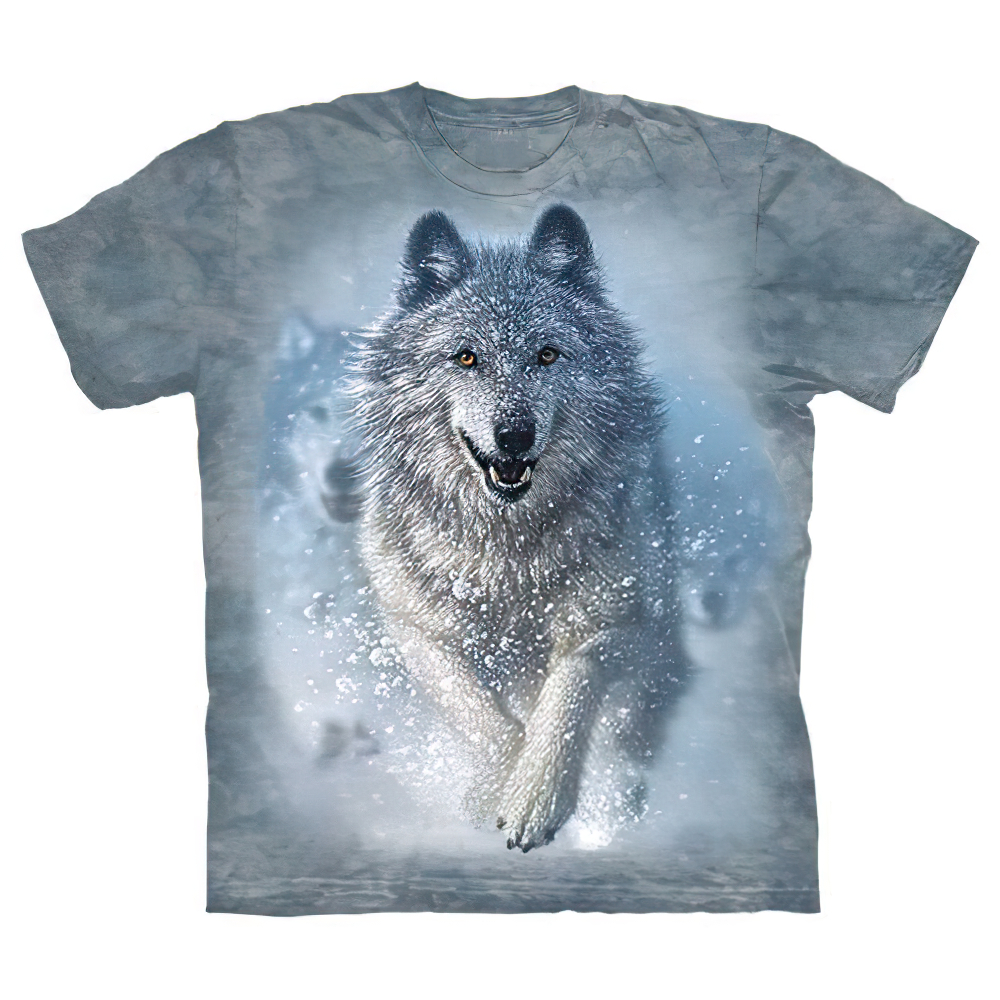
Feel free to visit our entire selection of animal shirts

The Ultimate Halloween Animal Shirt Gift Guide
The Ultimate Halloween Animal Shirt Gift Guide Halloween is just around the corner, and finding the perfect gift for animal lovers can feel like a challenge. You want something that captures spooky fun without losing that adorable animal charm. This Halloween animal shirt gift guide offers a handpicked selection of cute Halloween shirts featuring playful […]

30 Funny Halloween Animal T-Shirts You’ll Want to Wear This October
30 Funny Halloween Animal T-Shirts You’ll Want to Wear This October Funny Halloween T-shirts rarely get the spotlight they deserve. Most Halloween outfits stick to the usual spooky clichés, leaving little room for personality. This collection of quirky T-shirt designs combines spooky animal apparel with a playful twist, perfect for your October fashion lineup. From […]

25 Spooky Animal T-Shirt Ideas for Halloween
25 Spooky Animal T-Shirt Ideas for Halloween Most Halloween t-shirts blend spooky and silly, but finding spooky animal shirts that truly stand out can be tricky. If you’re an animal lover who wants to show off your passion while capturing the Halloween vibe, these pet costume t-shirts offer the perfect mix. Keep reading to see […]
What to Wear to a Halloween Party: Animal-Themed T-Shirt Ideas
What to Wear to a Halloween Party: Animal-Themed T-Shirt Ideas Forget everything you know about Halloween costumes. You don’t need a full outfit to stand out at your next party. With the right Halloween animal t-shirts, you can mix comfort and style while showing off your love for animals. Let’s explore some clever costume shirt […]
The Best Halloween Shirts for Dog Moms and Dog Dads
The Best Halloween Shirts for Dog Moms and Dog Dads Halloween is the perfect time to show off your love for your furry friend, but finding the right Halloween dog shirts can be tricky. You want something that blends spooky fun with your role as a proud dog mom or dad. This post lines up […]
20 Halloween Animal Shirts That Are Perfect for Trick-or-Treating
20 Halloween Animal Shirts That Are Perfect for Trick-or-Treating Trick-or-treating outfits don’t have to be scary or complicated to stand out. These 20 Halloween animal shirts mix playful charm with just the right spooky touch, perfect for kids and adults ready to celebrate. From cartoon animal shirts to cozy Halloween shirts for trick or treating, […]



Leave A Comment
You must be logged in to post a comment.