
Dominance and Diversity: How Dinosaurs Ruled the Earth for 160 Million Years
Dinosaurs, the giants that once walked our planet, reigned supreme for an astounding 160 million years, captivating the imaginations of scientists and enthusiasts alike. From the dawn of the Triassic period to the grand finale of the Cretaceous period, these magnificent creatures adapted to diverse environments, showcasing an incredible range of forms and functions. In this post, we’ll journey through the evolution of dinosaurs, uncovering how they managed to dominate and diversify across the globe. Join us as we delve into the fascinating world of paleontology, exploring the rise and fall of these ancient rulers and the mysteries surrounding dinosaur extinction. Whether you’re a seasoned dinosaur enthusiast or a curious newcomer to natural history, prepare to be inspired by the enduring legacy of these prehistoric titans. For more on dinosaurs, visit this resource.

The Rise of Dinosaurs
The rise of dinosaurs began in the Triassic period, marking the start of a new era in Earth’s history. During this time, these creatures began to evolve from small, humble beginnings into more complex forms. This section explores the origins and early diversity of dinosaurs.
Triassic Period Beginnings
The Triassic period marked the dawn of dinosaurs. It stretched from approximately 250 to 201 million years ago. During this time, the first dinosaurs appeared on the supercontinent Pangaea. These early creatures were small, bipedal predators and herbivores, competing with other reptiles.
The climate was warm and dry, which influenced the types of vegetation available. This environment allowed early dinosaurs to exploit niches left vacant by the Permian extinction.
Fossil records from this era show that early dinosaurs like Eoraptor and Herrerasaurus were among the first to roam. These fossils give us clues about their diet and behavior. This period set the stage for the eventual dominance of dinosaurs in the Jurassic era.
Evolution of Dinosaurs
Dinosaurs underwent significant evolutionary changes in the Triassic period. They evolved from small, primitive reptiles into a variety of forms. This transformation was driven by competition and environmental changes.
Evolutionary adaptations included advanced skeletal structures. For instance, dinosaurs developed stronger hips, which allowed for better locomotion and speed. This adaptation was crucial for survival and hunting.
-
Stronger skeletons led to more efficient movement.
-
Differentiated teeth allowed for varied diets.
-
Larger body sizes helped deter predators.
These adaptations not only improved their survivability but also paved the way for their diversity in the following periods.
Early Dinosaur Diversity
The early dinosaur diversity was a result of evolutionary innovations. Dinosaurs began to explore different ecological roles, leading to a wide range of species.
Herbivorous dinosaurs like Plateosaurus emerged, feeding on the abundant plant life. Carnivorous dinosaurs evolved to hunt these herbivores, maintaining the ecological balance. This predator-prey relationship drove further diversification.
-
Herbivores exploited new plant varieties.
-
Carnivores developed specialized hunting tactics.
-
Omnivores adapted to fluctuating food sources.
This diversity was crucial for their survival and laid the foundation for their dominance in later periods.
Dinosaur Dominance
As the Jurassic period unfolded, dinosaurs became the dominant terrestrial vertebrates. This section examines how they thrived and adapted to various environments.
Jurassic Giants
The Jurassic period saw the rise of giant dinosaurs. This era, spanning from 201 to 145 million years ago, was marked by the dominance of large species like Brachiosaurus and Stegosaurus.
These giants thrived in a world with abundant vegetation and diverse habitats. Their size offered protection from predators and allowed them to access food sources unreachable by smaller animals.
Fossil evidence indicates that these giants had long necks and massive bodies. These features enabled them to efficiently graze on tall trees and vast areas of vegetation.
Adaptations Across Environments
Dinosaurs adapted to various environments, showcasing their evolutionary flexibility. These adaptations were crucial for survival across diverse climates and geological settings.
Dinosaurs developed different body structures to suit their habitats. For instance, sauropods had long necks for reaching high vegetation, while theropods evolved keen senses for hunting.
Adaptation strategies included:
-
Thermoregulation to cope with climate variations.
-
Camouflage for protection against predators.
-
Social behaviors for enhanced group survival.
Such adaptations highlight the ingenuity of dinosaurs in occupying diverse ecological niches.
Peak Diversity in the Cretaceous
During the Cretaceous period, dinosaurs reached their peak diversity. This section explores the innovations and variety that characterized this era.
Cretaceous Period Innovations
The Cretaceous period was marked by remarkable innovations among dinosaurs. Lasting from 145 to 66 million years ago, this era saw the emergence of more specialized species and complex ecosystems.
Dinosaurs like Triceratops and Tyrannosaurus rex evolved during this time. New plant species like flowering plants appeared, providing diverse food sources. This led to novel dietary adaptations among herbivorous dinosaurs.
Key innovations in this period included:
-
Advanced dentition for varied diets.
-
Flight developed in some theropods, leading to the rise of birds.
-
Armored defenses like those seen in Ankylosaurus.
These innovations expanded the ecological roles dinosaurs could fill, contributing to their dominance.
Ecological Niches and Variety
The Cretaceous period showcased a vast array of ecological niches and species variety. Dinosaurs occupied roles as predators, herbivores, and omnivores, creating a dynamic ecosystem.
Herbivores like Hadrosaurs adapted to new plant types, while carnivores developed enhanced hunting strategies. This led to a balanced ecosystem where competition and cooperation shaped evolution.
Ecological dynamics included:
-
Symbiotic relationships between species.
-
Niche partitioning to reduce competition.
-
Migration patterns responding to climatic changes.
Such diversity allowed dinosaurs to thrive until their sudden extinction.
The End of an Era
The mass extinction at the end of the Cretaceous period marked the end of the dinosaurs. This section discusses the causes and what paleontologists have discovered since.
Causes of Dinosaur Extinction
The dinosaur extinction remains a topic of intense study. The leading theory involves a catastrophic asteroid impact, as supported by the Imperial College’s research.
The impact, believed to have occurred near the Yucatán Peninsula, caused drastic environmental changes. Dust and debris blocked sunlight, leading to a “nuclear winter.” This disrupted photosynthesis, collapsing food chains.
Other potential factors include:
-
Volcanic activity releasing aerosols.
-
Climate change affecting habitats.
-
Sea level fluctuations altering ecosystems.
These events collectively created conditions unsuitable for dinosaur survival, leading to their extinction.
Paleontological Discoveries
Paleontologists continue to make groundbreaking discoveries about dinosaurs, shedding light on their extinction and existence. The Mesozoic era is a primary focus for researchers.
Fossil evidence provides insights into dinosaur anatomy, behavior, and environments. These findings help reconstruct ancient ecosystems and understand extinction dynamics.
Recent discoveries include:
-
Feathered dinosaurs, indicating links to birds.
-
Nest sites revealing social behaviors.
-
Isotopic analysis for dietary insights.
Such research enhances our understanding of dinosaurs and their role in Earth’s history.
Legacy of the Dinosaurs
Dinosaurs have left a lasting impact on science and popular culture. This section explores their ecological significance and modern implications in paleontology.
Understanding Dinosaur Ecology
Dinosaurs played a crucial role in shaping ancient ecosystems. By studying their ecology, we gain insights into past biodiversity and ecosystem functions.
Key ecological roles included:
-
Mega-herbivores influencing vegetation patterns.
-
Predatory dinosaurs controlling prey populations.
-
Decomposition recycling nutrients in ecosystems.
Understanding these dynamics helps us appreciate the complexity of past ecosystems and informs current ecological studies.
Modern Implications in Paleontology
The study of dinosaurs has modern implications in paleontology. Techniques developed for dinosaur research are applied to other fields, enhancing our knowledge of Earth’s history.
Paleontologists use advanced technologies like CT scanning and isotopic analysis to study fossils. These methods provide more detailed insights into ancient life.
-
CT scanning reveals internal structures without damaging fossils.
-
Isotopic analysis offers clues about ancient diets and environments.
-
3D modeling reconstructs dinosaur movement and behavior.
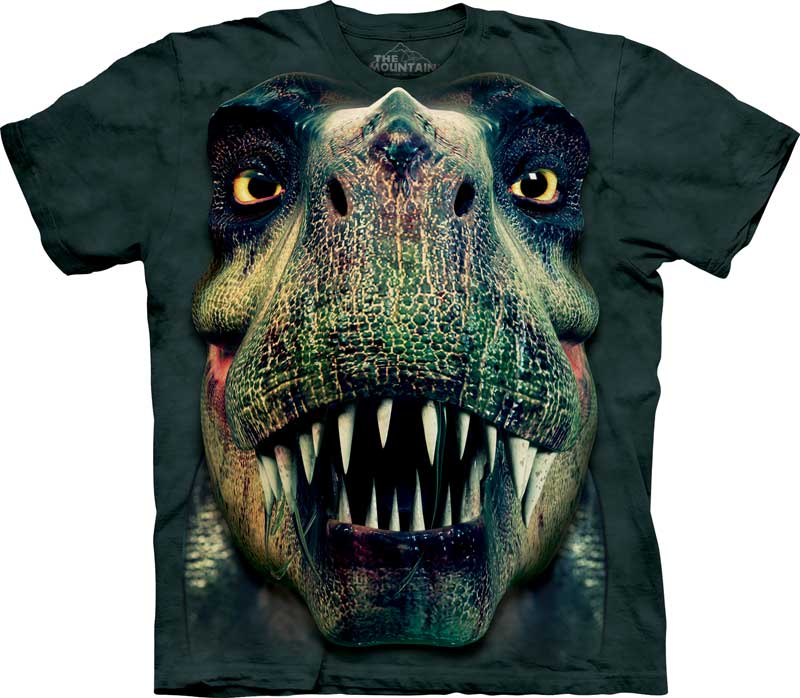
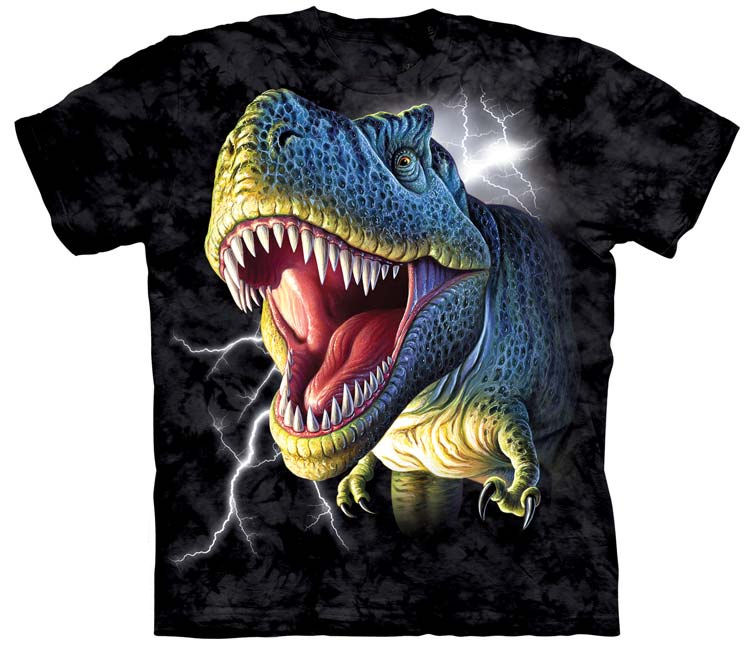
These innovations in paleontology demonstrate the enduring legacy of dinosaurs in advancing scientific understanding. For enthusiasts interested in showcasing their love for these creatures, this dinosaur-themed apparel offers a fun way to do so. More products can be found on Animal Shirt.



Leave A Comment
You must be logged in to post a comment.