
Understanding Animal Grief: Do Animals Feel Sad Like Humans?
Most pet owners notice a change when their furry friend loses a companion. The silence feels heavier, and you wonder if your pet is feeling the same sadness you do. Exploring animal grief reveals surprising insights about emotions in animals and what happens when pets grieving may mirror human sorrow. This glimpse into animal psychology might change how you see your loyal companions forever. More insights can be found here.

Have you seen our selection of Animal Shirts?
Exploring Animal Grief
Grief isn’t unique to humans. The bond animals form can be deeply emotional.
Evidence of Emotional Responses
Studies show animals like elephants and dogs showing signs of mourning. Elephants have been observed lingering by deceased members, while dogs might become lethargic or lose their appetite. These behaviors suggest a depth of feeling that challenges the idea that animals are purely instinctual. In fact, research suggests that animals can process loss similarly to humans.
Most pet owners report noticing a change when their pets lose companions. This observation is supported by data, with 68% of animal owners noting changes in behavior after a loss. It’s fascinating to consider how these emotional responses align with what we know about human grief.
But how do these emotional responses compare to our own experiences with loss?
Comparing Human and Animal Sadness
While humans articulate their grief through words, animals express sadness through behavior. When a pet loses a companion, it might exhibit changes in sleeping patterns, eating habits, or activity levels. These shifts are akin to the emotional and physical symptoms often seen in grieving humans.
A poignant example can be seen in dogs. When a beloved companion dies, a dog might whimper or search for the lost pet, mirroring the human tendency to reminisce or seek comfort items. These behaviors raise intriguing questions about the depth of animal emotions.
To truly understand this connection, we need a closer look at animal psychology.
Understanding Animal Psychology
Animals’ ability to form emotional bonds is more complex than once assumed. Delving into their behavior reveals surprising insights.
The Science Behind Animal Behavior
Understanding animal behavior requires examining their brain structure. Animals like dogs and elephants have complex brain structures that support emotional processing. This isn’t just a theory. Scientists have found that certain areas of animal brains light up similarly to human brains when they experience joy or sadness.
These discoveries challenge the assumption that animals are driven solely by basic survival instincts. Instead, they suggest a capacity for emotional depth that might include grief. For a deeper dive into these findings, check out insights from this source.
This understanding of animal minds leads to questions about how they express grief.
How Pets Express Grief
Pets display grief through changes in routine and behavior. For instance, a grieving cat might hide more frequently, while a dog could display a drop in enthusiasm for play. These changes serve as signals that something is amiss.
Here are some common behaviors you might notice:
-
Reduced Appetite: A grieving pet might eat less than usual.
-
Lethargy: They might no longer show interest in activities they once loved.
-
Vocalization: Increased whining or barking can indicate distress.
Recognizing these signs helps us better support our grieving pets.
Recognizing Grief in Pets
Knowing what to look for can make a significant difference in supporting your furry friend through loss.
Signs Your Pet Is Grieving
Pets can’t tell us they’re grieving, but their behavior speaks volumes. Look for signs such as unusual aggression, changes in sleeping patterns, or a noticeable shift in mood. For instance, a dog might become clingy, seeking comfort more often.
An interesting fact is that 56% of pet owners report increased vocalization in grieving pets. This can be a cry for attention or reassurance. Understanding these signals helps you respond effectively, creating a comforting environment for your pet.
So, how can you support your grieving pet through this challenging time?
Supporting Pets Through Loss
Helping your pet navigate grief involves patience and understanding. Here are steps you can take:
-
Maintain Routine: Consistency helps pets feel secure.
-
Provide Comfort: Offer extra affection and attention.
-
Engage in Play: Stimulating activities can distract and uplift.
By taking these steps, you provide the support your pet needs to heal. Remember, your presence is a powerful tool in their recovery.
In conclusion, animal grief is a profound area that highlights the emotional capabilities of our pets. Understanding and supporting them through loss not only strengthens your bond but also enhances their well-being. Remember, your pet relies on you to lead them with love through tough times.
Check out our huge selection of animal t-shirts

The Ultimate Halloween Animal Shirt Gift Guide
The Ultimate Halloween Animal Shirt Gift Guide Halloween is just around the corner, and finding the perfect gift for animal lovers can feel like a challenge. You want something that captures spooky fun without losing that adorable animal charm. This Halloween animal shirt gift guide offers a handpicked selection of cute Halloween shirts featuring playful […]
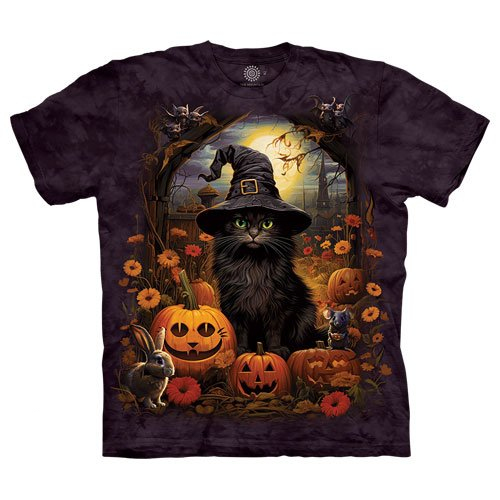
30 Funny Halloween Animal T-Shirts You’ll Want to Wear This October
30 Funny Halloween Animal T-Shirts You’ll Want to Wear This October Funny Halloween T-shirts rarely get the spotlight they deserve. Most Halloween outfits stick to the usual spooky clichés, leaving little room for personality. This collection of quirky T-shirt designs combines spooky animal apparel with a playful twist, perfect for your October fashion lineup. From […]

25 Spooky Animal T-Shirt Ideas for Halloween
25 Spooky Animal T-Shirt Ideas for Halloween Most Halloween t-shirts blend spooky and silly, but finding spooky animal shirts that truly stand out can be tricky. If you’re an animal lover who wants to show off your passion while capturing the Halloween vibe, these pet costume t-shirts offer the perfect mix. Keep reading to see […]
What to Wear to a Halloween Party: Animal-Themed T-Shirt Ideas
What to Wear to a Halloween Party: Animal-Themed T-Shirt Ideas Forget everything you know about Halloween costumes. You don’t need a full outfit to stand out at your next party. With the right Halloween animal t-shirts, you can mix comfort and style while showing off your love for animals. Let’s explore some clever costume shirt […]
The Best Halloween Shirts for Dog Moms and Dog Dads
The Best Halloween Shirts for Dog Moms and Dog Dads Halloween is the perfect time to show off your love for your furry friend, but finding the right Halloween dog shirts can be tricky. You want something that blends spooky fun with your role as a proud dog mom or dad. This post lines up […]
20 Halloween Animal Shirts That Are Perfect for Trick-or-Treating
20 Halloween Animal Shirts That Are Perfect for Trick-or-Treating Trick-or-treating outfits don’t have to be scary or complicated to stand out. These 20 Halloween animal shirts mix playful charm with just the right spooky touch, perfect for kids and adults ready to celebrate. From cartoon animal shirts to cozy Halloween shirts for trick or treating, […]


Leave A Comment
You must be logged in to post a comment.