

Dinosaur Evolution Revealed: Understanding Theropods, Sauropods, and Ornithischians
Dinosaur Evolution Revealed: Understanding Theropods, Sauropods, and Ornithischians
Dinosaurs have captivated our imaginations for generations, and understanding their evolution reveals a fascinating glimpse into the distant past. Theropods, sauropods, and ornithischians represent three distinct classifications that not only roamed the Earth but also dominated it during the Jurassic and Cretaceous periods. These extraordinary creatures offer insights into the diversity and complexity of dinosaur features, highlighting their unique adaptations and evolutionary paths. In this blog post, we’ll delve into the intricate world of dinosaur classification, exploring how these ancient giants evolved and thrived. Whether you’re a seasoned paleontology enthusiast or a curious learner, join us on a journey to uncover the incredible story of dinosaur evolution.
## The Dawn of Dinosaur Evolution
The evolution of dinosaurs marks a monumental era in Earth’s history. It began with early ancestors that laid the foundation for the diverse species we recognize today. This section explores the dawn of dinosaur evolution and the rise of formidable groups like theropods and sauropods.
### Early Dinosaur Ancestors
**Early dinosaur ancestors** emerged during the late Triassic period. These creatures were small, agile, and primarily bipedal. They developed evolutionary adaptations that allowed them to thrive in various environments.
*Fossil evidence* suggests that these early dinosaurs, such as the Eoraptor, had a mix of primitive and advanced skeletal features. This combination was crucial for their survival and eventual dominance.
**Key traits** included lightweight bodies, which enabled quick movement, and strong jaw muscles for efficient feeding. These traits were significant in their evolutionary journey.
**Comparing these early ancestors** with later dinosaurs shows how they evolved and diversified. This laid the groundwork for the more specialized dinosaurs of the Jurassic and Cretaceous periods.
### Rise of the Theropods
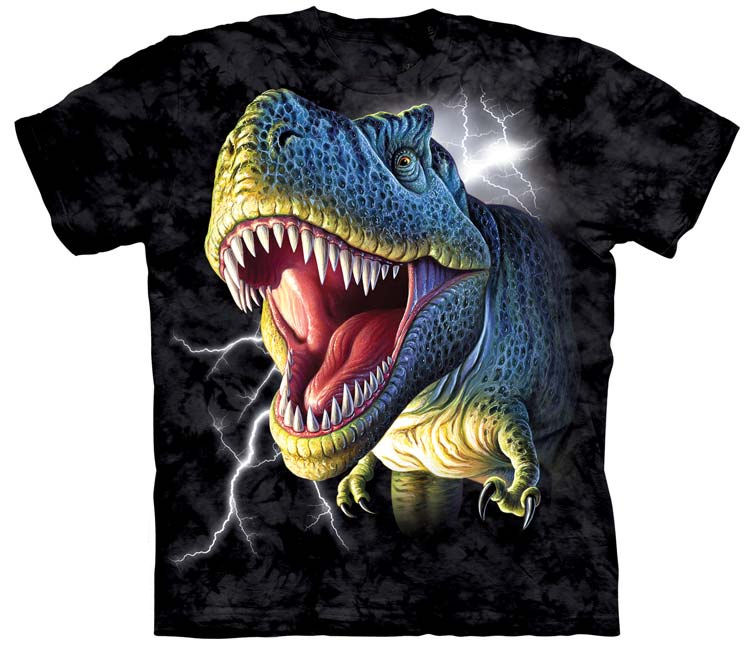
The **theropods** are arguably the most famous group of dinosaurs. They include well-known species like the Tyrannosaurus rex, depicted on the [T-Rex Glow Shirt](https://www.animalshirt.net/product/t-rex-glow-shirt/).
Their **evolutionary path** started in the late Triassic, where they evolved from small, carnivorous ancestors. Over millions of years, they adapted to become apex predators.
**Theropods developed** unique features such as sharp claws, powerful jaws, and keen eyesight. These adaptations made them formidable hunters.
**The diversity** within the theropod clade is remarkable, ranging from the massive, fearsome T. rex to the smaller, agile Velociraptor. This diversity illustrates their adaptability and evolutionary success.
### Sauropods and Their Giants
**Sauropods** were the giants of the dinosaur world. They evolved from smaller ancestors in the late Triassic and became the largest land animals ever.
**Their size** is their most defining feature, with long necks and tails balancing their massive bodies. This adaptation enabled them to reach high vegetation.
**Sauropods thrived** during the Jurassic period, dominating the landscape with their colossal presence. Species like Brachiosaurus and Diplodocus exemplify their giant stature.
**Despite their size**, sauropods were gentle giants, primarily herbivorous. Their evolution showcases the diversity in dinosaur adaptations and ecological niches.
## Theropods: The Fearsome Predators
Theropods were among the most fearsome predators to ever walk the Earth. Their evolutionary traits and adaptations allowed them to dominate their ecosystems across different periods.
### Evolutionary Traits of Theropods
**Theropods** developed several key traits that contributed to their success. These included bipedalism, which allowed for greater speed and agility.
Their **sharp teeth and claws** made them efficient hunters. These physical adaptations were complemented by keen senses, providing them with a predatory edge.
**Theropods also displayed** significant diversity. While some evolved into large, fearsome predators, others took on different ecological roles, including scavenging and even the early stages of flight.
*The origin of birds* is traced back to theropods, illustrating their evolutionary significance. Their legacy continues in modern avians, as discussed in [The Origin of Birds](https://evolution.berkeley.edu/what-are-evograms/the-origin-of-birds/).
### Theropods in the Jurassic Period
During the **Jurassic period**, theropods flourished and diversified. This era saw the emergence of iconic species like the Allosaurus.
**Jurassic theropods** were characterized by their size and hunting prowess. They filled the role of apex predators in their ecosystems.
**The diversity within theropods** during the Jurassic period included both large predators and smaller, more agile species. This diversity allowed them to exploit various ecological niches.
*Fossil records* from this period provide insights into their behavior, social structures, and hunting strategies, highlighting their adaptability and dominance.
### Theropods in the Cretaceous Period
The **Cretaceous period** marked a pinnacle in theropod evolution. It was during this time that the Tyrannosaurus rex, one of the most famous dinosaurs, roamed the Earth.
**Cretaceous theropods** exhibited advanced adaptations, including powerful hind limbs and sharp teeth, making them effective hunters.
**The period also saw** the rise of smaller theropods that displayed early features of flight. These evolutionary traits were crucial for the future development of birds.
**The diversity of theropods** during the Cretaceous period underscores their evolutionary success and adaptability, which ultimately led to their lasting legacy in modern bird species.
## Sauropods: Giants of the Past
Sauropods were the towering giants of the dinosaur era. Their unique features and adaptations allowed them to thrive across various geological periods, leaving a lasting impression on the fossil record.
### Unique Features of Sauropods
**Sauropods’ distinct features** include their enormous size, long necks, and tails. These adaptations were crucial for feeding on high vegetation.
**Their skeletal structure** supported their massive bodies, with pillar-like legs and a robust spine. This anatomy allowed them to grow to unparalleled sizes.
**Sauropods’ long necks** enabled them to reach food sources inaccessible to other herbivores. This adaptation provided them with a significant advantage in their ecological niche.
*Fossil evidence* showcases the diversity within sauropods, highlighting their evolutionary success and their role as dominant herbivores of their time.
### Sauropods’ Adaptations and Survival
**Sauropods evolved adaptations** that ensured their survival in various environments. Their size deterred predators, while their long necks allowed them to access a wide range of vegetation.
**Their digestive systems** were adapted to process large amounts of plant material efficiently. This capability was essential for maintaining their massive bodies.
**The evolution of sauropods** also included social behaviors, such as herding, which provided protection and facilitated feeding.
**These adaptations**, combined with their unique physical features, made sauropods a successful and enduring group of dinosaurs throughout history.
### Sauropods Across Geological Periods
**Sauropods thrived** across multiple geological periods, from the late Triassic to the end of the Cretaceous.
**Their presence** in the fossil record during the Jurassic period is particularly notable, with species like Brachiosaurus and Apatosaurus becoming iconic symbols of dinosaur gigantism.
**The diversity of sauropods** continued into the Cretaceous, with some species evolving even larger sizes. This adaptability contributed to their long-term success.
**The evolution of sauropods** over these periods highlights their ability to adapt to changing environments and ecological demands, cementing their place as giants of the past.
## Ornithischians: The Diverse Herbivores
Ornithischians were a diverse group of herbivorous dinosaurs. Their distinct characteristics and evolutionary paths showcase the complexity of dinosaur evolution and adaptation.
### Distinct Characteristics of Ornithischians
Ornithischians are characterized by their **unique pelvic structure**, which resembles that of modern birds. This feature distinguishes them from other dinosaur groups.
**Their adaptation** to herbivory involved specialized teeth and jaw structures, allowing them to efficiently process plant material.
**Ornithischians exhibited** a wide range of body sizes and shapes, from the small, agile Hypsilophodon to the heavily armored Ankylosaurus.
*Their diversity* is reflected in their adaptations to different habitats, showcasing their evolutionary success across various environments.
### Evolution of Ornithischians
The **evolution of ornithischians** began in the late Triassic, with early species exhibiting primitive features. Over time, they developed more specialized adaptations for herbivory.
**Their diversification** during the Jurassic and Cretaceous periods led to the emergence of various subgroups, each with distinct traits and ecological roles.
**Ornithischians played** a critical role in their ecosystems, contributing to the balance of herbivorous and carnivorous dinosaur populations.
*The evolutionary history* of ornithischians demonstrates the complexity of dinosaur evolution and the adaptability of these ancient creatures.
### Notable Ornithischians from History
Several **notable ornithischians** have captured the public’s imagination, including the Triceratops and Stegosaurus.
**These dinosaurs** showcase the diversity within the ornithischian group, with Triceratops known for its iconic horns and frill, and Stegosaurus for its distinctive plates.
**Their adaptations** allowed them to thrive in their respective environments, with specific features tailored to defense and feeding.
*These iconic species* represent the evolutionary success of ornithischians and their impact on our understanding of dinosaur diversity and adaptation.
## The Legacy of Dinosaur Evolution
The legacy of dinosaur evolution extends beyond the fossils left behind. It continues to shape modern science and inspire future discoveries in paleontology and beyond.
### Paleontology: Unlocking Dinosaur Secrets
**Paleontology** plays a crucial role in unlocking the secrets of dinosaur evolution. Through fossil analysis, scientists uncover insights into the lives of these ancient creatures.
**The study of fossils** reveals information about dinosaur anatomy, behavior, and ecology. This knowledge helps us understand how they adapted and thrived.
**Paleontologists use** advanced technologies, such as CT scans and isotopic analysis, to study fossils in detail, leading to new discoveries.
*The ongoing research* in paleontology enhances our understanding of dinosaurs and their evolutionary history, providing a window into the Earth’s past.
### The Impact of Dinosaurs on Modern Science
Dinosaurs have a lasting impact on **modern science**, influencing various fields such as biology, geology, and climate studies.
**Their fossils provide** crucial data on past climates, helping scientists understand historical climate changes and their implications for the present.
**The study of dinosaur evolution** offers insights into evolutionary biology, illustrating the processes of adaptation and natural selection.
*The interdisciplinary nature* of dinosaur research highlights their significance in modern scientific inquiry and education.
### Future Discoveries in Dinosaur Classification
**Future discoveries** in dinosaur classification promise to deepen our understanding of these ancient creatures.
**Advancements in technology**, such as DNA analysis and improved dating techniques, will likely lead to new insights into dinosaur evolution.
**Collaboration among scientists** worldwide will enhance our knowledge of dinosaur biodiversity and their ecological roles.
*The future of paleontology* is bright, with potential discoveries that will continue to inspire and educate, revealing new chapters in the story of dinosaur evolution.



Leave A Comment
You must be logged in to post a comment.