
Can Tigers Swim? Dive into the Surprising Truth!
Can tigers swim? If you’ve ever pondered this curious question while sporting your favorite tiger shirt, you’re in for an intriguing surprise! These magnificent creatures, often depicted as land-loving predators in popular culture, actually have a remarkable affinity for water. Unlike most big cats, tigers are exceptional swimmers, frequently diving into rivers and lakes to cool off, hunt, or simply enjoy a leisurely paddle. In this piece, we will explore the fascinating swimming abilities of tigers, unraveling how this unique trait sets them apart in the animal kingdom. Dive in to discover the surprising truth about the tiger swim phenomenon!
The Origins of Tiger Swimming
Evolutionary Background
Tigers have evolved over millions of years, adapting to a variety of environments, from dense jungles to swampy wetlands. Unlike their feline cousins, tigers developed swimming abilities as a survival tactic. Ancient tigers roamed vast territories with diverse landscapes, and being able to swim allowed them to cross rivers and lakes to hunt or escape threats. This adaptation also helped them cool down in hot climates. Unlike the typical house cat that shies away from water, the tiger’s evolutionary path pushed it towards embracing aquatic environments. This unique trait has been passed down through generations, making the modern tiger a proficient swimmer. So, the next time you put on your tiger t-shirt, you’ll know that these magnificent animals have a deep-seated connection to water, rooted in their evolutionary past.
Natural Habitats and Water
Tigers are predominantly found in Asia, inhabiting regions that range from the steamy mangroves of the Sundarbans to the frigid forests of Siberia. These diverse habitats often include rivers, lakes, and wetlands, making water a prevalent feature in a tiger’s environment. In the Sundarbans, tigers navigate tidal waterways and muddy swamps as part of their daily routine. Similarly, in the tropical rainforests of Southeast Asia, these big cats frequently encounter streams and rivers. The constant presence of water in their habitats has honed their swimming skills, making water an integral element of their daily lives. Tigers use water bodies not just for hydration but also for cooling off and hunting prey. So, whether you’re admiring a tiger in the wild or sporting your favorite tiger shirt, remember that water plays a crucial role in the life of these majestic animals.

Cultural Myths and Facts
The image of tigers has long been surrounded by myths and misconceptions, especially regarding their relationship with water. In some cultures, tigers are depicted as fierce, land-dwelling predators, seldom associated with aquatic environments. This portrayal has led many to believe that tigers avoid water. However, these cultural myths couldn’t be further from the truth. In reality, tigers are exceptional swimmers, often seen swimming across rivers or lounging in water bodies to escape the heat. Historical accounts and indigenous stories from regions like the Sundarbans often highlight the swimming prowess of these big cats. Interestingly, some ancient artwork even depicts tigers in watery settings, perhaps hinting at an older understanding of their affinity for water. So, when you wear your tiger t-shirt next time, you’ll know that these majestic creatures are not just kings of the land but also masters of the water.
How Tigers Swim
Physical Adaptations
Tigers possess several physical adaptations that make them skilled swimmers. Firstly, their powerful limbs are built for strength and endurance, allowing them to propel through water with ease. Their large, webbed paws act like paddles, providing the necessary thrust to move efficiently. Additionally, their dense fur, while seemingly a hindrance, actually helps in maintaining buoyancy. Tigers also have a natural instinct to keep their heads above water, using their strong neck muscles to stay afloat and navigate. Another interesting adaptation is their ability to hold their breath for extended periods, enabling them to dive and swim underwater when necessary. These physical traits collectively enable tigers to be not just proficient but also graceful swimmers. So, next time you pull on your tiger t-shirt, remember that these majestic creatures are not just land-based hunters but are equally adept in aquatic environments.

Swimming Techniques
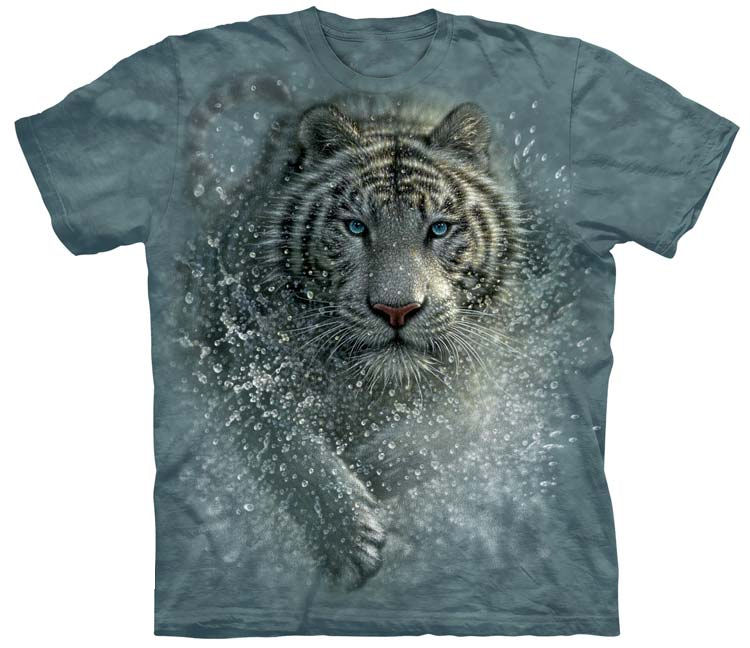
Tigers employ a variety of swimming techniques that showcase their versatility in water. Unlike many animals that paddle frantically, tigers swim with a calm, deliberate style. They use a doggy-paddle-like motion, where their front paws pull water back while their hind legs provide the necessary thrust. This technique allows them to cover long distances without exhausting themselves. Additionally, tigers are known to swim both on the surface and underwater. When diving, they keep their bodies streamlined and use powerful strokes to navigate through water. Their keen sense of direction and strong swimming capabilities enable them to cross rivers and lakes effortlessly. Interestingly, tigers also use water as a hunting strategy, swimming silently to ambush prey. So, when you wear your favorite tiger shirt, remember these majestic creatures aren’t just land predators but also skilled swimmers with impressive techniques.
Famous Swimming Tigers
Several tigers have gained fame due to their remarkable swimming abilities. One notable example is Machli, the legendary tigress from India’s Ranthambore National Park. Known as the “Queen of Ranthambore,” Machli was often observed swimming across lakes and rivers to hunt or move between territories. Her swimming prowess was well-documented, making her a favorite among wildlife enthusiasts. Another famous swimming tiger is the Bengal tiger from the Sundarbans, a region known for its tidal waterways and dense mangrove forests. These tigers have adapted to swim long distances in search of prey, showcasing their exceptional aquatic skills. Additionally, tigers in zoos and wildlife sanctuaries are sometimes observed enjoying a dip in pools, further highlighting their affinity for water. So, whether you’re admiring these majestic creatures in the wild or wearing your tiger t-shirt, remember that many tigers have made a name for themselves as extraordinary swimmers.
Why Tigers Swim
Hunting and Survival
Swimming plays a crucial role in a tiger’s hunting and survival strategies. In regions like the Sundarbans, where tigers live in swampy, waterlogged environments, swimming is essential for accessing prey. Tigers often swim across rivers and lakes to track and ambush unsuspecting animals on the other side. This ability to navigate aquatic terrains gives them a significant advantage over other predators. Additionally, swimming helps tigers evade threats and move between territories in search of food and mates. During the hot summer months, water bodies provide a vital resource for cooling down, ensuring the tigers’ well-being. Moreover, tigers use their swimming skills to reach isolated areas rich in prey, thus increasing their hunting success. So, next time you don your favorite tiger t-shirt, remember that swimming is not just a leisurely activity for tigers but a critical skill for their survival and hunting prowess.
Cooling Off and Relaxation
For tigers, swimming isn’t just about survival—it’s also a way to cool off and relax. In the sweltering heat of their natural habitats, such as the tropical jungles of Southeast Asia or the hot savannas of India, water bodies offer a refreshing escape. Tigers often take leisurely dips in rivers, lakes, and even shallow pools to lower their body temperature and avoid overheating. This activity is particularly important during the peak summer months when temperatures soar. Beyond mere cooling, swimming also provides a form of relaxation for these majestic creatures. It allows them to unwind, play, and even socialize with other tigers. Observations have shown tigers splashing around and playing in water, indicating that they genuinely enjoy these moments of respite. So, when you put on your tiger shirt, you’ll appreciate that these powerful predators also cherish their downtime, making the most of their aquatic surroundings to relax and rejuvenate.
Play and Social Interaction
Swimming also serves as an avenue for play and social interaction among tigers. Although tigers are generally solitary animals, they do engage in social behaviors, especially between mothers and their cubs or during mating seasons. Water bodies often become playful arenas where tigers can frolic, chase each other, and engage in mock battles. These activities are not only fun but also help strengthen bonds and develop important skills. Cubs, in particular, learn a lot from these playful sessions, honing their swimming abilities and coordination. Observing tigers at play in water, you can see their more relaxed, almost joyful side, which is a stark contrast to their usual image as fierce predators. So, the next time you wear your tiger t-shirt, you’ll know that these magnificent creatures use water not just for survival but also for socializing and having a bit of fun, enriching their complex live\
Enjoy some interesting animal facts below!

Best Animal T-Shirts for Men Who Love Wildlife
Best Animal T-Shirts for Men Who Love Wildlife Most animal t-shirts blend into the background, leaving your love for wildlife unnoticed. You want shirts that speak louder than words, showcasing majestic lions, soaring eagles, and vibrant marine life with style. This guide highlights the best animal t-shirts for men, combining bold graphics with comfort and […]
Best Tiger Shirts for Tiger Lovers
Best Tiger Shirts for Tiger Lovers Tiger shirts often miss the mark, leaving fans with dull prints that don’t capture the wild spirit of these majestic cats. If you’ve been hunting for the best tiger apparel that blends bold artistry with comfort, your search ends here. This post highlights tiger print t-shirts and stylish tiger […]

Best Bird Shirts for Bird Lovers
Best Bird Shirts for Bird Lovers Bird shirts aren’t just for casual wear anymore—they’ve become a statement for anyone who loves the colors and charm of feathered friends. If you want bird lover apparel that stands out, you’ll want to see the styles blending art and nature in fresh ways. This post highlights bird-themed t-shirts […]

Best Eagle Shirts for Eagle Lovers
Best Eagle Shirts for Eagle Lovers Eagle shirts don’t have to be ordinary. If you want to wear your passion for these powerful birds with style, the options out there can surprise you. From bold graphic eagle tees to subtle nature inspired clothing, the right eagle apparel makes a statement without sacrificing comfort. Keep reading […]

Best Bear Shirts for Wildlife Lovers
Best Bear Shirts for Wildlife Lovers Most bear shirts out there miss the mark between style and comfort. You want wildlife clothing that feels as good as it looks and truly captures the spirit of these powerful creatures. In this post, you’ll find bear graphic tees that balance charming artwork with bold designs, perfect for […]

Best Animal Shirts for Nature Lovers
Best Animal Shirts for Nature Lovers Forget plain tees that don’t say much about who you are. If you love the wild, your wardrobe should shout it loud and clear with the best animal shirts out there. These nature lover apparel pieces mix eye-catching wildlife graphic tees with comfort and style, perfect for anyone who […]
Follow us on Social Media
Instagram – YouTube – Pinterest – Twitter – Facebook
Alligators – Aquatic – Bears – Big Cats – Birds – Buffalo – Cats – Deer – Dinosaurs – Dogs – Dragons – Eagles – Elephants – Elk – Frogs – Gecko – Giraffes – Horses – Kittens – Moose – Pandas – Snakes – Tigers – Unicorns – Wolves – Cat Shirts – Celtic – Dog Shirts – Dolphins – Dragons – Eagles – Fairies – Horse Shirts – Misc – Native American Indians – Patriotic – Peace – Primates – Religion – Scary – Sci Fi – Skeletons – Tie Dye – Tigers – Wolf Shirts
Interesting Animal Facts and Information
Bald Eagles – Cheetahs – Dolphins – Dinosaurs – Tigers – Lions – Cats – Dogs





Leave A Comment
You must be logged in to post a comment.