

Bridging Time: The Role of Computer Modeling in Dinosaur Reconstruction and its Modern-Day Parallels
In the ever-evolving world of paleontology, the art and science of dinosaur reconstruction have taken monumental strides forward, thanks to the fusion of innovative computer modeling and meticulous fossil analysis. As you delve into the fascinating process of bringing these ancient creatures to life, you’ll uncover how paleontologists use skin impressions and feathered fossils to craft accurate and awe-inspiring representations. This blend of cutting-edge paleontology techniques and insights from modern relatives of dinosaurs has not only reshaped our understanding but also inspired new parallels in various fields. Join us as we explore the dynamic intersection of past and present, where technology meets history in a captivating journey to bridge time

The Evolution of Dinosaur Reconstruction
The journey of dinosaur reconstruction has transformed over the years, evolving from mere fossil analysis to a complex interplay of technology, scientific insight, and creative interpretation. This section explores how foundational methods have laid the groundwork for today’s advanced techniques.
From Fossil Analysis to Reality
Fossil analysis serves as the cornerstone of dinosaur reconstruction. Initially, paleontologists relied heavily on bone structures to hypothesize the appearance and behavior of these ancient creatures. By examining fossilized remains, scientists unearth clues about a dinosaur’s size, shape, and sometimes even its diet.
However, translating fossil findings into reality requires more than skeletal interpretation. Soft tissue impressions, such as skin patterns preserved in fossils, offer critical insights into texture and appearance. These discoveries have driven a more nuanced understanding of dinosaur anatomy, enhancing reconstruction accuracy.
-
Identify fossil types and features.
-
Analyze bone structure and potential muscle attachment sites.
-
Integrate soft tissue impressions for detailed reconstructions.
Through meticulous fossil analysis, paleontologists transform fragments of the past into vivid reconstructions, bridging the gap between ancient history and modern science.
Advancements in Computer Modeling
The advent of computer modeling has revolutionized dinosaur reconstruction. This technology allows scientists to create three-dimensional models, simulating the physical characteristics and potential movement of dinosaurs.
By inputting fossil data into sophisticated software, researchers can accurately depict how these creatures might have moved and interacted with their environments. Computer modeling offers an unparalleled ability to test hypotheses about biomechanics and behavior, making it a powerful tool in paleontology.
-
Enhanced precision in anatomical modeling.
-
Ability to simulate various skin textures and colors.
-
Dynamic visualization of dinosaur movement.
These advancements not only increase accuracy but also provide a virtual platform for experimenting with different reconstruction scenarios, paving the way for future explorations.
Role of Paleontology Techniques
Paleontology techniques are the bedrock of dinosaur reconstruction, integrating multiple disciplines to derive accurate representations of ancient creatures. Techniques like stratigraphy and radiometric dating help determine the age of fossils, while comparative anatomy allows for connections with modern-day relatives.
Paleontologists employ a variety of methods to piece together the intricate puzzle of dinosaur life. From field excavation to laboratory analysis, each step provides vital data that informs the reconstruction process.
-
Conduct fieldwork to unearth fossils.
-
Use laboratory techniques for detailed analysis.
-
Apply interdisciplinary approaches for comprehensive insights.
The evolution of paleontology techniques reflects the discipline’s commitment to understanding the past. By continuously refining these methods, scientists enhance their ability to bring dinosaurs to life in stunning detail.
Unveiling the Mysteries of Skin Impressions
Skin impressions offer a unique window into the past, revealing details beyond bone structure and size. This section delves into the significance of these impressions and how they influence dinosaur reconstruction.
Insights from Fossil Analysis
Fossil analysis extends beyond bones, encompassing the study of skin impressions that provide a more complete picture of dinosaur appearance. Skin impressions are rare but invaluable, preserving patterns and textures that inform scientists about the surface of these creatures.
By analyzing skin impressions, paleontologists gain insights into the diversity of dinosaur integument. These impressions reveal variations in scales, feathers, and even skin thickness, crucial for accurate reconstructions.
-
Detail preservation helps differentiate between species.
-
Indicates potential camouflage or display features.
-
Provides clues to environmental adaptations.
These insights contribute to a richer, more nuanced understanding of dinosaurs, allowing reconstructions to be more than just skeletal representations.
Significance of Skin Impressions
The significance of skin impressions lies in their ability to fill gaps left by skeletal remains. They offer a tangible link to the past, illustrating the complexity and variety of dinosaur skin structures, which bones alone cannot convey.
These impressions demonstrate the evolutionary adaptations of dinosaurs, shedding light on their interaction with their environments. Understanding skin patterns and textures helps scientists predict how these creatures may have lived and thrived.
-
Essential for reconstructing accurate appearances.
-
Provides data on potential thermoregulation mechanisms.
-
Enhances understanding of ecological roles.
Skin impressions are, therefore, a vital component in piecing together the life of dinosaurs, transforming fossilized bones into lifelike representations.
Shaping Our Understanding of Ancient Creatures
Skin impressions have significantly shaped our comprehension of ancient creatures, challenging previous assumptions and opening new avenues for research. They offer a glimpse into the diversity and adaptability of dinosaurs, impacting how reconstructions are visualized.
By integrating skin data with other paleontological findings, scientists create reconstructions that are not only anatomically precise but also visually compelling. This holistic approach enriches our understanding of dinosaur biology and behavior.
-
Encourages interdisciplinary research.
-
Promotes innovative reconstruction techniques.
-
Inspires educational and public engagement with paleontology.
These advancements highlight the dynamic nature of paleontological research, demonstrating the continuous evolution of our understanding of dinosaurs.
The Rise of Feathered Dinosaurs
Feathered dinosaurs have redefined our perception of these ancient creatures, offering insights into their evolutionary lineage. This section explores the discoveries that have reshaped dinosaur reconstruction and our understanding of their modern relatives.
Discoveries of Feathered Fossils
The discovery of feathered fossils marked a pivotal moment in paleontology. These findings provided undeniable evidence that many dinosaurs were adorned with feathers, altering long-held perceptions of their appearance and evolution.
Feathered fossils reveal details about plumage patterns and structures, offering clues to function and behavior. They suggest that feathers could have been used for insulation, display, or even flight in some species.
-
Supports the evolutionary link between dinosaurs and birds.
-
Provides insight into the diversity of feather types.
-
Challenges traditional views of dinosaur appearance.
These discoveries have significantly impacted the field, leading to more dynamic and accurate reconstructions of dinosaurs.
Impact on Dinosaur Reconstruction
The impact of feathered fossils on dinosaur reconstruction is profound. These discoveries have led scientists to revise their models, incorporating feathers into the visualizations of many species. This shift has enhanced the realism and scientific accuracy of reconstructions.
By understanding feather structures, paleontologists can better infer the behavior and ecology of these creatures. Feathers have become an essential element in depicting dinosaurs, bridging the gap between prehistoric and modern birds.
-
Encourages the use of new materials in reconstruction.
-
Increases the complexity and detail of models.
-
Provides a more comprehensive understanding of dinosaur evolution.
Feathered dinosaurs represent a critical juncture in paleontology, illustrating the dynamic nature of scientific discovery.
Lessons from Modern Relatives
Modern birds offer valuable insights into the lives of feathered dinosaurs. By studying birds, scientists gain perspective on the evolutionary connections between these groups, informing dinosaur reconstruction.
Observations of behavior, plumage, and anatomy in birds provide analogs for interpreting dinosaur fossils. These comparisons help paleontologists develop hypotheses about the appearance and lifestyle of their extinct relatives.
-
Highlights evolutionary adaptations shared between birds and dinosaurs.
-
Offers insight into potential behaviors and ecological roles.
-
Aids in reconstructing accurate visual representations.
Understanding these connections enhances our comprehension of dinosaur biology and informs more accurate reconstructions.
Integrating Modern-Day Parallels
Modern technology and evolutionary research offer exciting parallels to dinosaur reconstruction, providing new tools and perspectives. This section explores how these elements integrate into contemporary paleontology.
Comparing with Modern Relatives
Comparing dinosaurs with modern-day relatives, such as birds, enriches our understanding of evolutionary processes. These comparisons reveal shared characteristics and adaptations that have persisted through time.
|
Dinosaur Feature |
Modern Relative Example |
Insight Gained |
|---|---|---|
|
Feathers |
Birds |
Thermal regulation and display functions |
|
Beak structures |
Various bird species |
Dietary preferences and ecological niches |
|
Bone structure |
Archaeopteryx |
Flight adaptations and evolutionary pathways |
These insights underscore the continuity between past and present life forms, demonstrating the enduring legacy of dinosaurs in today’s biodiversity.
Bridging Past and Present with Technology
Technology plays a crucial role in bridging the past and present, offering tools to visualize and analyze dinosaurs in unprecedented detail. Computer modeling and digital reconstructions expand the possibilities for exploring ancient life.
By leveraging cutting-edge technology, paleontologists can create interactive, dynamic models that bring dinosaurs to life. These models not only enhance scientific understanding but also engage the public in meaningful ways.
-
Improves accuracy of reconstructions.
-
Facilitates virtual and augmented reality experiences.
-
Enhances educational outreach and public engagement.
The integration of technology in paleontology represents a fusion of art and science, creating a bridge between historical inquiry and modern innovation.
Future Directions in Dinosaur Reconstruction
As technology and scientific understanding continue to advance, the future of dinosaur reconstruction looks promising. Emerging techniques and discoveries are set to further transform how we envision these ancient creatures.
Future directions in dinosaur reconstruction involve interdisciplinary collaboration, innovative materials, and expanding digital platforms. By embracing these developments, paleontologists can refine their models and reach broader audiences.
-
Continued refinement of computer modeling techniques.
-
Exploration of new materials for realistic models.
-
Expansion of digital and interactive platforms for education.
The future of dinosaur reconstruction is bright, promising an ever-evolving understanding of these fascinating creatures that once roamed the Earth.
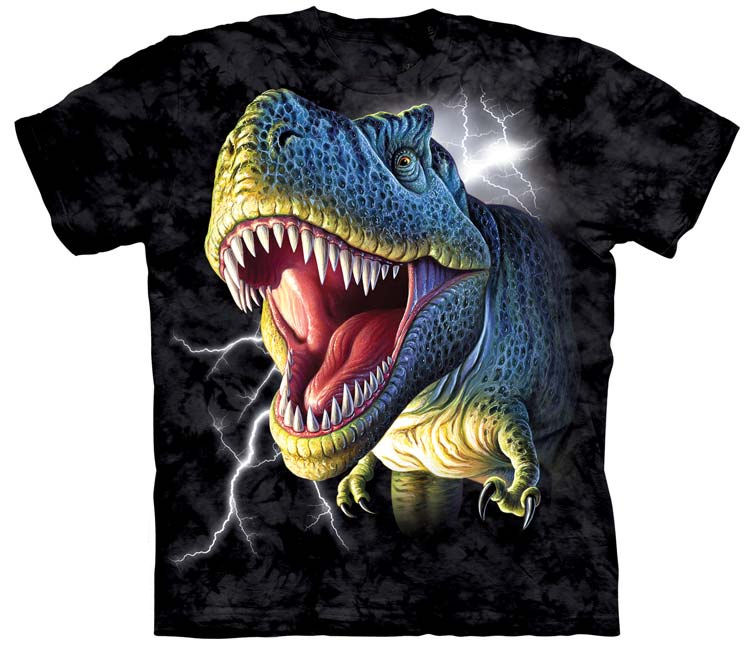
For more on the evolving world of dinosaurs and how they inspire modern creativity, visit National Geographic’s interactive feature. To explore the connection between dinosaurs and modern innovation, check out these resources on Animal Shirt and T-Rex Glow Shirt. For a deeper dive into what scientists learn from dinosaurs, see NHM’s article.



Leave A Comment
You must be logged in to post a comment.