
Australian Shepherd Dog Information
The Australian Shepherd, commonly known as the Aussie, is a medium size breed of dog that was developed on ranches in the western United States. Despite its name, the breed was not developed in Australia, but rather in the United States where they were seen in the West as early as the 1800s. The breed rose gradually in popularity with the boom of western riding after World War I. They became known to the general public through rodeos, horse shows, and Disney movies made for television.
For many years, Aussies have been valued by stockmen for their versatility and trainability. They have a similar look to the popular English Shepherd and Border Collie breeds. While they continue to work as stock dogs and compete in herding trials, the breed has earned recognition in other roles due to their trainability and eagerness to please and are highly regarded for their skills in obedience. Like all working breeds, the Aussie has considerable energy and drive and usually needs a job to do. It often excels at dog sports such as dog agility, flyball, and frisbee. They are also highly successful search and rescue dogs, disaster dogs, detection dogs, guide dogs, service dogs, and therapy dogs.
The Australian shepherd is a medium-sized breed of solid build. They can be anywhere from 14–29 kilograms (30–65 lb) and anywhere from 43–66 centimetres (17–26 in) in height. The ASCA standard calls for the Australian shepherd to stand between 46–58 centimetres (18–23 in) at the withers, females being 46–53 centimetres (18–21 in) and males measuring 51–58 centimetres (20–23 in); however, quality is not to be sacrificed in favor of size.
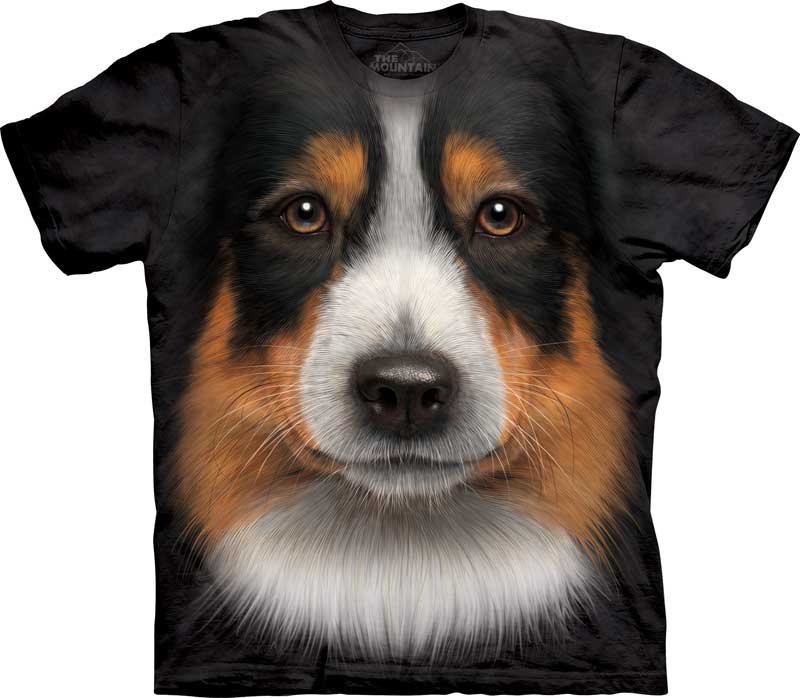
Aussie colors are black, red (sometimes called liver), blue merle (marbled black, white and gray), and red merle (marbled red, white and buff), each of these colors may also have copper (tan) points or white markings in various combination on the face, chest, and legs. A black or red dog with copper and white trim is called tricolor or tri, a black or red dog with white trim but no copper is called bicolor or bi. White, rather than pigment, on or around the ears is an indicator of increased risk for white-related deafness. Excessive white on the face and ears can place an individual dog at greater risk for sunburn and subsequent skin cancer.
Leave A Comment
You must be logged in to post a comment.