
Top 10 Most Dangerous Animals You Should Respect in the Wild
Dangerous animals don’t just make headlines—they shape how we move through nature. When you spot venomous snakes or face large predators like lions and crocodiles, knowing their habits can keep you safe. This guide reveals the most dangerous creatures and the animal kingdom threats you need to respect. Understanding predators helps you avoid wildlife dangers and resolve human-animal conflicts before they start.

Have you seen our selection of beautiful animal t-shirts?
Introduction to Dangerous Animals
The natural world is full of wonder, but it also has its share of dangers. From venomous snakes to large predators, understanding these threats is crucial. Let’s explore why respecting wildlife is key to safer interactions.
Understanding Animal Kingdom Threats
Wildlife can be unpredictable, with creatures that seem harmless posing risks. Snakes, for example, are often silent but can be deadly. Recognizing these dangers helps you stay safe. Animal kingdom threats are not always obvious, so knowledge is your best defense. Many animals defend their territory fiercely, and being aware of their behaviors is a step towards avoiding trouble.
Importance of Respecting Wildlife
Respecting wildlife is vital. It ensures safety for both humans and animals. When you understand how animals behave, you can avoid conflicts. This respect fosters a healthier coexistence. It also helps in preserving natural habitats, which is essential for maintaining ecological balance. Remember, your actions can impact the environment positively or negatively.
Venomous Snakes in the Wild
Snakes are often misunderstood. By learning their habits, you can avoid dangerous encounters. Let’s delve into the world of these stealthy predators and their behaviors.
Stealthy Predators to Avoid
Venomous snakes are among the most dangerous creatures. They can strike quickly and without warning. Many people fear them due to their venom. Understanding predators like these means knowing where they hide and when they’re most active. Snakes often camouflage themselves well, blending into their surroundings. Avoiding tall grass and watching your step can prevent unwanted encounters.
Recognizing Snake Behaviors
Snakes give subtle signals before they strike. Observing their body language can save you from danger. For instance, a coiled position or a rattling sound are clear warnings. It’s also important to note that most snakes prefer to avoid humans. Encounters often happen by accident. Be mindful of your surroundings and learn to recognize these signs.
Large Predators and Their Territories
Large predators like lions and crocodiles command respect. Understanding their habitats can help you navigate safely through these territories.
Navigating Lion Habitats
Lions are majestic but formidable. They are known to be protective of their territory. When exploring areas where lions roam, it’s crucial to stay alert. Most lions hunt at night, so avoid these areas during that time. Traveling in groups can deter an attack, as lions are less likely to target larger numbers.
Crocodile Dominance in Ecosystems
Crocodiles are powerful predators, often found near water. They are fast and can be aggressive when provoked. Knowing their habits can keep you safe. Crocodiles often bask on riverbanks. Keeping a safe distance and avoiding water bodies during dawn or dusk is wise. They are most active during these times.
Resolving Human-Animal Conflicts
Human-animal conflicts can arise, but there are ways to coexist peacefully. Let’s explore some strategies and educational initiatives that can help.
Strategies for Coexistence
Creating buffer zones in wildlife areas is a useful strategy. It helps in reducing conflicts. Fencing and other barriers can also protect both humans and animals. In addition, community involvement in conservation efforts is essential. By working together, solutions become more effective.
Education and Awareness Initiatives
Education plays a crucial role in preventing conflicts. Awareness programs teach people about wildlife dangers and how to avoid them. Schools and local communities can offer workshops on wildlife dangers. This knowledge empowers people to make informed decisions, reducing the risk of encounters.
Conclusion: Respect and Caution
Understanding and respecting animals leads to safer and more fulfilling experiences in nature. Let’s conclude with insights on encouraging safe interaction and embracing nature wisely.
Inspiring Safe Wildlife Interaction
Respect is the foundation of safe wildlife interaction. By keeping a safe distance and observing animals quietly, you can protect yourself and the wildlife. Most people think it’s safe to approach animals, but it’s not. Keeping safety in mind allows for a more harmonious coexistence.
Embracing Nature with Knowledge
Knowledge is your best tool. When you know the risks and how to avoid them, you can enjoy nature confidently. Embrace the beauty of the wild with respect and caution. Being informed transforms fear into appreciation. The longer you wait to learn, the higher the risk. Equip yourself with knowledge and explore the world safely.
For more insights on how to stay safe around dangerous animals, you can visit resources like Planet Deadly and Our World in Data.
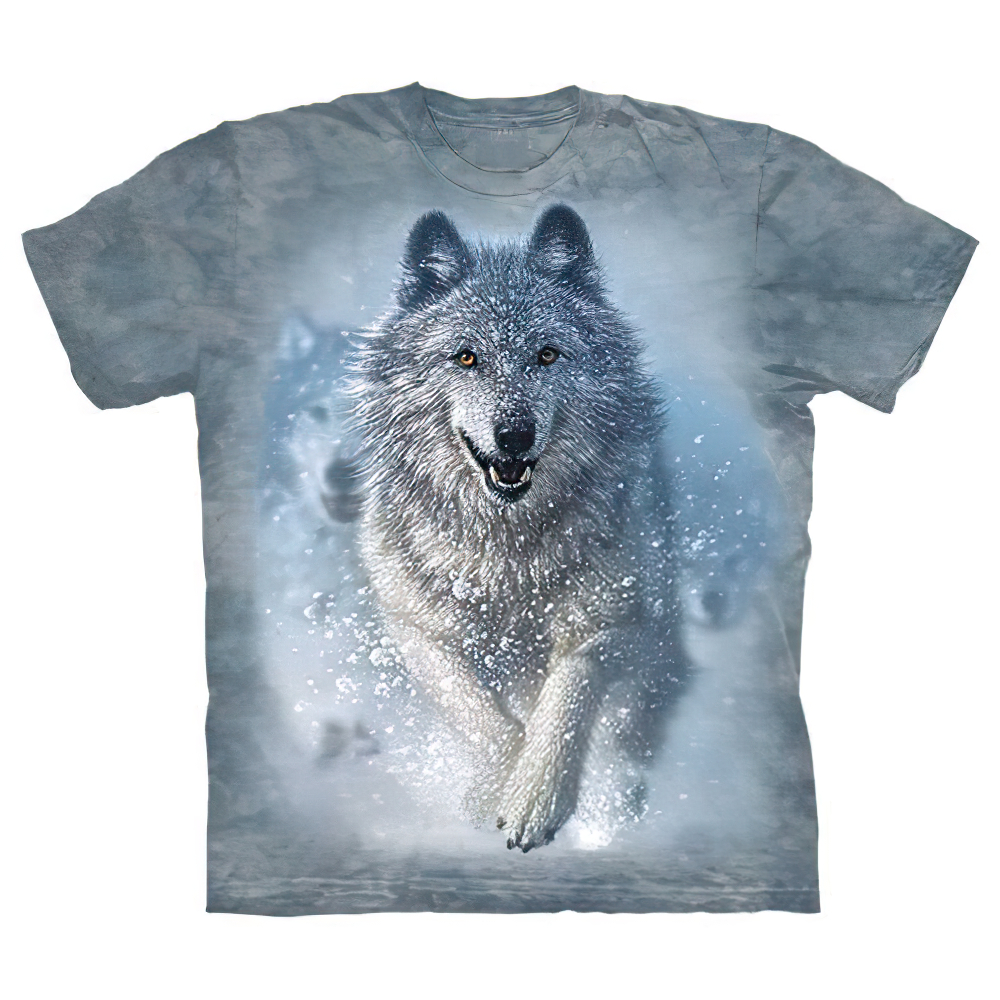
Feel free to visit our entire selection of animal shirts

The Ultimate Halloween Animal Shirt Gift Guide
The Ultimate Halloween Animal Shirt Gift Guide Halloween is just around the corner, and finding the perfect gift for animal lovers can feel like a challenge. You want something that captures spooky fun without losing that adorable animal charm. This Halloween animal shirt gift guide offers a handpicked selection of cute Halloween shirts featuring playful […]
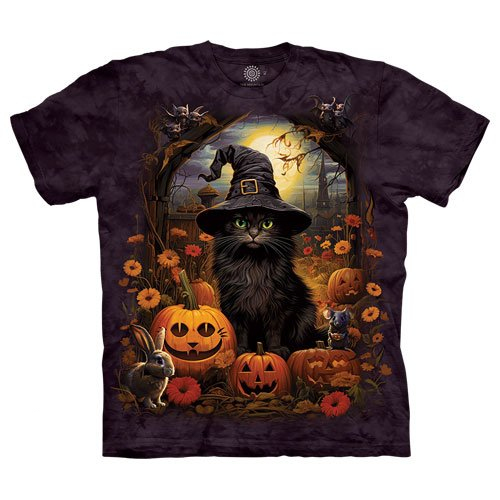
30 Funny Halloween Animal T-Shirts You’ll Want to Wear This October
30 Funny Halloween Animal T-Shirts You’ll Want to Wear This October Funny Halloween T-shirts rarely get the spotlight they deserve. Most Halloween outfits stick to the usual spooky clichés, leaving little room for personality. This collection of quirky T-shirt designs combines spooky animal apparel with a playful twist, perfect for your October fashion lineup. From […]
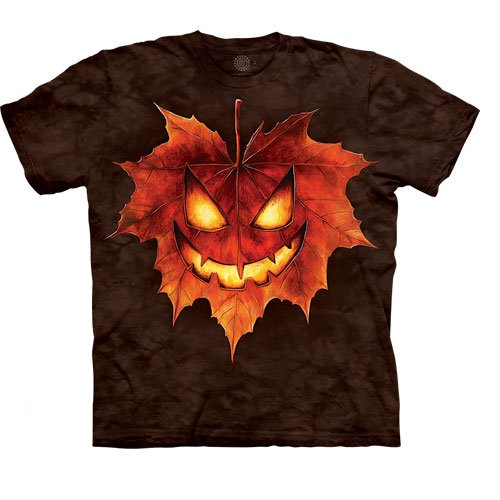
25 Spooky Animal T-Shirt Ideas for Halloween
25 Spooky Animal T-Shirt Ideas for Halloween Most Halloween t-shirts blend spooky and silly, but finding spooky animal shirts that truly stand out can be tricky. If you’re an animal lover who wants to show off your passion while capturing the Halloween vibe, these pet costume t-shirts offer the perfect mix. Keep reading to see […]
What to Wear to a Halloween Party: Animal-Themed T-Shirt Ideas
What to Wear to a Halloween Party: Animal-Themed T-Shirt Ideas Forget everything you know about Halloween costumes. You don’t need a full outfit to stand out at your next party. With the right Halloween animal t-shirts, you can mix comfort and style while showing off your love for animals. Let’s explore some clever costume shirt […]
The Best Halloween Shirts for Dog Moms and Dog Dads
The Best Halloween Shirts for Dog Moms and Dog Dads Halloween is the perfect time to show off your love for your furry friend, but finding the right Halloween dog shirts can be tricky. You want something that blends spooky fun with your role as a proud dog mom or dad. This post lines up […]
20 Halloween Animal Shirts That Are Perfect for Trick-or-Treating
20 Halloween Animal Shirts That Are Perfect for Trick-or-Treating Trick-or-treating outfits don’t have to be scary or complicated to stand out. These 20 Halloween animal shirts mix playful charm with just the right spooky touch, perfect for kids and adults ready to celebrate. From cartoon animal shirts to cozy Halloween shirts for trick or treating, […]

Leave A Comment
You must be logged in to post a comment.