
Visionary Predators: Exploring the Hunting Strategies Influenced by Dinosaurs’ Eyesight
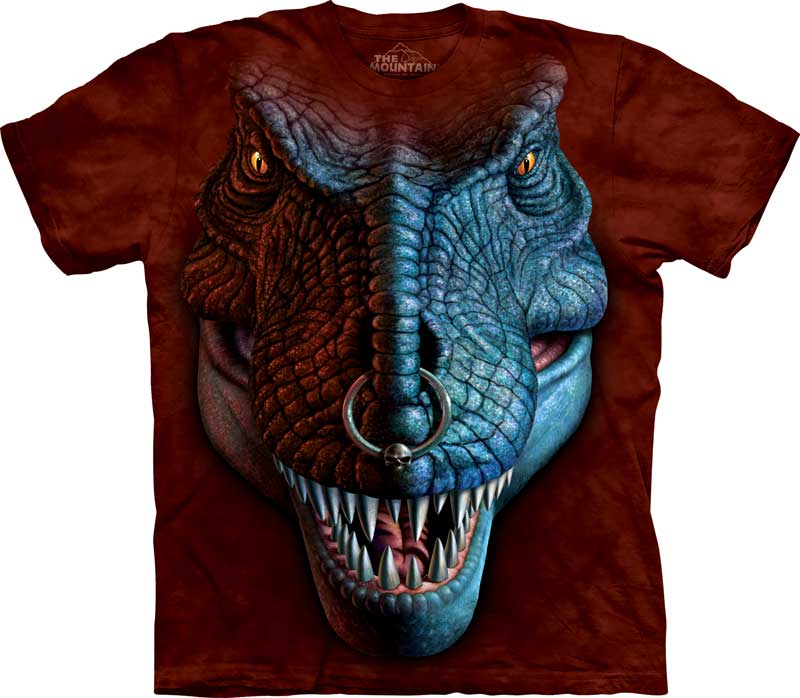
Dinosaurs roamed the earth with awe-inspiring presence, but have you ever wondered about the power behind their gaze? Understanding dinosaur eyesight offers a captivating glimpse into how these ancient creatures navigated their world. By examining fossil evidence and delving into comparative anatomy, we can draw parallels with modern birds and reptiles to piece together their visual prowess. This exploration not only sheds light on dinosaurs’ behavior and hunting strategies but also enriches our understanding of prehistoric ecology. Join us as we uncover how the eyes of these formidable giants shaped their role as apex predators in a bygone era. For more information, check out this article about T. rex vision.

Dinosaur Eyesight: A Window to the Past
Understanding dinosaur eyesight opens up a fascinating window into the past. By exploring fossil evidence and studying the anatomy of modern birds and reptiles, we can gather insights into how these ancient creatures saw their world. This understanding can provide valuable information about their behavior and ecological roles.
Fossil Evidence and Insights
Fossil evidence provides a wealth of information about dinosaur eyesight. Paleontologists analyze skull fossils to determine the size and positioning of eye sockets, which can indicate visual capabilities. For instance, the large eye sockets of some species suggest strong vision, essential for hunting and survival.
Key insights include:
-
Fossilized remains show variations in eye size, reflecting different ecological roles.
-
Analysis of eye sockets suggests some dinosaurs may have had binocular vision, aiding in depth perception.
-
Studies indicate a link between eye size and nocturnal or diurnal activity.
Recent research, such as that from the University of Birmingham, continues to unravel these mysteries, offering a deeper understanding of how dinosaurs interacted with their environment.
Comparative Anatomy with Modern Birds
Birds are the closest living relatives of dinosaurs. Therefore, examining their anatomy provides clues about dinosaur vision. Birds exhibit a variety of visual capabilities, from keen eyesight in raptors to specialized adaptations in nocturnal species.
Comparative anatomy insights:
-
Many birds have large eyes relative to their head size, similar to some dinosaurs.
-
The structure of bird eyes, such as a higher number of cone cells, suggests dinosaurs may have had acute color vision.
-
Birds possess superior motion detection, hinting at similar capabilities in dinosaurs.
By comparing these traits, we gain insights into how dinosaurs might have adapted their vision for survival, with species-specific adaptations reflecting ecological niches.
Lessons from Modern Reptiles
Reptiles offer another comparative lens for understanding dinosaur vision. As both groups share a common ancestry, examining reptilian visual systems helps piece together the puzzle of dinosaur eyesight.
Key lessons include:
-
Reptiles like crocodiles have vertical slit pupils, which can suggest a similar adaptation in dinosaurs for low light conditions.
-
Some reptiles exhibit a third eyelid, known as a nictitating membrane, potentially present in dinosaurs for eye protection.
-
Reptilian color vision in species like chameleons implies diverse visual adaptations in dinosaurs.
These insights underscore the complexity and potential diversity of visual adaptations in dinosaurs, further enhancing our understanding of their ecological and behavioral dynamics.
Dinosaur Vision and Hunting
Dinosaur vision played a crucial role in their hunting strategies. By examining their visual capabilities, we can infer how they might have behaved as predators. This section delves into the connection between vision and predatory tactics.
Visual Capabilities and Behavior
Dinosaurs’ visual capabilities directly influenced their behavior. Vision was vital for detecting prey, avoiding predators, and navigating their environments.
Visual capabilities insights:
-
Large, forward-facing eyes indicate strong depth perception, essential for hunting.
-
Binocular vision would have allowed for precise tracking and targeting of prey.
-
Some species might have developed acute night vision for nocturnal hunting.
These traits suggest that dinosaurs relied heavily on vision for survival, with their behavior closely tied to their visual abilities.
Predatory Strategies and Tactics
Vision was a cornerstone of dinosaurs’ predatory strategies. From ambush tactics to active pursuit, eyesight shaped their hunting methods.
Predatory strategies insights:
-
Raptors likely used keen vision to spot and pursue prey from a distance.
-
Pack hunters may have coordinated attacks using visual cues, similar to modern wolves.
-
Ambush predators relied on camouflage and acute vision to remain undetected until the perfect moment.
These tactics highlight the diverse hunting strategies employed by dinosaurs, showcasing their adaptability and prowess as predators.
Ecological Roles in Prehistoric Times
Dinosaurs occupied a variety of ecological roles, from apex predators to herbivores. Their vision was crucial in fulfilling these roles, allowing them to adapt to different environmental niches.
Ecological roles insights:
-
Apex predators like T. rex likely had powerful vision for hunting large prey.
-
Herbivores may have developed wide fields of vision to detect predators.
-
Nocturnal species would have had specialized adaptations for low-light conditions.
Understanding these roles helps paint a picture of prehistoric ecosystems, revealing how dinosaurs interacted with their environment.
Unraveling Dinosaurs’ Behavior
Vision was not just about hunting; it also played a role in communication and social interactions among dinosaurs. This section explores how eyesight influenced their behavior and dynamics.
Impact of Vision on Behavior
The impact of vision on dinosaur behavior was profound. Visual cues were essential for survival, influencing everything from hunting to social interactions.
Behavioral impact insights:
-
Vision guided social hierarchies, with visual displays influencing dominance and mating.
-
Color vision could have played a role in species recognition and courtship displays.
-
Visual acuity was crucial for navigating complex environments, avoiding obstacles, and detecting threats.
Understanding these impacts provides a deeper insight into the daily lives of dinosaurs, revealing how vision shaped their interactions and survival strategies.
Communication and Social Dynamics
Dinosaurs likely used vision in social dynamics, from establishing territory to mating displays. Visual communication played a pivotal role in their interactions.
Social dynamics insights:
-
Brightly colored crests and frills may have served as visual signals for mate attraction or deterrence.
-
Group-living species possibly utilized visual cues for coordinated movements and predator alerts.
-
Courtship displays might have involved elaborate visual elements to attract mates.
These dynamics illustrate the importance of vision beyond mere survival, highlighting its role in the social fabric of dinosaur communities.
Prehistoric Ecology and Visual Adaptations
The prehistoric environment influenced dinosaur vision. Visual adaptations allowed dinosaurs to thrive in various habitats, from dense forests to open plains. This section delves into the environmental factors shaping their eyesight.
Environmental Influences on Vision
The environment played a significant role in the evolution of dinosaur vision. Different habitats required unique visual adaptations to ensure survival.
Environmental influences insights:
-
Dinosaurs in forested areas may have developed enhanced depth perception and motion detection.
-
Open plains likely favored keen eyesight for spotting distant prey or predators.
-
Night-dwelling species evolved adaptations for low-light visibility.
Understanding these influences reveals how dinosaurs adapted to their environments, contributing to their evolutionary success.
Evolutionary Significance of Eyesight
The evolutionary significance of dinosaur eyesight extends beyond individual species. Vision played a fundamental role in their evolutionary trajectory, affecting survival and adaptation.
Evolutionary significance insights:
-
Visual adaptations contributed to the diversification of dinosaur species, allowing them to exploit different ecological niches.
-
Evolutionary pressures shaped eyesight, influencing behaviors like migration and hunting.
-
The development of advanced visual systems may have provided a competitive edge, leading to the dominance of certain species.
These insights underscore the critical role of vision in the evolutionary history of dinosaurs, shaping their legacy and influence on modern species.
Modern Birds: A Living Legacy
Modern birds are living descendants of dinosaurs, offering a glimpse into their prehistoric past. By studying avian vision, we can bridge the gap between dinosaurs and their bird descendants.
Avian Vision and Predatory Techniques
Birds today exhibit a range of predatory techniques influenced by their vision. Their eyesight provides clues about dinosaur hunting strategies.
Avian vision insights:
-
Birds of prey have exceptional eyesight, similar to what dinosaurs like velociraptors might have possessed.
-
Many birds use visual cues to hunt, from spotting prey to coordinating group attacks.
-
The diversity in bird vision reflects potential adaptations seen in dinosaurs.
These observations highlight the evolutionary continuity between dinosaurs and birds, emphasizing the importance of vision in their survival.
Bridging the Gap: From Dinosaurs to Birds
The transition from dinosaurs to modern birds is a fascinating evolutionary journey. Understanding this link helps connect the past with the present.
Bridging insights:
-
Fossil records show gradual changes in skeletal structures, supporting the evolution of flight.
-
Studies suggest that certain dinosaur species had feather-like structures, indicating an evolutionary path toward avian characteristics.
-
Modern birds’ visual systems offer insights into the adaptive strategies of their dinosaur ancestors.
This evolutionary bridge showcases the enduring legacy of dinosaurs, reflected in the diversity and adaptability of modern birds. For more on this topic, explore this Triceratops shirt or learn about T. rex vision and its modern implications.



Leave A Comment
You must be logged in to post a comment.