

Unveiling the Past: Did Dinosaurs Roar Like in the Movies?
Dinosaurs have long captured our imaginations, roaring across the silver screen as fearsome behemoths. But have you ever paused to wonder, did dinosaurs actually roar like that? In this post, we delve into the science behind dinosaur vocalizations, examining the anatomy of dinosaur calls and drawing comparisons with modern-day reptile vocalizations. You’ll discover how current research challenges the dramatic portrayals of dinosaurs in movies and offers a more nuanced understanding of these ancient creatures. Join us as we uncover the truth behind dinosaur sounds and explore the fascinating intersection of science and cinematic storytelling.

The Myth of Dinosaur Roars
The concept of dinosaurs roaring has become deeply ingrained in popular culture, largely due to cinematic portrayals. However, the reality of dinosaur sounds might be quite different. This section examines how these myths originated and how media has shaped our perception of dinosaur vocalizations.
Origins of Dinosaur Sounds in Movies
Movies have long used sound to enhance visual storytelling. In the case of dinosaurs, filmmakers crafted imaginative roars to amplify the fear factor. Early films like “King Kong” in 1933 began this trend, creating a soundscape that captured audiences’ attention.
-
Sound designers often combined animal noises, such as those from lions and elephants, to create unique dinosaur sounds.
-
This practice continued with films like “Jurassic Park,” where advanced technology allowed for even more complex audio effects.
These sounds, more fiction than fact, shaped a generation’s understanding of dinosaurs. As a result, many believe these iconic roars despite limited scientific backing.
Did Dinosaurs Roar: An Overview
Scientists have debated whether dinosaurs roared for years. The consensus is moving towards a less dramatic interpretation. Fossil evidence does not provide direct insight into soft tissues like vocal cords, which are critical for producing sound.
-
Without soft tissue evidence, assumptions about dinosaur roars remain speculative.
-
Some paleontologists suggest dinosaurs might have been capable of low-frequency sounds or even silent communication using body language.
This raises questions about how accurate these portrayals are, suggesting a gap between cinematic fiction and scientific fact. The debate continues as new discoveries emerge.
Influence of Media on Dinosaur Perception
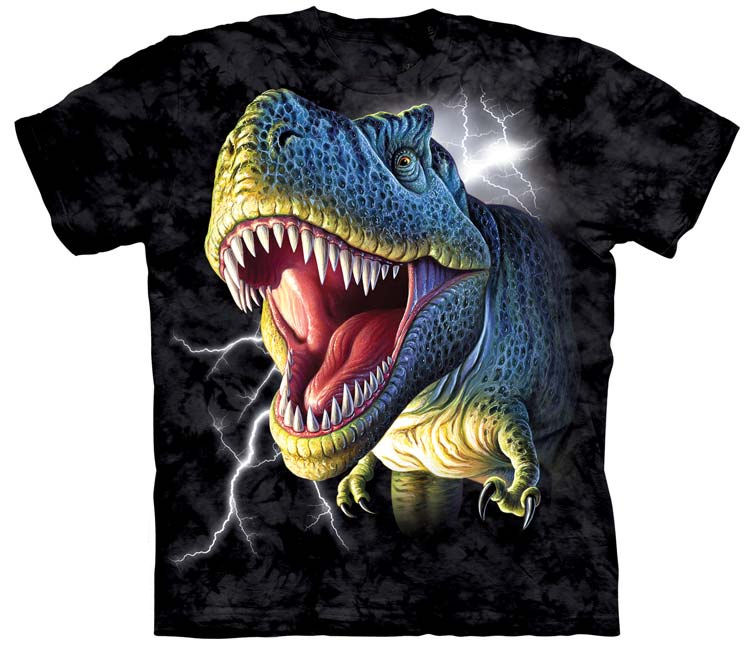
Media has a significant impact on public perception. Movies, documentaries, and even merchandise, like T-Rex shirts, perpetuate the idea of roaring dinosaurs.
-
Films reach wide audiences, embedding specific images and sounds in cultural memory.
-
Merchandise further reinforces these notions through visual and thematic elements.
This influence extends beyond entertainment, affecting educational materials and children’s books. While engaging, these sources often prioritize spectacle over accuracy, leaving many misconceptions unchallenged.
Scientific Evidence on Dinosaur Vocalizations
Scientific inquiry into dinosaur vocalizations offers a more grounded perspective. By examining fossil records and paleontological studies, researchers aim to uncover how dinosaurs might have communicated. This section discusses both the limitations and insights from scientific research.
Fossil Records and Their Limitations
Fossils provide invaluable information about dinosaurs, yet they have limitations. Hard tissues like bones fossilize well, but soft tissues, critical for sound production, rarely survive.
-
The absence of a preserved larynx or vocal cords means scientists rely on indirect evidence.
-
Some fossils show evidence of air sacs, similar to those in birds, suggesting potential vocal capabilities.
However, without concrete evidence, much of the understanding of dinosaur sounds remains theoretical. As technology advances, new methods may provide further clarity.
Insights from Paleontological Studies
Paleontologists use various techniques to infer dinosaur vocalizations. For instance, they examine bone structures and compare them to modern animals. Computational models also help simulate potential sounds.
-
Studies suggest some dinosaurs might have used resonating chambers to produce deep, low-frequency sounds.
-
Others might have used non-vocal methods, like foot stomping or body movements, for communication.
These insights challenge traditional depictions, suggesting a more diverse range of dinosaur sounds than previously thought. Continued research is vital for expanding this knowledge.
Anatomy of Dinosaur Calls
Understanding the anatomy of dinosaur vocalizations requires a look at their vocal organs. By comparing these structures to modern reptiles, scientists can make educated guesses about the sounds dinosaurs might have produced.
Structure of Dinosaur Vocal Organs
Dinosaur vocal organs are largely speculative, given the lack of soft tissue fossils. However, some skeletal features provide clues.
-
The presence of hyoid bones in some species suggests a potential for vocalization.
-
Air sac systems, like those in birds, might have been present, allowing for complex sound production.
These anatomical features indicate that some dinosaurs had the capacity for vocal communication, albeit different from the dramatic roars depicted on screen. More research is needed to understand these structures fully.
Comparing to Reptile Vocalizations
Reptiles offer a window into understanding dinosaur sounds. Modern reptiles use various vocalizations, from hisses to bellows.
|
Feature |
Dinosaurs |
Reptiles |
|---|---|---|
|
Vocal cords |
Unknown |
Present in some |
|
Air sacs |
Likely |
Present |
|
Resonance chambers |
Possible |
Present in some |
This comparison suggests dinosaurs might have produced a range of sounds, from vocal calls to non-vocal noises. By studying reptiles, scientists gain a better grasp of potential dinosaur communication methods.
Modern-Day Reptiles as Models
Modern reptiles serve as vital models for hypothesizing about dinosaur vocalizations. By examining their sounds, scientists can draw parallels to ancient creatures, refining their understanding of dinosaur communication.
Reptile Vocalizations: A Closer Look
Reptiles utilize various vocalizations for communication. Crocodiles and alligators, for instance, produce deep bellows during mating calls.
-
These sounds are produced using vocal cords and air sacs, which might have been present in some dinosaurs.
-
Lizards, on the other hand, rely more on visual cues, suggesting non-vocal communication methods might have existed.
By studying these modern examples, researchers can infer possible dinosaur vocalizations. This provides a richer understanding of how these ancient creatures might have interacted.
Lessons from Bird and Crocodile Sounds
Birds and crocodiles are the closest living relatives to dinosaurs. Their vocalizations offer crucial insights.
-
Birds use complex calls and songs, suggesting some dinosaurs might have had similar capabilities.
-
Crocodiles, with their low-frequency sounds, offer a model for deep dinosaur calls.
These observations suggest a spectrum of vocal possibilities, from subtle calls to more pronounced sounds. This understanding challenges the simplistic portrayal of dinosaur roars in media.
Reimagining Dinosaurs in Movies
The influence of science on the portrayal of dinosaurs in media is growing. As research advances, filmmakers face the challenge of balancing scientific accuracy with entertainment value. This section explores how such reimagining could reshape our view of dinosaurs.
Accuracy vs. Entertainment in Film
The film industry often prioritizes entertainment over accuracy. However, as scientific understanding evolves, the pressure to depict dinosaurs authentically increases.
-
Audiences value realism, especially when scientific discoveries make headlines.
-
Films can blend accuracy and entertainment by consulting paleontologists and using the latest research.
By aligning closer with scientific findings, movies can educate while entertaining, offering a more nuanced portrayal of dinosaurs.
How Science Could Change Dinosaur Sounds
Advancements in paleontology could transform how dinosaurs are depicted in films. By incorporating scientific insights, filmmakers can create more authentic soundscapes.
-
Use real-world animal sounds as a basis, blending them for accuracy.
-
Emphasize non-vocal communication, showcasing a broader range of dinosaur behaviors.
This approach not only enriches storytelling but also aligns with the educational potential of films. As our understanding grows, so too does the opportunity for movies to reflect the fascinating reality of dinosaur life.



Leave A Comment
You must be logged in to post a comment.