
The Jurassic Period and Beyond: Understanding the Timeline of Dinosaur Extinction
Dinosaurs once roamed the Earth with unmatched majesty, reigning supreme for over 160 million years during the Mesozoic Era. This era, divided into the Triassic, Jurassic, and Cretaceous periods, marked a time of fascinating evolution and adaptation. As you journey through this timeline of dinosaurs, you’ll uncover intriguing dinosaur facts that highlight their rise to dominance and the mysteries surrounding their sudden extinction. Understanding the intricate details of each period offers a window into the past, revealing how these magnificent creatures thrived before their abrupt disappearance. Join us as we delve into the captivating world of dinosaurs, exploring how their legacy continues to inspire and inform today’s scientific endeavors.

The Mesozoic Era Overview
The Mesozoic Era, often heralded as the “Age of Dinosaurs,” encapsulates a fascinating timeline of evolution and adaptation. It is divided into three distinct periods: the Triassic, Jurassic, and Cretaceous. Each period witnessed significant developments in the rise and dominance of dinosaurs, setting the stage for their eventual extinction.
Rise of Dinosaurs
The rise of dinosaurs during the Mesozoic Era is marked by their evolution from smaller, reptilian ancestors. Dinosaurs emerged in the Triassic period, marking a significant evolutionary leap. Their ability to adapt to different environments gave them a competitive edge over other species.
Dinosaurs displayed unique traits that helped them flourish. Their varied skeletal structures and locomotive abilities enabled them to occupy diverse habitats. This adaptability was crucial to their survival and eventual dominance.
Furthermore, the discovery of fossils has provided valuable insights into their evolutionary journey. Fossils indicate that dinosaurs were warm-blooded, which may have contributed to their adaptability. For more dinosaur facts, visit the American Museum of Natural History.
Dominance Across Periods
The Triassic, Jurassic, and Cretaceous periods each played a pivotal role in the diversification of dinosaurs. During the Jurassic period, dinosaurs expanded their dominance, leading to the emergence of iconic species like the Brachiosaurus, as seen in this Brachiosaurus shirt.
In the Jurassic, dinosaurs reached new heights of diversity. Their dominance is evident in the fossil record, illustrating the range of habitats they colonized. This era also saw the rise of giant herbivores and formidable predators, showcasing their ecological impact.
By the Cretaceous, dinosaurs reached peak diversity, with a wide array of species populating various ecosystems. This period was characterized by complex ecosystems where dinosaurs played integral roles as both predators and prey. For more on when dinosaurs lived, check out this resource.
Key Dinosaur Facts
Dinosaur facts highlight the remarkable traits and adaptations that fueled their success. Here are a few key insights:
-
Dinosaurs first appeared approximately 230 million years ago during the Triassic period.
-
They were the dominant terrestrial vertebrates for about 160 million years.
-
Dinosaurs exhibited a wide range of sizes, from the tiny Compsognathus to the massive Argentinosaurus.
-
The extinction of dinosaurs around 66 million years ago is believed to have been caused by a cataclysmic event. Learn more about these facts on Animal Shirt’s website.
These facts underscore the extraordinary nature of dinosaurs and their impact on Earth’s history.
Triassic Period Beginnings
The Triassic period marks the initial chapter of the Mesozoic Era. It was a time of profound change, setting the stage for the rise of dinosaurs and the reformation of Earth’s ecosystems.
Early Dinosaur Evolution
The early evolution of dinosaurs during the Triassic period was characterized by significant diversification and adaptation.
Triassic dinosaurs were relatively small compared to their successors. They began as bipedal creatures, which allowed for increased mobility and adaptability in various environments.
As the period progressed, dinosaurs diversified into both herbivorous and carnivorous forms. This diversification laid the foundation for their eventual dominance in later periods.
The Triassic period also witnessed the evolution of key anatomical features such as specialized teeth and improved locomotion. These adaptations were crucial for the survival and proliferation of dinosaurs during this era. For a detailed timeline, visit NHM.
Significant Triassic Changes
During the Triassic period, Earth underwent significant geological, climatic, and ecological changes. These transformations provided the backdrop for the rise of dinosaurs.
-
Geological Shifts: The breakup of the supercontinent Pangaea created diverse landmasses and new habitats for life to thrive.
-
Climate Fluctuations: Fluctuating climates spurred evolutionary pressures, encouraging adaptation among species.
-
Ecological Niches: The emergence of new ecological niches further facilitated the diversification of dinosaur species.
These changes were pivotal in shaping the evolutionary path of dinosaurs, allowing them to evolve and adapt to diverse environments.
Jurassic Period Milestones
The Jurassic period is often associated with the iconic imagery of dinosaurs at their peak. This period was marked by significant milestones in the evolution and diversification of these creatures.
Notable Dinosaurs of Jurassic
The Jurassic period is renowned for its impressive roster of dinosaur species. These dinosaurs are among the most well-known and studied, capturing the public’s imagination.
Brachiosaurus and Stegosaurus are two of the most recognizable dinosaurs from this era. Their fossils have provided valuable insights into the diversity and complexity of Jurassic ecosystems.
-
Brachiosaurus: Known for its long neck and towering height, this herbivore exemplified the massive size achieved by some Jurassic dinosaurs.
-
Stegosaurus: With its distinctive plates and spikes, it served as a testament to the diverse defensive adaptations of the time.
These species highlight the variety of forms and functions that evolved during the Jurassic period. For more information about Brachiosaurus, refer to Animal Shirt.
Ecological Developments
The Jurassic period was marked by substantial ecological developments that shaped the world of dinosaurs.
-
Vegetation: The evolution of plant life, including conifers and cycads, provided abundant food sources for herbivorous dinosaurs.
-
Predator-Prey Dynamics: The emergence of large predators like Allosaurus influenced the behavior and evolution of herbivorous species.
-
Marine Life: The seas teemed with life, including marine reptiles like ichthyosaurs and plesiosaurs, showcasing the era’s biodiversity.
These developments underscored the dynamic interactions within Jurassic ecosystems, highlighting the complexity and interconnectedness of life during this time.
Cretaceous Period Highlights
The Cretaceous period represents the culmination of dinosaur evolution, marked by peak diversity and significant changes leading to their eventual extinction.
Peak Dinosaur Diversity
During the Cretaceous period, dinosaur diversity reached its zenith. This era witnessed the emergence of a vast array of species, each uniquely adapted to their environments.
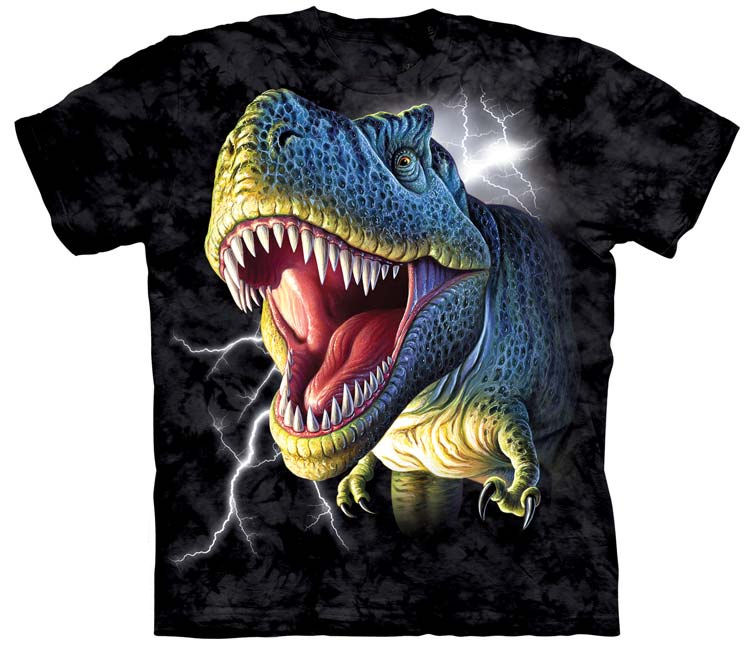
Cretaceous dinosaurs included notable species such as Tyrannosaurus rex and Triceratops. These dinosaurs exemplified the wide range of forms and sizes that characterized this period.
-
Tyrannosaurus rex: Known for its formidable size and strength, this predator dominated the Cretaceous landscape.
-
Triceratops: Its distinctive horns and frill made it a recognizable herbivore, reflecting the era’s evolutionary diversity.
This peak in diversity showcased the evolutionary success of dinosaurs and their ability to occupy various ecological niches.
Key Events Leading to Extinction
The Cretaceous period was marked by crucial events that ultimately led to the extinction of dinosaurs. Understanding these events provides insights into their sudden disappearance.
-
Asteroid Impact: A massive asteroid impact is believed to have caused dramatic environmental changes, contributing to the extinction event.
-
Volcanic Activity: Intense volcanic activity, particularly in the Deccan Traps, released gases that altered the climate.
-
Sea-Level Changes: Fluctuations in sea levels affected habitats and ecological dynamics, putting additional stress on dinosaur populations.
These events created a perfect storm of environmental stresses, culminating in the mass extinction that ended the reign of dinosaurs.
Theories of Dinosaur Extinction
The extinction of dinosaurs is a subject of ongoing scientific debate and research. Various theories have been proposed to explain this monumental event in Earth’s history.
Impact Hypothesis Analysis
The impact hypothesis is one of the most widely accepted theories regarding dinosaur extinction. It posits that a massive asteroid impact caused catastrophic environmental changes.
-
Chicxulub Crater: The discovery of this crater in the Yucatán Peninsula supports the theory of a significant impact event.
-
Environmental Aftermath: The impact would have caused fires, blocked sunlight, and led to drastic climate changes, affecting the global ecosystem.
-
Extinction Timeline: Evidence suggests that these changes rapidly led to the extinction of many species, including dinosaurs.
This theory provides a compelling explanation for the sudden disappearance of dinosaurs, backed by geological and fossil evidence. For more on dinosaur facts, explore the American Museum of Natural History’s resources.
Volcanic Activity Debate
Another theory attributes dinosaur extinction to extensive volcanic activity, particularly in the Deccan Traps region. This debate highlights the potential role of volcanic events in the extinction process.
-
Deccan Traps: The lava flows in this region are among the largest on Earth, releasing massive amounts of sulfur dioxide and carbon dioxide.
-
Climate Impact: These gases would have led to climate changes, including global cooling, acid rain, and ocean acidification.
-
Cumulative Effects: The combination of volcanic activity and other factors may have compounded environmental stresses, contributing to the extinction event.
This theory emphasizes the complex interplay of factors that led to the end of the dinosaur era, illustrating the challenges in pinpointing a single cause. For further reading on when dinosaurs lived, visit NHM.



Leave A Comment
You must be logged in to post a comment.