
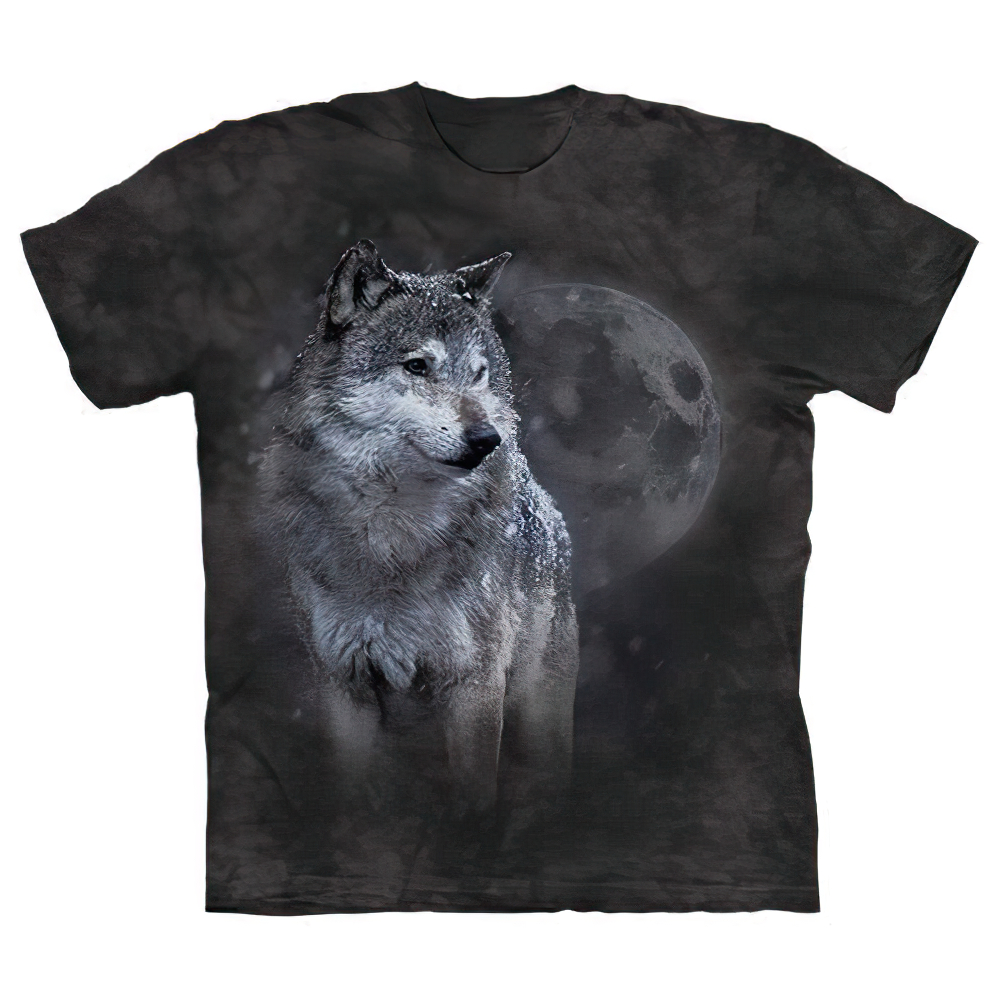
Are Wolves Endangered? Unraveling the Truth Behind Wolf Conservation and Protection Efforts
Wolves have long captured our imaginations, embodying the wild spirit of nature with their majestic presence and haunting howls. But are wolves endangered? This question is at the heart of ongoing discussions about wolf conservation and the crucial protection efforts underway to ensure their survival. We’re diving into the fascinating world of these iconic creatures to unravel the truth about their status as an endangered species and the impact their dwindling populations have on our ecosystems. As passionate animal lovers and eco-conscious advocates, we’re not just exploring the challenges these magnificent animals face; we’re also spotlighting the incredible strides being made to preserve wolf habitats and bolster wildlife preservation efforts. So, whether you’re rocking our eco-friendly, animal-themed t-shirts or simply curious about the environmental impact of wolves, join us on this journey to understand the importance of protecting wolves and their vibrant role in our natural world.
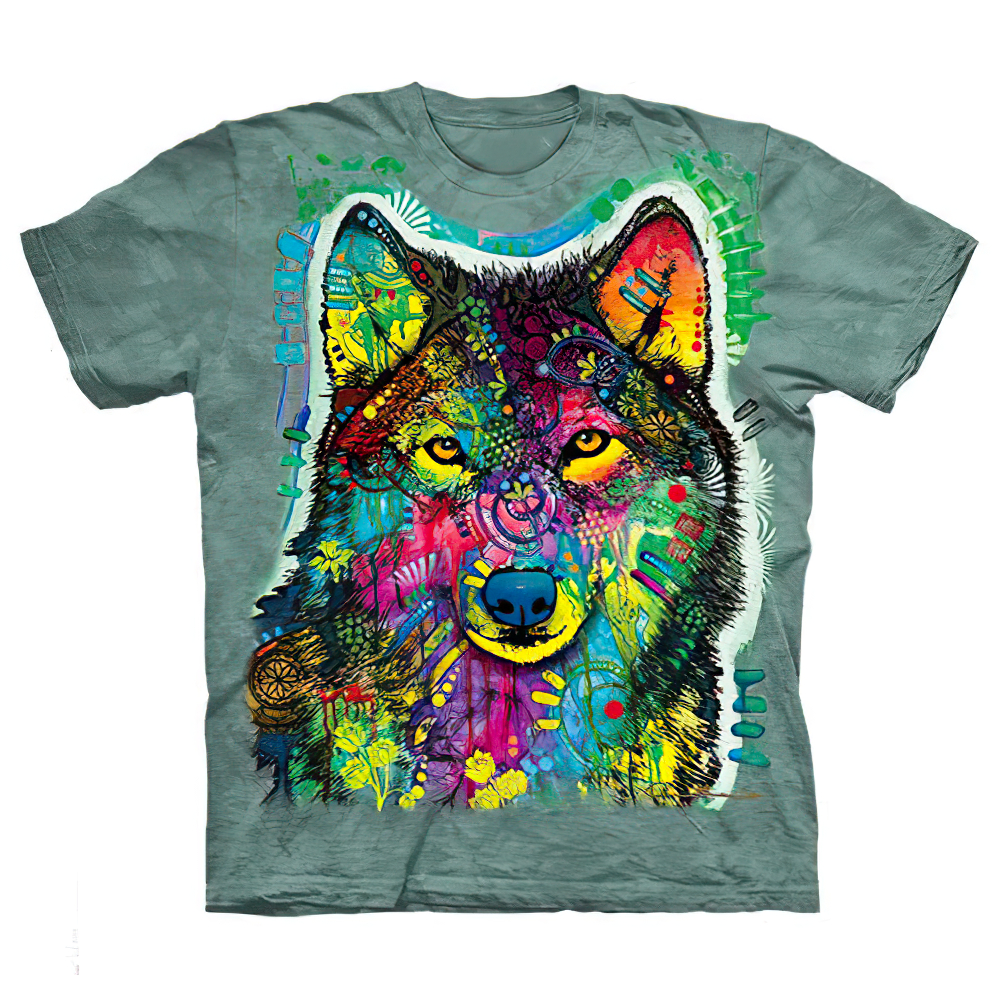
Understanding Wolf Conservation
Current Status of Wolf Population
Globally, the wolf population varies significantly, reflecting both regional conservation successes and ongoing challenges. In North America, gray wolves have seen a resurgence in certain areas due to dedicated wolf protection efforts. However, they remain endangered wolves in several regions due to habitat loss and human conflict. In Europe, wolf conservation has led to a gradual increase in numbers, with wolves recolonizing areas they once roamed freely. Despite these positive trends, many wolf populations are still threatened, highlighting the need for continued wildlife preservation. Meanwhile, in other parts of the world, such as Asia, wolves face severe pressures from expanding urban areas and poaching. Protecting wolves requires understanding these diverse challenges and the necessity of preserving their natural habitats. By supporting these efforts, we ensure wolves continue to play their vital role in maintaining healthy ecosystems and biodiversity.
Wolf Habitats and Their Challenges
Wolf habitats are essential to their survival, yet they face numerous challenges in the modern world. Wolves thrive in diverse environments, from dense forests and open tundra to arid deserts. However, human encroachment on these areas poses a serious threat. Urban expansion, deforestation, and agricultural development have fragmented their habitats, making it difficult for wolves to find food, establish territories, and maintain healthy populations. These disruptions also lead to increased human-wolf conflicts, often resulting in wolves being viewed as pests. Moreover, climate change impacts their habitats by altering prey availability and the landscape itself. Conserving wolf habitats is crucial for the health of the wolf population and the broader ecosystem. Efforts must focus on creating protected areas, promoting coexistence strategies, and restoring critical habitats. By understanding and addressing these challenges, we can support the long-term survival of wolves and maintain the ecological balance they help uphold.
Environmental Impact of Wolves
Wolves play a pivotal role in maintaining ecological balance, showcasing their importance beyond their captivating presence. As apex predators, they regulate the populations of herbivores like deer and elk, preventing overgrazing and encouraging vegetation growth. This, in turn, supports a diverse range of other species and fosters a healthier ecosystem. The environmental impact of wolves extends to improving riverine areas, as increased vegetation along streams and rivers reduces erosion and supports aquatic life. Additionally, wolves can influence the behavior of prey species, promoting natural movement patterns that contribute to habitat vitality. However, the decline in wolf population disrupts these natural processes, highlighting the critical need for wolf conservation. By protecting wolves, we safeguard the intricate web of life they support. Understanding their ecological role helps build appreciation for their presence in the wild and emphasizes the importance of ongoing wolf protection efforts to ensure a balanced and thriving natural world.

Protecting Wolves: Efforts and Challenges
Key Wolf Protection Efforts
Efforts to protect wolves are multifaceted, focusing on legal, ecological, and community-based strategies. Legally, wolves are often listed as an endangered species in regions where their numbers have dwindled, providing them with necessary protections and prohibiting hunting and habitat destruction. Organizations and governments actively engage in habitat restoration projects to ensure wolves have safe environments to roam and thrive. These projects often involve reforestation and the establishment of wildlife corridors that connect fragmented habitats. Community involvement plays a crucial role, too. Education and outreach programs aim to foster coexistence between humans and wolves, reducing conflict and promoting understanding. Conservation groups also work to fund scientific research, which informs adaptive management practices needed to sustain wolf populations. These combined efforts highlight a shared commitment to maintaining healthy ecosystems and acknowledging the vital role wolves play in nature. Through continued collaboration and innovation, we can strive to secure a future where wolves and humans coexist peacefully.
Addressing the Endangered Wolves Crisis
Addressing the crisis facing endangered wolves requires a strategic and comprehensive approach. Firstly, strengthening legal frameworks is essential to ensure that wolves receive the protection they need. This includes enforcing anti-poaching laws and expanding protected areas to secure vital habitats. Secondly, international cooperation can help standardize conservation practices across borders, ensuring a cohesive effort to protect wolf populations globally. Engaging local communities is equally important. By involving them in conservation efforts and providing education about the ecological benefits of wolves, we can reduce human-wolf conflicts and foster a culture of coexistence. Additionally, technological advancements like GPS tracking and wildlife cameras can enhance monitoring efforts, providing valuable data to guide conservation strategies. Finally, supporting conservation organizations through funding and advocacy helps sustain their vital work in protecting wolves. By prioritizing these strategies, we can address the endangered wolves crisis and work towards a future where these majestic creatures continue to enrich our natural landscapes.
Overcoming Conservation Challenges
Conserving wolves involves addressing various challenges that threaten their survival. One major hurdle is mitigating human-wolf conflicts, often arising from livestock predation. Innovative solutions like employing guard animals, using deterrents, and compensating ranchers for losses can reduce tensions. Additionally, habitat fragmentation remains a critical concern. Establishing wildlife corridors that connect isolated populations can enhance genetic diversity and population resilience. Climate change also poses a significant threat by altering ecosystems and prey availability. Adaptive management strategies that anticipate and respond to these changes are essential to ensure wolf habitats remain viable. Public perception and misinformation about wolves can hinder conservation efforts. Education campaigns that highlight the ecological benefits of wolves and promote coexistence are crucial in shifting attitudes. By fostering collaboration among governments, NGOs, and local communities, we can overcome these challenges and promote effective wolf conservation. Emphasizing sustainable practices and inclusive solutions will pave the way for a harmonious coexistence with these iconic animals.
The Future of Wolf Conservation
Innovations in Wildlife Preservation
Advancements in technology and innovative approaches are revolutionizing wildlife preservation, offering new hope for wolf conservation efforts. One significant innovation is the use of drones and remote sensing technology to monitor wolf populations and their habitats from afar, reducing human disturbance in sensitive areas. Genetic research is also playing a crucial role, helping conservationists understand the genetic diversity within wolf populations and identify the best strategies for breeding programs. Additionally, artificial intelligence is being harnessed to analyze vast amounts of ecological data, predicting trends and outcomes that inform better conservation strategies. Community-based conservation programs are incorporating traditional knowledge with modern science, fostering sustainable practices that benefit both wolves and local communities. Furthermore, virtual reality and digital platforms are raising global awareness about the importance of wolves in ecosystems, engaging a broader audience in conservation efforts. These innovations are crucial for adapting to the challenges of the modern world and ensuring a thriving future for endangered wolves.
Collaborations for Endangered Species Protection
Collaborative efforts are essential for the effective protection of endangered species like wolves. Partnerships between governments, non-governmental organizations, indigenous communities, and the private sector create a unified front in conservation efforts. Such collaborations facilitate the sharing of resources, knowledge, and strategies, making it possible to address complex challenges more efficiently. For instance, cross-border initiatives are vital for species like wolves that roam vast territories, ensuring that conservation measures are consistent and effective across different regions. Engaging local communities by integrating traditional ecological knowledge with scientific research enhances conservation strategies and fosters a sense of shared responsibility. Additionally, collaborations with businesses, particularly in sustainable tourism and eco-friendly product sectors, can generate economic incentives that support conservation efforts. By aligning conservation goals with broader environmental and social objectives, these partnerships create synergistic outcomes that benefit both wildlife and human communities. Through continued collaboration, we can build a sustainable future for endangered species and the ecosystems they inhabit.
Inspiring Stories of Wolf Conservation Success
Several inspiring stories highlight the success of wolf conservation efforts, demonstrating what’s possible when dedication and collaboration converge. One notable example is the reintroduction of gray wolves to Yellowstone National Park in the mid-1990s. This initiative not only revived the local wolf population but also led to remarkable ecological changes. The presence of wolves helped control the elk population, allowing vegetation and tree species to recover, which in turn supported a wider range of wildlife and improved the health of river ecosystems. Another success story comes from Europe, where conservation efforts have led to the recolonization of wolves in countries like Germany and France after centuries of absence. These efforts often involve cross-border cooperation, strict legal protections, and public education campaigns to reduce human-wolf conflicts. These stories underscore the resilience of wolves and the positive impact of well-coordinated conservation strategies, inspiring continued commitment to safeguarding these majestic creatures and their habitats.
Enjoy some interesting animal facts below!

Best Animal T-Shirts for Men Who Love Wildlife
Best Animal T-Shirts for Men Who Love Wildlife Most animal t-shirts blend into the background, leaving your love for wildlife unnoticed. You want shirts that speak louder than words, showcasing majestic lions, soaring eagles, and vibrant marine life with style. This guide highlights the best animal t-shirts for men, combining bold graphics with comfort and […]

Best Tiger Shirts for Tiger Lovers
Best Tiger Shirts for Tiger Lovers Tiger shirts often miss the mark, leaving fans with dull prints that don’t capture the wild spirit of these majestic cats. If you’ve been hunting for the best tiger apparel that blends bold artistry with comfort, your search ends here. This post highlights tiger print t-shirts and stylish tiger […]

Best Bird Shirts for Bird Lovers
Best Bird Shirts for Bird Lovers Bird shirts aren’t just for casual wear anymore—they’ve become a statement for anyone who loves the colors and charm of feathered friends. If you want bird lover apparel that stands out, you’ll want to see the styles blending art and nature in fresh ways. This post highlights bird-themed t-shirts […]

Best Eagle Shirts for Eagle Lovers
Best Eagle Shirts for Eagle Lovers Eagle shirts don’t have to be ordinary. If you want to wear your passion for these powerful birds with style, the options out there can surprise you. From bold graphic eagle tees to subtle nature inspired clothing, the right eagle apparel makes a statement without sacrificing comfort. Keep reading […]

Best Bear Shirts for Wildlife Lovers
Best Bear Shirts for Wildlife Lovers Most bear shirts out there miss the mark between style and comfort. You want wildlife clothing that feels as good as it looks and truly captures the spirit of these powerful creatures. In this post, you’ll find bear graphic tees that balance charming artwork with bold designs, perfect for […]

Best Animal Shirts for Nature Lovers
Best Animal Shirts for Nature Lovers Forget plain tees that don’t say much about who you are. If you love the wild, your wardrobe should shout it loud and clear with the best animal shirts out there. These nature lover apparel pieces mix eye-catching wildlife graphic tees with comfort and style, perfect for anyone who […]
Follow us on Social Media
Instagram – YouTube – Pinterest – Twitter – Facebook
Alligators – Aquatic – Bears – Big Cats – Birds – Buffalo – Cats – Deer – Dinosaurs – Dogs – Dragons – Eagles – Elephants – Elk – Frogs – Gecko – Giraffes – Horses – Kittens – Moose – Pandas – Snakes – Tigers – Unicorns – Wolves – Cat Shirts – Celtic – Dog Shirts – Dolphins – Dragons – Eagles – Fairies – Horse Shirts – Misc – Native American Indians – Patriotic – Peace – Primates – Religion – Scary – Sci Fi – Skeletons – Tie Dye – Tigers – Wolf Shirts
Interesting Animal Facts and Information
Bald Eagles – Cheetahs – Dolphins – Dinosaurs – Tigers – Lions – Cats – Dogs




Leave A Comment
You must be logged in to post a comment.