
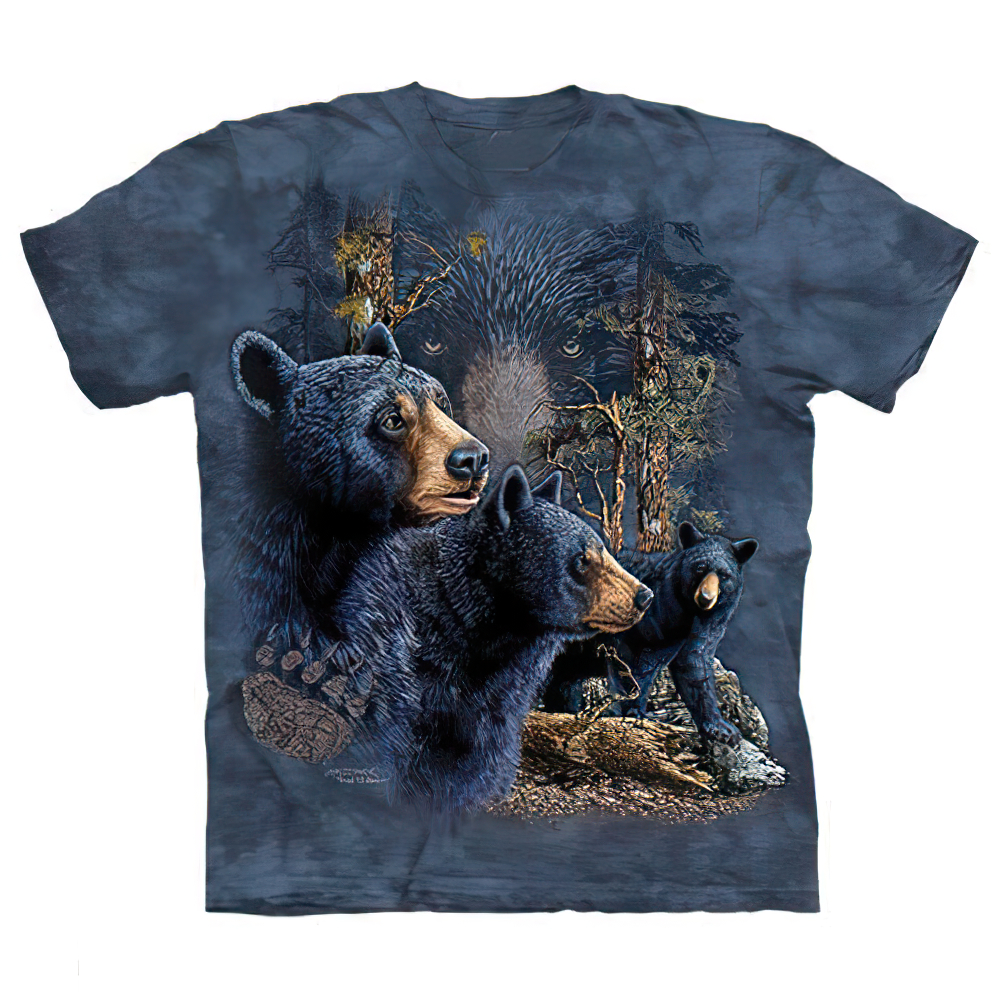
Why Do Bears Stand Up? Discovering the Fascinating World of Bear Behavior
Have you ever wondered why bears stand up? It’s a fascinating aspect of bear behavior that sparks curiosity among wildlife enthusiasts and nature lovers alike. When you see bears standing upright, they’re not just trying to get a better view of their surroundings or show off their impressive size—there’s a lot more to the nature of bears than meets the eye. In the world of wildlife behavior, understanding these majestic creatures can deepen our appreciation for them and inspire us to advocate for their protection. So, let’s dive into the intriguing reasons behind this behavior, and while we’re at it, discover how embracing eco-friendly fashion, like our animal-themed t-shirts made from sustainable materials, can help make a positive impact on the world we share with these amazing animals.
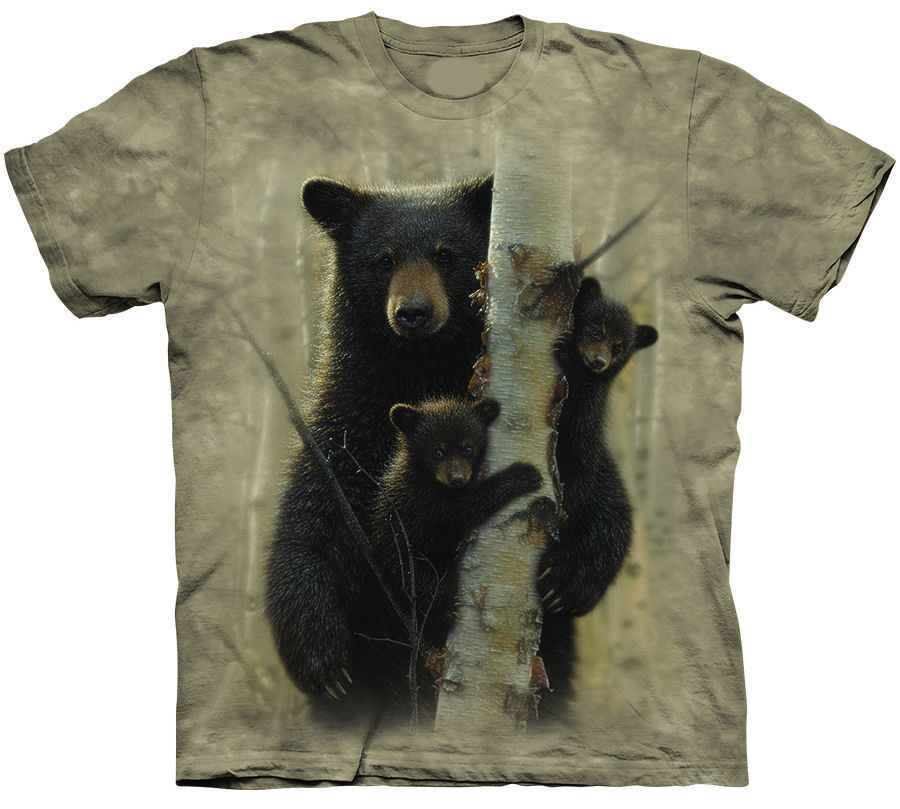
Understanding Bear Behavior
Why Do Bears Stand Up?
When bears stand up, it’s not just a display of power—it’s a strategic move in their behavioral repertoire. One reason bears stand upright is to get a better view of their surroundings. This behavior helps them spot potential threats or food sources from a distance. Standing up also aids in sniffing the air for scents, as bears have an extraordinary sense of smell. Additionally, bears may rise on their hind legs to communicate with other bears, often using body language to express dominance or curiosity. Understanding why bears stand up gives us insight into the nature of bears and their survival tactics. By observing these behaviors, we can better appreciate the complexity of wildlife behavior and how these magnificent animals interact with their environment. This knowledge not only enriches our understanding but also emphasizes the importance of conservation efforts.
Communication in the Bear World
Communication among bears is a fascinating aspect of bear behavior that goes beyond vocalizations. Bears utilize a mix of vocal sounds, body language, and scent marking to express themselves and relay information. Grunts, growls, and roars can indicate mood or intention, while body language, like standing upright or pawing the ground, often conveys dominance or submission. Scent marking is another crucial communication tool, allowing bears to establish territory and identify one another. They rub their bodies against trees or leave scent trails to communicate their presence to other bears. This complex communication system helps bears navigate social structures, avoid conflicts, and find mates. Understanding these interactions provides valuable insights into the nature of bears and highlights the sophisticated ways they interact with their environment. This deeper understanding underscores the importance of protecting their habitats, ensuring these communication channels remain intact for future generations.
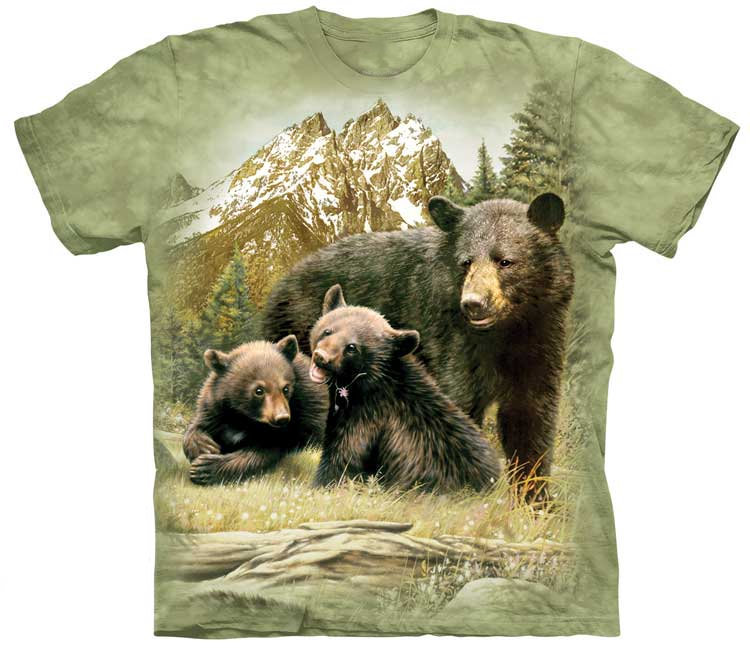
Curiosity and Exploration
Curiosity drives much of the exploratory behavior seen in bears. This trait is crucial for survival, as it helps bears find food, discover new habitats, and learn about their environment. When bears stand upright, it often signals their inquisitive nature. By elevating themselves, bears can better investigate unfamiliar sights and sounds, gaining a clearer perspective on their immediate surroundings. This behavior is particularly evident in younger bears, who, like children, are eager to explore and learn. Their curiosity leads them into various environments, from dense forests to open meadows, as they search for food and shelter. This exploratory nature not only fosters adaptability but also showcases the intelligence inherent in bear behavior. By observing these actions, we gain insight into the nature of bears and their ability to thrive in diverse conditions. Recognizing their curiosity reinforces the need to conserve their habitats, ensuring these magnificent creatures continue to flourish.
The Nature of Bears
Bears Standing Upright: A Closer Look
Bears standing upright is a captivating spectacle that offers deeper insights into bear behavior. This posture, often accompanied by a keen gaze or sniffing, serves multiple purposes. Primarily, standing on two legs gives bears a height advantage, allowing them to survey their environment more effectively. This is particularly useful for detecting danger or locating food. Beyond practical reasons, standing can also be a part of social interaction. Bears might rise to assert dominance or to appear more intimidating when faced with potential threats. This behavior showcases their adaptability and intelligence, allowing them to effectively navigate their complex world. Observing bears in this stance provides a glimpse into the nature of bears, revealing their ability to adapt and thrive. By understanding these behaviors, we can better appreciate the intricate dynamics of wildlife behavior and the critical role these animals play in their ecosystems. This awareness emphasizes the need for their conservation.
Adaptation and Survival Tactics
Bears are masters of adaptation, showcasing a range of behaviors that aid their survival in diverse environments. Their ability to stand upright is just one aspect of their adaptive toolkit. This versatile posture allows bears to gather crucial information about their surroundings, enhancing their situational awareness. Beyond standing, bears have evolved various survival tactics, such as hibernation, to endure harsh winters with scarce food. Their impressive memory helps them remember food sources and navigate vast territories effectively. Additionally, bears’ strong swimming abilities allow them to cross rivers and access remote areas, expanding their habitat range. These survival tactics highlight the resilience and intelligence that define the nature of bears. By studying these behaviors, we gain a better understanding of wildlife behavior and the intricate strategies bears use to thrive. This knowledge is vital for conservation efforts, ensuring these remarkable animals continue to succeed in their natural habitats amidst environmental changes.
Wildlife Behavior and Human Connection
How Bears Communicate with Us
Bears communicate with humans in subtle yet powerful ways, often through their behavior and presence. Observing bears in their natural habitat offers insights into their needs and challenges, providing a direct line of communication regarding the state of the environment. When bears venture into human-populated areas, it often signals changes in their natural habitat, such as dwindling food sources or habitat loss. These encounters prompt us to consider the impact of our actions on wildlife. Moreover, bears serve as ambassadors for conservation, inspiring people to advocate for the preservation of natural spaces. Educational programs and wildlife documentaries featuring bears further bridge the gap, fostering appreciation and empathy for these majestic creatures. This connection with bears encourages responsible environmental stewardship, highlighting the importance of coexistence. Understanding wildlife behavior enriches our bond with nature, reminding us of our role in protecting the intricate ecosystems we share with bears and other wildlife.
Lessons from the Wild
Observing wildlife behavior, particularly that of bears, offers profound lessons for humans. Bears teach us about resilience, adaptability, and the importance of living harmoniously with nature. Their survival tactics, such as hibernation and resourcefulness, highlight the value of preparation and adaptation in the face of change. Furthermore, bears illustrate the significance of balance within ecosystems. Their presence affects the populations of other species, maintaining ecological equilibrium. This interconnectedness serves as a reminder of our own impact on the environment and the importance of sustainable living. Bears also inspire us to be curious and explore, encouraging a deeper appreciation for the natural world. By learning from bears and other wildlife, we gain insights into leading more sustainable and mindful lives. This understanding can guide us in protecting our planet, ensuring that future generations inherit a world where humans and wildlife coexist peacefully, respecting the intricate balance of nature.
Enjoy some interesting animal facts below!

Best Animal T-Shirts for Men Who Love Wildlife
Best Animal T-Shirts for Men Who Love Wildlife Most animal t-shirts blend into the background, leaving your love for wildlife unnoticed. You want shirts that speak louder than words, showcasing majestic lions, soaring eagles, and vibrant marine life with style. This guide highlights the best animal t-shirts for men, combining bold graphics with comfort and […]

Best Tiger Shirts for Tiger Lovers
Best Tiger Shirts for Tiger Lovers Tiger shirts often miss the mark, leaving fans with dull prints that don’t capture the wild spirit of these majestic cats. If you’ve been hunting for the best tiger apparel that blends bold artistry with comfort, your search ends here. This post highlights tiger print t-shirts and stylish tiger […]

Best Bird Shirts for Bird Lovers
Best Bird Shirts for Bird Lovers Bird shirts aren’t just for casual wear anymore—they’ve become a statement for anyone who loves the colors and charm of feathered friends. If you want bird lover apparel that stands out, you’ll want to see the styles blending art and nature in fresh ways. This post highlights bird-themed t-shirts […]

Best Eagle Shirts for Eagle Lovers
Best Eagle Shirts for Eagle Lovers Eagle shirts don’t have to be ordinary. If you want to wear your passion for these powerful birds with style, the options out there can surprise you. From bold graphic eagle tees to subtle nature inspired clothing, the right eagle apparel makes a statement without sacrificing comfort. Keep reading […]

Best Bear Shirts for Wildlife Lovers
Best Bear Shirts for Wildlife Lovers Most bear shirts out there miss the mark between style and comfort. You want wildlife clothing that feels as good as it looks and truly captures the spirit of these powerful creatures. In this post, you’ll find bear graphic tees that balance charming artwork with bold designs, perfect for […]

Best Animal Shirts for Nature Lovers
Best Animal Shirts for Nature Lovers Forget plain tees that don’t say much about who you are. If you love the wild, your wardrobe should shout it loud and clear with the best animal shirts out there. These nature lover apparel pieces mix eye-catching wildlife graphic tees with comfort and style, perfect for anyone who […]
Follow us on Social Media
Instagram – YouTube – Pinterest – Twitter – Facebook
Alligators – Aquatic – Bears – Big Cats – Birds – Buffalo – Cats – Deer – Dinosaurs – Dogs – Dragons – Eagles – Elephants – Elk – Frogs – Gecko – Giraffes – Horses – Kittens – Moose – Pandas – Snakes – Tigers – Unicorns – Wolves – Cat Shirts – Celtic – Dog Shirts – Dolphins – Dragons – Eagles – Fairies – Horse Shirts – Misc – Native American Indians – Patriotic – Peace – Primates – Religion – Scary – Sci Fi – Skeletons – Tie Dye – Tigers – Wolf Shirts
Interesting Animal Facts and Information
Bald Eagles – Cheetahs – Dolphins – Dinosaurs – Tigers – Lions – Cats – Dogs



Leave A Comment
You must be logged in to post a comment.