
Are Bears Endangered? A Deep Dive into Bear Conservation and Why It Matters
Bears, those majestic creatures that roam the forests and mountains, are captivating symbols of the wild, but are they in danger of becoming just a memory? While not all bear species are endangered, several face significant threats due to habitat loss and illegal hunting. Bear conservation is crucial not only for maintaining biodiversity but also for ensuring the health of our ecosystems. In this piece, we’ll explore what being listed as endangered means for these magnificent animals and how wildlife protection efforts are stepping up to preserve their natural habitats. Whether you’re a passionate animal lover or just curious about how you can help, join us in uncovering the importance of habitat preservation and the role it plays in preventing these incredible creatures from joining the ranks of endangered species.

Understanding Bear Endangerment
Are Bears Endangered Species?
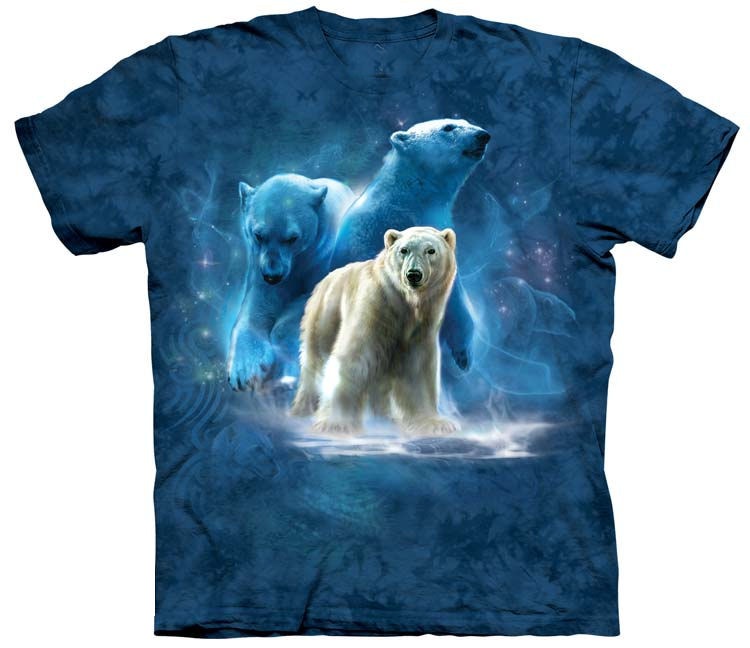
The answer to whether bears are endangered species isn’t a simple yes or no. It depends on the species. For instance, the giant panda and the polar bear face significant threats and have been classified as vulnerable, teetering on the edge of being endangered. Habitat loss, climate change, and illegal poaching are key factors driving these species towards danger. On the other hand, species like the American black bear have stable populations. However, even these species aren’t entirely safe from the adverse effects of habitat destruction and hunting. Understanding the specific threats each bear species faces is vital. This knowledge helps direct conservation efforts where they’re most needed. By focusing on the particular risks to each species, wildlife protection initiatives can be more effective in their mission to safeguard these incredible creatures and ensure they remain a vital part of our planet’s biodiversity.
Factors Threatening Bear Populations
Bear populations face several threats that put them at risk. One of the most pressing issues is habitat loss. As forests are cleared for agriculture, urban development, and mining, bears lose their natural homes and the resources they need to survive. This displacement forces them into human-populated areas, leading to increased conflicts and fatalities. Illegal hunting and poaching for their pelts, claws, and even bile used in traditional medicine also contribute to dwindling numbers in certain regions. Furthermore, climate change exacerbates these challenges by altering ecosystems and food availability. For example, warming temperatures impact polar bears’ hunting grounds, reducing their access to seals, their primary food source. These overlapping issues create a complex web of challenges that require coordinated conservation efforts. Understanding these factors is crucial for developing effective bear conservation strategies that can mitigate these risks and help protect these magnificent creatures for future generations.
The Role of Habitat Preservation
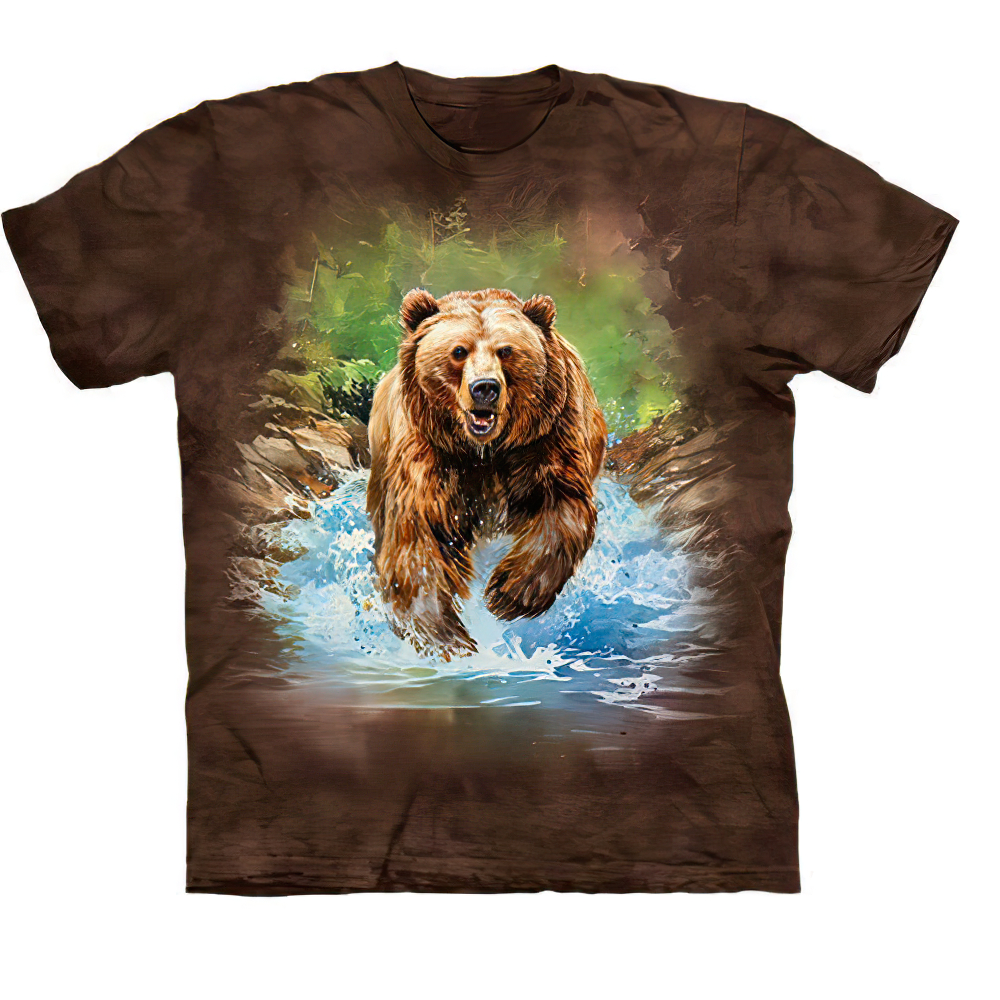
Habitat preservation plays a pivotal role in bear conservation efforts. Preserving natural habitats ensures that bears have access to the resources they need, such as food, water, and shelter. Protected areas, like national parks and wildlife reserves, offer safe havens where bears can thrive without the threat of human encroachment. These areas also help maintain biodiversity by supporting entire ecosystems. Beyond protecting existing habitats, restoration efforts are essential in areas where bears have been displaced. Reforestation and the creation of wildlife corridors reconnect fragmented habitats, allowing bears to roam freely and safely. Additionally, habitat preservation helps mitigate human-bear conflicts by reducing the likelihood of bears entering human settlements in search of food. By prioritizing habitat preservation, we not only safeguard the future of bear populations but also contribute to the overall health of our planet’s ecosystems, ensuring these majestic animals continue to be an integral part of the wild.
Efforts in Bear Conservation
Wildlife Protection Initiatives
Wildlife protection initiatives are at the forefront of bear conservation efforts. Organizations and governments worldwide collaborate to implement strategies that combat threats to bear populations. These initiatives often include anti-poaching laws, stricter enforcement of wildlife trade regulations, and community education programs. By raising awareness about the importance of bears and the challenges they face, these programs encourage local communities to participate in conservation efforts. Moreover, some organizations focus on research and monitoring, collecting data on bear habits and populations to inform conservation strategies. This information is crucial for tailoring efforts to the specific needs of each species. Additionally, wildlife corridors are established to connect fragmented habitats, allowing for safe passage and genetic diversity. These initiatives, whether local or global, aim to create a sustainable future for bears by balancing human development with the preservation of natural ecosystems. Through continued support and innovation, these efforts strive to ensure that bears remain a thriving part of our world.
Success Stories in Bear Conservation
There are several inspiring success stories in bear conservation that highlight the positive impact of dedicated efforts. One notable example is the rebound of the giant panda population. Once on the brink of extinction, giant pandas have seen a significant recovery thanks to China’s extensive conservation programs, which included habitat preservation, breeding initiatives, and reforestation efforts. As a result, the giant panda’s status has been downgraded from “endangered” to “vulnerable.” Another success story is the resurgence of the American black bear in regions where they were previously scarce. Effective management practices, such as regulated hunting and habitat protection, have contributed to their population growth. These stories exemplify how targeted conservation efforts can yield tangible results, restoring balance to ecosystems and ensuring the survival of these species. They serve as a reminder of the impact and importance of continued commitment to wildlife protection, offering hope and motivation for future conservation endeavors.

Challenges Facing Conservationists
Conservationists face several challenges in their efforts to protect bear populations. One major hurdle is securing adequate funding. Conservation projects often require significant resources for research, habitat restoration, and enforcement of protective laws, making financial support crucial. Additionally, balancing human interests with wildlife protection is complex. As human populations expand, so do agriculture, urbanization, and infrastructure, leading to habitat encroachment and increased human-bear conflict. Navigating these competing interests requires careful planning and collaboration with local communities. Climate change adds another layer of complexity, altering habitats and food availability, which directly affects bear survival. Conservationists must adapt strategies to these changing conditions, often with limited data on species’ responses. Despite these challenges, conservationists remain steadfast, employing innovative solutions and forging partnerships to overcome obstacles. By raising awareness and engaging various stakeholders, they aim to create sustainable coexistence between humans and bears, ensuring these majestic creatures continue to flourish in the wild.
Why Bear Conservation Matters
Importance of Protecting Endangered Animals
Protecting endangered animals, including bears, is critical for maintaining ecological balance. These species often play key roles in their ecosystems, such as being apex predators or keystone species, which help regulate population dynamics and maintain biodiversity. Losing them can lead to cascading effects that disrupt food webs and affect other species. Moreover, bears and other endangered animals are part of our natural heritage, contributing to cultural, aesthetic, and scientific values. Their presence in the wild offers opportunities for education, ecotourism, and inspiration, fostering a deeper connection between people and nature. Protecting these animals also signifies a broader commitment to environmental stewardship, highlighting the interconnectedness of all living things. By conserving endangered species, we ensure the resilience and health of the ecosystems upon which we all depend. This commitment to preservation not only benefits wildlife but also enhances the quality of life for future generations, promoting a sustainable coexistence with nature.
Impact on Ecosystems and Biodiversity
Bears play a significant role in maintaining healthy ecosystems and promoting biodiversity. As apex predators, they help control the populations of other species, preventing overpopulation and ensuring balanced ecosystems. For instance, by preying on ungulates like deer and moose, bears help manage these populations, which in turn supports plant regeneration and forest health by reducing overgrazing. Additionally, bears act as seed dispersers, spreading seeds through their scat and promoting forest diversity. In regions where bears feed on salmon, they inadvertently enrich the soil with nutrients from fish remains, benefiting plant growth and supporting a wide array of wildlife. The presence of bears in an ecosystem can indicate its overall health, serving as a crucial measure for conservationists. By focusing on bear conservation, we support not only the survival of these magnificent creatures but also the intricate web of life that depends on their existence, fostering a thriving natural environment.
Supporting Sustainable and Eco-friendly Practices
Supporting sustainable and eco-friendly practices is integral to bear conservation and environmental protection. These practices help reduce human impact on natural habitats, ensuring that bears and other wildlife have the resources they need to thrive. For example, sustainable forestry and agriculture minimize deforestation, preserving vital habitats for bears. Eco-friendly products and lifestyles also reduce pollution and greenhouse gas emissions, mitigating climate change’s adverse effects on ecosystems. By choosing products made from sustainable materials and supporting companies with green initiatives, consumers can drive demand for environmentally responsible practices. Conservation efforts benefit from this support, as reduced environmental impact allows for more effective wildlife protection. Furthermore, adopting eco-friendly practices fosters a culture of sustainability and respect for nature, encouraging others to consider their environmental footprint. This collective effort contributes to a healthier planet, ensuring that future generations inherit a world where bears and diverse wildlife continue to flourish, highlighting the interconnectedness of our global ecosystem.
Enjoy some interesting animal facts below!

Best Animal T-Shirts for Men Who Love Wildlife
Best Animal T-Shirts for Men Who Love Wildlife Most animal t-shirts blend into the background, leaving your love for wildlife unnoticed. You want shirts that speak louder than words, showcasing majestic lions, soaring eagles, and vibrant marine life with style. This guide highlights the best animal t-shirts for men, combining bold graphics with comfort and […]

Best Tiger Shirts for Tiger Lovers
Best Tiger Shirts for Tiger Lovers Tiger shirts often miss the mark, leaving fans with dull prints that don’t capture the wild spirit of these majestic cats. If you’ve been hunting for the best tiger apparel that blends bold artistry with comfort, your search ends here. This post highlights tiger print t-shirts and stylish tiger […]

Best Bird Shirts for Bird Lovers
Best Bird Shirts for Bird Lovers Bird shirts aren’t just for casual wear anymore—they’ve become a statement for anyone who loves the colors and charm of feathered friends. If you want bird lover apparel that stands out, you’ll want to see the styles blending art and nature in fresh ways. This post highlights bird-themed t-shirts […]

Best Eagle Shirts for Eagle Lovers
Best Eagle Shirts for Eagle Lovers Eagle shirts don’t have to be ordinary. If you want to wear your passion for these powerful birds with style, the options out there can surprise you. From bold graphic eagle tees to subtle nature inspired clothing, the right eagle apparel makes a statement without sacrificing comfort. Keep reading […]

Best Bear Shirts for Wildlife Lovers
Best Bear Shirts for Wildlife Lovers Most bear shirts out there miss the mark between style and comfort. You want wildlife clothing that feels as good as it looks and truly captures the spirit of these powerful creatures. In this post, you’ll find bear graphic tees that balance charming artwork with bold designs, perfect for […]

Best Animal Shirts for Nature Lovers
Best Animal Shirts for Nature Lovers Forget plain tees that don’t say much about who you are. If you love the wild, your wardrobe should shout it loud and clear with the best animal shirts out there. These nature lover apparel pieces mix eye-catching wildlife graphic tees with comfort and style, perfect for anyone who […]
Follow us on Social Media
Instagram – YouTube – Pinterest – Twitter – Facebook
Alligators – Aquatic – Bears – Big Cats – Birds – Buffalo – Cats – Deer – Dinosaurs – Dogs – Dragons – Eagles – Elephants – Elk – Frogs – Gecko – Giraffes – Horses – Kittens – Moose – Pandas – Snakes – Tigers – Unicorns – Wolves – Cat Shirts – Celtic – Dog Shirts – Dolphins – Dragons – Eagles – Fairies – Horse Shirts – Misc – Native American Indians – Patriotic – Peace – Primates – Religion – Scary – Sci Fi – Skeletons – Tie Dye – Tigers – Wolf Shirts
Interesting Animal Facts and Information
Bald Eagles – Cheetahs – Dolphins – Dinosaurs – Tigers – Lions – Cats – Dogs




Leave A Comment
You must be logged in to post a comment.