
Inside the Cheetah’s Kitchen: Understanding the Cheetah Diet and Predatory Behavior
The cheetah, renowned for its unmatched speed and agility, has a diet as fascinating as its predatory prowess. Understanding the cheetah diet provides crucial insights into their survival strategies and ecological role. So, what do cheetahs eat? As obligate carnivores, their food habits primarily revolve around hunting small to medium-sized ungulates, such as gazelles and impalas. This carnivore diet is pivotal to maintaining their energy levels, crucial for their explosive speed bursts. Join us as we delve into the cheetah’s kitchen, exploring the intricacies of wildlife nutrition and unveiling the secrets behind their predatory behavior.
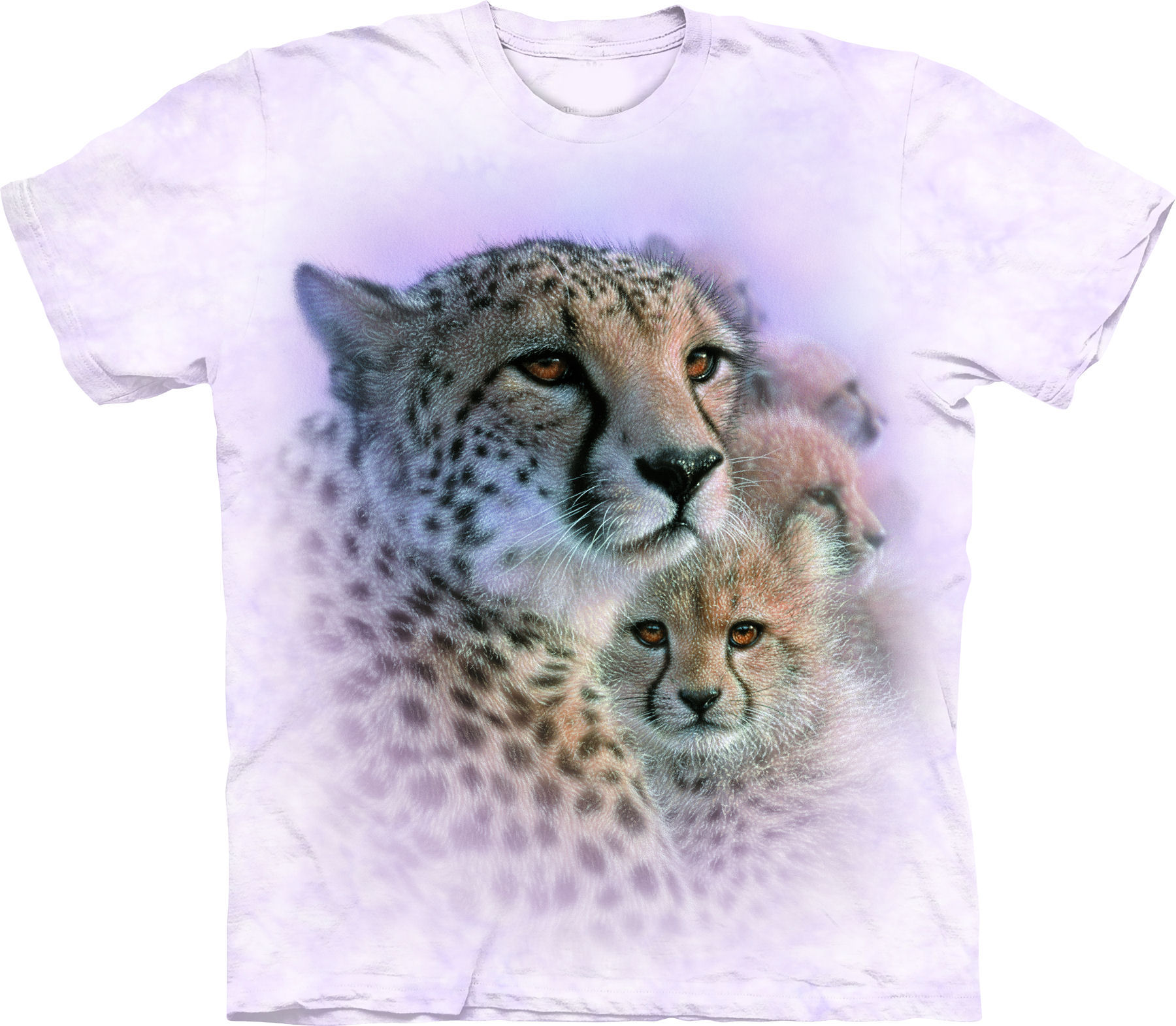
The Cheetah Diet Unveiled
What Do Cheetahs Eat?
Cheetahs primarily feed on small to medium-sized ungulates. Gazelles and impalas are staples in their diet, offering the necessary nutrients to sustain their energy-intensive lifestyle. This focus on ungulates is due to their abundance in the cheetah’s natural habitat and their manageable size, which suits the cheetah’s hunting method.
Occasionally, cheetahs might hunt smaller animals like hares or birds, especially when the preferred prey is scarce. The cheetah diet reflects their reliance on speed and stealth, requiring prey that can be caught quickly. Moreover, the cheetah’s food habits ensure they consume fresh meat, which is crucial for their health. Understanding what cheetahs eat helps in grasping their role in the ecosystem and the challenges they face from habitat loss and competition with larger predators. This knowledge is vital for conservation efforts focusing on preserving these majestic creatures.
Cheetah Food Habits
Cheetahs have distinct food habits shaped by their physical adaptations and ecological niche. As solitary hunters, they often hunt during the cooler parts of the day—early morning or late afternoon—to avoid competition and conserve energy. Their hunting strategy involves stalking prey until they are within striking distance, followed by a high-speed chase. This results in a brief but intense burst of energy expenditure, which their carnivore diet supports by replenishing vital nutrients.
Once a cheetah makes a successful kill, it eats quickly to avoid interference from larger predators like lions or hyenas. This urgency in their eating habits reflects their vulnerability despite being apex predators. The cheetah’s food habits also emphasize the importance of fresh meat consumption, ensuring they obtain the necessary proteins and fats for their energy-demanding lifestyle. Understanding these habits is crucial for conservationists working to ensure the sustainability of wildlife nutrition in the cheetah’s habitat.
Importance of Wildlife Nutrition
Wildlife nutrition plays a crucial role in the survival and health of cheetahs. Adequate nutrition supports their remarkable speed and stamina, which are essential for hunting. A balanced carnivore diet ensures that cheetahs receive the essential nutrients needed to maintain muscle mass and energy levels. This is vital for their success as predators and their ability to compete with other carnivores in their ecosystem.
The nutritional needs of cheetahs highlight the importance of biodiversity in their habitat. A healthy population of prey species means more opportunities for cheetahs to hunt and feed adequately. Conversely, a decline in prey can lead to nutritional stress, affecting their health and reproduction.
For conservationists, understanding wildlife nutrition is key to developing strategies that support sustainable ecosystems. This involves not only protecting cheetahs but also ensuring the availability of their prey and preserving their natural environments. Effective conservation efforts can help maintain the delicate balance necessary for cheetah populations to thrive.
Understanding Predatory Behavior
Hunting Techniques
Cheetahs are renowned for their unique hunting techniques that capitalize on their speed and agility. Unlike other big cats that rely on strength, cheetahs use their exceptional acceleration to chase down prey. The process begins with a stealthy stalk, as they inch closer to their target. Using their spotted coats as camouflage, they minimize the distance before initiating a chase.
Once in pursuit, a cheetah can reach speeds up to 60-70 miles per hour within seconds, making it the fastest land animal. This burst of speed is maintained for a short distance, typically 200-300 yards, as high-speed chases are energetically taxing.
The cheetah’s tail acts as a rudder, helping maintain balance and direction during the chase. After tripping or catching the prey with a swipe of its paw, the cheetah swiftly suffocates it. Understanding these hunting techniques is essential for comprehending their predatory behavior and the physical demands placed on their bodies.
Prey Selection
Prey selection is a critical aspect of the cheetah’s predatory behavior. Cheetahs prefer small to medium-sized ungulates, such as gazelles and impalas, which are abundant in their natural habitats. These animals are ideal due to their manageable size and the cheetah’s specialized hunting style, which involves high-speed chases rather than brute force.
When selecting prey, cheetahs often target individuals that show signs of vulnerability, such as juveniles or those separated from the herd. This increases their chances of a successful hunt with minimal energy expenditure. Additionally, by focusing on specific prey types, cheetahs can effectively utilize their speed and agility while minimizing the risk of injury.
In areas where their preferred prey is less available, cheetahs may adapt by hunting smaller animals like hares or birds. Understanding prey selection helps researchers and conservationists assess the ecological needs of cheetahs and develop strategies to support their natural hunting grounds and prey availability.
Survival Strategies
Cheetahs employ various survival strategies to maintain their status as apex predators in the wild. Despite their speed, they must navigate the dangers of their environment, where competition and threats from larger predators like lions and hyenas are constant. To mitigate these challenges, cheetahs rely on a combination of stealth, speed, and strategic hunting.
One key strategy is their preference for hunting during cooler parts of the day, such as dawn and dusk, which minimizes encounters with other predators. Additionally, cheetahs often hunt in open areas where their speed gives them an advantage and where they can easily spot potential threats.
After making a kill, cheetahs eat quickly to avoid losing their meal to scavengers. They typically drag their prey to a secluded spot to consume it with less risk of detection. These strategies are vital for their survival, ensuring they can continue to thrive and reproduce in their natural habitat despite the challenges they face.
Enjoy some interesting animal facts below!
Best Animal T-Shirts for Men Who Love Wildlife
Best Animal T-Shirts for Men Who Love Wildlife Most animal t-shirts blend into the background, leaving your love for wildlife unnoticed. You want shirts that speak louder than words, showcasing majestic lions, soaring eagles, and vibrant marine life with style. This guide highlights the best animal t-shirts for men, combining bold graphics with comfort and […]
Best Tiger Shirts for Tiger Lovers
Best Tiger Shirts for Tiger Lovers Tiger shirts often miss the mark, leaving fans with dull prints that don’t capture the wild spirit of these majestic cats. If you’ve been hunting for the best tiger apparel that blends bold artistry with comfort, your search ends here. This post highlights tiger print t-shirts and stylish tiger […]
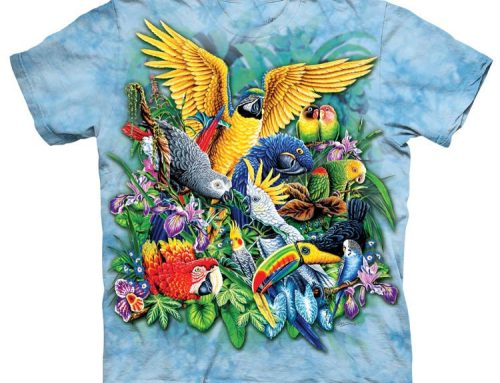
Best Bird Shirts for Bird Lovers
Best Bird Shirts for Bird Lovers Bird shirts aren’t just for casual wear anymore—they’ve become a statement for anyone who loves the colors and charm of feathered friends. If you want bird lover apparel that stands out, you’ll want to see the styles blending art and nature in fresh ways. This post highlights bird-themed t-shirts […]

Best Eagle Shirts for Eagle Lovers
Best Eagle Shirts for Eagle Lovers Eagle shirts don’t have to be ordinary. If you want to wear your passion for these powerful birds with style, the options out there can surprise you. From bold graphic eagle tees to subtle nature inspired clothing, the right eagle apparel makes a statement without sacrificing comfort. Keep reading […]

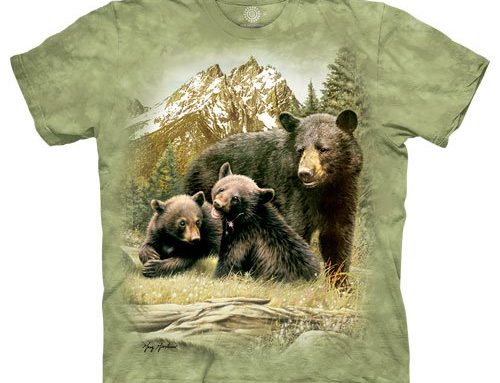
Best Bear Shirts for Wildlife Lovers
Best Bear Shirts for Wildlife Lovers Most bear shirts out there miss the mark between style and comfort. You want wildlife clothing that feels as good as it looks and truly captures the spirit of these powerful creatures. In this post, you’ll find bear graphic tees that balance charming artwork with bold designs, perfect for […]

Best Animal Shirts for Nature Lovers
Best Animal Shirts for Nature Lovers Forget plain tees that don’t say much about who you are. If you love the wild, your wardrobe should shout it loud and clear with the best animal shirts out there. These nature lover apparel pieces mix eye-catching wildlife graphic tees with comfort and style, perfect for anyone who […]
Follow us on Social Media
Instagram – YouTube – Pinterest – Twitter – Facebook
Alligators – Aquatic – Bears – Big Cats – Birds – Buffalo – Cats – Deer – Dinosaurs – Dogs – Dragons – Eagles – Elephants – Elk – Frogs – Gecko – Giraffes – Horses – Kittens – Moose – Pandas – Snakes – Tigers – Unicorns – Wolves – Cat Shirts – Celtic – Dog Shirts – Dolphins – Dragons – Eagles – Fairies – Horse Shirts – Misc – Native American Indians – Patriotic – Peace – Primates – Religion – Scary – Sci Fi – Skeletons – Tie Dye – Tigers – Wolf Shirts
Interesting Animal Facts and Information
Bald Eagles – Cheetahs – Dolphins – Dinosaurs – Tigers – Lions – Cats – Dogs


Leave A Comment
You must be logged in to post a comment.