
The Cheetah’s Speed: How Long Can It Maintain Its Top Velocity?
The cheetah, renowned as the fastest land animal, captivates wildlife enthusiasts with its incredible speed and unique adaptations. But just how long can a cheetah maintain its top velocity, and what factors influence this remarkable feat? The answers lie in the cheetah’s specialized physiology, which allows it to reach breathtaking speeds momentarily. In this document, we will delve into the intricacies of cheetah speed, exploring how fast a cheetah can run and its endurance limits. By understanding these wildlife facts, you’ll gain insight into the fascinating world of animal adaptations and speed.
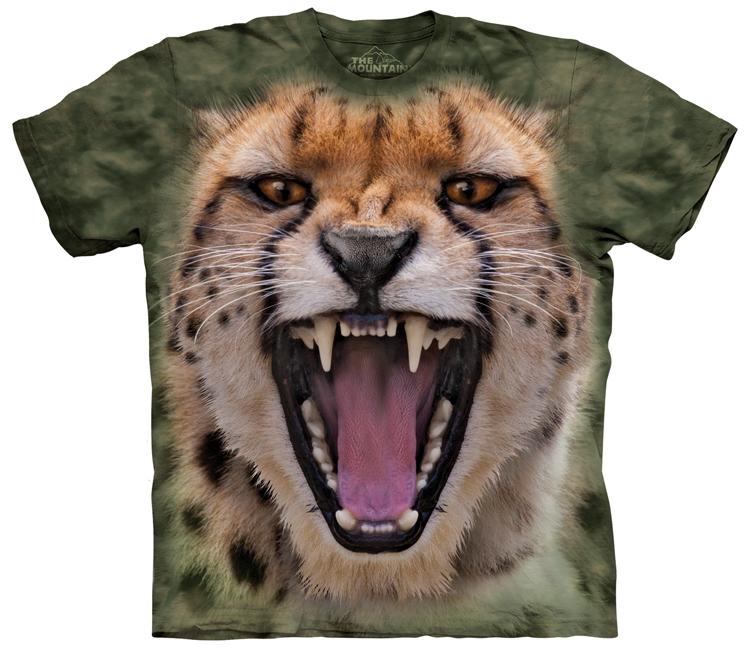
Understanding Cheetah Speed
How Fast Can a Cheetah Run?
The cheetah holds the title of the fastest land animal, with the ability to accelerate from 0 to 60 miles per hour in just a few seconds. This remarkable speed is due to its lightweight frame and long, powerful legs. A cheetah can cover distances up to 1,500 feet in a single, explosive sprint. Its spine is incredibly flexible, allowing the animal to stretch its body out and increase stride length. Meanwhile, its large nasal passages enable rapid oxygen intake, supporting its muscles during these intense bursts of speed. However, a cheetah can only sustain this blistering pace for about 20 to 30 seconds due to the immense energy and heat generated. Understanding how fast a cheetah can run sheds light on its hunting strategy and its survival in the wild.
The Mechanics of Cheetah Speed
The cheetah’s speed stems from several unique physical adaptations. Its lightweight skeleton minimizes resistance, enabling rapid acceleration. Additionally, its spine acts like a spring, flexibly arching and straightening to maximize stride length. This mechanism allows the cheetah to cover up to 25 feet in a single stride. The animal’s semi-retractable claws provide traction, similar to track spikes, offering grip during high-speed chases. Moreover, large adrenal glands release adrenaline, boosting energy levels quickly. The cheetah also has unique muscle fibers that prioritize speed and power over endurance. While these fibers are efficient for short sprints, they tire quickly, limiting the duration of its high-speed pursuits. This combination of anatomical and physiological traits illustrates the cheetah’s specialization for speed, making it a marvel of nature’s engineering. Understanding these mechanics deepens our appreciation of the fastest land animal’s extraordinary capabilities.
Fastest Land Animal Facts
The cheetah’s reputation as the fastest land animal is supported by some fascinating wildlife facts. Adult cheetahs can reach speeds of 60 to 70 miles per hour, although such speeds are typically maintained for only short bursts. Their acceleration capability, reaching 60 mph in just a few seconds, rivals that of high-performance sports cars. Unlike other big cats, cheetahs have black “tear marks” running from the inner corners of their eyes down to the sides of their mouths, reducing glare from the sun and aiding in hunting. Moreover, cheetahs have an unusually large heart and lungs, enabling efficient oxygen circulation during sprints. Their long tail acts as a rudder, helping them maintain balance and make quick, sharp turns. These physical traits collectively make the cheetah an extraordinary example of animal adaptations for speed. Understanding these facts highlights the astonishing nature of cheetah speed and endurance.
Cheetah Endurance and Limitations
Brief Bursts of Speed
Cheetahs are designed for brief, rapid bursts of speed rather than long-distance chases. During a sprint, a cheetah’s body temperature rises quickly, and its muscles consume significant amounts of energy, generating heat. To prevent overheating, these sprints are short, typically lasting between 20 and 30 seconds. This limitation is due to their muscle composition, which favors fast-twitch fibers for speed but lacks slow-twitch fibers for endurance. After a high-speed chase, a cheetah requires ample time to cool down and recover, often resting for up to 30 minutes before it can resume normal activity. This brief burst strategy is a critical aspect of their hunting technique, relying on stealth and proximity to prey before launching a fast attack. Thus, while cheetahs are the fastest land animals, their endurance for maintaining such speed is inherently limited by physiological constraints. Understanding these limitations provides insights into their survival strategies and challenges in the wild.
Factors Affecting Cheetah Endurance
Several factors influence a cheetah’s endurance, impacting its ability to execute those breathtaking sprints. Firstly, a cheetah’s age plays a significant role—older cheetahs may have diminished energy reserves and slower recovery times, affecting their speed and endurance. Environmental conditions also heavily influence performance. High temperatures can exacerbate the risk of overheating, reducing the duration a cheetah can sustain its top speed. Furthermore, the terrain affects traction and maneuverability, with rough or uneven surfaces potentially hindering a cheetah’s ability to run effectively. Nutrition and health are equally crucial, as malnourished or sick cheetahs will naturally have less energy. Finally, the presence of predators or competing scavengers during a hunt can force cheetahs to abandon their chase prematurely, affecting their hunting success. Understanding these factors highlights the challenges cheetahs face in maintaining their status as the fastest land animals while navigating their natural habitats.
Animal Adaptations for Speed
Cheetahs showcase remarkable animal adaptations specifically tailored for speed, making them unique among big cats. Their slim, aerodynamic bodies minimize air resistance, while their long, muscular legs provide the leverage needed for rapid acceleration. The cheetah’s spine is elongated and flexible, functioning like a spring to enhance stride length during sprints. Additionally, their semi-retractable claws and specialized footpads offer superior grip, crucial for maintaining traction at high speeds. The cheetah’s unique respiratory and cardiovascular systems are also key adaptations. Large nasal passages facilitate increased oxygen intake, while an enlarged heart and lungs support efficient distribution of oxygen throughout the body during a sprint. These adaptations are complemented by a long tail, which acts as a counterbalance, aiding in agile maneuvering and sharp turns. Together, these features enable cheetahs to reach and maintain their status as the fastest land animals, albeit for brief periods, as dictated by their endurance limitations.
Enjoy some interesting animal facts below!

Best Animal T-Shirts for Men Who Love Wildlife
Best Animal T-Shirts for Men Who Love Wildlife Most animal t-shirts blend into the background, leaving your love for wildlife unnoticed. You want shirts that speak louder than words, showcasing majestic lions, soaring eagles, and vibrant marine life with style. This guide highlights the best animal t-shirts for men, combining bold graphics with comfort and […]
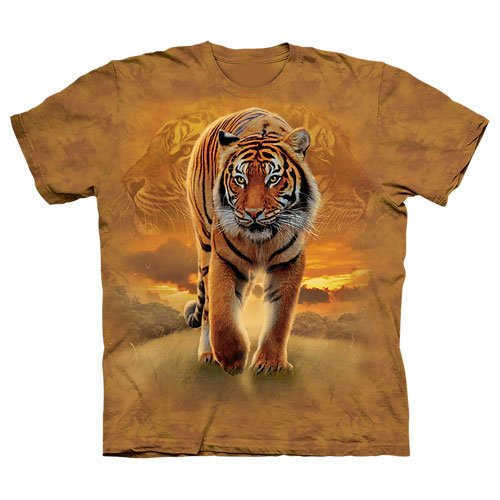
Best Tiger Shirts for Tiger Lovers
Best Tiger Shirts for Tiger Lovers Tiger shirts often miss the mark, leaving fans with dull prints that don’t capture the wild spirit of these majestic cats. If you’ve been hunting for the best tiger apparel that blends bold artistry with comfort, your search ends here. This post highlights tiger print t-shirts and stylish tiger […]
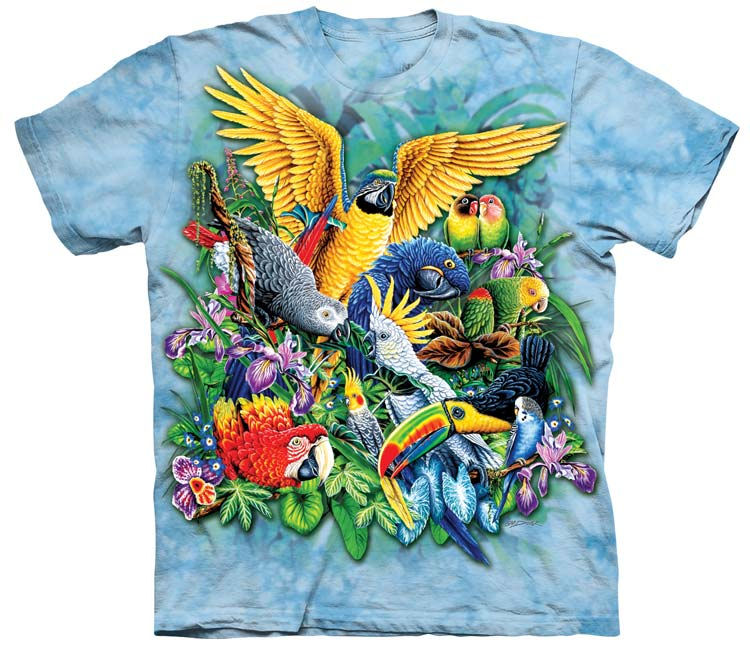
Best Bird Shirts for Bird Lovers
Best Bird Shirts for Bird Lovers Bird shirts aren’t just for casual wear anymore—they’ve become a statement for anyone who loves the colors and charm of feathered friends. If you want bird lover apparel that stands out, you’ll want to see the styles blending art and nature in fresh ways. This post highlights bird-themed t-shirts […]

Best Eagle Shirts for Eagle Lovers
Best Eagle Shirts for Eagle Lovers Eagle shirts don’t have to be ordinary. If you want to wear your passion for these powerful birds with style, the options out there can surprise you. From bold graphic eagle tees to subtle nature inspired clothing, the right eagle apparel makes a statement without sacrificing comfort. Keep reading […]

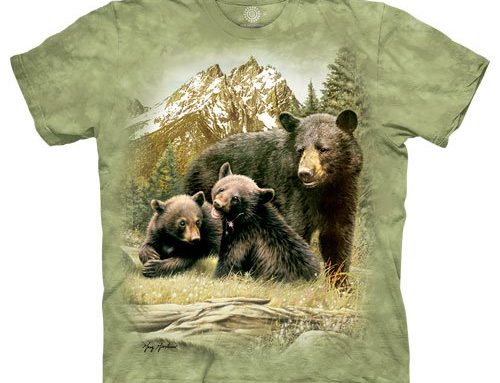
Best Bear Shirts for Wildlife Lovers
Best Bear Shirts for Wildlife Lovers Most bear shirts out there miss the mark between style and comfort. You want wildlife clothing that feels as good as it looks and truly captures the spirit of these powerful creatures. In this post, you’ll find bear graphic tees that balance charming artwork with bold designs, perfect for […]

Best Animal Shirts for Nature Lovers
Best Animal Shirts for Nature Lovers Forget plain tees that don’t say much about who you are. If you love the wild, your wardrobe should shout it loud and clear with the best animal shirts out there. These nature lover apparel pieces mix eye-catching wildlife graphic tees with comfort and style, perfect for anyone who […]
Follow us on Social Media
Instagram – YouTube – Pinterest – Twitter – Facebook
Alligators – Aquatic – Bears – Big Cats – Birds – Buffalo – Cats – Deer – Dinosaurs – Dogs – Dragons – Eagles – Elephants – Elk – Frogs – Gecko – Giraffes – Horses – Kittens – Moose – Pandas – Snakes – Tigers – Unicorns – Wolves – Cat Shirts – Celtic – Dog Shirts – Dolphins – Dragons – Eagles – Fairies – Horse Shirts – Misc – Native American Indians – Patriotic – Peace – Primates – Religion – Scary – Sci Fi – Skeletons – Tie Dye – Tigers – Wolf Shirts
Interesting Animal Facts and Information
Bald Eagles – Cheetahs – Dolphins – Dinosaurs – Tigers – Lions – Cats – Dogs



Leave A Comment
You must be logged in to post a comment.