
Why Do Cats Sleep So Much? Unveiling the Secrets of Feline Naps
Why do cats sleep so much? This question has puzzled cat owners for ages as they watch their feline friends snooze away much of the day. Understanding the secrets of feline naps can provide insights into their health, behavior, and overall well-being. From their natural hunting instincts to their unique sleep cycles, there are several reasons why cats sleep so much. In this article, we’ll delve into the fascinating world of cat sleep, shedding light on why cats spend so much time in dreamland and how it impacts their lives.
Understanding Feline Sleep Patterns
Natural Predators and Prey
The natural instincts of cats as both predators and prey have a significant impact on their sleep patterns. In the wild, cats are crepuscular hunters, meaning they are most active during dawn and dusk. This hunting schedule requires bursts of energy, followed by periods of rest and recovery. Consequently, domestic cats retain these instincts, resulting in their frequent naps throughout the day. Additionally, as small animals that can also be prey, cats have evolved to be light sleepers. They need to be alert to potential threats even while resting. This combination of predator and prey behaviors explains why cats sleep so much. Their frequent naps allow them to conserve energy for sudden, intense activity while maintaining a level of alertness for safety.
Energy Conservation in Cats
Cats are masters of energy conservation, a trait that has helped them survive in the wild. When you see your cat napping for long stretches, it’s often because they are conserving energy for vital activities like hunting, playing, or defending their territory. This behavior is deeply ingrained in their DNA. Even if your domestic cat doesn’t need to hunt for food, their bodies are still programmed to store energy for sudden bursts of activity. This is why cats sleep so much and why their sleep often seems deeper and more restful compared to other animals. By conserving energy, cats ensure they are always ready for action, whether it’s chasing a toy, pouncing on a shadow, or sprinting to their favorite hiding spot. This energy-efficient approach to life is one reason why cats remain agile and alert, even after long periods of rest.
Sleep Cycles of Cats
Understanding the sleep cycles of cats can offer more clarity on why cats sleep so much. Unlike humans, who typically have long periods of deep sleep, cats experience multiple short sleep cycles throughout the day. These cycles consist of light sleep and deep sleep phases. During light sleep, which makes up about 70% of their overall sleep time, cats remain semi-alert and can wake up quickly if needed. This type of sleep allows them to stay aware of their surroundings and potential threats. The remaining 30% of their sleep is deep sleep, during which they enter a restorative state similar to the REM (Rapid Eye Movement) sleep in humans. This is when dreaming occurs, and the body undergoes essential repair processes. These frequent transitions between sleep phases help explain why cats appear to be constantly napping but are still able to spring into action at a moment’s notice.
Health Benefits of Cat Sleep
Physical Restoration
Sleep plays a crucial role in the physical restoration of cats. Just like humans, cats need sleep to repair and rejuvenate their bodies. During deep sleep phases, a cat’s body goes through various repair processes, including muscle growth, tissue repair, and the release of growth hormones. These restorative activities are essential for maintaining overall health and well-being. Additionally, sleep allows the immune system to function more effectively, helping cats fend off illnesses and recover from injuries. This is particularly important for older cats or those recovering from surgery or illness. By ensuring they get enough sleep, cats can maintain their agility, strength, and overall health. Therefore, understanding why cats sleep so much also helps pet owners recognize the importance of providing a comfortable and quiet environment where their feline friends can rest and rejuvenate effectively.

Mental Well-being
Sleep is vital for the mental well-being of cats. Just like humans, cats need adequate sleep to process their daily experiences and reset their mental faculties. During sleep, particularly the REM phase, their brains consolidate memories and process information gathered throughout the day. This cognitive processing helps in improving their problem-solving skills and adapting to their environment. Lack of sufficient sleep can lead to stress, anxiety, and behavioral issues in cats, such as increased aggression or excessive meowing. By ensuring your cat gets enough rest, you promote not only physical health but also mental stability. Providing a tranquil and secure sleeping environment can significantly improve their mood and overall disposition. Recognizing why cats sleep so much underscores the importance of sleep for their mental health, helping them remain happy, alert, and balanced.
Immune System Support
Sleep is fundamental for the immune system support of cats. When cats sleep, their bodies engage in critical processes that bolster their immune defenses. During deep sleep, the production of cytokines, proteins that help fight off infections and inflammation, is increased. This means that well-rested cats are better equipped to fend off illnesses and recover more quickly from infections or injuries. Additionally, sleep helps regulate stress hormones, which can otherwise suppress immune function if left unchecked. By ensuring they get enough quality sleep, cats maintain a more robust immune system, contributing to their overall health and longevity. This aspect of feline sleep further explains why cats sleep so much – it’s a natural mechanism to keep them healthy and resilient. Understanding the importance of sleep in supporting the immune system can help cat owners prioritize creating a restful environment for their pets.

Enjoy some interesting animal facts below!
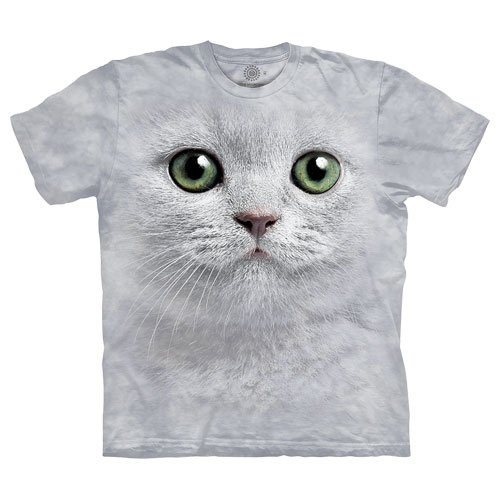
Best Animal T-Shirts for Men Who Love Wildlife
Best Animal T-Shirts for Men Who Love Wildlife Most animal t-shirts blend into the background, leaving your love for wildlife unnoticed. You want shirts that speak louder than words, showcasing majestic lions, soaring eagles, and vibrant marine life with style. This guide highlights the best animal t-shirts for men, combining bold graphics with comfort and […]
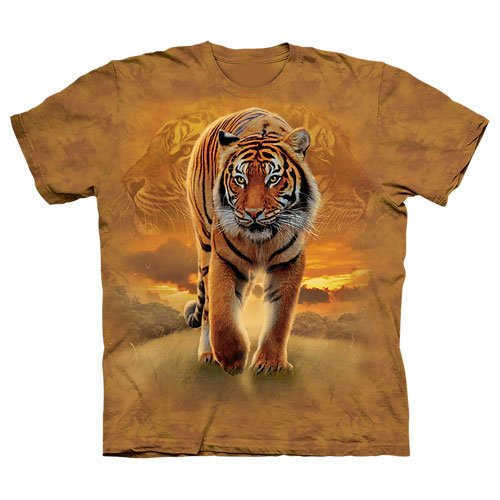
Best Tiger Shirts for Tiger Lovers
Best Tiger Shirts for Tiger Lovers Tiger shirts often miss the mark, leaving fans with dull prints that don’t capture the wild spirit of these majestic cats. If you’ve been hunting for the best tiger apparel that blends bold artistry with comfort, your search ends here. This post highlights tiger print t-shirts and stylish tiger […]
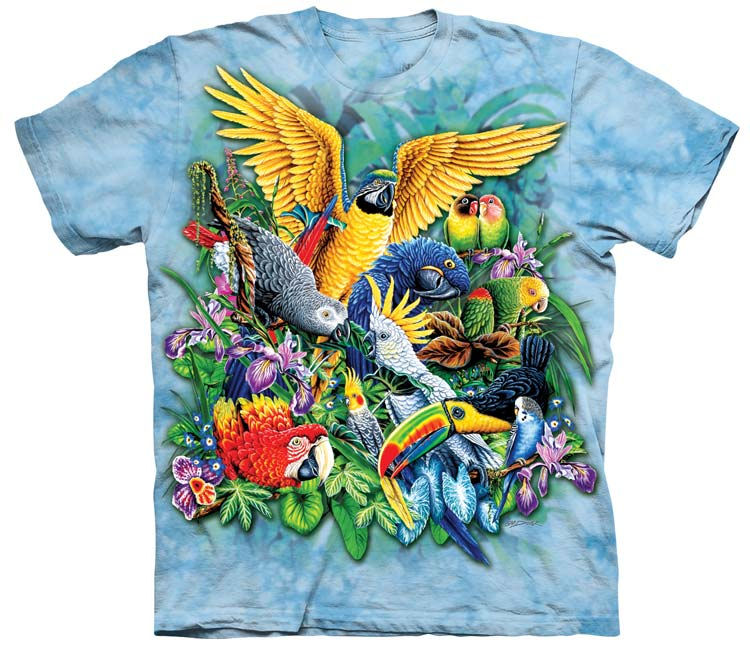
Best Bird Shirts for Bird Lovers
Best Bird Shirts for Bird Lovers Bird shirts aren’t just for casual wear anymore—they’ve become a statement for anyone who loves the colors and charm of feathered friends. If you want bird lover apparel that stands out, you’ll want to see the styles blending art and nature in fresh ways. This post highlights bird-themed t-shirts […]

Best Eagle Shirts for Eagle Lovers
Best Eagle Shirts for Eagle Lovers Eagle shirts don’t have to be ordinary. If you want to wear your passion for these powerful birds with style, the options out there can surprise you. From bold graphic eagle tees to subtle nature inspired clothing, the right eagle apparel makes a statement without sacrificing comfort. Keep reading […]

Best Bear Shirts for Wildlife Lovers
Best Bear Shirts for Wildlife Lovers Most bear shirts out there miss the mark between style and comfort. You want wildlife clothing that feels as good as it looks and truly captures the spirit of these powerful creatures. In this post, you’ll find bear graphic tees that balance charming artwork with bold designs, perfect for […]

Best Animal Shirts for Nature Lovers
Best Animal Shirts for Nature Lovers Forget plain tees that don’t say much about who you are. If you love the wild, your wardrobe should shout it loud and clear with the best animal shirts out there. These nature lover apparel pieces mix eye-catching wildlife graphic tees with comfort and style, perfect for anyone who […]
Follow us on Social Media
Instagram – YouTube – Pinterest – Twitter – Facebook
Alligators – Aquatic – Bears – Big Cats – Birds – Buffalo – Cats – Deer – Dinosaurs – Dogs – Dragons – Eagles – Elephants – Elk – Frogs – Gecko – Giraffes – Horses – Kittens – Moose – Pandas – Snakes – Tigers – Unicorns – Wolves – Cat Shirts – Celtic – Dog Shirts – Dolphins – Dragons – Eagles – Fairies – Horse Shirts – Misc – Native American Indians – Patriotic – Peace – Primates – Religion – Scary – Sci Fi – Skeletons – Tie Dye – Tigers – Wolf Shirts
Interesting Animal Facts and Information
Bald Eagles – Cheetahs – Dolphins – Dinosaurs – Tigers – Lions – Cats – Dogs


Leave A Comment
You must be logged in to post a comment.