
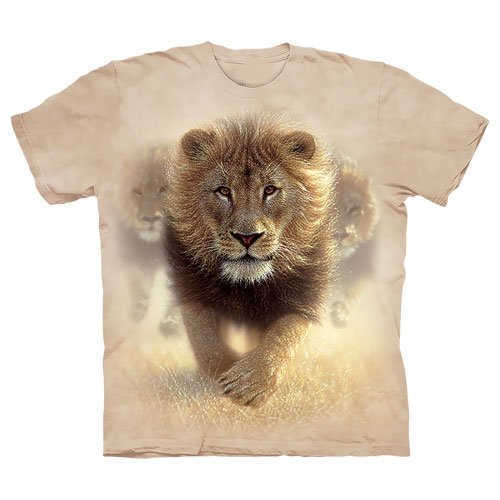
Why Do Lions Roar? Unraveling the Mystery Behind the Majestic Sound
Why do lions roar? It’s a question that has intrigued wildlife enthusiasts and lion lovers alike for generations. The majestic sound of a lion’s roar can be heard up to five miles away, but what is the purpose behind this powerful vocalization? In this piece, we will delve into the fascinating reasons why lions roar, exploring the social, territorial, and survival aspects of this behavior. Whether you’re wearing your favorite lion shirt or a cozy lion t-shirt, get ready to uncover the mystery behind one of the most iconic sounds in the animal kingdom.

The Purpose of a Lion’s Roar
Communication and Territory
The lion’s roar is a crucial tool for communication and territory marking. When lions roar, they are sending a clear message to other lions in the vicinity. This vocalization serves to establish the boundaries of their territory, warning rival prides and solitary males to stay away. Within a pride, roaring helps members keep track of each other’s locations, especially in vast savannahs where visibility is limited. This form of communication is essential for coordinating movements during hunting or gathering. Additionally, the powerful roar of a lion can demonstrate strength and dominance, deterring potential intruders and reducing the likelihood of direct conflicts. So, the next time you hear a lion roar, remember—it’s not just noise; it’s a sophisticated form of communication that plays a vital role in their social structure and territorial management.
Social Bonds and Pride
Lions are highly social animals, and their roars play a significant role in maintaining the bonds within their pride. Roaring helps to reinforce the pride’s social structure, allowing members to recognize and respond to each other’s calls. This vocalization can serve as a group rallying call, bringing scattered pride members together. It can also be a way for lions to assert their social status within the group, with dominant males often roaring more frequently to assert their leadership. Female lions use roars to communicate with their cubs and other pride members, ensuring the safety and cohesion of the group. By roaring, lions can convey emotional states, such as distress or contentment, further strengthening the social fabric of the pride. In essence, the lion’s roar is a multifaceted tool that not only establishes territory but also nurtures the intricate social bonds that are vital for their survival.

Warning and Defense
A lion’s roar serves as an effective warning and defense mechanism. When a lion senses a threat, its roar can act as an audible barrier, deterring potential predators or rival lions from encroaching on their territory. This powerful sound signals to intruders that they are entering a defended zone, reducing the likelihood of violent confrontations. The roar’s intensity and reach—audible up to five miles away—ensure that the warning is heard far and wide. This not only protects the pride but also conserves energy by minimizing the need for physical altercations. Additionally, lions use roaring to defend their cubs and vulnerable pride members. By creating a formidable auditory presence, adult lions can keep threats at bay, ensuring the safety and stability of their group. Thus, the lion’s roar is a critical component of their defensive strategy, emphasizing the importance of sound in their survival toolkit.
The Science Behind the Roar
Vocal Anatomy of Lions
The ability of lions to produce such a powerful roar is rooted in their unique vocal anatomy. At the heart of this capability are the lion’s vocal cords, which are specially adapted to create deep, resonant sounds. Unlike most mammals, lions have vocal cords that are flat and square-shaped, allowing them to withstand strong lung pressure and produce a wide range of pitches. This specialized structure, combined with a large larynx, enables lions to generate the low-frequency sounds that carry over long distances. Additionally, the lion’s hyoid bones, which support the larynx, are only partially ossified, providing the flexibility needed for such dynamic vocalizations. These anatomical adaptations not only give lions their distinctive roar but also ensure that their calls can be heard by other lions across the vast landscapes they inhabit. Understanding this vocal anatomy reveals the intricate biological mechanisms that allow lions to communicate so effectively in their natural habitats.
Sound Characteristics and Frequencies
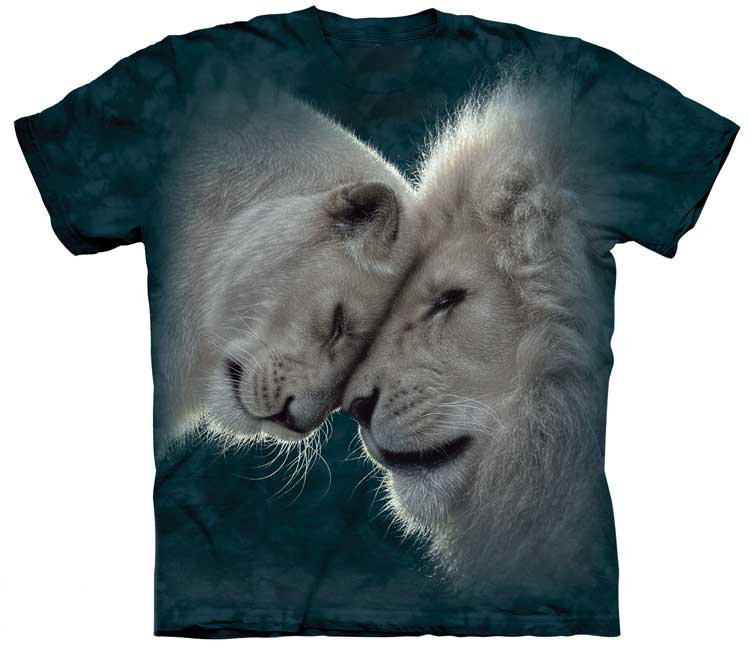
A lion’s roar is not just loud; it is also rich in unique sound characteristics and frequencies. Typically, a lion’s roar can reach a volume of 114 decibels, comparable to the sound of a rock concert. This intense volume ensures the roar can travel up to five miles, making it effective for long-distance communication. The roar consists of both low and high-frequency sounds, with the low-frequency components being particularly important for long-range transmission. These low frequencies, often below the range of human hearing, are highly effective in traveling through the dense vegetation and open savannahs of a lion’s habitat. This allows lions to communicate across vast distances, even in challenging environments. Additionally, the complex structure of the roar, which includes grunts, moans, and growls, provides a wealth of information to other lions, conveying not only the identity of the caller but also its emotional state and intentions. Understanding these sound characteristics highlights the sophistication of lion communication.
Roar Duration and Patterns
The duration and patterns of a lion’s roar are key elements that add to its effectiveness as a communication tool. A typical lion roar lasts between 20 to 30 seconds and often consists of a series of sequential roars. These roars can vary in intensity and frequency, starting with a few deep, resonant calls and building up to a powerful crescendo. This pattern not only maximizes the distance the sound can travel but also ensures that the message is received and understood by other lions. The duration and complexity of the roar can convey different types of information, such as the lion’s size, strength, and emotional state. For instance, a longer, more intense roar may signal a strong, dominant male asserting control over a territory, while shorter, softer roars may be used for closer-range communication within the pride. By varying the duration and pattern of their roars, lions can adapt their vocalizations to different social and environmental contexts, enhancing their ability to communicate effectively.
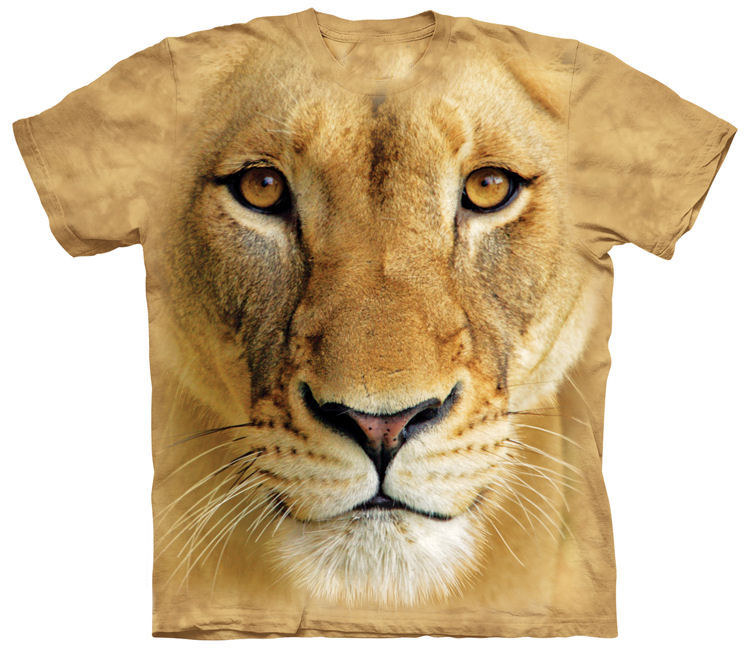
Enjoy some interesting animal facts below!

Best Animal T-Shirts for Men Who Love Wildlife
Best Animal T-Shirts for Men Who Love Wildlife Most animal t-shirts blend into the background, leaving your love for wildlife unnoticed. You want shirts that speak louder than words, showcasing majestic lions, soaring eagles, and vibrant marine life with style. This guide highlights the best animal t-shirts for men, combining bold graphics with comfort and […]

Best Tiger Shirts for Tiger Lovers
Best Tiger Shirts for Tiger Lovers Tiger shirts often miss the mark, leaving fans with dull prints that don’t capture the wild spirit of these majestic cats. If you’ve been hunting for the best tiger apparel that blends bold artistry with comfort, your search ends here. This post highlights tiger print t-shirts and stylish tiger […]

Best Bird Shirts for Bird Lovers
Best Bird Shirts for Bird Lovers Bird shirts aren’t just for casual wear anymore—they’ve become a statement for anyone who loves the colors and charm of feathered friends. If you want bird lover apparel that stands out, you’ll want to see the styles blending art and nature in fresh ways. This post highlights bird-themed t-shirts […]

Best Eagle Shirts for Eagle Lovers
Best Eagle Shirts for Eagle Lovers Eagle shirts don’t have to be ordinary. If you want to wear your passion for these powerful birds with style, the options out there can surprise you. From bold graphic eagle tees to subtle nature inspired clothing, the right eagle apparel makes a statement without sacrificing comfort. Keep reading […]

Best Bear Shirts for Wildlife Lovers
Best Bear Shirts for Wildlife Lovers Most bear shirts out there miss the mark between style and comfort. You want wildlife clothing that feels as good as it looks and truly captures the spirit of these powerful creatures. In this post, you’ll find bear graphic tees that balance charming artwork with bold designs, perfect for […]

Best Animal Shirts for Nature Lovers
Best Animal Shirts for Nature Lovers Forget plain tees that don’t say much about who you are. If you love the wild, your wardrobe should shout it loud and clear with the best animal shirts out there. These nature lover apparel pieces mix eye-catching wildlife graphic tees with comfort and style, perfect for anyone who […]
Follow us on Social Media
Instagram – YouTube – Pinterest – Twitter – Facebook
Alligators – Aquatic – Bears – Big Cats – Birds – Buffalo – Cats – Deer – Dinosaurs – Dogs – Dragons – Eagles – Elephants – Elk – Frogs – Gecko – Giraffes – Horses – Kittens – Moose – Pandas – Snakes – Tigers – Unicorns – Wolves – Cat Shirts – Celtic – Dog Shirts – Dolphins – Dragons – Eagles – Fairies – Horse Shirts – Misc – Native American Indians – Patriotic – Peace – Primates – Religion – Scary – Sci Fi – Skeletons – Tie Dye – Tigers – Wolf Shirts
Interesting Animal Facts and Information
Bald Eagles – Cheetahs – Dolphins – Dinosaurs – Tigers – Lions – Cats – Dogs



Leave A Comment
You must be logged in to post a comment.