
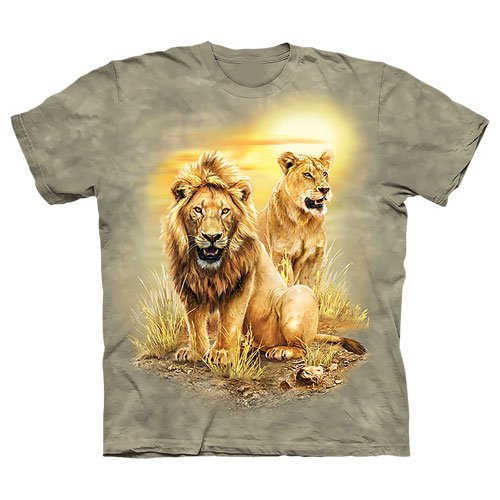
Where Do Lions Live? Exploring the Majestic Habitats of the King of the Jungle
Lions, often heralded as the kings of the jungle, captivate the hearts and minds of animal enthusiasts worldwide. But where do lions live? Understanding the diverse habitats of these majestic creatures not only enhances our appreciation for their regal presence but also underscores the importance of conserving their natural environments. In this exploration, we will delve into the various regions and ecosystems that lions inhabit, from the sprawling savannas of Africa to the dwindling populations in Asia, illuminating the unique characteristics of each lion habitat. Join us as we uncover the fascinating world where lions live and thrive, and discover how you can support their conservation, perhaps even donning a lion shirt or lion t-shirt to show your solidarity.
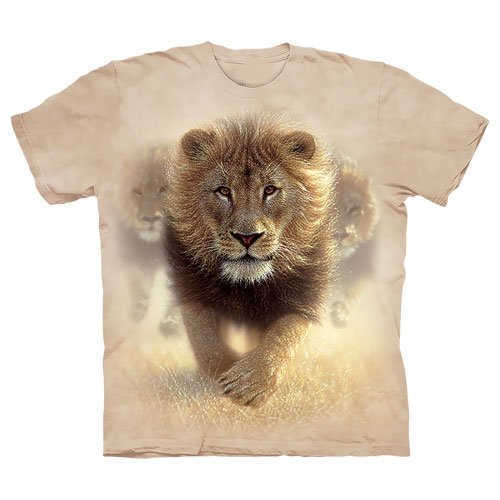
Introduction to Lion Habitats
Where Do Lions Live?
Lions live in a variety of environments across Africa and a small region of India. In Africa, they predominantly inhabit savannas, grasslands, and open woodlands, where they can find ample prey and water sources. The African lion habitat spans countries such as Kenya, Tanzania, South Africa, and Botswana. In contrast, the Asiatic lion has a more limited range, primarily residing in the Gir Forest National Park in the Indian state of Gujarat. Understanding where lions live is crucial for their conservation, as habitat loss and human-wildlife conflict pose significant threats to their populations. By promoting awareness and supporting conservation efforts, we can help ensure these majestic creatures continue to thrive in their natural environments.
Importance of Lion Habitats
Lion habitats are essential not only for the survival of lions but also for the overall health of the ecosystems they inhabit. As apex predators, lions play a critical role in maintaining the balance of their environments by controlling the population of herbivores and preventing overgrazing. This balance helps preserve the biodiversity of the region, ensuring that various plant and animal species can thrive. Furthermore, lion habitats are often indicators of broader environmental health. The presence of a healthy lion population suggests a well-functioning ecosystem. Protecting these habitats is vital for biodiversity conservation and the well-being of local communities that depend on these ecosystems. Supporting lion conservation efforts, whether through donations, volunteering, or raising awareness by wearing a lion shirt or lion t-shirt, can make a significant difference in preserving these majestic creatures and their habitats.

African Savannas
Characteristics of the Savanna
The savanna is one of the most iconic lion habitats, characterized by its vast open landscapes, tall grasses, and scattered trees. This environment provides the perfect blend of cover and visibility for lions to hunt their prey, which includes zebras, wildebeests, and various antelope species. Savannas experience distinct wet and dry seasons, which influence the movement and behavior of both predators and prey. During the wet season, water and food are abundant, leading to more dispersed prey. Conversely, in the dry season, water sources become scarce, bringing animals closer together and making hunting easier for lions. The savanna’s unique ecosystem supports a high level of biodiversity, from large mammals to smaller creatures like insects and birds. Understanding these characteristics helps us appreciate why the savanna is such a vital habitat for lions and underscores the need to protect these regions from threats like deforestation and human encroachment.
Lions in the Savanna
Lions are perfectly adapted to life in the savanna. Their tawny coats blend seamlessly with the dry grasses, providing excellent camouflage while hunting. Living in prides, which consist of related females, their offspring, and a few male lions, they utilize teamwork to hunt and protect their territory. The social structure of a pride allows lions to take down larger prey and defend against intruders, enhancing their survival chances in this competitive environment.
In the savanna, lions establish territories that can span hundreds of square kilometers. These territories include key resources such as waterholes and abundant prey. Lions are primarily nocturnal hunters, taking advantage of the cooler nighttime temperatures and their superior night vision. By understanding the behavior and adaptations of lions in the savanna, we can better appreciate their role in this ecosystem and the importance of supporting conservation efforts to protect their natural habitat.

Threats to Lion Habitats
Human Encroachment
Human encroachment poses a significant threat to lion habitats. As human populations grow, agricultural expansion, urban development, and infrastructure projects increasingly encroach upon the territories where lions live. This leads to habitat fragmentation, reducing the available space for lions to roam and hunt. When lion habitats are fragmented, it limits their access to prey and water sources, making survival more challenging. Additionally, human-wildlife conflict often arises when lions prey on livestock, leading to retaliatory killings by farmers and herders.
Efforts to mitigate human encroachment include creating protected areas, establishing wildlife corridors, and promoting sustainable land-use practices. Educating local communities about the importance of lion conservation and finding ways to coexist peacefully with wildlife are also crucial steps. Supporting these initiatives can help ensure that lions continue to thrive in their natural habitats, maintaining the ecological balance and preserving the biodiversity of the regions where they live.
Conservation Efforts
Conservation efforts are vital in addressing the threats to lion habitats. Various organizations and governments work tirelessly to protect these magnificent creatures and their environments. Strategies include establishing and expanding protected areas such as national parks and wildlife reserves, which provide safe havens for lions to live and hunt. Anti-poaching initiatives are also crucial, as they help protect lions from illegal hunting and trade.
Community-based conservation projects are another effective approach. These initiatives involve local communities in conservation efforts, offering education and economic incentives to promote coexistence with wildlife. For example, programs that compensate farmers for livestock losses can reduce retaliatory killings of lions.
Additionally, breeding programs and wildlife corridors help maintain genetic diversity and ensure healthy lion populations. Public awareness campaigns, including the promotion of lion-themed merchandise like lion shirts and lion t-shirts, can generate support and funding for these initiatives. By backing these conservation efforts, we can help secure a future where lions continue to thrive in their natural habitats.
Enjoy some interesting animal facts below!
Best Animal T-Shirts for Men Who Love Wildlife
Best Animal T-Shirts for Men Who Love Wildlife Most animal t-shirts blend into the background, leaving your love for wildlife unnoticed. You want shirts that speak louder than words, showcasing majestic lions, soaring eagles, and vibrant marine life with style. This guide highlights the best animal t-shirts for men, combining bold graphics with comfort and […]
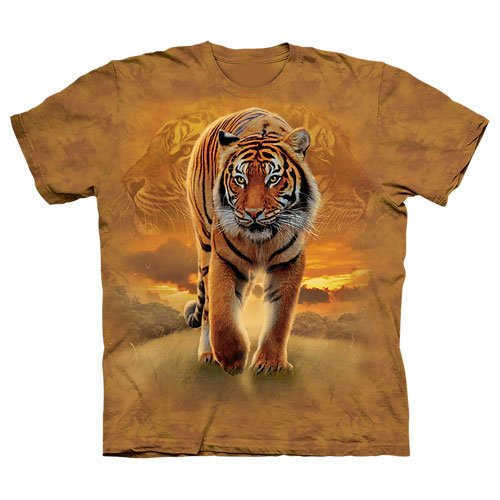
Best Tiger Shirts for Tiger Lovers
Best Tiger Shirts for Tiger Lovers Tiger shirts often miss the mark, leaving fans with dull prints that don’t capture the wild spirit of these majestic cats. If you’ve been hunting for the best tiger apparel that blends bold artistry with comfort, your search ends here. This post highlights tiger print t-shirts and stylish tiger […]
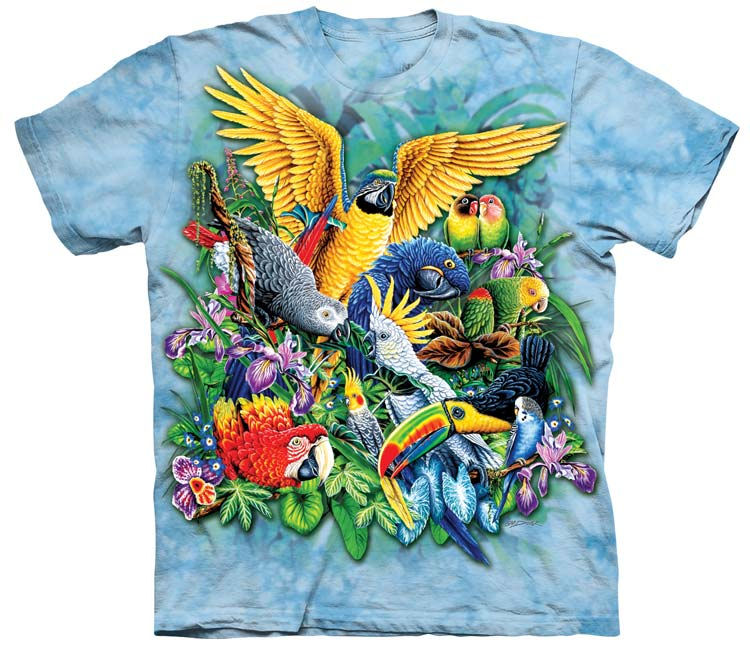
Best Bird Shirts for Bird Lovers
Best Bird Shirts for Bird Lovers Bird shirts aren’t just for casual wear anymore—they’ve become a statement for anyone who loves the colors and charm of feathered friends. If you want bird lover apparel that stands out, you’ll want to see the styles blending art and nature in fresh ways. This post highlights bird-themed t-shirts […]

Best Eagle Shirts for Eagle Lovers
Best Eagle Shirts for Eagle Lovers Eagle shirts don’t have to be ordinary. If you want to wear your passion for these powerful birds with style, the options out there can surprise you. From bold graphic eagle tees to subtle nature inspired clothing, the right eagle apparel makes a statement without sacrificing comfort. Keep reading […]

Best Bear Shirts for Wildlife Lovers
Best Bear Shirts for Wildlife Lovers Most bear shirts out there miss the mark between style and comfort. You want wildlife clothing that feels as good as it looks and truly captures the spirit of these powerful creatures. In this post, you’ll find bear graphic tees that balance charming artwork with bold designs, perfect for […]

Best Animal Shirts for Nature Lovers
Best Animal Shirts for Nature Lovers Forget plain tees that don’t say much about who you are. If you love the wild, your wardrobe should shout it loud and clear with the best animal shirts out there. These nature lover apparel pieces mix eye-catching wildlife graphic tees with comfort and style, perfect for anyone who […]
Follow us on Social Media
Instagram – YouTube – Pinterest – Twitter – Facebook
Alligators – Aquatic – Bears – Big Cats – Birds – Buffalo – Cats – Deer – Dinosaurs – Dogs – Dragons – Eagles – Elephants – Elk – Frogs – Gecko – Giraffes – Horses – Kittens – Moose – Pandas – Snakes – Tigers – Unicorns – Wolves – Cat Shirts – Celtic – Dog Shirts – Dolphins – Dragons – Eagles – Fairies – Horse Shirts – Misc – Native American Indians – Patriotic – Peace – Primates – Religion – Scary – Sci Fi – Skeletons – Tie Dye – Tigers – Wolf Shirts
Interesting Animal Facts and Information
Bald Eagles – Cheetahs – Dolphins – Dinosaurs – Tigers – Lions – Cats – Dogs


Leave A Comment
You must be logged in to post a comment.