
What is the Wingspan of a Bald Eagle? A Comprehensive Guide for Enthusiasts
What is the wingspan of a bald eagle? For enthusiasts and admirers of this majestic bird, understanding the dimensions of its impressive wings is both fascinating and essential. The bald eagle, a symbol of strength and freedom, boasts one of the largest wingspans among North American birds, making it a subject of endless curiosity and admiration. In this comprehensive guide, we will delve into the specifics of the bald eagle wingspan, exploring its measurements, significance, and the factors that contribute to its awe-inspiring flight capabilities. Join us as we unfold the remarkable details behind the iconic wingspan of the bald eagle.

Introduction to Bald Eagle Wingspan
Why Wingspan Matters
The wingspan of a bald eagle is a critical feature that influences its ability to soar, hunt, and navigate its environment. Measuring between 6 to 7.5 feet, the expansive wingspan allows the bald eagle to glide effortlessly on thermal currents, conserving energy during long flights. This extensive reach also plays a vital role in hunting, enabling the bird to swoop down with precision upon its prey. Additionally, the impressive wingspan is a visual testament to the bird’s prowess and dominance in the skies, making it an enduring symbol of freedom and power. Understanding the significance of the bald eagle’s wingspan not only deepens our appreciation of this majestic bird but also highlights the intricate relationship between anatomy and survival in the wild.
Overview of Bald Eagles
Bald eagles are one of North America’s most iconic bird species, renowned for their striking appearance and impressive wingspan. Distinguished by their white-feathered heads and tails contrasting with dark brown bodies, these raptors primarily inhabit areas near large bodies of open water, where food is abundant and nesting sites are plentiful. Adult bald eagles can weigh between 6.6 to 14 pounds, with females generally larger than males. Their diet consists mainly of fish, but they are opportunistic feeders and will also consume small mammals and carrion. Bald eagles are known for their exceptional eyesight, which allows them to spot prey from great distances. Understanding the physical characteristics and behaviors of bald eagles provides a foundation for appreciating the significance of their wingspan and the role it plays in their survival and majesty.
Measuring Wingspan
Measuring the wingspan of a bald eagle involves determining the distance from the tip of one wing to the tip of the other when the wings are fully extended. This measurement is typically taken while the bird is in a controlled environment, such as during a health check by wildlife biologists or rehabilitators. The wingspan of adult bald eagles ranges from 6 to 7.5 feet, with females generally having a slightly larger wingspan than males. Accurate measurement of wingspan is crucial for various scientific studies, including those focused on flight mechanics, health assessments, and species comparison. By understanding the precise dimensions of the bald eagle’s wingspan, researchers can gain insights into the bird’s aerodynamics, energy efficiency during flight, and overall physical condition. This data also aids in the conservation efforts and management of bald eagle populations, ensuring these majestic birds continue to thrive.
Factors Influencing Wingspan
Gender Differences
In bald eagles, gender plays a significant role in determining wingspan, with females generally exhibiting larger wingspans than males. Female bald eagles can have wingspans reaching up to 7.5 feet, while males typically range between 6 and 7 feet. This size disparity is due to sexual dimorphism, a common phenomenon in birds of prey where females are larger than males. The larger wingspan in females may be an evolutionary advantage for carrying and incubating eggs, as well as providing better defense for their nests. Additionally, the greater wingspan aids in efficient hunting and foraging, enabling females to cover larger territories. Understanding these gender differences in wingspan helps in identifying and studying individual eagles, contributing to research on their behavior, ecology, and conservation needs. Recognizing the distinctions between male and female bald eagles adds depth to our appreciation of these magnificent birds.
Age and Wingspan
The wingspan of a bald eagle is closely related to its age, with significant changes occurring as the bird matures. Juvenile bald eagles, which are typically dark brown without the distinctive white head and tail feathers, have wingspans that are nearly as large as adults by the time they fledge at around 10 to 12 weeks old. However, their wings may appear slightly longer and more tapered compared to the broader wings of mature eagles. As they age and grow into adulthood, which occurs around five years of age, their wingspan remains relatively stable, averaging between 6 and 7.5 feet. This fully developed wingspan is crucial for efficient flight and hunting. Understanding how wingspan changes with age helps ornithologists and bird enthusiasts track the growth and development of bald eagles, ensuring better insights into their life stages and overall health.
Geographic Variations
The wingspan of a bald eagle can also be influenced by its geographic location. Bald eagles in different regions exhibit variations in size due to environmental factors and resource availability. Generally, eagles found in northern latitudes, such as those in Alaska and Canada, tend to have larger wingspans compared to their southern counterparts. This phenomenon, known as Bergmann’s rule, suggests that animals in colder climates grow larger body sizes to conserve heat more efficiently. The greater wingspan aids these northern eagles in long-distance flights and efficient hunting over expansive, often rugged territories. Conversely, bald eagles in warmer, southern regions may have slightly smaller wingspans, as the need for thermal regulation and long migratory flights is reduced. Understanding these geographic variations in wingspan helps researchers and conservationists tailor their strategies to protect and manage bald eagle populations across different habitats, ensuring these magnificent birds continue to thrive in diverse environments.
Comparing Bald Eagle Wingspan
Bald Eagles vs Other Eagles
When comparing the wingspan of bald eagles to other eagle species, several differences become evident. Bald eagles, with their wingspans ranging from 6 to 7.5 feet, are among the largest eagles in North America. However, they are not the largest globally. The golden eagle, common in the Northern Hemisphere, has a comparable wingspan, often reaching up to 7.5 feet. In contrast, the harpy eagle, found in Central and South America, has a slightly smaller wingspan but boasts a much more robust body, making it one of the heaviest eagles. Meanwhile, the white-tailed eagle of Eurasia, a close relative of the bald eagle, can have a wingspan exceeding 8 feet, making it one of the largest eagles by wingspan. These comparisons highlight the diversity within the eagle family and underscore the impressive stature of the bald eagle, particularly within its native range.
Bald Eagles vs Other Birds
In the broader avian world, the wingspan of bald eagles stands out, yet it is surpassed by a few other bird species. For instance, the California condor, with a wingspan of up to 9.5 feet, exceeds that of the bald eagle, making it the bird with the largest wingspan in North America. Similarly, the wandering albatross holds the record for the longest wingspan of any living bird, reaching up to 11 feet. Despite these larger competitors, the bald eagle’s wingspan remains impressive, facilitating its role as a top predator in its ecosystem. The wide wings allow for efficient soaring and gliding, reducing the need for constant flapping and conserving energy over long distances. This comparison highlights the remarkable adaptations of the bald eagle and underscores its significance within the avian hierarchy, particularly among birds of prey.

Historical Changes in Wingspan
Over time, the wingspan of bald eagles has experienced minimal changes. However, historical factors such as habitat loss, pollution, and hunting have impacted eagle populations and their physical conditions. During the mid-20th century, the widespread use of the pesticide DDT led to a significant decline in bald eagle numbers. This reduction in population density may have influenced genetic diversity, potentially affecting average wingspan sizes. With the ban on DDT and concerted conservation efforts, bald eagle populations have rebounded, and the average wingspan appears stable. Ongoing research aims to track any subtle changes in wingspan dimensions, considering environmental shifts and genetic factors. Understanding historical changes in bald eagle wingspan provides insights into the species’ resilience and adaptability, reinforcing the importance of sustained conservation practices to ensure the continued survival and health of these majestic birds.
Importance of Wingspan in Bald Eagles
Flight Efficiency
The wingspan of a bald eagle plays a crucial role in its flight efficiency. With a wingspan ranging from 6 to 7.5 feet, these birds are designed for soaring and gliding over long distances with minimal energy expenditure. The broad, long wings enable bald eagles to catch thermal updrafts, allowing them to ascend to great heights without constant flapping. This energy-efficient flight is essential for hunting, as it lets the eagle cover vast territories while searching for prey. Additionally, the large wingspan aids in maneuverability and stability during flight, which is critical for both hunting and evading potential threats. By maximizing flight efficiency, the bald eagle’s wingspan directly contributes to its ability to thrive in diverse environments, from coastal regions to inland watersheds. Understanding how wingspan enhances flight efficiency underscores the evolutionary advantages that have made the bald eagle a top predator in its ecosystem.
Predation and Hunting
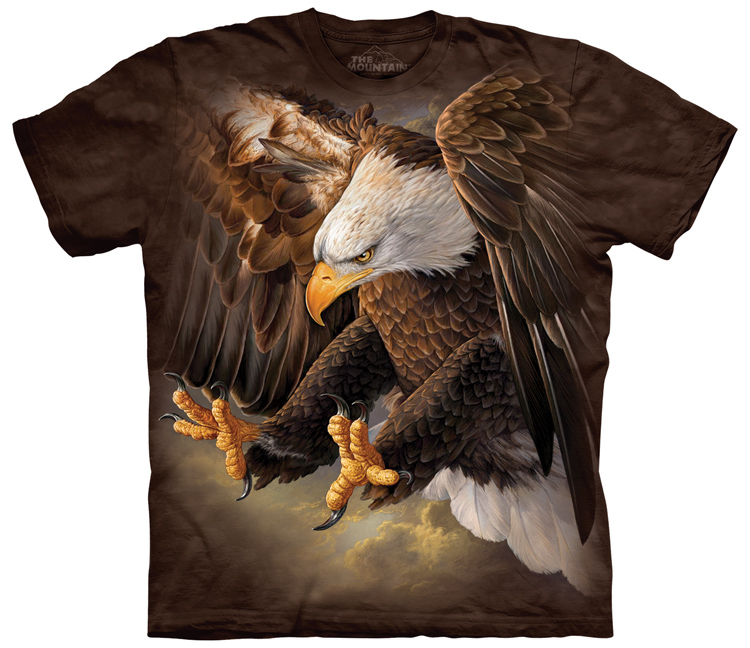
The impressive wingspan of a bald eagle is a key factor in its hunting prowess and predatory efficiency. With wings stretching from 6 to 7.5 feet, bald eagles can soar high above their hunting grounds, scanning large areas for potential prey with their keen eyesight. This elevated vantage point, combined with their ability to glide silently and effortlessly, allows them to approach prey with minimal disturbance. When a target is spotted, the eagle can execute a swift, powerful dive, using its wings to control speed and direction accurately. The large wings also provide the necessary lift to carry prey, which can include fish, small mammals, and birds, back to a perch or nest. By facilitating both the search and capture phases of hunting, the bald eagle’s wingspan is integral to its role as a top predator, ensuring it can efficiently feed and sustain itself and its offspring.
Conservation Efforts
Conservation efforts have been crucial in protecting and rehabilitating bald eagle populations, with the wingspan being a key indicator of their health and vitality. During the mid-20th century, the use of DDT and habitat destruction severely impacted bald eagle numbers, leading to their placement on the endangered species list. Conservation measures, including the banning of DDT, habitat preservation, and breeding programs, have been instrumental in their recovery. Monitoring the wingspan and overall condition of bald eagles serves as a vital metric for biologists and conservationists. Healthy wingspans signify robust individuals capable of efficient flight, hunting, and reproduction. These efforts have led to a remarkable resurgence, with bald eagles now delisted from the endangered species list in many areas. Ongoing conservation initiatives continue to focus on habitat protection, pollution control, and public education to ensure that the bald eagle, with its majestic wingspan, remains a thriving symbol of national wildlife heritage.
Fun Facts and Trivia
Record Wingspans
Bald eagles are renowned for their impressive wingspans, but some individuals have set records that astonish even seasoned ornithologists. The typical wingspan for a bald eagle ranges from 6 to 7.5 feet, but certain exceptional individuals have surpassed these measurements. The largest recorded wingspan for a bald eagle is slightly over 8 feet, a testament to the extraordinary variability and potential within the species. These record-holding eagles are often found in regions with abundant food supply and optimal living conditions, which contribute to their remarkable growth. Such measurements are not only fascinating but also provide valuable data for researchers studying avian biology and the factors that influence size variations. These record wingspans underscore the grandeur of the bald eagle, enhancing our understanding and appreciation of this majestic bird. These exceptional examples remind us of the natural world’s wonders and the importance of ongoing conservation efforts.
Bald Eagle Symbolism
The bald eagle holds profound symbolism, particularly in the United States where it is the national bird and emblem. Its majestic wingspan, representing freedom and strength, has made the bald eagle an enduring icon in American culture. The choice of the bald eagle as a symbol dates back to 1782 when the Founding Fathers adopted it for the Great Seal of the United States. The bird’s attributes of independence, resilience, and power reflect the ideals upon which the nation was built. Beyond national symbolism, the bald eagle also holds spiritual significance in various Indigenous cultures. It is often seen as a messenger between humans and the divine, embodying a connection to higher powers and the natural world. The bald eagle’s symbolism extends to global recognition as well, where it often represents wilderness conservation and environmental awareness. Understanding this symbolism enriches our appreciation of the bald eagle, transcending its physical presence to embody the values and aspirations of humanity.
Bald Eagle Merchandise
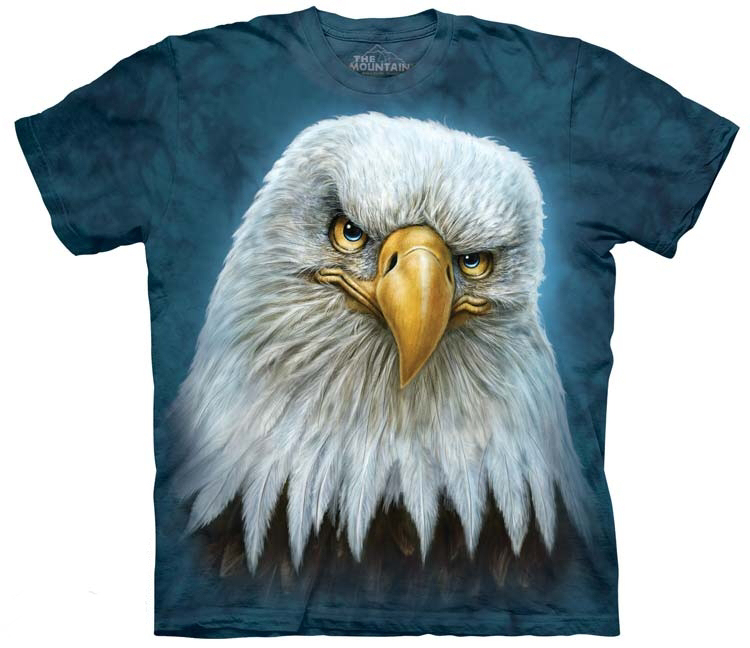
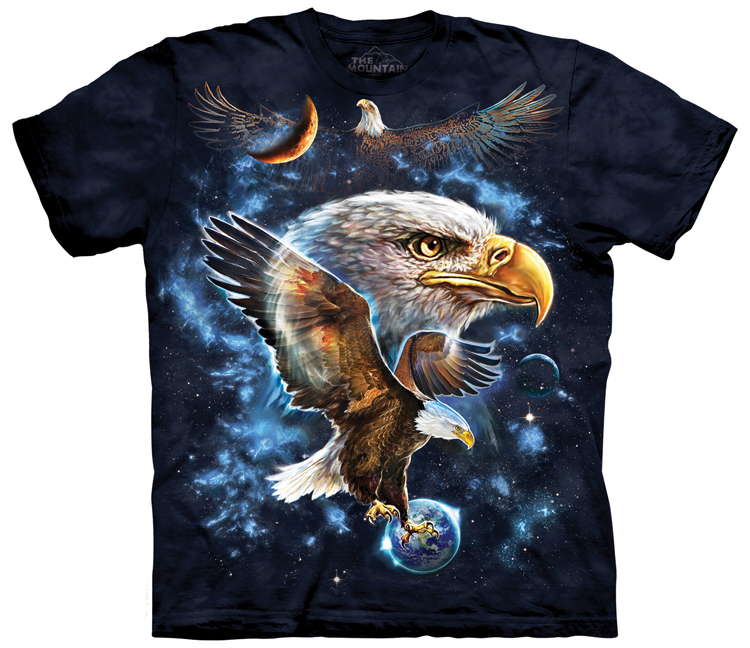
Bald eagle merchandise has become increasingly popular, celebrating the bird’s majestic presence and symbolic significance. Items such as bald eagle shirts, hats, and posters are widely available, allowing enthusiasts to express their admiration for this iconic raptor. These products often feature stunning imagery and artwork, capturing the bald eagle’s impressive wingspan and fierce gaze. Beyond apparel, bald eagle-themed collectibles, including figurines, stamps, and coins, attract collectors and nature lovers alike. Educational materials, such as books and puzzles, also help foster awareness and appreciation for bald eagles among younger audiences. Purchasing bald eagle merchandise often supports conservation efforts, as many sellers donate a portion of their proceeds to wildlife protection organizations. By integrating bald eagle motifs into everyday items, people can celebrate and promote the importance of preserving this magnificent species, ensuring its legacy endures for future generations.
Enjoy some interesting animal facts below!

Best Animal T-Shirts for Men Who Love Wildlife
Best Animal T-Shirts for Men Who Love Wildlife Most animal t-shirts blend into the background, leaving your love for wildlife unnoticed. You want shirts that speak louder than words, showcasing majestic lions, soaring eagles, and vibrant marine life with style. This guide highlights the best animal t-shirts for men, combining bold graphics with comfort and […]

Best Tiger Shirts for Tiger Lovers
Best Tiger Shirts for Tiger Lovers Tiger shirts often miss the mark, leaving fans with dull prints that don’t capture the wild spirit of these majestic cats. If you’ve been hunting for the best tiger apparel that blends bold artistry with comfort, your search ends here. This post highlights tiger print t-shirts and stylish tiger […]
Best Bird Shirts for Bird Lovers
Best Bird Shirts for Bird Lovers Bird shirts aren’t just for casual wear anymore—they’ve become a statement for anyone who loves the colors and charm of feathered friends. If you want bird lover apparel that stands out, you’ll want to see the styles blending art and nature in fresh ways. This post highlights bird-themed t-shirts […]

Best Eagle Shirts for Eagle Lovers
Best Eagle Shirts for Eagle Lovers Eagle shirts don’t have to be ordinary. If you want to wear your passion for these powerful birds with style, the options out there can surprise you. From bold graphic eagle tees to subtle nature inspired clothing, the right eagle apparel makes a statement without sacrificing comfort. Keep reading […]

Best Bear Shirts for Wildlife Lovers
Best Bear Shirts for Wildlife Lovers Most bear shirts out there miss the mark between style and comfort. You want wildlife clothing that feels as good as it looks and truly captures the spirit of these powerful creatures. In this post, you’ll find bear graphic tees that balance charming artwork with bold designs, perfect for […]

Best Animal Shirts for Nature Lovers
Best Animal Shirts for Nature Lovers Forget plain tees that don’t say much about who you are. If you love the wild, your wardrobe should shout it loud and clear with the best animal shirts out there. These nature lover apparel pieces mix eye-catching wildlife graphic tees with comfort and style, perfect for anyone who […]
Follow us on Social Media
Instagram – YouTube – Pinterest – Twitter – Facebook
Alligators – Aquatic – Bears – Big Cats – Birds – Buffalo – Cats – Deer – Dinosaurs – Dogs – Dragons – Eagles – Elephants – Elk – Frogs – Gecko – Giraffes – Horses – Kittens – Moose – Pandas – Snakes – Tigers – Unicorns – Wolves – Cat Shirts – Celtic – Dog Shirts – Dolphins – Dragons – Eagles – Fairies – Horse Shirts – Misc – Native American Indians – Patriotic – Peace – Primates – Religion – Scary – Sci Fi – Skeletons – Tie Dye – Tigers – Wolf Shirts
Interesting Animal Facts and Information
Bald Eagles – Cheetahs – Dolphins – Dinosaurs – Tigers – Lions – Cats – Dogs




Leave A Comment
You must be logged in to post a comment.