
Dachshund Dog Information
The dachshund (UK /ˈdæksənd/ or US /ˈdɑːkshʊnt/ dahks-huunt or US /ˈdɑːksənt/;
While classified in the hound group or scent hound group in the United States and Great Britain, there are some who consider this classification to be arguable, speculating that it arose from the fact that the word Hund is similar to the English word hound. Many dachshunds, especially the wire-haired subtype, may exhibit behavior and appearance that are similar to that of the terrier group of dogs. An argument can be made for the scent (or hound) group classification because the breed was developed to use scent to trail and hunt animals, and probably descended from scent hounds, such as bloodhounds, pointers, Basset Hounds, or even Bruno Jura Hounds; but with the persistent personality and love for digging that probably developed from the terrier, it can also be argued that they could belong in the terrier, or “earth dog”, group. In the Fédération Cynologique Internationale (World Canine Federation), or FCI, the dachshund is actually in its own group, Group 4, which is the dachshund group. Part of the controversy is because the dachshund is the only certifiable breed of dog to hunt both above and below ground.
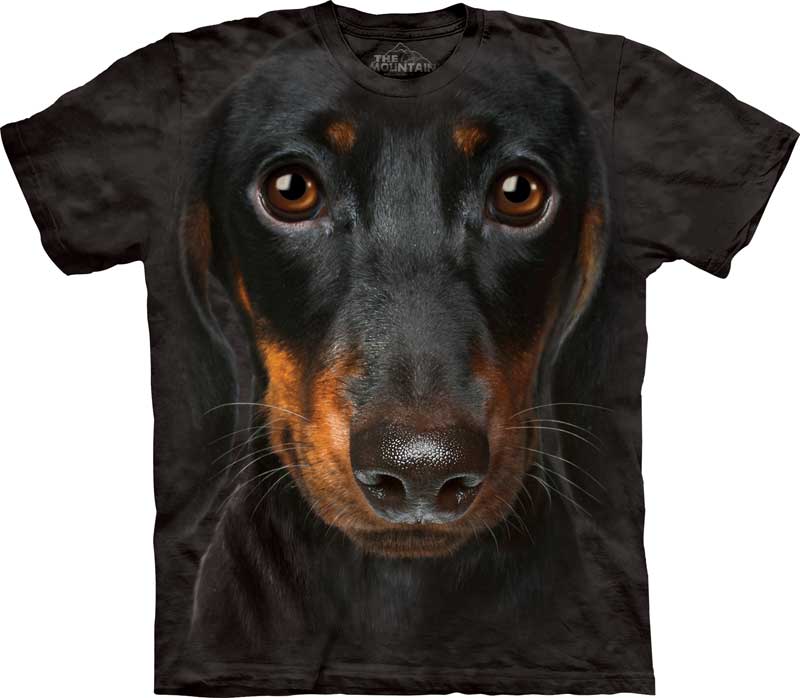
A typical dachshund is long-bodied and muscular, with short, stubby legs. Its front paws are unusually large and paddle-shaped, for extreme digging. Long coated dachshunds have a silky coat and short featherings on legs and ears. It has skin that is loose enough not to tear while tunneling in tight burrows to chase prey. The dachshund has a deep chest that provides increased lung capacity for stamina when hunting prey underground. Its snout is long with an increased nose area that absorbs odors.
Leave A Comment
You must be logged in to post a comment.