
The World Through a Dog’s Eyes: Understanding Dog Vision and Color
Most people assume dogs see the world just like we do, only less sharply. But dog eyesight works in a different way that changes how they pick up colors. Understanding dog vision reveals they actually notice blues and yellows more than other shades. If you want to see the world through your dog’s eyes, keep reading to learn what dogs color vision really looks like and why it matters. Learn more here.
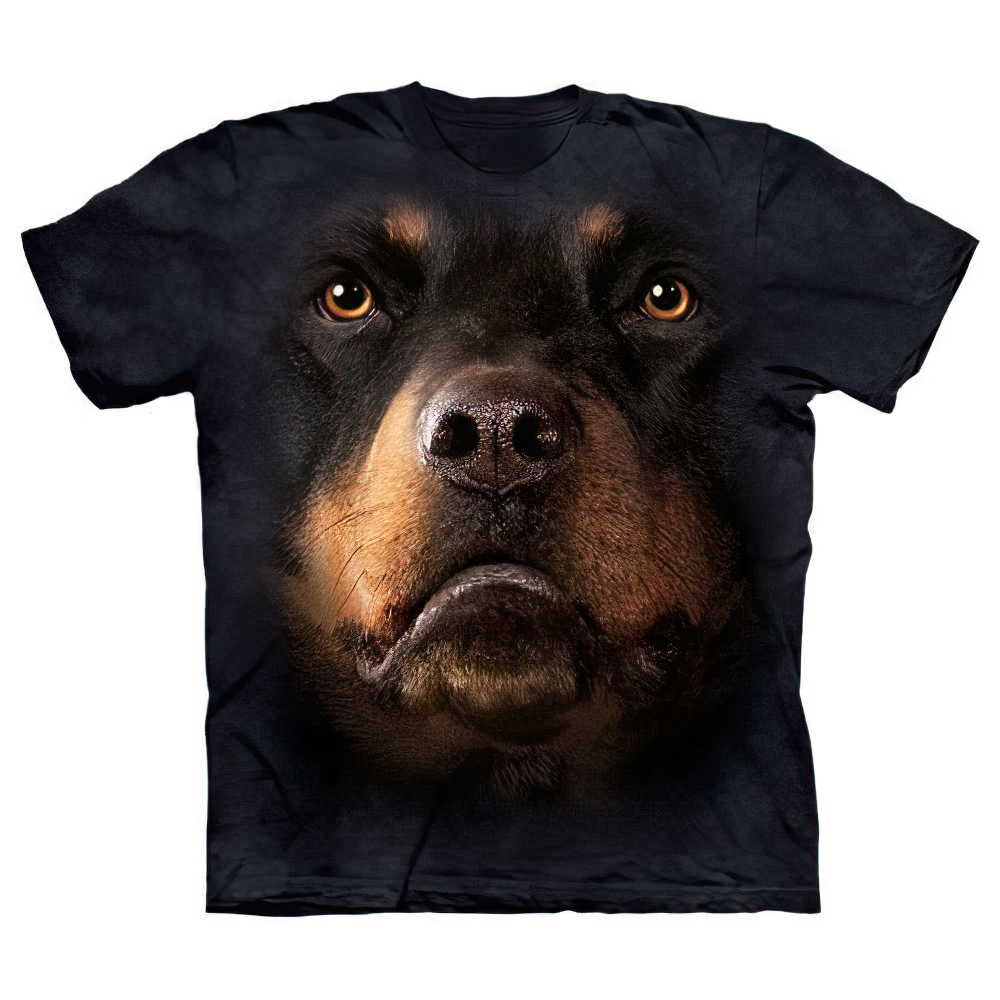
Have you seen our selection of beautiful dog t-shirts?
Understanding Dog Vision
Dogs see the world in a unique way that influences their daily life and interactions. By exploring their vision, you can better understand their behaviors and needs.
How Dogs See the World
Dogs perceive their surroundings with a focus on movement and contrast rather than detailed clarity. Their eyes are structured for spotting motion. This trait helps them notice small shifts around them quickly. It’s a survival advantage, inherited from their ancestors who needed to hunt.
The way dogs see is tailored for their role as hunters. They don’t rely on vivid details, as human eyesight does. Instead, detecting motion helps them track prey or play with speed and agility. This innate ability makes them excellent companions in activities that involve movement.
Differences From Human Vision
While humans see a full spectrum of colors, dogs perceive the world differently. Their eyes have fewer types of color receptors. As a result, they see fewer hues. This doesn’t mean they see in black and white, though; their vision is just more limited in color range.
Dogs have stronger night vision compared to humans. Their eyes have more rod cells, which are crucial for seeing in low light. This means they can navigate their environment even when it’s dark. Such features are what separate their vision from ours and make them unique.
Colors Dogs Can See
Now that you understand the basics of dog vision, it’s time to dive into the specifics of the colors they can see. You’ll be surprised to learn what colors stand out to them.
Blue and Yellow Spectrum
Dogs primarily see blues and yellows, with other colors appearing as shades of gray. This is due to their dichromatic vision. While humans have three types of cones to detect colors, dogs only have two. This limits their color perception to a narrower spectrum.
For instance, a bright red toy may appear as a dull brown to a dog, while a blue ball stands out vividly. Understanding this can help you choose toys and design spaces that are more appealing to your dog. When you know what colors they see best, you can make their environment more stimulating.

You will love our cute dog shirts!
Impact on Daily Life
The colors dogs see can affect their daily activities. When choosing items for your dog, consider how they perceive them. A blue or yellow toy can engage them more effectively than other colors. This is particularly important for training or playtime.
In your dog’s world, colors aren’t just about aesthetics; they’re functional. By selecting colors they see well, you enhance their play sessions and training experiences. This small adjustment can make a big difference in their engagement and happiness.
The Science Behind Canine Perception
Delving into the science of dog eyesight reveals fascinating insights into their evolutionary history. You’ll see how their vision grants them specific advantages.
Structure of Dog Eyesight
Dog eyes are built for functionality over color variety. They have a higher density of rod cells, which improves their night vision and motion detection. This structure reflects their needs as both hunters and companions.
While their color range is limited, their ability to see in low light is a trade-off that serves them well. This feature allows dogs to adapt to various environments, making them versatile creatures. The scientific design of their eyes caters to survival and companionship.
Evolutionary Advantages
Dogs evolved to rely on senses other than color to thrive. Their ancestors needed to hunt and navigate diverse terrains. Thus, their eyesight developed to focus on movement and low-light vision. These traits were essential in their natural habitat.
Today, these evolutionary features still benefit them. They help dogs excel in roles such as service animals or hunters. Their ability to detect motion and see in the dark supports their functionality in diverse settings.
Enhancing Your Dog’s Environment
Armed with the knowledge of how dogs see, you can create an environment that caters to their vision. This enhances their experiences and strengthens your bond.
Creating Colorful Spaces
Designing spaces with your dog’s vision in mind can improve their quality of life. Use colors they can see clearly—blues and yellows—when decorating their areas. This can be as simple as adding a blue dog bed or yellow feeding bowls.
Such thoughtful touches make their environment more engaging. Creating a vibrant space isn’t just visually appealing; it’s functional. Your dog will respond positively to an environment tailored to their perception.
Toys and Tools for Better Engagement
Choose toys that fit within the color spectrum dogs can see. A blue fetch ball or yellow chew toy can keep your dog entertained for longer periods. Selecting the right colors enhances their playtime and keeps them mentally stimulated.
When training, use tools that stand out to them visually. This increases their focus and engagement. With the right equipment, you make every session productive and enjoyable for your dog.
Common Myths About Dog Vision
Understanding truth from myth about dog vision can help you make better decisions for your pet. Let’s explore some common misconceptions.
Debunking Misconceptions
Many believe that dogs see in black and white, but this is not true. While their color perception is limited, they do see some colors. The misconception arises from their dichromatic vision, which contrasts with the full-color spectrum humans see.
Another myth is that dogs have poor eyesight overall. In reality, their eyes are adapted for specific functions—spotting movement and seeing in the dark. These abilities are strengths, not weaknesses, in their vision.
Facts Every Dog Owner Should Know
Knowing the facts about your dog’s vision helps you enhance their life. Remember that their eyesight is designed for detecting motion and seeing in low light. Use this knowledge to select toys and design environments that cater to their strengths.
Embrace the differences in how your dog sees the world. By tailoring their environment to suit their vision, you enrich their experiences every day. With this understanding, you can better meet their needs and strengthen your connection with them.

Feel free to visit our entire selection of animal shirts

The Ultimate Halloween Animal Shirt Gift Guide
The Ultimate Halloween Animal Shirt Gift Guide Halloween is just around the corner, and finding the perfect gift for animal lovers can feel like a challenge. You want something that captures spooky fun without losing that adorable animal charm. This Halloween animal shirt gift guide offers a handpicked selection of cute Halloween shirts featuring playful […]

30 Funny Halloween Animal T-Shirts You’ll Want to Wear This October
30 Funny Halloween Animal T-Shirts You’ll Want to Wear This October Funny Halloween T-shirts rarely get the spotlight they deserve. Most Halloween outfits stick to the usual spooky clichés, leaving little room for personality. This collection of quirky T-shirt designs combines spooky animal apparel with a playful twist, perfect for your October fashion lineup. From […]

25 Spooky Animal T-Shirt Ideas for Halloween
25 Spooky Animal T-Shirt Ideas for Halloween Most Halloween t-shirts blend spooky and silly, but finding spooky animal shirts that truly stand out can be tricky. If you’re an animal lover who wants to show off your passion while capturing the Halloween vibe, these pet costume t-shirts offer the perfect mix. Keep reading to see […]
What to Wear to a Halloween Party: Animal-Themed T-Shirt Ideas
What to Wear to a Halloween Party: Animal-Themed T-Shirt Ideas Forget everything you know about Halloween costumes. You don’t need a full outfit to stand out at your next party. With the right Halloween animal t-shirts, you can mix comfort and style while showing off your love for animals. Let’s explore some clever costume shirt […]
The Best Halloween Shirts for Dog Moms and Dog Dads
The Best Halloween Shirts for Dog Moms and Dog Dads Halloween is the perfect time to show off your love for your furry friend, but finding the right Halloween dog shirts can be tricky. You want something that blends spooky fun with your role as a proud dog mom or dad. This post lines up […]
20 Halloween Animal Shirts That Are Perfect for Trick-or-Treating
20 Halloween Animal Shirts That Are Perfect for Trick-or-Treating Trick-or-treating outfits don’t have to be scary or complicated to stand out. These 20 Halloween animal shirts mix playful charm with just the right spooky touch, perfect for kids and adults ready to celebrate. From cartoon animal shirts to cozy Halloween shirts for trick or treating, […]


Leave A Comment
You must be logged in to post a comment.