
Meet the Brainiacs of the Animal Kingdom: The Top 10 Smartest Animals with Mind-Blowing Skills
Forget everything you think you know about animal smarts. Some creatures solve problems, use tools, and communicate in ways that challenge our ideas about intelligence. In this list of the smartest animals, you’ll see how their cognitive abilities go far beyond instinct, shaping how they survive and connect with the world around them. Get ready to meet the top intelligent species that will change how you see animal intelligence forever. Learn more about these fascinating creatures here.

Have you seen our selection of beautiful animal t-shirts?
Intelligence in the Animal Kingdom
Animal intelligence captivates our curiosity, revealing unexpected layers of complexity in nature. Animals showcase impressive cognitive skills that challenge our understanding of intelligence. This section delves into the essence of what makes certain animals stand out.
Defining Smartest Animals
When we talk about the smartest animals, we refer to those with exceptional cognitive abilities. These animals can solve complex problems, communicate effectively, and even use tools. Dolphins, for example, have been observed using sea sponges to protect their snouts while foraging. Such behaviors indicate advanced thinking beyond basic survival instincts.
Birds like crows and parrots also demonstrate high intelligence. Crows have been known to use tools, while parrots can mimic human speech and solve puzzles. These traits highlight the diverse definitions of intelligence across species. Each animal showcases its unique way of thinking, which contributes to its survival and interaction with the environment.
Importance of Animal Intelligence
Understanding animal intelligence helps us appreciate the richness of life on Earth. It reveals the intricate ways animals adapt and thrive in their habitats. This knowledge can lead to more effective conservation strategies. Recognizing the intelligence of animals like elephants and great apes fosters empathy and encourages us to protect their natural environments.
Moreover, studying animal intelligence expands our understanding of the brain’s capabilities. It challenges our assumptions about human superiority. Discovering that animals possess problem-solving skills and emotional depth invites a more compassionate view of the animal kingdom.
Measuring Cognitive Abilities
Measuring animal intelligence involves observing behaviors and testing problem-solving skills. Researchers use different methods to assess cognitive abilities. For instance, they might present an animal with a puzzle that requires innovative thinking to solve. One study found that octopuses can escape from sealed containers, demonstrating their cleverness.
These tests help identify the smartest animals and understand how their brains work. Observing their behavior in natural settings provides insights into their daily lives. This knowledge can influence our approach to wildlife conservation and enhance our appreciation for these intelligent beings.
Top Intelligent Species Overview
Exploring the top intelligent species offers a glimpse into the fascinating world of animal cognition. We’ll uncover the criteria used for ranking and the traits these remarkable creatures share. Prepare to be amazed by the talents and skills of these animals.
Ranking Criteria Explained
Ranking the smartest animals involves evaluating various factors. Researchers consider problem-solving abilities, social interactions, and tool use. For instance, while chimpanzees excel in tool-making, dolphins are known for their complex social structures. Each animal’s unique traits contribute to its overall intelligence rating.
Studies often use a combination of field observations and controlled experiments to determine rankings. By analyzing these aspects, researchers can create a comprehensive list of the top intelligent species. This approach provides a well-rounded view of animal intelligence, highlighting the diversity of skills across species.
Common Traits of Smart Animals
Smart animals often share certain characteristics. They typically have large brains relative to their body size. This allows for complex thought processes and advanced problem-solving capabilities. Social animals like elephants and dolphins exhibit emotional intelligence, forming strong bonds with their peers.
Communication is another trait seen in intelligent species. Parrots can mimic human speech, while dolphins use a variety of sounds to interact with each other. These abilities enable animals to navigate their environments effectively and adapt to changing situations. Such traits are crucial for survival and success in the wild.
Unique Skills in Animal Intelligence
Each intelligent species showcases unique skills that set them apart. Some animals excel at mimicking behaviors, while others demonstrate remarkable problem-solving abilities. For example, octopuses can open jars to access food, showcasing their innovative thinking.
Ravens are known for their strategic planning and can hide food for later consumption. This foresight demonstrates their understanding of future needs. These examples highlight the diverse ways animals express intelligence, challenging our perceptions and inspiring further study.
Problem Solving in Animals
Animal problem-solving abilities reveal the depth of their intelligence and adaptability. This section explores examples of animals overcoming challenges and the impact on their survival. You’ll discover surprising similarities between animal and human problem-solving strategies.
Examples of Animal Problem Solving
Animals often display remarkable problem-solving skills. For instance, chimpanzees use sticks to extract termites from mounds. This behavior shows their ability to use tools to access food. Dolphins, on the other hand, create bubble nets to trap fish, demonstrating innovative hunting techniques.
Birds like crows can solve complex puzzles, such as retrieving food from tubes. These examples illustrate the wide range of problem-solving abilities in the animal kingdom. It challenges our understanding of intelligence and highlights the creativity present in nature.
Impact on Survival and Adaptation
Problem-solving skills play a crucial role in an animal’s ability to survive and adapt. Animals that can think creatively often find new ways to access resources or avoid predators. One study found that raccoons can open locks to reach food, showcasing their adaptability.
Such skills can be the difference between life and death in the wild. As environments change, animals with advanced cognitive abilities are better equipped to thrive. This adaptability ensures their continued survival and success across generations.
Animal Problem Solving and Humans
Animal problem-solving abilities offer valuable insights into our own cognitive processes. By studying these behaviors, researchers can draw parallels between animals and humans. This knowledge can inform fields such as robotics and artificial intelligence.
Understanding animal intelligence also promotes empathy and respect for other species. It reminds us that humans are not the only beings capable of complex thought. By appreciating the intelligence of animals, we can foster a more harmonious relationship with the natural world.
Tool Use Among Animals
Tool use is a hallmark of intelligence, showcasing an animal’s ability to manipulate their environment. This section highlights animals known for using tools and the cognitive skills involved. You’ll gain a deeper understanding of the evolution of tool use in the animal kingdom.
Animals That Use Tools
Several animals are known for their tool-using abilities. Chimpanzees are famous for using sticks to fish for termites. Dolphins use marine sponges to protect their snouts while foraging. These behaviors demonstrate a level of intelligence that goes beyond basic instincts.
Birds like New Caledonian crows create hooks from twigs to extract insects from tree bark. Elephants have been observed using branches to swat flies. These examples illustrate the diverse ways animals use tools, highlighting their creativity and adaptability.
Cognitive Abilities in Tool Use
Using tools requires advanced cognitive abilities. Animals must understand the relationship between the tool and the task at hand. They need to plan their actions and anticipate the outcome. This level of thinking showcases a sophisticated understanding of cause and effect.
Research shows that animals capable of tool use often have complex brain structures. These structures allow for higher-order thinking and problem-solving. One study found that chimpanzees possess the ability to plan several steps ahead when using tools. This highlights the cognitive depth involved in tool use.
Evolution of Tool Use in Animals
The evolution of tool use in animals provides insights into the development of intelligence. Over time, certain species have adapted their behaviors to enhance their survival. This adaptation often involves learning from others and passing knowledge down through generations.
Tool use can also drive evolutionary changes in brain structure. Animals that rely on tools may develop larger brains to accommodate advanced thinking. Studying this evolution helps us understand the origins of intelligence and the factors that shape it.
Highest IQ Animals Explored
Exploring the animals with the highest IQs reveals fascinating insights into their behaviors and capabilities. This section uncovers surprising facts and examines their interactions with humans. You’ll also learn about the future of studying animal intelligence.
Surprising Animal Intelligence Facts
Animals with high IQs often surprise us with their abilities. Did you know that octopuses can navigate mazes and solve puzzles? Or that African grey parrots can understand concepts like shape and color? These examples demonstrate the depth of animal intelligence.
Elephants display empathy and mourning behaviors, showing emotional complexity. Dolphins can recognize their reflections in mirrors, indicating self-awareness. These facts challenge our assumptions and inspire further exploration of animal cognition.
Interaction with Humans
The interaction between intelligent animals and humans often leads to unique relationships. Dogs, for example, have been bred for their ability to understand human commands and emotions. This bond has resulted in a deep companionship between the two species.
Primates in captivity often learn from humans, mimicking behaviors and solving problems. These interactions provide insights into the social and cognitive abilities of animals. They highlight the potential for mutual understanding and cooperation between species.
Future of Studying Animal Intelligence
The study of animal intelligence is ever-evolving, with new discoveries constantly reshaping our understanding. Advances in technology and research methods open doors to deeper insights. As we continue to explore animal cognition, we gain a greater appreciation for the diversity of life on Earth.
Future research may uncover unknown aspects of animal intelligence, further blurring the lines between humans and other species. This knowledge has the potential to transform our approach to conservation and deepen our connection with the natural world.
By exploring the intelligence of animals, we unlock a world of wonder and possibility. This journey enhances our understanding of life, encouraging us to protect and cherish the amazing creatures that share our planet.
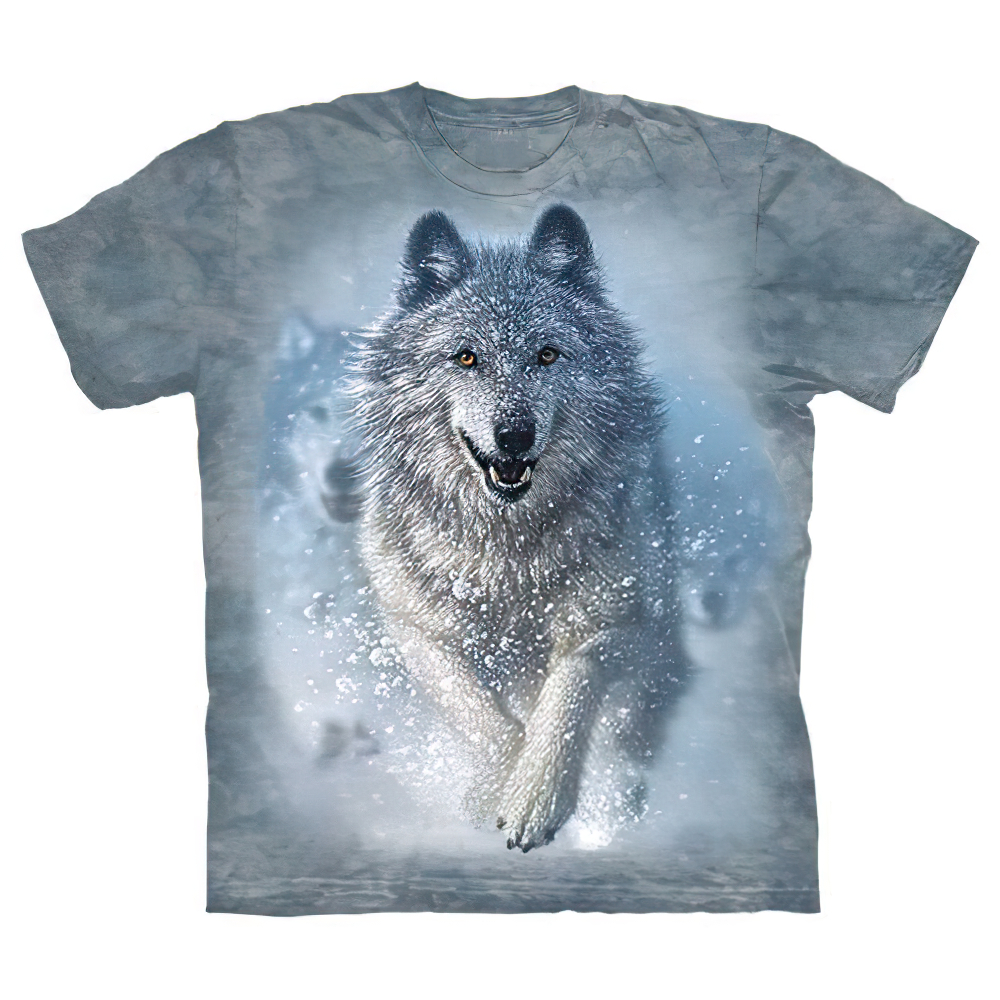
Feel free to visit our entire selection of animal shirts

The Ultimate Halloween Animal Shirt Gift Guide
The Ultimate Halloween Animal Shirt Gift Guide Halloween is just around the corner, and finding the perfect gift for animal lovers can feel like a challenge. You want something that captures spooky fun without losing that adorable animal charm. This Halloween animal shirt gift guide offers a handpicked selection of cute Halloween shirts featuring playful […]
30 Funny Halloween Animal T-Shirts You’ll Want to Wear This October
30 Funny Halloween Animal T-Shirts You’ll Want to Wear This October Funny Halloween T-shirts rarely get the spotlight they deserve. Most Halloween outfits stick to the usual spooky clichés, leaving little room for personality. This collection of quirky T-shirt designs combines spooky animal apparel with a playful twist, perfect for your October fashion lineup. From […]

25 Spooky Animal T-Shirt Ideas for Halloween
25 Spooky Animal T-Shirt Ideas for Halloween Most Halloween t-shirts blend spooky and silly, but finding spooky animal shirts that truly stand out can be tricky. If you’re an animal lover who wants to show off your passion while capturing the Halloween vibe, these pet costume t-shirts offer the perfect mix. Keep reading to see […]
What to Wear to a Halloween Party: Animal-Themed T-Shirt Ideas
What to Wear to a Halloween Party: Animal-Themed T-Shirt Ideas Forget everything you know about Halloween costumes. You don’t need a full outfit to stand out at your next party. With the right Halloween animal t-shirts, you can mix comfort and style while showing off your love for animals. Let’s explore some clever costume shirt […]
The Best Halloween Shirts for Dog Moms and Dog Dads
The Best Halloween Shirts for Dog Moms and Dog Dads Halloween is the perfect time to show off your love for your furry friend, but finding the right Halloween dog shirts can be tricky. You want something that blends spooky fun with your role as a proud dog mom or dad. This post lines up […]
20 Halloween Animal Shirts That Are Perfect for Trick-or-Treating
20 Halloween Animal Shirts That Are Perfect for Trick-or-Treating Trick-or-treating outfits don’t have to be scary or complicated to stand out. These 20 Halloween animal shirts mix playful charm with just the right spooky touch, perfect for kids and adults ready to celebrate. From cartoon animal shirts to cozy Halloween shirts for trick or treating, […]


Leave A Comment
You must be logged in to post a comment.