
From Howls to Hunts: The Intricate World of Animal Communication in Wolf Packs
Wolves in the wild don’t just howl for fun. Their vocalizations and body signals carry clear messages about who rules the territory, who leads the pack, and when it’s time to hunt. If you want to understand wolf communication, you’ll see how every bark, scent mark, and gesture fits into a complex social puzzle that keeps the pack alive and working together. Let’s explore how wolves interact and what their language reveals about their world. To learn more about their fascinating communication methods, visit this resource.

Have you seen our selection of beautiful animal t-shirts?
The Language of Howls
Wolves communicate in many ways, but their howls are the most iconic. These vocalizations tell a story of connection, territory, and survival.
Understanding Wolf Vocalizations
When you think about wolf communication, their howls often come to mind first. But what do these sounds mean? Howls are more than just noise—they’re a form of animal communication that serves several purposes. Wolves howl to rally the pack, warn intruders, and even express emotions like loneliness. Each howl carries specific information, helping the pack maintain its social bonds.
Did you know that wolves can recognize each other’s howls? Just like you can identify a friend’s voice, wolves can pick out individual members of their pack. This level of recognition is crucial for keeping the pack together. Learn more about wolf vocalizations.
The Purpose Behind the Howl
Why do wolves howl? It’s more than just a nighttime serenade. Howling helps wolves communicate over long distances, which is essential for pack coordination. Imagine being in a dense forest—you can’t always see each other, but you can hear. This is how wolves keep in touch while on the move or when separated.
Howling also plays a role in territory marking. Wolves use their howls to warn other packs to stay away. It’s a vocal boundary line, saying, “This is our space.” This way, wolves can avoid unnecessary conflicts and maintain their territory.
Comparing Howls and Barks
While howls are famous, barks are another vital part of wolf communication. But how do they differ? Howls are long and melodious, carrying over large distances. Barks, on the other hand, are short and sharp, used for immediate alerts.
Think of barks as a wolf’s version of a quick shout. They’re often used when a wolf senses danger or wants to quickly grab the pack’s attention. Barks don’t travel as far as howls, but they’re perfect for close-range communication.
Body Language and Gestures
Beyond sounds, wolves use body language to communicate. Their movements and postures reveal much about their social world.
Interpreting Wolf Body Language
Wolves are experts in non-verbal communication. They use their bodies to express everything from dominance to submission. A raised tail or pricked ears can indicate confidence. Meanwhile, a lowered tail or averted gaze may signal submission.
These gestures are not random. Each movement conveys a message, helping to maintain harmony within the pack. For instance, when a wolf lowers its head, it’s often showing respect to a higher-ranking pack member.
Social Hierarchy Through Gestures
Body language plays a crucial role in establishing and maintaining social order. Higher-ranking wolves often display dominant postures, such as standing tall or placing their paw over another wolf.
These gestures help reinforce the pack’s hierarchy without conflict. Instead of fighting, wolves use body language to communicate their status. This reduces tension and keeps the pack functioning smoothly.
Subtle Signals in Pack Dynamics
Wolves are constantly communicating, even with subtle signals. A flick of the ear, a tail wag, or a lick can convey important messages. These small gestures help wolves coordinate actions and maintain social bonds.
By observing these signals, you can gain insight into a wolf’s mood and intentions. Understanding these subtle cues is key to interpreting wolf social structures.
Scent Marking Communication
Wolves rely on scent as much as sound and sight. Their noses tell them about the world around them and help define their territory.
The Role of Scent in Territory
Scent marking is vital for wolves. They use urine and feces to mark their territory, sending a clear message to other packs. These scent marks act like invisible fences, warning others to keep out.
A wolf’s keen sense of smell allows it to detect these markings from far away. This olfactory communication helps avoid conflicts and ensures the pack’s territory remains secure.
Scent Marking as a Social Tool
Beyond territory, scent marking serves as a social tool within the pack. Wolves can identify each other through scent, which strengthens their social bonds. By marking shared locations, they reinforce their group identity.
When a wolf returns to a familiar scent mark, it’s like checking in with the rest of the pack. These scent markers help maintain unity and keep the pack informed of each other’s whereabouts.
Chemical Signals and Pack Cohesion
Chemical signals in wolf scent communicate more than just territory. They convey information about age, health, and reproductive status. This information helps wolves make decisions about mating and pack dynamics.
By understanding chemical signals, wolves can choose the best mates and maintain healthy pack relationships. These signals are a vital part of the complex tapestry of wolf communication.
Coordination During Hunts
Communication is key to a successful hunt. Wolves rely on vocal and physical cues to coordinate their efforts.
Strategies for Group Hunting
Wolves are skilled hunters, and their success depends on teamwork. During a hunt, wolves use vocalizations and gestures to strategize. They may split into smaller groups to surround prey, increasing their chances of a successful capture.
By working together, wolves can take down larger prey than they could alone. This cooperation is a testament to their social intelligence and communication skills.
Vocal and Physical Coordination
While hunting, wolves use a combination of vocal and physical signals. Short barks or yips might guide a pack member into position. Meanwhile, body language helps maintain the group’s formation.
This coordination requires precise communication. Each wolf must know its role and anticipate the others’ actions. It’s a finely-tuned dance that ensures the pack’s survival.
Success Through Communication
A successful hunt is the ultimate payoff for effective communication. By working together, wolves secure food for the pack. This success strengthens their social bonds and reinforces the importance of communication.
The longer you wait to understand these dynamics, the more you miss out on the fascinating world of wolf communication. For more insights, visit this link.
Social Structures of Wolf Packs
A wolf pack is more than just a group; it’s a complex social unit. Understanding these structures reveals the depth of their interactions.
Leadership and Hierarchy
Every wolf pack has a leader, often called the alpha. This wolf guides the pack and makes key decisions. Leadership is determined by strength, intelligence, and social skills.
The pack’s hierarchy is not fixed. It’s based on merit and can change over time. This fluidity ensures that the most capable wolves lead, benefiting the whole pack.
Cooperation Among Pack Members
Cooperation is vital for survival. Wolves rely on each other for hunting, protection, and raising pups. This teamwork requires strong communication and mutual trust.
By working together, wolves achieve more than they could individually. This cooperation is the foundation of their success in the wild.
How Wolves Interact in the Wild
Wolves in the wild are constantly communicating. Whether through howls, body language, or scent, they’re always sharing information. This continuous interaction keeps the pack cohesive and responsive to changes.
By observing these interactions, you can gain a deeper understanding of wolf social structures. Their communication methods are a testament to their intelligence and adaptability.
For additional reading, check out this detailed guide.
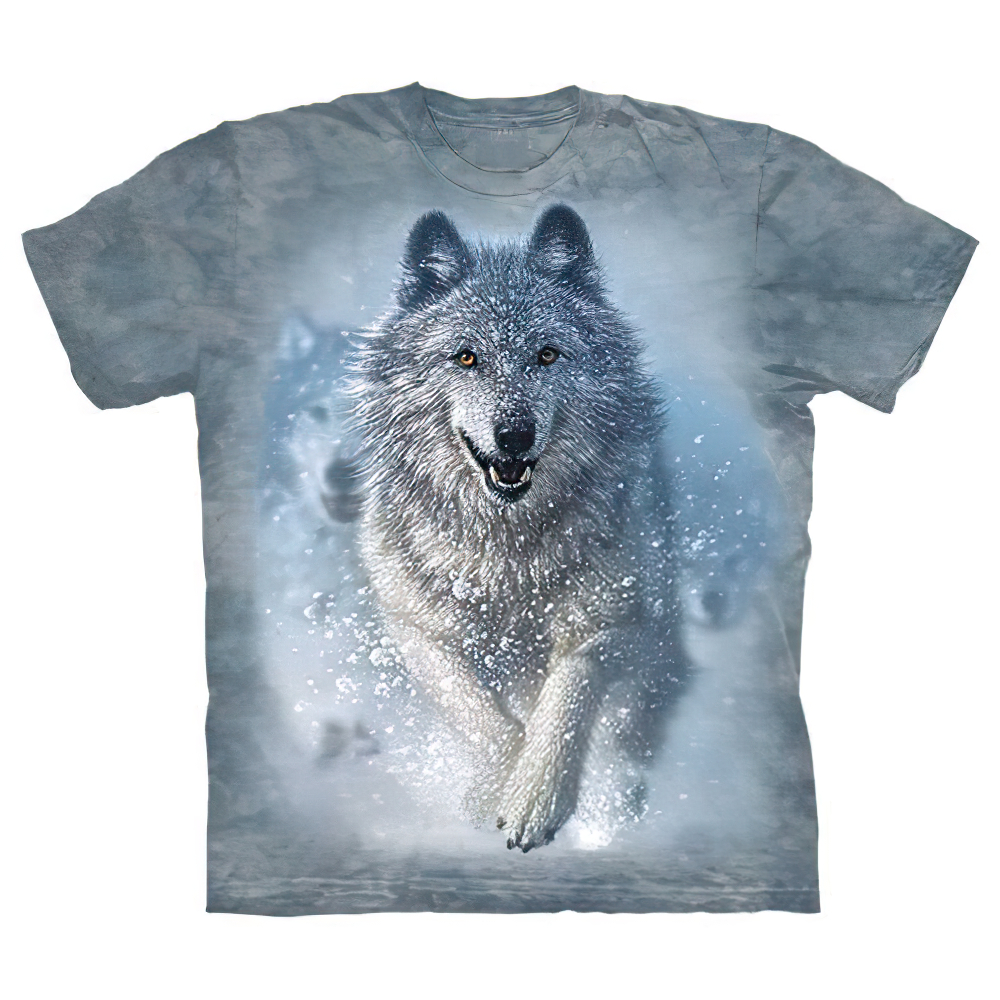
Feel free to visit our entire selection of animal shirts
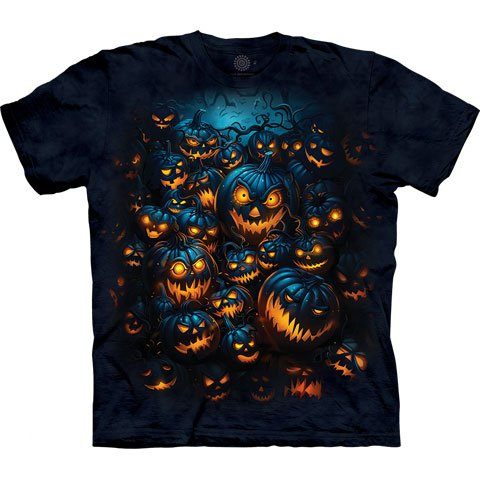
The Ultimate Halloween Animal Shirt Gift Guide
The Ultimate Halloween Animal Shirt Gift Guide Halloween is just around the corner, and finding the perfect gift for animal lovers can feel like a challenge. You want something that captures spooky fun without losing that adorable animal charm. This Halloween animal shirt gift guide offers a handpicked selection of cute Halloween shirts featuring playful […]
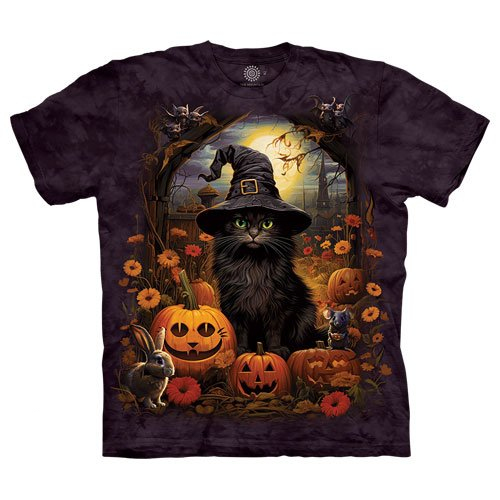
30 Funny Halloween Animal T-Shirts You’ll Want to Wear This October
30 Funny Halloween Animal T-Shirts You’ll Want to Wear This October Funny Halloween T-shirts rarely get the spotlight they deserve. Most Halloween outfits stick to the usual spooky clichés, leaving little room for personality. This collection of quirky T-shirt designs combines spooky animal apparel with a playful twist, perfect for your October fashion lineup. From […]
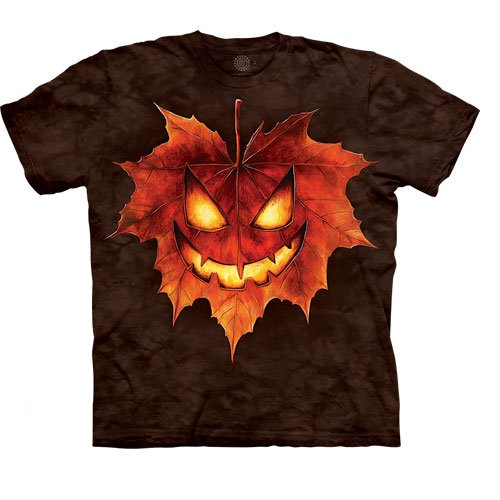
25 Spooky Animal T-Shirt Ideas for Halloween
25 Spooky Animal T-Shirt Ideas for Halloween Most Halloween t-shirts blend spooky and silly, but finding spooky animal shirts that truly stand out can be tricky. If you’re an animal lover who wants to show off your passion while capturing the Halloween vibe, these pet costume t-shirts offer the perfect mix. Keep reading to see […]
What to Wear to a Halloween Party: Animal-Themed T-Shirt Ideas
What to Wear to a Halloween Party: Animal-Themed T-Shirt Ideas Forget everything you know about Halloween costumes. You don’t need a full outfit to stand out at your next party. With the right Halloween animal t-shirts, you can mix comfort and style while showing off your love for animals. Let’s explore some clever costume shirt […]
The Best Halloween Shirts for Dog Moms and Dog Dads
The Best Halloween Shirts for Dog Moms and Dog Dads Halloween is the perfect time to show off your love for your furry friend, but finding the right Halloween dog shirts can be tricky. You want something that blends spooky fun with your role as a proud dog mom or dad. This post lines up […]
20 Halloween Animal Shirts That Are Perfect for Trick-or-Treating
20 Halloween Animal Shirts That Are Perfect for Trick-or-Treating Trick-or-treating outfits don’t have to be scary or complicated to stand out. These 20 Halloween animal shirts mix playful charm with just the right spooky touch, perfect for kids and adults ready to celebrate. From cartoon animal shirts to cozy Halloween shirts for trick or treating, […]

Leave A Comment
You must be logged in to post a comment.