
Tigers vs. Wolves: A Tale of Solitary Hunters and Pack Animals
Forget everything you think you know about big cats hunting in packs. Tigers have perfected a different way, relying on solitary hunting that sharpens their predatory instincts and territorial skills. When you explore tigers behavior and big cat adaptations, you’ll see how these powerful animals thrive alone, carving out their own space in the wild. This glimpse into tiger territory offers a fresh perspective on wildlife conservation efforts.

Have you seen our selection of beautiful animal t-shirts?
Evolution of Solitary Hunters
To understand why tigers choose to hunt alone, we first explore how big cats have adapted over time. These adaptations have enabled them to excel as solitary hunters, setting them apart from pack animals.
The Rise of Big Cat Adaptations
Big cats have evolved unique features to succeed in their environments. Tigers, for instance, boast incredible strength and stealth, which are crucial for solitary hunting. With powerful limbs and keen senses, they stalk their prey silently, ensuring a successful ambush. The tiger’s distinct physical attributes, such as retractable claws and a muscular build, enhance its hunting prowess.
On the other hand, pack animals like wolves rely on their numbers. In contrast, tigers depend on their individual abilities. This reliance on solitary skills has refined their predatory instincts, making them excellent hunters. Over time, these adaptations have shaped the way tigers interact with their surroundings.
Unique Tigers Behavior
Tigers exhibit fascinating behaviors that support their solitary lifestyle. Unlike other big cats, tigers are highly territorial and often roam vast areas alone. This behavior reduces competition for resources, allowing them to dominate their territory. A single tiger’s territory can range from 20 to 400 square miles, depending on prey availability and habitat.
These majestic creatures communicate through scent markings and vocalizations. Scent marking is a vital tool for tigers, helping them establish boundaries and warn others to stay away. This behavior not only protects their territory but also ensures their survival in the wild.
Predatory Instincts of Tigers
The tiger’s predatory instincts are finely tuned for solitary hunting. With acute senses and unparalleled stealth, tigers can approach their prey undetected. Their ability to blend into their surroundings makes them formidable hunters. Tigers often hunt at dusk or dawn, taking advantage of low-light conditions to catch their prey off guard.
This precise timing and strategy highlight the tiger’s intelligence and adaptability. Their focus on individual skills has allowed them to thrive in diverse habitats. As solitary hunters, tigers have honed their instincts to perfection, making them one of the most efficient predators on the planet.
Territorial Instincts and Habits
The territorial nature of tigers is a key aspect of their solitary lifestyle. Understanding how tigers define and defend their territory sheds light on their survival strategies.
Defining Tiger Territory
Tigers are known for their large territories, which they fiercely protect. Each tiger’s territory serves as its personal hunting ground, ensuring access to food and resources. The size of a tiger’s territory varies based on several factors, including prey density and habitat type. In areas with abundant prey, territories may be smaller, while in regions with scarce resources, tigers roam larger areas.
A tiger’s territory is marked by scent markings and scratch marks on trees. These signals warn other tigers to stay away, reducing conflicts and ensuring a peaceful coexistence. This strong territorial instinct is crucial for a solitary hunter’s survival.
Marking and Defending Boundaries
Tigers use scent markings to delineate their territory’s boundaries. These markings convey critical information about the tiger’s presence and status. By marking trees and rocks with their scent, tigers communicate with others without direct confrontation. This method of communication maintains order and minimizes aggressive encounters.
When intruders enter a tiger’s territory, the resident tiger will defend its boundaries aggressively. This behavior is vital for protecting their resources and ensuring their survival. The tiger’s commitment to maintaining its territory is a testament to its solitary nature.
Impact on Tiger Populations
The territorial instincts of tigers have significant implications for their populations. As solitary hunters, tigers require ample space to thrive. Habitat loss and human encroachment pose substantial threats to their survival. Protecting tiger habitats is crucial for maintaining healthy populations.
Conservation efforts focus on preserving large, contiguous areas to support tiger territories. By understanding the territorial behavior of tigers, we can better address the challenges they face and work toward their conservation.
Wolves: The Power of the Pack
While tigers thrive as solitary hunters, wolves embody the power of teamwork. Their pack dynamics offer a different perspective on survival and success in the wild.
Benefits of Pack Dynamics
Wolves are social animals that rely on cooperation to thrive. Living in packs provides numerous advantages, including increased hunting success and protection. By working together, wolves can take down larger prey that would be impossible for a single wolf to manage.
Within a pack, each member has a role that contributes to the group’s success. This division of labor allows wolves to specialize in different tasks, enhancing their overall efficiency. The strength of the pack lies in its unity and cooperation.
Social Structure and Roles
A wolf pack operates with a well-defined social structure. Each pack is led by an alpha pair, responsible for making decisions and leading hunts. Other pack members play various roles, such as hunters, caretakers, and protectors. This division of labor ensures the pack’s survival and success.
Social bonds within the pack are strong, and wolves communicate through vocalizations and body language. These interactions strengthen the pack’s cohesion and facilitate cooperation. The social structure of wolves highlights the importance of teamwork in their survival strategy.
Hunting Strategies and Success
Wolves excel in coordinated hunting strategies. By working together, they can effectively track and capture prey. Wolves often use a combination of strategy and endurance to exhaust their prey before making the final attack. This teamwork ensures a higher success rate in hunts.
In contrast to solitary hunters, the pack’s strength lies in its ability to work as a cohesive unit. This approach allows wolves to thrive in environments where cooperation is essential. The pack’s hunting strategies underscore the power of collaboration in the animal kingdom.
Comparing Tigers and Wolves
Examining the differences between tigers and wolves offers valuable insights into their adaptations and survival strategies.
Contrasting Solitary and Pack Hunting
Tigers and wolves represent two distinct approaches to hunting. Tigers rely on their individual skills and stealth to catch prey. This solitary approach requires them to be highly self-reliant and adaptable.
In contrast, wolves depend on teamwork and coordination. By hunting in packs, they can tackle larger prey and ensure a reliable food supply. The contrasting strategies of tigers and wolves highlight the diverse ways animals adapt to their environments.
Adaptations to Their Environments
Both tigers and wolves have evolved adaptations that suit their respective lifestyles. Tigers possess physical traits that enable them to succeed as solitary hunters. Their strength, stealth, and territorial instincts are finely tuned for individual success.
Wolves, on the other hand, have developed social behaviors that enhance their survival as pack animals. Their ability to communicate and cooperate allows them to thrive in challenging environments. The adaptations of both species demonstrate the diversity of strategies in the natural world.
Lessons for Wildlife Conservation
Understanding the contrasting strategies of tigers and wolves provides valuable lessons for wildlife conservation. Protecting habitats that support both solitary and social animals is essential for preserving biodiversity. By recognizing the unique needs of each species, conservation efforts can be tailored to ensure their long-term survival.
Conservationists can draw inspiration from the resilience and adaptability of these animals. By learning from their strategies, we can work to protect and preserve the natural world.
Conservation Efforts and Challenges
The conservation of tigers and wolves presents unique challenges. Protecting their habitats and ensuring their survival requires a multifaceted approach.
Protecting Tiger Habitats
Habitat preservation is crucial for maintaining healthy tiger populations. Efforts focus on safeguarding large, contiguous areas that support tiger territories. By protecting these habitats, we provide tigers with the space they need to thrive.
Conservation initiatives also aim to mitigate human-wildlife conflict. By promoting coexistence and understanding the needs of tigers, we can reduce threats to their survival. Protecting tiger habitats is essential for ensuring their future.
Supporting Wolf Populations
Preserving wolf populations involves addressing challenges such as habitat loss and human encroachment. Conservation efforts focus on maintaining large, connected areas that support pack dynamics. By protecting these habitats, we ensure the survival of wolves and their social structures.
Education and outreach play a vital role in promoting coexistence between humans and wolves. By fostering understanding and appreciation for these animals, we can support their conservation.
The Role of Human Intervention
Human intervention is crucial for the conservation of both tigers and wolves. Efforts include habitat preservation, conflict mitigation, and education. By working together, we can ensure the survival of these iconic species.
Conservationists, governments, and communities must collaborate to address the challenges facing these animals. By taking action today, we can protect their future and preserve the natural world for generations to come.
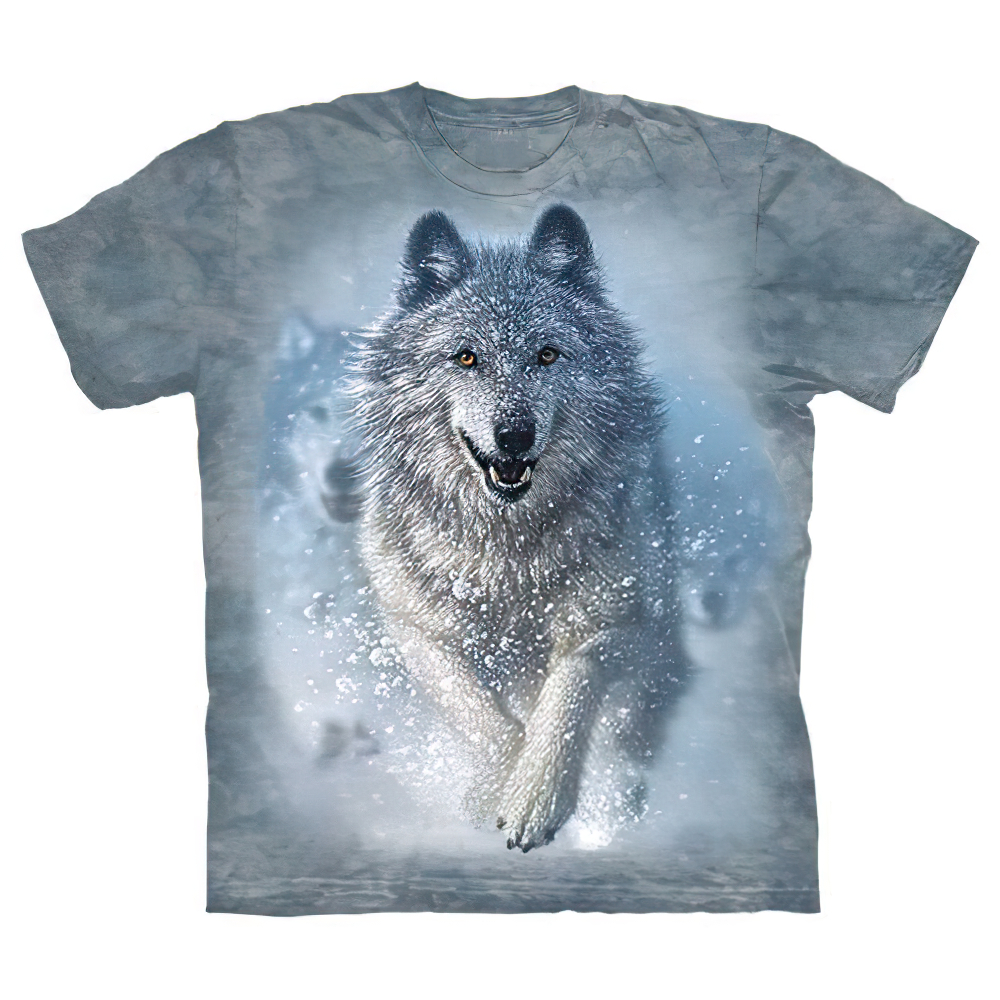
Feel free to visit our entire selection of animal shirts

The Ultimate Halloween Animal Shirt Gift Guide
The Ultimate Halloween Animal Shirt Gift Guide Halloween is just around the corner, and finding the perfect gift for animal lovers can feel like a challenge. You want something that captures spooky fun without losing that adorable animal charm. This Halloween animal shirt gift guide offers a handpicked selection of cute Halloween shirts featuring playful […]

30 Funny Halloween Animal T-Shirts You’ll Want to Wear This October
30 Funny Halloween Animal T-Shirts You’ll Want to Wear This October Funny Halloween T-shirts rarely get the spotlight they deserve. Most Halloween outfits stick to the usual spooky clichés, leaving little room for personality. This collection of quirky T-shirt designs combines spooky animal apparel with a playful twist, perfect for your October fashion lineup. From […]

25 Spooky Animal T-Shirt Ideas for Halloween
25 Spooky Animal T-Shirt Ideas for Halloween Most Halloween t-shirts blend spooky and silly, but finding spooky animal shirts that truly stand out can be tricky. If you’re an animal lover who wants to show off your passion while capturing the Halloween vibe, these pet costume t-shirts offer the perfect mix. Keep reading to see […]
What to Wear to a Halloween Party: Animal-Themed T-Shirt Ideas
What to Wear to a Halloween Party: Animal-Themed T-Shirt Ideas Forget everything you know about Halloween costumes. You don’t need a full outfit to stand out at your next party. With the right Halloween animal t-shirts, you can mix comfort and style while showing off your love for animals. Let’s explore some clever costume shirt […]
The Best Halloween Shirts for Dog Moms and Dog Dads
The Best Halloween Shirts for Dog Moms and Dog Dads Halloween is the perfect time to show off your love for your furry friend, but finding the right Halloween dog shirts can be tricky. You want something that blends spooky fun with your role as a proud dog mom or dad. This post lines up […]
20 Halloween Animal Shirts That Are Perfect for Trick-or-Treating
20 Halloween Animal Shirts That Are Perfect for Trick-or-Treating Trick-or-treating outfits don’t have to be scary or complicated to stand out. These 20 Halloween animal shirts mix playful charm with just the right spooky touch, perfect for kids and adults ready to celebrate. From cartoon animal shirts to cozy Halloween shirts for trick or treating, […]



Leave A Comment
You must be logged in to post a comment.