
From Algae to Elegance: The Impact of Diet on Flamingo Health and Hue
A group of flamingos is called a “flamboyance” for good reason—their bright pink hue stands out in any setting. That color comes straight from carotenoid pigments found in their diet of algae and shrimp. But their flamingo coloration isn’t just about looks; it reveals key bird health indicators you might not expect. Let’s explore how the diet of flamingos shapes not only their stunning shade but also their social behavior in the wild. For more on what flamingos eat, check out this link.
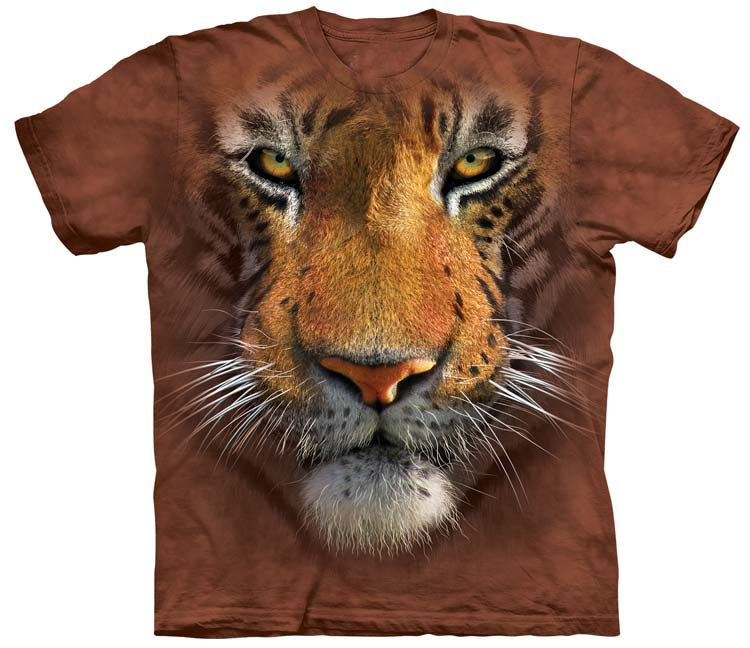
Have you seen our selection of beautiful animal t-shirts?
Flamingo Coloration and Diet
Flamingos captivate us with their vibrant hues, but how does their diet impact this visual spectacle?
Carotenoid Pigments in Flamingos
Carotenoids are the secret to flamingos’ stunning pink color. These pigments, found in algae and shrimp, are vital for flamingos. When flamingos consume carotenoid-rich food, their bodies metabolize the pigments, leading to their iconic pink plumage. It’s fascinating to note that without these pigments, flamingos would be pale. The vibrant color of flamingos is not just for show; it’s an indicator of their health and diet. A well-fed flamingo is a colorful one, showcasing its vitality through its feathers. If you’re curious about the specifics of how diet influences these pink hues, you might find this resource insightful.
Diet of Flamingos and Health
A flamingo’s diet is a cornerstone of its health. Flamingos consume a diet rich in carotenoids, which are essential for maintaining their vibrant colors. Shrimp and algae are top menu items. These diets are not just about appearance; they play a crucial role in the bird’s health. A diet rich in carotenoids boosts their immune system and helps with reproduction. Therefore, a colorful flamingo is often a healthy one. For more on flamingos’ diet, visit this link.
Flamingo Diet Impact on Hue
Did you know flamingos aren’t born pink? Their diet gradually turns them pink over time. The more carotenoid-rich food they consume, the brighter and more vibrant their color becomes. Young flamingos start with gray feathers and transform as they age, thanks to their diet. A flamingo’s hue is a direct reflection of its nourishment. This transformation process captivates many bird enthusiasts who observe these changes over time. Learn more about this fascinating transformation here.
Social Behavior of Flamingos
Flamingos are not just about looks; their social behavior is equally intriguing.
Flamboyance of Flamingos
Ever wondered why flamingos gather in large groups? It’s a social strategy that benefits these birds. Being part of a “flamboyance” helps protect them from predators. The sheer number creates safety in numbers. This social structure also plays a role in mating, as more potential mates are available within the group. Plus, the collective beauty of a flamboyance is a sight to behold. Such gatherings are not just for survival; they foster social interactions and bonding.
Flamingo Behavior and Color
Color plays a significant role in a flamingo’s social life. The brighter the flamingo, the more attractive it appears to potential mates. This color-based attraction is crucial during mating seasons. Flamingos often preen to maintain their color, showcasing their fitness and health. The interplay between behavior and color is an essential aspect of their social structure. Most people think flamingos are just beautiful birds, but their color serves as a social tool too.
Baby Flamingo Socialization
Baby flamingos, or chicks, start life in a nurturing environment. They are born gray and rely heavily on their parents for food, which eventually leads to their coloration. Socialization begins early, with chicks huddling in “creches,” groups that provide warmth and protection. This early social life sets the stage for their future in larger flamboyances. It’s amazing how these young birds learn social cues that will guide them throughout their lives.
Flamingo Habitat and Lifestyle
Flamingos thrive in diverse habitats, and each environment shapes their lifestyle.
Flamingo Habitat and Diet
Flamingos are adaptable birds, often found in saline or alkaline lakes. These habitats provide the algae and shrimp they need. While some birds might struggle in such environments, flamingos thrive. The availability of carotenoid-rich food sources in these areas directly influences their diet and, in turn, their color. The choice of habitat is not random; it’s a calculated decision for survival and health.
Flamingo Facts and Myths
Flamingos are surrounded by myths and misconceptions. One common myth is that all flamingos are pink. In reality, their color varies depending on diet and location. Another myth is that flamingos are lazy, often depicted as standing still. In truth, flamingos are active and social birds, constantly interacting with their environment. Understanding these facts helps dispel myths and appreciate the true nature of these birds.
Pink Flamingo in Popular Culture
Flamingos have found a place in popular culture, from lawn ornaments to tattoos. Their striking appearance makes them a symbol of beauty and grace. In Florida, they’re a beloved icon, often associated with tropical vibes. The pink flamingo is more than just a bird; it’s a cultural phenomenon. Whether it’s a flamingo drink or a greater flamingo sighting, these birds continue to inspire and fascinate.
In summary, flamingos are a testament to the power of diet and social structure in the animal kingdom. From their vivid colors to their complex social lives, they remind us of the beauty and diversity in nature.
Have you seen our selection of beautiful animal t-shirts?
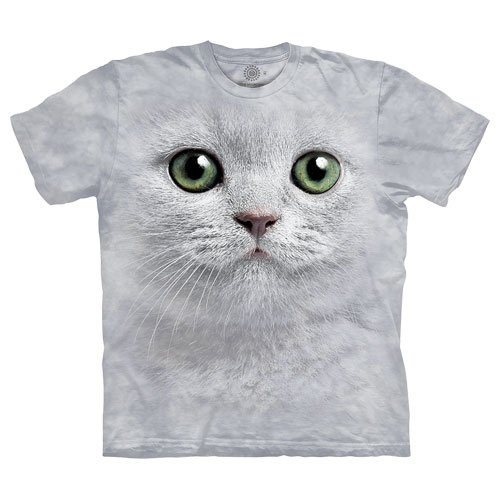
Best Animal T-Shirts for Men Who Love Wildlife
Best Animal T-Shirts for Men Who Love Wildlife Most animal t-shirts blend into the background, leaving your love for wildlife unnoticed. You want shirts that speak louder than words, showcasing majestic lions, soaring eagles, and vibrant marine life with style. This guide highlights the best animal t-shirts for men, combining bold graphics with comfort and […]
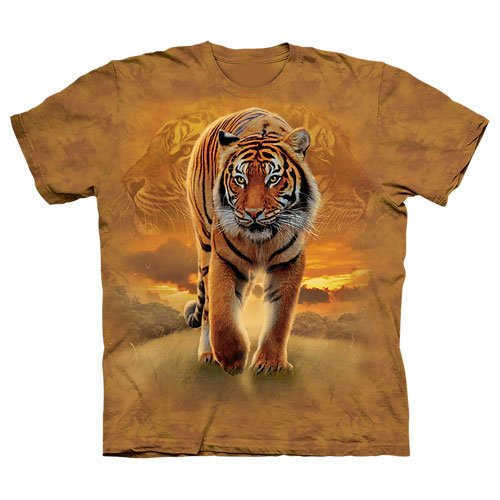
Best Tiger Shirts for Tiger Lovers
Best Tiger Shirts for Tiger Lovers Tiger shirts often miss the mark, leaving fans with dull prints that don’t capture the wild spirit of these majestic cats. If you’ve been hunting for the best tiger apparel that blends bold artistry with comfort, your search ends here. This post highlights tiger print t-shirts and stylish tiger […]
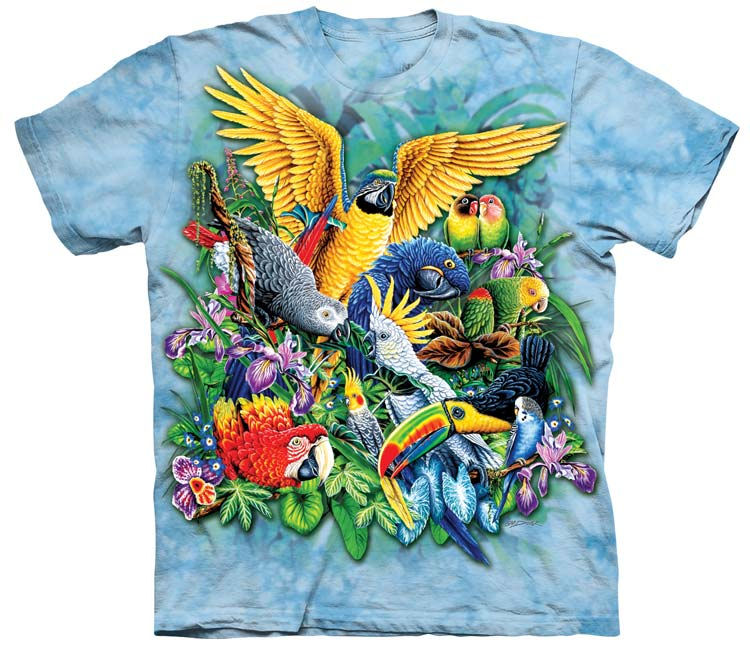
Best Bird Shirts for Bird Lovers
Best Bird Shirts for Bird Lovers Bird shirts aren’t just for casual wear anymore—they’ve become a statement for anyone who loves the colors and charm of feathered friends. If you want bird lover apparel that stands out, you’ll want to see the styles blending art and nature in fresh ways. This post highlights bird-themed t-shirts […]

Best Eagle Shirts for Eagle Lovers
Best Eagle Shirts for Eagle Lovers Eagle shirts don’t have to be ordinary. If you want to wear your passion for these powerful birds with style, the options out there can surprise you. From bold graphic eagle tees to subtle nature inspired clothing, the right eagle apparel makes a statement without sacrificing comfort. Keep reading […]

Best Bear Shirts for Wildlife Lovers
Best Bear Shirts for Wildlife Lovers Most bear shirts out there miss the mark between style and comfort. You want wildlife clothing that feels as good as it looks and truly captures the spirit of these powerful creatures. In this post, you’ll find bear graphic tees that balance charming artwork with bold designs, perfect for […]

Best Animal Shirts for Nature Lovers
Best Animal Shirts for Nature Lovers Forget plain tees that don’t say much about who you are. If you love the wild, your wardrobe should shout it loud and clear with the best animal shirts out there. These nature lover apparel pieces mix eye-catching wildlife graphic tees with comfort and style, perfect for anyone who […]


Leave A Comment
You must be logged in to post a comment.