
Camouflage and Identity: The Fascinating World of Tiger Stripes
Tiger stripes aren’t just beautiful to look at; they’re nature’s perfect blend of art and function. Each tiger wears its own unique pattern of stripes, much like a human fingerprint, making tiger identification a fascinating subject. These stripes aren’t just about good looks; they play a crucial role in tiger camouflage, allowing these majestic creatures to disappear into the dappled shadows of their forest homes. As we explore the genetic factors that shape these patterns, we gain insight into the rich biodiversity that makes each tiger so special. So, whether you’re a wildlife enthusiast, a conservationist, or someone who simply loves animals, understanding the magic behind tiger stripes can inspire us all to protect their habitats and ensure their survival. For more on the allure of animal patterns, visit Animal Shirt.
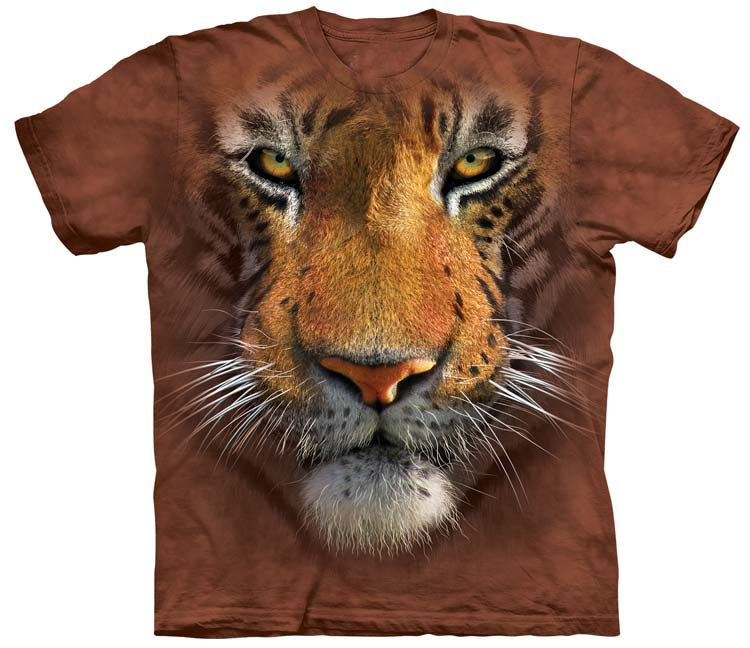
Check out all our beautiful Tiger shirts!
The Uniqueness of Tiger Stripes
Tiger stripes are one of nature’s most intriguing designs, offering more than just aesthetic value. They serve as vital identifiers, similar to human fingerprints. The origins of these unique patterns lie in a mix of genetic makeup and environmental factors, each contributing to the individuality of every tiger.
Stripes as Fingerprints
The uniqueness of tiger stripes is akin to human fingerprints. No two tigers share the same pattern, allowing for individual identification. This uniqueness aids in studies of tiger populations, providing insights into their behaviors and interactions.
Stripes are more than camouflage; they are a key mechanism for individual recognition. Tigers use these markings to identify each other, which plays a role in their social dynamics. This identification is crucial during mating or when establishing territories.
Understanding these patterns can also aid in conservation efforts. By recognizing individual tigers, researchers can track their movements and monitor health and population dynamics more accurately. This knowledge is vital for devising effective conservation strategies.
Genetic Factors of Stripes
The genetic makeup of a tiger largely dictates its stripe pattern. Genes influence the number, width, and arrangement of stripes, creating a blueprint for each tiger’s unique appearance.
Research into tiger genetics has revealed certain genes responsible for stripe formation. Genetic diversity within tiger populations can result in a wide range of stripe patterns, contributing to the species’ biodiversity.
Understanding the genetic underpinnings can help in breeding programs. By ensuring genetic diversity, these programs can maintain healthy populations and safeguard against genetic disorders. This is crucial for the long-term survival of tigers in the wild.
Environmental Influences on Patterns
While genetics set the stage, the environment also plays a role in shaping tiger stripes. The habitat in which a tiger lives can affect how its stripes develop and how effective they are as camouflage.
In denser forests, stripes tend to be more pronounced and numerous, aiding in blending with shadows and foliage. In contrast, tigers in open grasslands may have lighter, sparser stripes that match the dappled sunlight.
This adaptability highlights the importance of environmental conservation. Protecting diverse habitats ensures tigers can maintain their camouflage advantages, which is crucial for their survival and hunting efficiency.
The Role of Camouflage
Camouflage is a critical function of tiger stripes, ensuring their survival in the wild. These patterns allow tigers to blend seamlessly into their surroundings, avoiding detection by both prey and potential threats. Understanding this role can enhance our appreciation of their natural habitats.
Camouflage in Natural Habitats
Tiger camouflage is most effective in their natural habitats, where light and shadow create a complex backdrop. Stripes mimic the play of light through trees and grass, allowing tigers to approach prey undetected.
This camouflage is vital for hunting success. By blending in, tigers can get closer to prey, increasing their chances of a successful kill. This stealth approach is essential for their survival, as failed hunts can result in long periods without food.
Preserving natural habitats is crucial for maintaining the effectiveness of this camouflage. Habitat destruction can disrupt these natural patterns, making it harder for tigers to hunt and increasing their vulnerability.
Predator and Prey Dynamics
The relationship between predator and prey is a delicate balance, with tiger stripes playing a pivotal role. Stripes offer tigers the advantage of surprise, critical in the predator-prey dynamic.
For prey, recognizing a camouflaged predator can mean the difference between life and death. Many prey species have evolved keen senses to detect patterns and movement, but the tiger’s stripes often give it the edge.
These dynamics demonstrate the evolutionary arms race between predators and prey. Understanding these interactions can inform conservation strategies, ensuring both predator and prey populations remain balanced and healthy.
Significance in Tiger Identification
Tiger stripes are essential for identification, providing researchers and conservationists with a natural tool for studying these magnificent animals. This identification aids in monitoring tiger populations and implementing effective conservation efforts.
Individual Recognition Among Tigers
Each tiger’s unique stripe pattern allows for individual recognition. Tigers recognize each other by their stripes, which plays a role in their social interactions and territorial disputes.
Recognition is vital during mating, ensuring that tigers select the best mates and maintain genetic diversity. It also helps avoid conflicts, as tigers can recognize familiar individuals and avoid unnecessary confrontations.
This ability to recognize individuals is a cornerstone of their social structure. Understanding these dynamics can aid in conservation efforts, ensuring that social groups remain stable and healthy.
Check out all our beautiful Tiger shirts!
Field Research and Tracking
Field research relies heavily on tiger identification through stripe patterns. Researchers use photographs and software to catalog these patterns, aiding in tracking and monitoring individual tigers.
This identification allows researchers to gather data on tiger movements, health, and population dynamics. By tracking these factors, conservationists can assess the success of protection efforts and adjust strategies as needed.
Tracking tigers through their stripes provides a non-invasive method for studying these animals, minimizing stress and disruption. This approach is crucial for gaining insights into their natural behaviors and ensuring their long-term survival.
Biodiversity and Conservation
Biodiversity is vital for the health of ecosystems, and tigers play a key role in maintaining this balance. Conserving tiger populations is essential not only for the species itself but for the broader ecosystem they inhabit.
Importance of Biodiversity
Biodiversity ensures ecosystems function effectively. Tigers are apex predators, influencing the populations of other species and maintaining ecological balance.
Healthy tiger populations can control prey numbers, preventing overgrazing and ensuring vegetation diversity. This balance supports a wide range of other species, contributing to a robust and resilient ecosystem.
Preserving biodiversity through tiger conservation benefits all levels of the ecosystem. It ensures the resilience of ecosystems in the face of environmental changes, supporting a wide array of plant and animal life.
Habitat Protection Strategies
Protecting tiger habitats is a cornerstone of conservation efforts. Strategies focus on preserving and restoring natural environments, ensuring tigers have the space and resources they need.
Efforts include creating protected areas, restoring degraded habitats, and establishing wildlife corridors. These measures ensure tigers can roam freely, find mates, and access food sources.
Community involvement is crucial. Educating local populations on the importance of tiger conservation and involving them in protection efforts can lead to more sustainable outcomes. This approach benefits both the local communities and the ecosystems they inhabit.
Future of Tiger Conservation
The future of tiger conservation relies on addressing current challenges and leveraging new opportunities to ensure the survival of this iconic species. Global collaboration and innovation are key to overcoming these obstacles.
Challenges and Opportunities
Tiger conservation faces numerous challenges, including habitat loss, poaching, and human-wildlife conflict. Addressing these requires innovative solutions and collaboration among governments, NGOs, and local communities.
Opportunities exist in the form of technological advancements. Tools like camera traps, drones, and genetic analysis improve monitoring and data collection, enhancing conservation efforts.
By exploring these opportunities, conservationists can develop more effective strategies. This proactive approach is essential for overcoming challenges and ensuring the long-term survival of tigers in the wild.
Community and Global Efforts
Community involvement and global collaboration are pivotal for successful tiger conservation. Local communities play a critical role in protecting habitats and reducing human-wildlife conflict.
Global efforts, such as international agreements and funding, support local initiatives and enhance their impact. Collaborative projects, like transboundary conservation areas, provide tigers with larger territories and diverse habitats.
Through community engagement and international cooperation, we can create a sustainable future for tigers. By working together, we ensure that these magnificent creatures continue to roam the wild for generations to come. For more information on tiger conservation and how you can help, visit Animal Shirts.
Check out all our beautiful Tiger shirts!

Best Animal T-Shirts for Men Who Love Wildlife
Best Animal T-Shirts for Men Who Love Wildlife Most animal t-shirts blend into the background, leaving your love for wildlife unnoticed. You want shirts that speak louder than words, showcasing majestic lions, soaring eagles, and vibrant marine life with style. This guide highlights the best animal t-shirts for men, combining bold graphics with comfort and […]
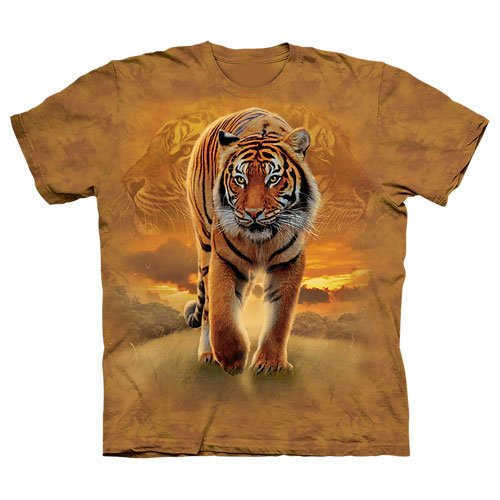
Best Tiger Shirts for Tiger Lovers
Best Tiger Shirts for Tiger Lovers Tiger shirts often miss the mark, leaving fans with dull prints that don’t capture the wild spirit of these majestic cats. If you’ve been hunting for the best tiger apparel that blends bold artistry with comfort, your search ends here. This post highlights tiger print t-shirts and stylish tiger […]
Best Bird Shirts for Bird Lovers
Best Bird Shirts for Bird Lovers Bird shirts aren’t just for casual wear anymore—they’ve become a statement for anyone who loves the colors and charm of feathered friends. If you want bird lover apparel that stands out, you’ll want to see the styles blending art and nature in fresh ways. This post highlights bird-themed t-shirts […]

Best Eagle Shirts for Eagle Lovers
Best Eagle Shirts for Eagle Lovers Eagle shirts don’t have to be ordinary. If you want to wear your passion for these powerful birds with style, the options out there can surprise you. From bold graphic eagle tees to subtle nature inspired clothing, the right eagle apparel makes a statement without sacrificing comfort. Keep reading […]

Best Bear Shirts for Wildlife Lovers
Best Bear Shirts for Wildlife Lovers Most bear shirts out there miss the mark between style and comfort. You want wildlife clothing that feels as good as it looks and truly captures the spirit of these powerful creatures. In this post, you’ll find bear graphic tees that balance charming artwork with bold designs, perfect for […]

Best Animal Shirts for Nature Lovers
Best Animal Shirts for Nature Lovers Forget plain tees that don’t say much about who you are. If you love the wild, your wardrobe should shout it loud and clear with the best animal shirts out there. These nature lover apparel pieces mix eye-catching wildlife graphic tees with comfort and style, perfect for anyone who […]
Leave A Comment
You must be logged in to post a comment.