

Unleashing the Beasts: The Most Dangerous Dinosaur Predators in History
In the vast and mysterious world of prehistoric creatures, few captivate the imagination quite like the dangerous dinosaurs that once roamed our planet. Among these formidable giants, the Tyrannosaurus rex and Spinosaurus stand out as the most iconic dinosaur predators, each with unique traits that secured their place at the top of the food chain. Fossil evidence reveals fascinating insights into their behavior, anatomy, and hunting strategies, painting a vivid picture of what made them such effective apex predators. By delving into their world, we uncover the secrets of their dominance and draw intriguing comparisons to the fiercest predators of today. Join us as we journey back in time to explore the deadly dance of these ancient titans and discover what lessons they hold for modern science enthusiasts and aspiring paleontologists alike. For more fascinating insights, check out this article on Tyrannosaurus rex vs Spinosaurus.
The Reign of Tyrannosaurus Rex
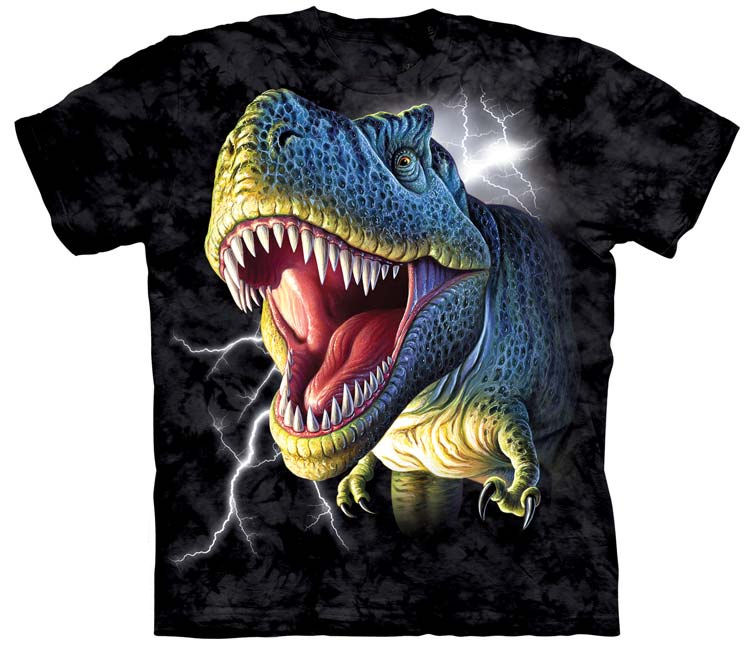
The Tyrannosaurus rex is perhaps the most well-known of all dinosaur predators. Its reign as an apex predator is supported by fossil evidence that reveals its formidable traits and behaviors. Understanding these aspects helps us appreciate its dominance and offers insights into the broader dynamics of dangerous dinosaurs.
Apex Predator Traits
The Tyrannosaurus rex possessed several traits that defined its status as an apex predator. It was a massive creature, with robust jaws and sharp teeth designed to crush bones. Its keen sense of smell and forward-facing eyes provided excellent depth perception, crucial for hunting. Its physical build allowed for bursts of speed, essential for ambushing prey.
-
Strong limbs: Supported swift, powerful movements.
-
Vocalization: Likely used for communication or intimidation.
-
Intelligent behavior: Displayed signs of strategic hunting.
These attributes set the T. rex apart from other predators of its time, making it a fearsome hunter. Explore more about its traits here.
Fossil Evidence Insights
Fossil evidence of the Tyrannosaurus rex gives us glimpses into its life. Paleontologists have found numerous well-preserved specimens, which offer critical insights into its anatomy and lifestyle. These fossils show evidence of healed injuries, indicating survival from combat or accidents.
-
Bone structure: Reveals muscular build.
-
Teeth marks: Suggests feeding habits and interactions.
-
Growth rings: Provide data on lifespan and maturity.
Such findings help us reconstruct its behavior and ecological role. You can read more about these discoveries here.
Behavioral Comparisons
When comparing the behavior of the Tyrannosaurus rex with other predators, both ancient and modern, we see interesting parallels. Like today’s apex predators, the T. rex likely engaged in strategic hunting and territorial dominance.
-
Pack behavior: Some evidence suggests social hunting.
-
Territorial displays: Likely involved in displays of power.
-
Parental care: Possible nurturing of young, much like birds.
Such analogies help paleontologists draw connections between extinct and extant predators. For further insights, explore more about these behaviors here.
Spinosaurus: The Aquatic Hunter
The Spinosaurus presents a unique evolutionary path compared to its terrestrial counterparts. Known for its semi-aquatic lifestyle, this predator developed distinct adaptations that made it a formidable hunter in both water and land habitats.
Unique Hunting Adaptations
Spinosaurus had several adaptations that aided its hunting strategy. Its long, crocodile-like snout and conical teeth were ideal for catching fish, while its elongated body and sail-like structure suggested a strong swimmer.
-
Webbed feet: Aided in aquatic movement.
-
Nasal positioning: Allowed breathing while submerged.
-
Balance adaptations: Supported its dual lifestyle.
These adaptations highlight its distinct niche among dangerous dinosaurs. Discover more about its unique traits here.
Fossil Discoveries and Analysis
Fossil discoveries of the Spinosaurus have shed light on its anatomy and lifestyle. Notable finds include partial skeletons that offer clues about its size and environment.
-
Vertebrae structure: Indicates strong swimming capabilities.
-
Jaw composition: Shows adaptation for piscivory (fish-eating).
-
Environmental context: Fossils found in riverine settings.
These analyses suggest a predator well-suited to life in water-dominated landscapes. For a deeper look into these discoveries, visit here.
Comparing Modern Predators
Comparing the Spinosaurus to modern predators reveals interesting parallels. It shares similarities with aquatic hunters like crocodiles and certain seabirds, which rely on similar adaptations for survival.
|
Feature |
Spinosaurus |
Crocodile |
Seabird |
|---|---|---|---|
|
Snout shape |
Long, narrow |
Long, narrow |
Beak-like |
|
Hunting habitat |
Aquatic |
Aquatic |
Coastal |
|
Prey type |
Fish, small prey |
Fish, mammals |
Fish |
These comparisons provide insights into the ecological roles of such predators. Learn more about these parallels here.
Other Notorious Dinosaur Predators
Beyond the famous Tyrannosaurus rex and Spinosaurus, several other dangerous dinosaurs roamed prehistoric landscapes. Each of these predators had unique attributes that made them formidable hunters in their own right.
Velociraptor’s Deadly Tactics
The Velociraptor is renowned for its cunning hunting tactics. Fossils reveal it likely hunted in packs, utilizing speed and intelligence to outmaneuver prey. Equipped with a sickle-shaped claw on each foot, it could deliver lethal strikes.
-
Agility: Quick movements to catch prey.
-
Tactics: Possible coordination in pack hunting.
-
Size advantage: Relied on speed over strength.
These tactics made the Velociraptor one of the most efficient predators of its size. For more details on its hunting strategies, explore here.
Allosaurus: The Jurassic Giant
Allosaurus was a dominant predator of the Jurassic period. Its robust build and sharp claws allowed it to take down large prey. Studies suggest it may have been an opportunistic hunter, attacking sick or young animals.



Leave A Comment
You must be logged in to post a comment.