

Understanding Dinosaur Survival: The Last Moments of a Lost Era
Dinosaurs have long captivated our imaginations, with their mysterious extinction offering intriguing insights into resilience and survival. As we delve into the world of dinosaur survival, we focus on the last known species that roamed the Earth during the Late Cretaceous period. By examining fossil evidence, we can piece together the ecological conditions that shaped their existence and the remarkable dinosaur adaptations that emerged in response to their changing environment. Join us as we explore the fascinating narrative of these ancient creatures and uncover the secrets of their final days before the mass extinction event that ended an era. For more on the Cretaceous period, visit this educational resource.

Dinosaur Survival in Context
In understanding the survival dynamics of dinosaurs, it’s crucial to place them within the broader context of their time. The Late Cretaceous period presents a pivotal era, marking the last chapter of the dinosaurs’ reign on Earth. This period was characterized by significant changes that played a role in their eventual decline, leading up to the mass extinction event.
Late Cretaceous Period Overview
The Late Cretaceous period spanned from approximately 100 to 66 million years ago. It was a time of dramatic ecological transformation. During this era, the Earth’s continents were configured differently, influencing climate patterns and ocean currents. The period saw the rise of flowering plants, which began to dominate many landscapes.
Geographically, vast inland seas existed, dividing landmasses and creating diverse ecosystems. This period was also marked by high volcanic activity, contributing to global climatic shifts. The increased volcanic activity emitted large amounts of carbon dioxide, resulting in a greenhouse effect that raised global temperatures.
In terms of biodiversity, the Late Cretaceous was rich. Dinosaurs thrived alongside a myriad of other species, including early mammals and birds. The complexity of these ecosystems highlights how adaptation and survival were woven into the very fabric of life. For a more detailed overview of this era, the Wikipedia page offers extensive information.
Mass Extinction Event Explained
The mass extinction event that marked the end of the Cretaceous period is one of the most significant events in Earth’s history. Known as the Cretaceous-Paleogene (K-Pg) extinction event, it resulted in the disappearance of nearly 75% of Earth’s species, including all non-avian dinosaurs.
Scientists attribute this event primarily to a massive asteroid impact, evidenced by a layer of iridium-rich clay found globally. This impact triggered a series of catastrophic events: wildfires, tsunamis, and a “nuclear winter” effect due to dust and aerosols blocking sunlight.
The aftermath led to a rapid decline in temperatures and disrupted photosynthesis, collapsing food chains. Coupled with volcanic activity, these factors created an uninhabitable environment. This extinction event paved the way for mammals to rise in prominence. The Nature article provides a comprehensive analysis of these scientific findings.
Unveiling Fossil Evidence
Fossil evidence plays a crucial role in piecing together the history of dinosaur survival and extinction. By analyzing fossils, paleontologists can discern patterns and conditions that led to the dinosaurs’ decline. This evidence helps us understand the evolutionary pressures they faced and their strategies for survival in a rapidly changing world.
Key Fossil Discoveries
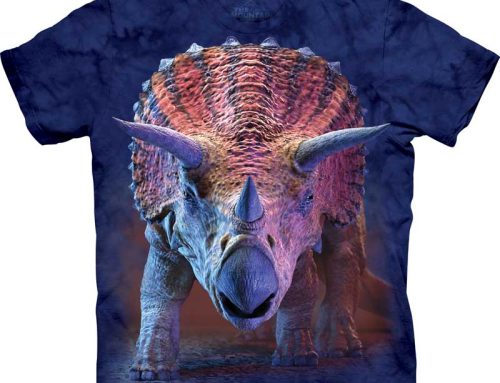
Throughout history, numerous fossil discoveries have illuminated the life and extinction of dinosaurs. One of the most significant finds is the fossilized remains of the Triceratops, which provide insights into the diversity of dinosaur species in the Late Cretaceous period.
The discovery of Triceratops fossils in North America highlights the adaptation strategies of herbivorous dinosaurs. Their three-horned skulls and frilled necks likely served both defensive and social functions. Such features indicate complex social behaviors and interactions with predators.
Moreover, the Hell Creek Formation in the United States has shed light on the diverse ecosystems that existed just before the extinction event. It contains a rich repository of both dinosaur and plant fossils, illustrating the biodiversity of the time. For enthusiasts and casual learners alike, sites like Animal Shirt offer a tangible connection to these ancient creatures.
Interpreting the Last Dinosaur Records
Interpreting the last dinosaur records is akin to constructing a complex puzzle. Paleontologists use stratigraphy and radiometric dating to accurately determine the age of fossils. This process involves analyzing the layers of sedimentary rock and the isotopes within them.
Recently, new methods have allowed for more precise dating, narrowing down the timeline of dinosaur extinction. Fossils from the Chicxulub crater vicinity have provided crucial data about the timing of the asteroid impact relative to dinosaur extinction. These records suggest a rapid decline in dinosaur populations, coinciding closely with the impact event.
Through these findings, we gain insights into how dinosaurs may have experienced their final days. The combination of environmental stressors and catastrophic events created a perfect storm, leading to their extinction. For a deeper dive into these studies, a visit to the Nature article is recommended.
Ecological Conditions of the Time
The ecological conditions of the Late Cretaceous period were dynamic and complex. These conditions shaped the survival strategies of dinosaurs, influencing their evolution and eventual extinction. By examining climate, geography, and biodiversity, we can better understand the environment in which these ancient creatures lived.
Climate and Geography Influences
During the Late Cretaceous, climate and geography played significant roles in shaping the ecosystems. The Earth experienced periods of warming, caused by high levels of carbon dioxide from volcanic eruptions. This contributed to a greenhouse effect, resulting in elevated global temperatures.
Geographically, the continental drift continued to reshape the world’s landmasses. This movement led to the formation of shallow inland seas and created isolated environments. Such fragmentation fostered diverse and unique ecosystems, allowing species to evolve in relative isolation.
The interplay between these factors created a patchwork of environments, each with distinct characteristics. This diversity of habitats helped certain species adapt, while others struggled to survive. For further reading, consult the detailed information available on Wikipedia.
Biodiversity of the Late Cretaceous
The biodiversity of the Late Cretaceous was rich and varied. This period saw the peak of dinosaur diversity, with numerous species adapting to different ecological niches. Dinosaurs such as the Tyrannosaurus rex and Triceratops were prominent during this era, each playing unique roles in their ecosystems.
These dinosaurs coexisted with early mammals, birds, and reptiles, creating a complex web of life. The diversification of flowering plants also altered food sources and habitats, influencing evolutionary paths.
Despite this diversity, the ecosystems were vulnerable to disruptions. The eventual mass extinction highlighted the fragility of even the most diverse systems. This intricate balance of life and the lessons it holds for modern ecosystems can be explored further on Animal Shirt.
Dinosaur Adaptations and Survival Strategies
Dinosaurs displayed a remarkable range of adaptations and survival strategies in response to their environment. These adaptations included both behavioral and physical changes that enhanced their ability to thrive in diverse ecological conditions. Understanding these strategies provides insights into the resilience and eventual decline of these ancient creatures.
Behavioral and Physical Adaptations
Dinosaurs exhibited a wide array of behavioral and physical adaptations. Many species developed unique physical traits, such as the armored bodies of Ankylosaurus and the swift bipedal locomotion of Velociraptor. These features provided protection and agility, crucial for survival against predators.
Behaviorally, some dinosaurs formed herds or packs, enhancing their defense mechanisms and foraging efficiency. Social behaviors, such as nesting and parental care, were also observed, indicating complex social structures.
Additionally, certain species adapted to specific ecological niches, such as aquatic environments. These adaptations highlight the dinosaurs’ ability to exploit a variety of habitats and resources. For a deeper dive into these adaptations, consider exploring resources like those offered by Animal Shirt for an engaging learning experience.
Factors Contributing to Short-lived Success
While many dinosaurs thrived in the Late Cretaceous, several factors contributed to their short-lived success. The interconnectedness of ecosystems meant that changes in one area could have ripple effects throughout.
Despite their adaptability, dinosaurs were unable to withstand the rapid and catastrophic changes brought on by the mass extinction event. The combination of environmental shifts and the impact of the asteroid was too severe for even the most resilient species.
Furthermore, the reliance on specific ecological niches made some dinosaurs more vulnerable to extinction. As these niches vanished, so did the species that depended on them. These lessons underscore the importance of adaptability and resilience, not only for ancient creatures but also for modern ecosystems. For related insights, visit the Nature article.
The Legacy of Dinosaurs
The legacy of dinosaurs extends far beyond their extinction. Their impact on Earth’s history is profound, influencing modern ecosystems and offering valuable lessons for the present and future. By examining their legacy, we gain a deeper appreciation for the resilience of life and the evolutionary processes that shape our world.
Impact on Modern Ecosystems
Dinosaurs have left an enduring impact on modern ecosystems. Their extinction paved the way for mammals to rise to dominance, altering the course of evolutionary history. The absence of dinosaurs allowed mammals and birds to diversify and occupy ecological niches once held by these giants.
Additionally, the fossil fuel deposits we rely on today, such as coal and oil, are partly derived from the remains of ancient ecosystems that included dinosaurs. These resources continue to shape human civilization and technological advancement.
Understanding this impact highlights the interconnectedness of life across time. It underscores the importance of preserving biodiversity and maintaining ecological balance. For more on the fascinating history of these creatures, check out Wikipedia.
Lessons from Dinosaur Extinction
The extinction of dinosaurs offers valuable lessons about the fragility and resilience of life. It serves as a powerful reminder of the impact of sudden environmental changes and the importance of adaptability for survival.
Key lessons include:
-
Adaptability is crucial in the face of changing environments.
-
Diversity within ecosystems can provide resilience against disruptions.
-
Human activity can have profound effects on global ecosystems, mirroring past natural events.
By reflecting on these lessons, we can better prepare for and mitigate the challenges posed by climate change and biodiversity loss today. To further explore these insights, the Nature article offers a comprehensive review.




Leave A Comment
You must be logged in to post a comment.