
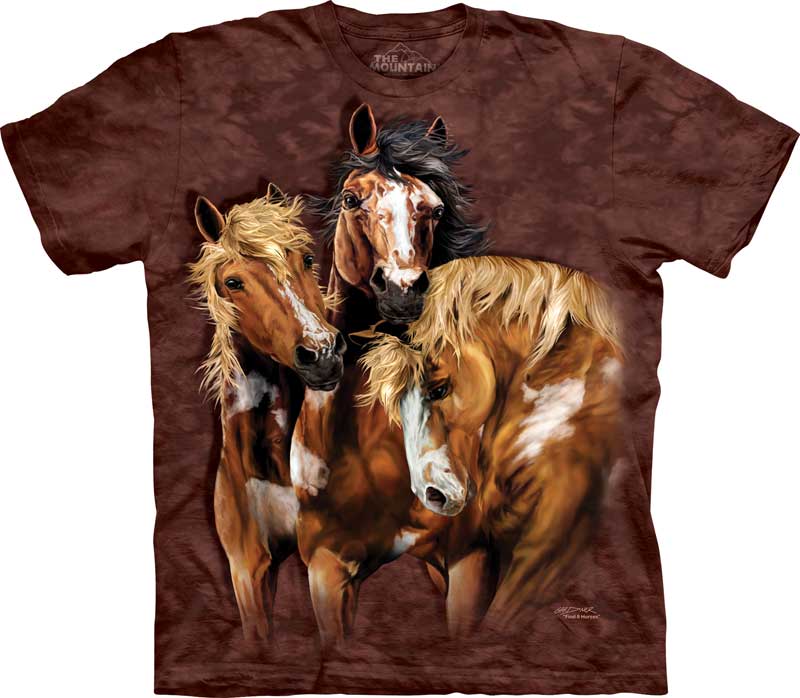
How Much Does a Horse Cost? A Fun Dive into the World of Horse Prices and Ownership
Thinking about buying a horse? Well, saddle up because you’re about to embark on a thrilling journey through the realm of horse prices and the cost of horse ownership! Getting into the equestrian world isn’t just about picking a pretty pony; it’s an adventure filled with considerations that range from the average horse cost to the delightful (and sometimes daunting) horse care expenses. Whether you’re an equestrian enthusiast or just a curious soul dreaming of galloping through fields, understanding the financial side of things is your first trot in the right direction. So, let’s clip-clop our way through this guide and discover what it truly means to own one of these magnificent creatures, while keeping it eco-friendly with our animal-themed t-shirts that celebrate your new four-legged friend!
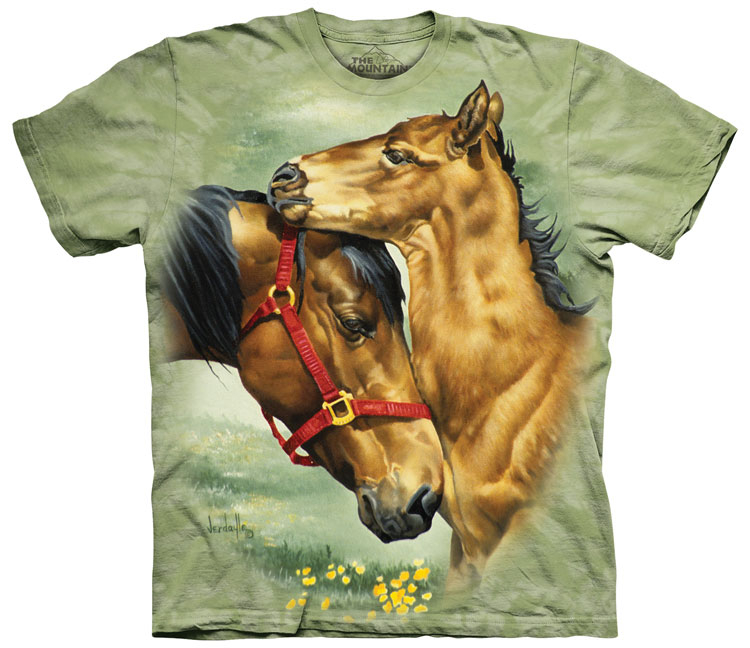
Understanding Horse Prices
Factors Influencing Horse Prices
When it comes to the price tag on a horse, several factors come into play. First off, breed plays a huge role. Some breeds, like Arabians or Thoroughbreds, are known for their specific qualities and often fetch higher prices. Age is another consideration; younger horses with potential for training might cost more than older ones. Training level can also push prices up, as a well-trained horse might save you time and effort. Health status is crucial—vet checks can unearth conditions that might affect the price. Then there’s lineage. Horses with a prestigious pedigree often carry higher price tags due to their breeding potential. Lastly, market demand can sway prices. In areas with a thriving equestrian community, you might find costs higher. So, when you’re looking into buying a horse, keep these factors in mind to get a fair estimate of what you might pay.
Average Horse Cost Breakdown
Understanding the average cost of buying a horse means taking a closer look at the numbers involved. Generally, prices can vary widely, from $1,000 for a basic, untrained horse to upwards of $10,000 for a well-bred, trained animal. Budget horses, often older or needing some TLC, might come in under $3,000. Mid-range horses, suitable for recreational riding, often fall between $3,000 and $7,000. Premium horses, with specialized training or show potential, can soar above $10,000. Then there are elite competition horses, which might run well into six figures. This broad spectrum reflects the diversity in the equine world, catering to various needs and aspirations. Prospective owners should also consider additional costs like vet checks and transport, which can add to the initial expense. Knowing these breakdowns helps set realistic expectations when you’re ready to leap into horse ownership.
Comparing Horse Breeds and Costs
When comparing horse breeds, costs can vary significantly, rooted in the unique characteristics and desirability of each breed. For instance, Thoroughbreds, known for their speed and agility, often command higher prices, especially if they’ve had a successful racing career. Arabians, celebrated for their endurance and striking appearance, might also come with a hefty price tag, particularly those with a strong pedigree. On the other hand, Quarter Horses, popular for their versatility and calm temperament, might be more affordable, appealing to both novice and experienced riders. Breeds like Clydesdales or Shires, with their impressive size and strength, might incur additional costs related to their care and maintenance. It’s essential to align your choice with your equestrian goals—whether for competition, leisure, or companionship. Each breed offers distinct attributes, influencing their market price, so understanding these nuances helps in making an informed purchase without breaking the bank.
Cost of Horse Ownership
Ongoing Horse Care Expenses
Owning a horse means committing to ongoing care expenses that go beyond the initial purchase price. One major cost is feeding, with quality hay, grain, and supplements often running up to several hundred dollars monthly. Veterinary care is another critical expense, covering regular check-ups, vaccinations, and emergency treatments. Farrier services, crucial for maintaining hoof health, typically occur every six to eight weeks and can add up over time. Boarding costs also need consideration if you lack space to keep a horse at home, with facilities charging anywhere from $300 to over $1,000 per month depending on amenities. Tack and equipment, such as saddles and bridles, may require periodic replacement or repair. Additionally, training or lessons for both the horse and rider can be ongoing costs. By budgeting for these expenses, prospective owners can ensure their equine companions lead healthy, happy lives without unexpected financial strain.
Tackling Veterinary Costs
Veterinary costs are a significant aspect of horse ownership, requiring careful planning and budgeting. Routine care, including annual vaccinations, dental check-ups, and deworming, is essential for maintaining your horse’s health and can cost several hundred dollars each year. Unexpected illnesses or injuries can quickly inflate expenses, making an emergency fund or equine insurance a wise consideration. Insurance policies vary, covering anything from major medical events to surgical procedures, providing peace of mind against unforeseen circumstances. Building a good relationship with a trusted vet can also be beneficial, as they can offer preventative care advice that helps avoid costly treatments down the line. Regular health monitoring, such as checking for early signs of illness and maintaining a proper diet, also helps mitigate veterinary expenses. By proactively managing these aspects, horse owners can ensure their equine companions receive the best care without financial stress.
Boarding and Housing Options
Deciding where to house your horse is a crucial part of horse ownership, with options ranging from self-care to full-service boarding facilities. Self-care boarding requires the owner to manage feeding, cleaning, and general care, usually at a lower cost, but demands significant time and effort. Partial-care facilities offer a balance, where basic services like feeding and stall cleaning are provided, allowing owners to focus on riding and training. Full-service boarding includes comprehensive care, from daily feeding and grooming to turnout and exercise, albeit at a higher price. Location plays a role in cost, with urban areas typically charging more due to higher real estate prices. Alternatively, maintaining your horse at home can be cost-effective if you have the necessary space and resources, though it requires a significant initial setup and ongoing maintenance. Evaluating these options helps align your budget with your lifestyle, ensuring your horse receives the best possible care.
Tips for Buying a Horse
Finding a Reputable Seller
Locating a reputable seller is paramount when buying a horse, as it ensures you get a healthy and well-cared-for animal. Start by seeking recommendations from trusted sources—fellow horse owners, trainers, or veterinarians can provide a solid starting point. Attending horse shows or local equestrian events can also help you connect with reputable sellers. Online platforms and classified ads are useful, but it’s crucial to verify the seller’s credibility through reviews or references. Once you’ve found a potential seller, visit their facility to observe how the horses are kept and interact with the staff. Consider asking for a trial period or returning policy to ensure compatibility. A trustworthy seller will be transparent about the horse’s history, health records, and any quirks. By investing time in finding the right seller, you increase the likelihood of a successful and satisfying horse ownership experience.
Evaluating Horse Health and Temperament
When buying a horse, assessing health and temperament is crucial for a rewarding ownership experience. Start with a comprehensive veterinary check to uncover any underlying health issues. Look for signs of good health: a shiny coat, clear eyes, and healthy hooves. Observe the horse’s gait for any signs of lameness or discomfort. Equally important is understanding the horse’s temperament. Spend time interacting with the horse in different settings to gauge its behavior. Does it remain calm around new people and environments? Is it responsive to commands? A well-tempered horse should be curious yet composed, making it easier to train and handle. Discuss the horse’s history with the seller, focusing on past training or behavioral issues. Consider involving a trainer or experienced horseperson in the evaluation process for an expert opinion. By thoroughly evaluating these aspects, you ensure the horse aligns with your riding goals and lifestyle.
Budgeting for Extras and Surprises
When planning to buy a horse, it’s essential to budget not just for the purchase price but also for unforeseen extras and surprises. Unexpected veterinary bills can arise from sudden illnesses or accidents, making an emergency fund or insurance a prudent choice. Equipment and tack might need replacements or upgrades, and training sessions might extend longer than anticipated. Seasonal changes can affect feed costs, requiring adjustments to your budget. Additionally, transportation expenses, whether for vet visits or competitions, can add up quickly. Consider setting aside a contingency fund to cover these variables, ensuring peace of mind and financial stability. This proactive approach prevents stress when surprises occur, allowing you to focus on enjoying your equine companion. By preparing for the unexpected, you create a smoother path to horse ownership, where the joy of riding and bonding with your horse takes precedence over financial worries.
Enjoy some interesting animal facts below!
Best Animal T-Shirts for Men Who Love Wildlife
Best Animal T-Shirts for Men Who Love Wildlife Most animal t-shirts blend into the background, leaving your love for wildlife unnoticed. You want shirts that speak louder than words, showcasing majestic lions, soaring eagles, and vibrant marine life with style. This guide highlights the best animal t-shirts for men, combining bold graphics with comfort and […]
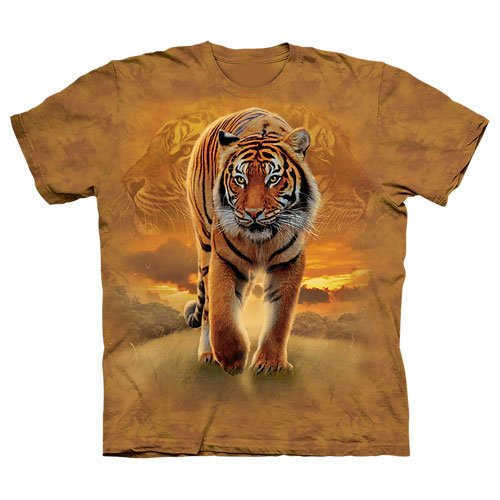
Best Tiger Shirts for Tiger Lovers
Best Tiger Shirts for Tiger Lovers Tiger shirts often miss the mark, leaving fans with dull prints that don’t capture the wild spirit of these majestic cats. If you’ve been hunting for the best tiger apparel that blends bold artistry with comfort, your search ends here. This post highlights tiger print t-shirts and stylish tiger […]
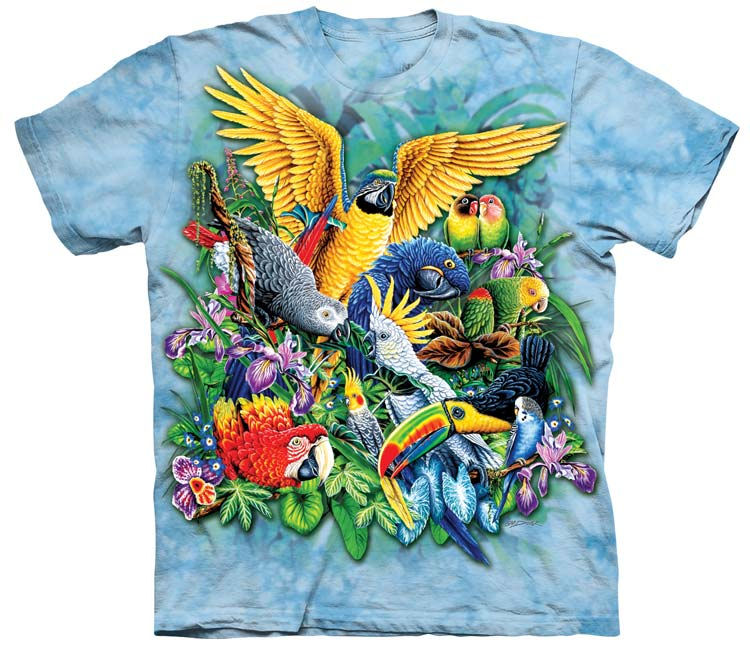
Best Bird Shirts for Bird Lovers
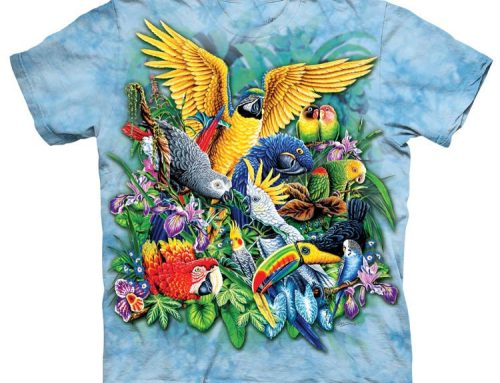
Best Bird Shirts for Bird Lovers Bird shirts aren’t just for casual wear anymore—they’ve become a statement for anyone who loves the colors and charm of feathered friends. If you want bird lover apparel that stands out, you’ll want to see the styles blending art and nature in fresh ways. This post highlights bird-themed t-shirts […]
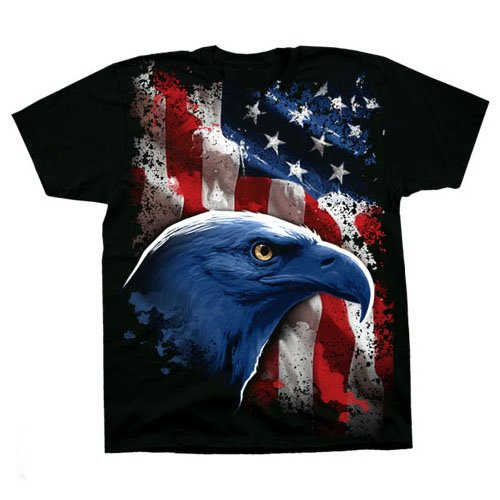
Best Eagle Shirts for Eagle Lovers
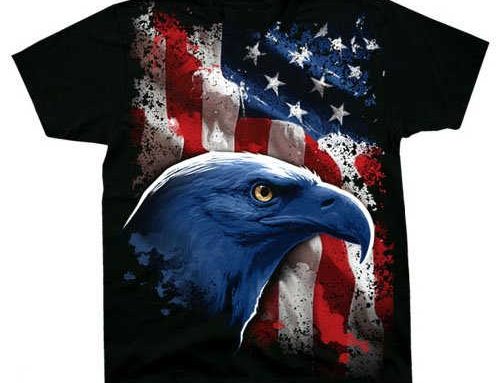
Best Eagle Shirts for Eagle Lovers Eagle shirts don’t have to be ordinary. If you want to wear your passion for these powerful birds with style, the options out there can surprise you. From bold graphic eagle tees to subtle nature inspired clothing, the right eagle apparel makes a statement without sacrificing comfort. Keep reading […]

Best Bear Shirts for Wildlife Lovers
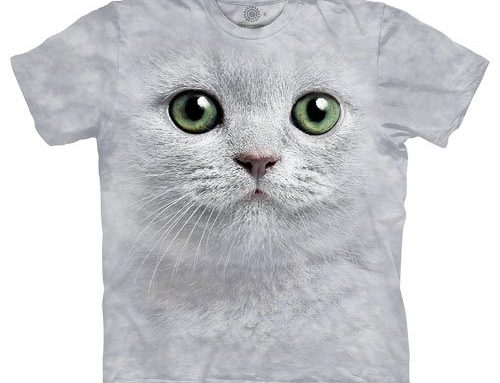
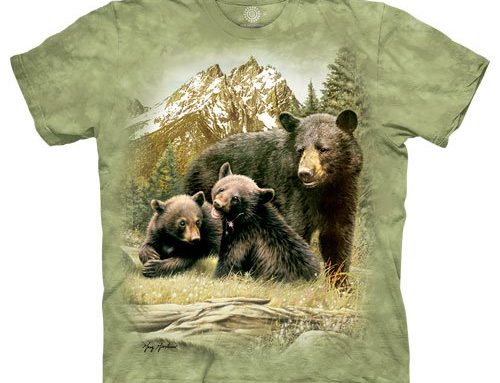
Best Bear Shirts for Wildlife Lovers Most bear shirts out there miss the mark between style and comfort. You want wildlife clothing that feels as good as it looks and truly captures the spirit of these powerful creatures. In this post, you’ll find bear graphic tees that balance charming artwork with bold designs, perfect for […]
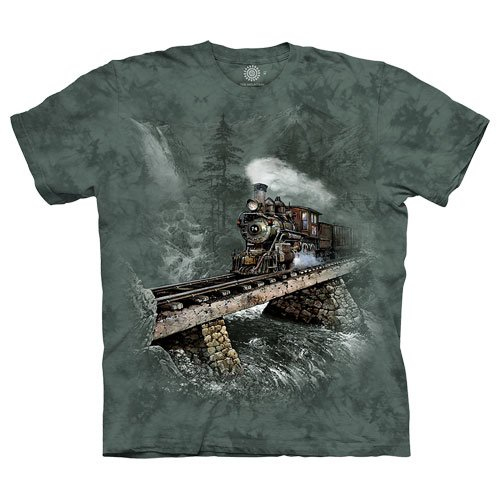
Best Animal Shirts for Nature Lovers
Best Animal Shirts for Nature Lovers Forget plain tees that don’t say much about who you are. If you love the wild, your wardrobe should shout it loud and clear with the best animal shirts out there. These nature lover apparel pieces mix eye-catching wildlife graphic tees with comfort and style, perfect for anyone who […]
Follow us on Social Media
Instagram – YouTube – Pinterest – Twitter – Facebook
Alligators – Aquatic – Bears – Big Cats – Birds – Buffalo – Cats – Deer – Dinosaurs – Dogs – Dragons – Eagles – Elephants – Elk – Frogs – Gecko – Giraffes – Horses – Kittens – Moose – Pandas – Snakes – Tigers – Unicorns – Wolves – Cat Shirts – Celtic – Dog Shirts – Dolphins – Dragons – Eagles – Fairies – Horse Shirts – Misc – Native American Indians – Patriotic – Peace – Primates – Religion – Scary – Sci Fi – Skeletons – Tie Dye – Tigers – Wolf Shirts
Interesting Animal Facts and Information
Bald Eagles – Cheetahs – Dolphins – Dinosaurs – Tigers – Lions – Cats – Dogs

Leave A Comment
You must be logged in to post a comment.