
How Long Do Bears Live? Discover the Lifespan of These Majestic Creatures!
Bears are truly fascinating creatures that captivate the hearts of animal lovers everywhere. If you’ve ever found yourself wondering, “How long do bears live?”, you’re in for a treat! These majestic mammals, roaming the wild and showcasing their impressive strength and intelligence, have lifespans that vary widely depending on their species and environment. In this article, we’ll dive into the details of how long bears live and what factors influence their longevity. So, grab your favorite eco-friendly bear-themed t-shirt, and let’s embark on this wild adventure to uncover the secrets of these incredible animals!
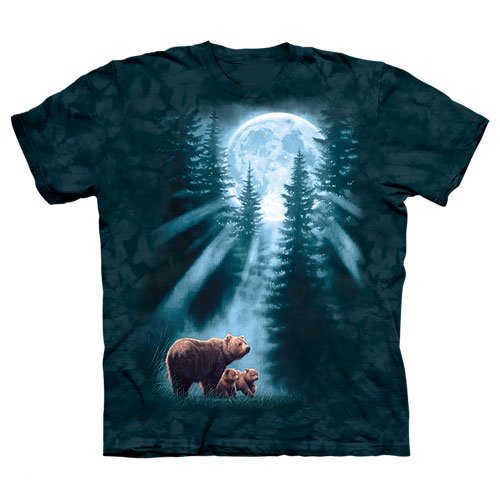
The Lifespan of Bears
How Long Do Bears Live?
When it comes to the question, “How long do bears live?”, the answer isn’t one-size-fits-all. Different species of bears have different lifespans. Generally, bears in the wild live shorter lives compared to those in captivity due to factors like food availability, habitat conditions, and human interference. For example, the average lifespan of a brown bear in the wild is about 20 to 30 years, whereas in captivity, they can live up to 50 years. Polar bears typically live around 15 to 18 years in the wild but can reach over 30 years under human care. Black bears, on the other hand, can live up to 20 years in the wild, with some reaching 30 years in captivity. Understanding these differences is key to appreciating the challenges these majestic creatures face in the wild and the role conservation efforts play in enhancing their longevity.
Factors Affecting Bear Longevity
Several factors influence how long bears live. Habitat quality plays a crucial role, as bears need ample space, food sources, and shelter to thrive. Bears in regions with abundant food supplies and minimal human interference tend to live longer. Human activities, such as deforestation, poaching, and climate change, pose significant threats to bear populations, often shortening their lifespans. For example, polar bears are highly affected by melting ice caps, which reduce their hunting grounds and impact their survival rates. Additionally, genetic factors can influence longevity, as some bear species are naturally predisposed to longer lives. Bears in the wild are also susceptible to diseases and injuries, which can reduce their lifespan. On the flip side, bears in captivity are shielded from many of these threats, often benefiting from consistent food supply, medical care, and protection from predators, leading to longer lifespans compared to their wild counterparts.
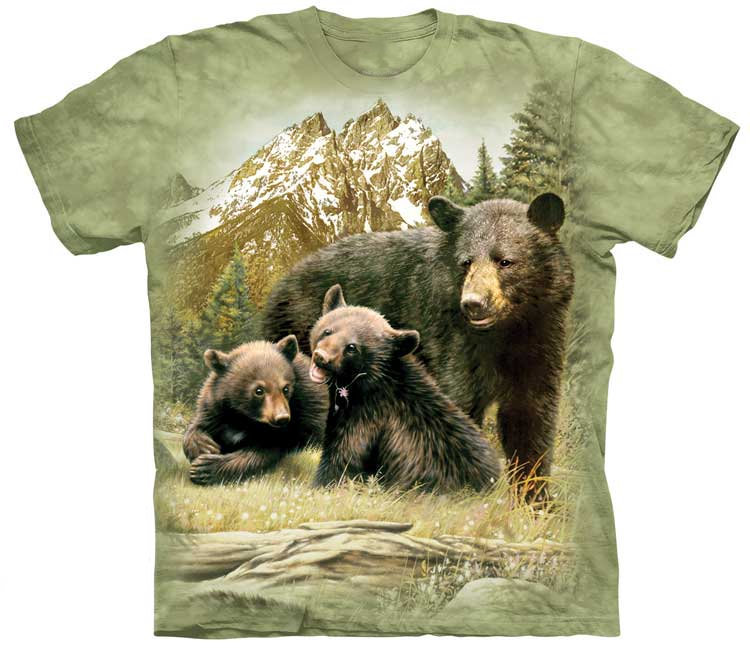
Comparing Lifespans Across Species
When comparing how long bears live across different species, distinct variations emerge. Brown bears, known for their adaptability, generally have a lifespan of 20 to 30 years in the wild. Their ability to thrive in diverse environments from forests to mountains contributes to their longevity. In contrast, polar bears face harsher conditions, with lifespans averaging 15 to 18 years in the wild due to the rapidly changing Arctic climate. Black bears, prevalent across North America, can live up to 20 years in the wild, often benefiting from their omnivorous diet and excellent climbing skills that provide access to varied food sources. Asian bears, like the sun bear, often have shorter lifespans due to habitat loss and poaching pressures. Captivity tends to equalize these differences somewhat, as bears from all species can live into their thirties or even fifties with proper care, highlighting the impact of stable environments and human intervention on their longevity.
Bears in the Wild
Challenges of Wild Living
Living in the wild presents bears with numerous challenges that can affect their lifespan. One major issue is habitat loss due to human encroachment, which reduces their natural territory and food sources. As forests are cleared and urban areas expand, bears are forced to wander further in search of nourishment, increasing their exposure to dangers, including crossing roads and encountering humans. Additionally, climate change has a significant impact, especially for species like polar bears, whose icy habitats are melting rapidly. This environmental shift reduces their ability to hunt seals, their primary food source. Furthermore, bears face threats from poaching and illegal wildlife trade, particularly for their pelts and body parts. Natural predators and competition for resources also play a role in their survival. These challenges require bears to be highly adaptable and resilient, but they also highlight the importance of conservation efforts to ensure these majestic creatures continue to roam the wild for generations.
Survival Strategies in Nature
Bears have developed remarkable strategies to survive the challenges of wild living. One key adaptation is hibernation, a process where bears reduce their metabolic rate and live off stored fat during harsh winters. This adaptation is crucial for species like brown and black bears, allowing them to conserve energy when food is scarce. Bears are also opportunistic feeders, with diets ranging from berries and insects to fish and small mammals, enabling them to thrive in diverse habitats. Their keen sense of smell aids in locating food over vast distances, while their powerful build and strength help them fend off predators and competitors. Bears are also known for their intelligence and problem-solving skills, often observed in their ability to fish for salmon or access food in challenging environments. These survival strategies demonstrate the bears’ adaptability and resilience, ensuring their continued presence in the ever-changing landscapes they inhabit. Conservation efforts can further support these natural strategies, promoting their long-term survival.
Conservation and Care
The Role of Sanctuaries
Sanctuaries play a vital role in the conservation and care of bears, offering safe havens where these animals can thrive away from the threats they face in the wild. These protected environments provide bears with ample space to roam, access to a nutritious diet, and medical care when needed—conditions that can significantly extend their lifespans. Sanctuaries also serve as important educational centers, raising awareness about the challenges bears face due to habitat destruction, climate change, and poaching. By fostering a deeper understanding of these majestic creatures, sanctuaries encourage public support for conservation efforts. Additionally, they often participate in rehabilitation programs, preparing injured or orphaned bears for eventual release into the wild. Through these efforts, sanctuaries not only protect individual bears but also contribute to the preservation of species as a whole, playing a crucial role in ensuring that future generations can continue to marvel at these incredible animals.
How Conservation Efforts Help Bears
Conservation efforts are instrumental in safeguarding bears and ensuring their survival for future generations. These initiatives focus on protecting natural habitats, implementing anti-poaching laws, and reducing human-bear conflicts. By preserving and restoring habitats, conservationists provide bears with the necessary resources to thrive, ensuring access to food, shelter, and mating opportunities. Efforts to curb poaching and illegal trade of bear parts are crucial in reducing mortality rates and maintaining healthy population numbers. Additionally, conservation programs often include community education and engagement, which help mitigate conflicts between humans and bears. Educating communities about bear behavior and promoting coexistence strategies can reduce negative encounters. Furthermore, conservationists work on global issues like climate change, advocating for policies that protect ecosystems vital to bear survival. Through these comprehensive approaches, conservation efforts play a significant role in enhancing the quality of life for bears and ensuring these majestic creatures continue to grace our planet.
Enjoy some interesting animal facts below!

Best Animal T-Shirts for Men Who Love Wildlife
Best Animal T-Shirts for Men Who Love Wildlife Most animal t-shirts blend into the background, leaving your love for wildlife unnoticed. You want shirts that speak louder than words, showcasing majestic lions, soaring eagles, and vibrant marine life with style. This guide highlights the best animal t-shirts for men, combining bold graphics with comfort and […]
Best Tiger Shirts for Tiger Lovers
Best Tiger Shirts for Tiger Lovers Tiger shirts often miss the mark, leaving fans with dull prints that don’t capture the wild spirit of these majestic cats. If you’ve been hunting for the best tiger apparel that blends bold artistry with comfort, your search ends here. This post highlights tiger print t-shirts and stylish tiger […]
Best Bird Shirts for Bird Lovers
Best Bird Shirts for Bird Lovers Bird shirts aren’t just for casual wear anymore—they’ve become a statement for anyone who loves the colors and charm of feathered friends. If you want bird lover apparel that stands out, you’ll want to see the styles blending art and nature in fresh ways. This post highlights bird-themed t-shirts […]

Best Eagle Shirts for Eagle Lovers
Best Eagle Shirts for Eagle Lovers Eagle shirts don’t have to be ordinary. If you want to wear your passion for these powerful birds with style, the options out there can surprise you. From bold graphic eagle tees to subtle nature inspired clothing, the right eagle apparel makes a statement without sacrificing comfort. Keep reading […]

Best Bear Shirts for Wildlife Lovers
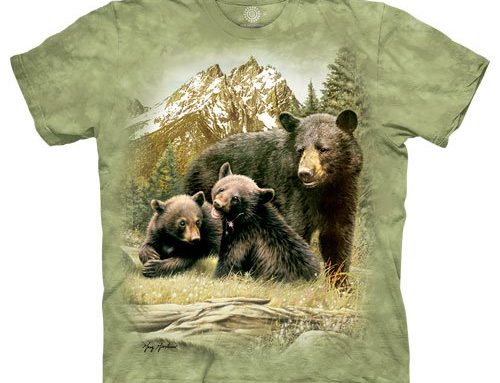
Best Bear Shirts for Wildlife Lovers Most bear shirts out there miss the mark between style and comfort. You want wildlife clothing that feels as good as it looks and truly captures the spirit of these powerful creatures. In this post, you’ll find bear graphic tees that balance charming artwork with bold designs, perfect for […]

Best Animal Shirts for Nature Lovers
Best Animal Shirts for Nature Lovers Forget plain tees that don’t say much about who you are. If you love the wild, your wardrobe should shout it loud and clear with the best animal shirts out there. These nature lover apparel pieces mix eye-catching wildlife graphic tees with comfort and style, perfect for anyone who […]
Follow us on Social Media
Instagram – YouTube – Pinterest – Twitter – Facebook
Alligators – Aquatic – Bears – Big Cats – Birds – Buffalo – Cats – Deer – Dinosaurs – Dogs – Dragons – Eagles – Elephants – Elk – Frogs – Gecko – Giraffes – Horses – Kittens – Moose – Pandas – Snakes – Tigers – Unicorns – Wolves – Cat Shirts – Celtic – Dog Shirts – Dolphins – Dragons – Eagles – Fairies – Horse Shirts – Misc – Native American Indians – Patriotic – Peace – Primates – Religion – Scary – Sci Fi – Skeletons – Tie Dye – Tigers – Wolf Shirts
Interesting Animal Facts and Information
Bald Eagles – Cheetahs – Dolphins – Dinosaurs – Tigers – Lions – Cats – Dogs



Leave A Comment
You must be logged in to post a comment.