
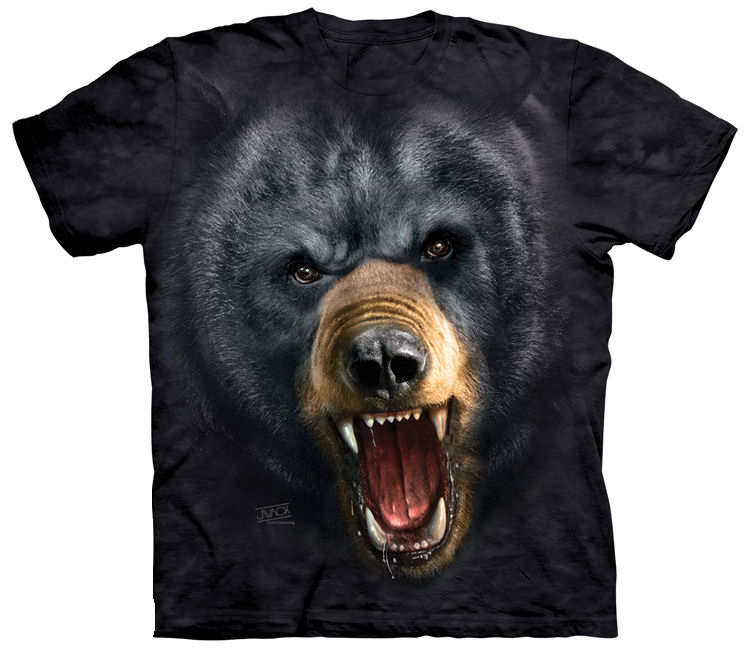
What is the difference between grizzly bears and black bears?
For all you animal enthusiasts out there, get ready to dive into the wild world of grizzly bears and black bears! These magnificent creatures might seem similar at a glance, but there are some fascinating differences that set them apart. So, what is the difference between grizzly bears and black bears? Well, we’re here to break it down for you with a sprinkle of fun and a dash of eco-consciousness. As we explore their unique characteristics and habitats, you’ll not only learn about these incredible animals but also discover how you can express your love for them with our range of eco-friendly, animal-themed t-shirts made from sustainable materials. Let’s embark on this bear-y exciting journey together!
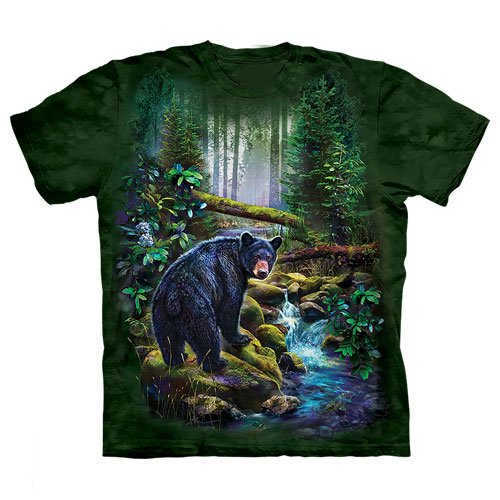
Identifying Grizzly Bears
Physical Characteristics
Grizzly bears are known for their imposing size and distinctive features that set them apart from other bear species. They typically have a large, muscular build and can weigh between 400 to 790 pounds, with males generally being larger than females. One of the key identifiers is the prominent hump on their shoulders, which is made up of muscle mass used for digging. Their fur ranges in color from dark brown to a lighter, grizzled hue, often with silver or white-tipped hairs that give them a “grizzled” appearance. Grizzlies have a concave facial profile and smaller, rounded ears compared to black bears. Their claws are long and curved, reaching up to 4 inches, ideal for foraging and digging. Spotting a grizzly in the wild is a breathtaking experience, and understanding these physical traits can help in distinguishing them from their black bear cousins.
Habitats and Regions
Grizzly bears are primarily found in North America, with their habitats spanning across Alaska, western Canada, and parts of the northwestern United States, including Montana, Wyoming, and Idaho. These majestic creatures thrive in diverse environments, from dense forests and alpine meadows to open plains and rugged mountain regions. They are highly adaptable, often occupying areas that provide abundant food sources and cover for protection. Grizzlies are known for their solitary nature, with each bear having a large home range to roam and forage. In these regions, they play a crucial role in the ecosystem by dispersing seeds and maintaining the balance of their habitats. Understanding the specific regions and habits of grizzly bears helps in their conservation and offers a glimpse into the diverse landscapes they call home. By learning about these habitats, we can better appreciate the natural beauty and complexity of the ecosystems that support grizzly populations.
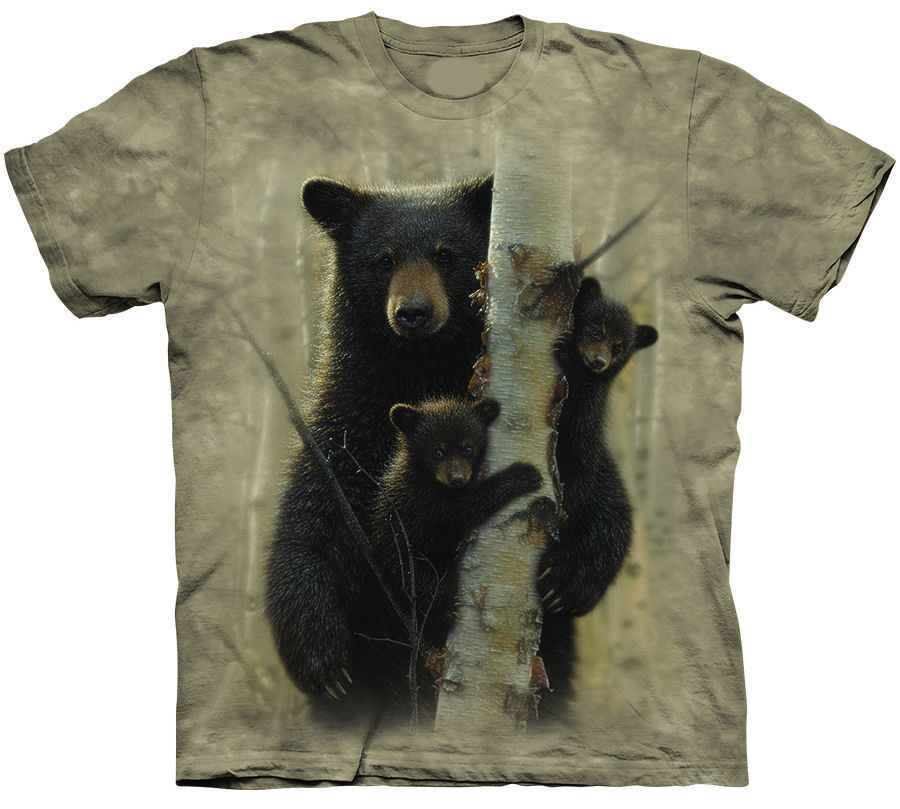
Distinguishing Black Bears
Unique Features
Black bears are the most common bear species in North America, recognized by their more varied color palette, which can range from black to brown, cinnamon, and even shades of blonde. Unlike the grizzly, black bears do not have a shoulder hump, and their facial profile is straighter or slightly convex, giving them a more streamlined appearance. They have larger, more pointed ears and shorter, curved claws, which are perfect for climbing trees—a skill black bears are notably proficient at. Typically smaller than grizzlies, black bears weigh between 200 to 600 pounds, depending on their diet and habitat. Their adaptability to a wide range of environments, from forests to swamps and even urban areas, showcases their unique ability to coexist with humans. Black bears’ distinct features not only help wildlife enthusiasts identify them but also highlight their incredible adaptability and resilience in the face of changing environments.
Preferred Environments
Black bears are incredibly adaptable, thriving in a variety of environments across North America, from the dense woodlands of the East to the mountainous regions of the West. They prefer habitats with dense cover and abundant food sources, such as forests that provide nuts, fruits, and vegetation. Black bears are also found near water bodies, which support their diverse diet and offer cooling refreshment during warmer months. Their adaptability allows them to inhabit areas close to human settlements, often leading to intriguing encounters. In regions where human development encroaches on natural habitats, black bears demonstrate remarkable resourcefulness by foraging through suburban landscapes. This adaptability to different environments underscores their survival skills and resilience. By understanding the preferred environments of black bears, conservation efforts can focus on preserving these crucial habitats. This ensures the sustainability of black bear populations while minimizing human-wildlife conflicts, fostering a harmonious coexistence in shared spaces.
Grizzly Bears vs. Black Bears
Behavioral Differences
Grizzly bears and black bears exhibit distinct behavioral patterns that can help differentiate them in the wild. Grizzlies are generally more aggressive, especially when they feel threatened or if a mother bear is protecting her cubs. They prefer open landscapes, which reduces the likelihood of surprise encounters with humans or other animals. Grizzlies are often solitary, except during mating season or when a mother is raising her young. In contrast, black bears are typically more timid and are known to avoid confrontation. They are highly curious and have a tendency to investigate new scents or noises, which sometimes leads them into human-populated areas in search of food. While both species hibernate, the duration and timing can vary based on geographic location and climate. Recognizing these behavioral differences is crucial for fostering a deeper understanding and appreciation of each species, as well as ensuring safe coexistence for both bears and humans.
Conservation and Protection
Conservation efforts for grizzly bears and black bears are vital to ensuring their continued survival and the health of the ecosystems they inhabit. Grizzly bears, once widespread across North America, now face habitat loss and fragmentation, leading to their status as a threatened species in the continental United States. Conservation programs focus on habitat restoration, reducing human-bear conflicts, and promoting coexistence strategies to protect these majestic animals. Black bears, although more numerous, also face challenges such as habitat encroachment and poaching. Protecting their natural environments and implementing effective wildlife management practices are crucial for their sustainability. Public education plays a significant role in conservation, encouraging communities to engage in bear-safe practices and support protected areas. Through collaborative efforts between governments, conservation organizations, and local communities, we can ensure both grizzly and black bears thrive in their natural habitats, safeguarding their future for generations to come.
Enjoy some interesting animal facts below!
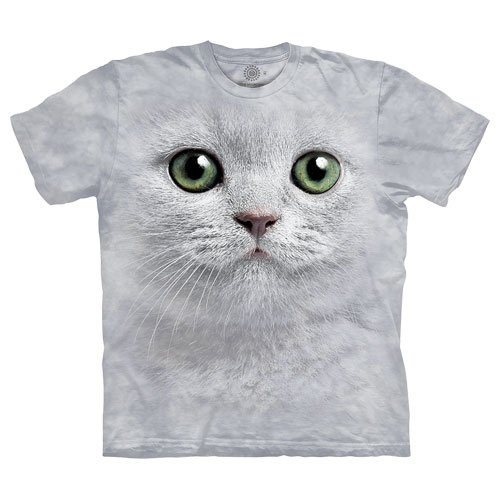
Best Animal T-Shirts for Men Who Love Wildlife
Best Animal T-Shirts for Men Who Love Wildlife Most animal t-shirts blend into the background, leaving your love for wildlife unnoticed. You want shirts that speak louder than words, showcasing majestic lions, soaring eagles, and vibrant marine life with style. This guide highlights the best animal t-shirts for men, combining bold graphics with comfort and […]
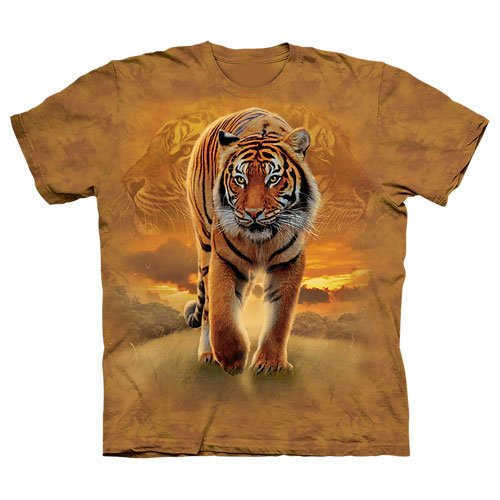
Best Tiger Shirts for Tiger Lovers
Best Tiger Shirts for Tiger Lovers Tiger shirts often miss the mark, leaving fans with dull prints that don’t capture the wild spirit of these majestic cats. If you’ve been hunting for the best tiger apparel that blends bold artistry with comfort, your search ends here. This post highlights tiger print t-shirts and stylish tiger […]
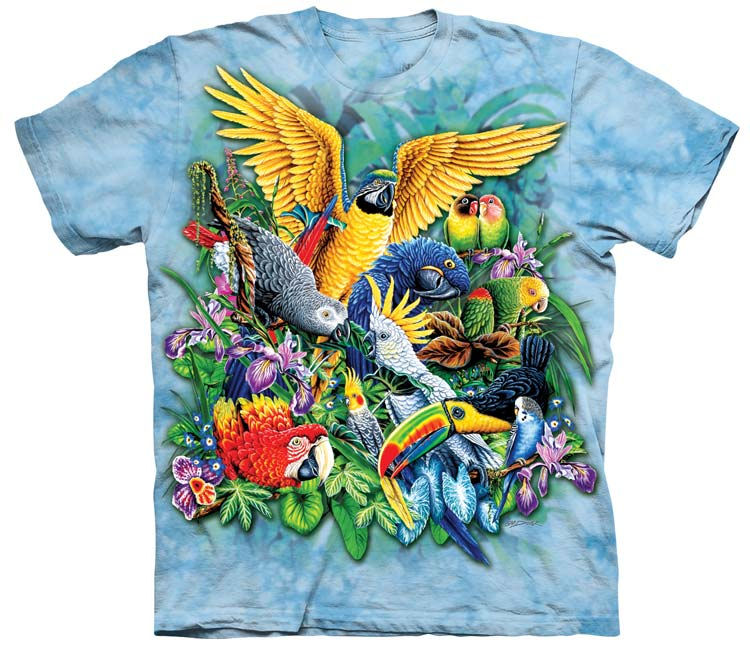
Best Bird Shirts for Bird Lovers
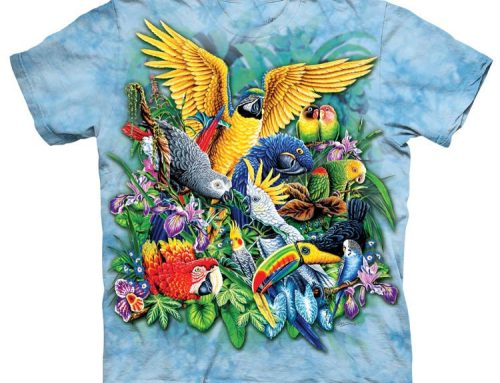
Best Bird Shirts for Bird Lovers Bird shirts aren’t just for casual wear anymore—they’ve become a statement for anyone who loves the colors and charm of feathered friends. If you want bird lover apparel that stands out, you’ll want to see the styles blending art and nature in fresh ways. This post highlights bird-themed t-shirts […]

Best Eagle Shirts for Eagle Lovers
Best Eagle Shirts for Eagle Lovers Eagle shirts don’t have to be ordinary. If you want to wear your passion for these powerful birds with style, the options out there can surprise you. From bold graphic eagle tees to subtle nature inspired clothing, the right eagle apparel makes a statement without sacrificing comfort. Keep reading […]

Best Bear Shirts for Wildlife Lovers
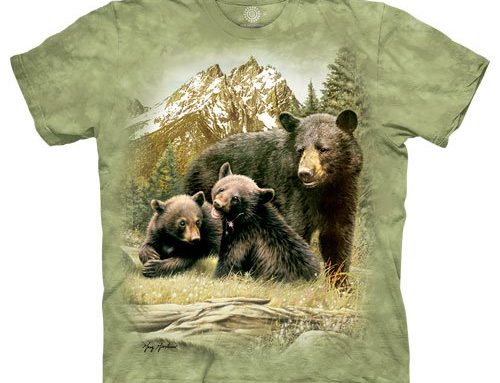
Best Bear Shirts for Wildlife Lovers Most bear shirts out there miss the mark between style and comfort. You want wildlife clothing that feels as good as it looks and truly captures the spirit of these powerful creatures. In this post, you’ll find bear graphic tees that balance charming artwork with bold designs, perfect for […]
Best Animal Shirts for Nature Lovers
Best Animal Shirts for Nature Lovers Forget plain tees that don’t say much about who you are. If you love the wild, your wardrobe should shout it loud and clear with the best animal shirts out there. These nature lover apparel pieces mix eye-catching wildlife graphic tees with comfort and style, perfect for anyone who […]
Follow us on Social Media
Instagram – YouTube – Pinterest – Twitter – Facebook
Alligators – Aquatic – Bears – Big Cats – Birds – Buffalo – Cats – Deer – Dinosaurs – Dogs – Dragons – Eagles – Elephants – Elk – Frogs – Gecko – Giraffes – Horses – Kittens – Moose – Pandas – Snakes – Tigers – Unicorns – Wolves – Cat Shirts – Celtic – Dog Shirts – Dolphins – Dragons – Eagles – Fairies – Horse Shirts – Misc – Native American Indians – Patriotic – Peace – Primates – Religion – Scary – Sci Fi – Skeletons – Tie Dye – Tigers – Wolf Shirts
Interesting Animal Facts and Information
Bald Eagles – Cheetahs – Dolphins – Dinosaurs – Tigers – Lions – Cats – Dogs


Leave A Comment
You must be logged in to post a comment.