
Where Do Bears Live? Unpacking the Secrets of Bear Habitats and Their Preservation
Ever wondered where bears call home? These majestic creatures thrive in diverse environments, from the frosty tundras to lush forests, each type of bear habitat offering its unique charm and challenges. In this exploration of where bears live, we’ll dive into the wonders of bear geography and uncover the different types of bear habitats that support their wild existence. As we venture through the world of bears in the wild, it’s crucial to consider the impact of bear conservation efforts and how eco-friendly choices, like our animal-themed t-shirts made from sustainable materials, play a role in preserving these beautiful habitats. So, whether you’re a nature enthusiast or a fashion-forward individual with a love for animals, join us on this journey to discover the fascinating world of bears and the importance of protecting their homes.
Exploring Bear Habitats
Types of Bear Habitats
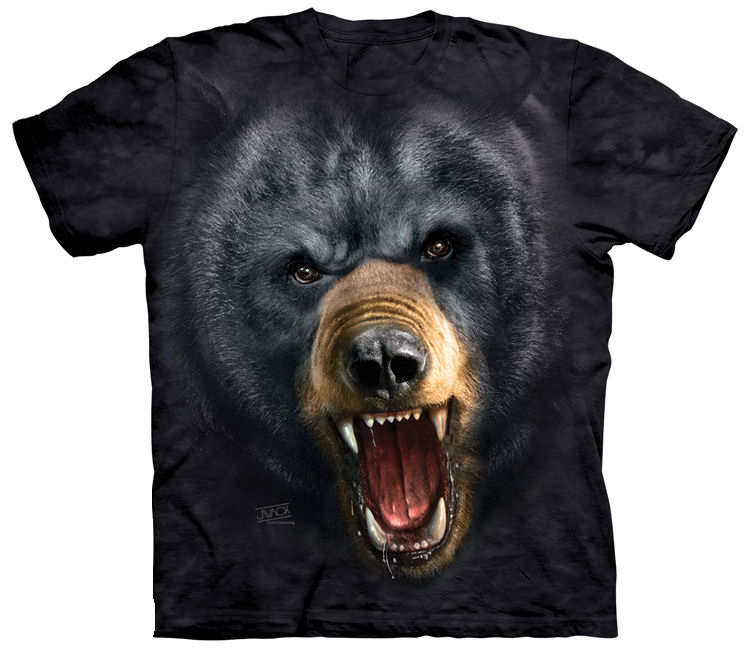
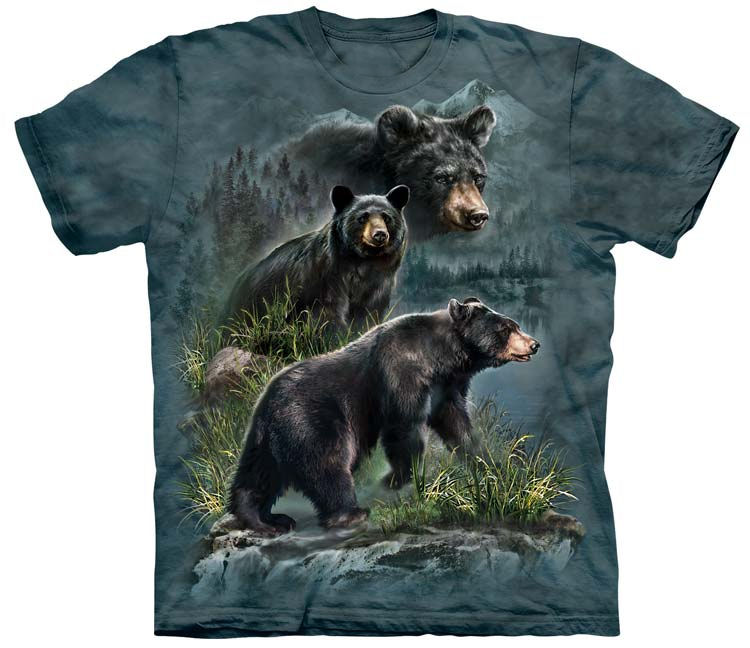
Bears are incredibly adaptable and inhabit a variety of environments. Most commonly, they can be found in forests, which offer abundant food and shelter. The dense vegetation provides cover for black bears and other species, while the rich biodiversity supports their dietary needs. Coastal regions are another type of bear habitat, especially for species like the brown bear, which thrive on the marine life available there. The icy expanses of the Arctic are home to polar bears, who rely on sea ice for hunting seals. Mountain ranges, such as the Rockies, provide a rugged terrain where bears can roam freely and find solitude. Lastly, the tundras and grasslands host species like the grizzly bear, showcasing their ability to adapt to open landscapes. Understanding these types of bear habitats is crucial in answering the question, “Where do bears live?” and highlights the importance of preserving these diverse environments for bears in the wild.
Where Do Bears Live?
Bears inhabit a fascinating range of places across the globe, each offering unique environments that meet their needs. In North America, you’ll find black bears and grizzlies spread across national parks, lush forests, and mountainous regions. These areas provide plenty of food and cover, essential for their daily life. Meanwhile, the vast tundras and icy landscapes of the Arctic serve as the primary home for polar bears. Their survival hinges on the presence of sea ice, which they use as a platform for hunting seals. In Asia, the dense bamboo forests are home to the elusive panda, while the Himalayas offer a refuge for the rare, yet captivating, snow leopard and the Asiatic black bear. Understanding where bears live not only satisfies curiosity but also underscores the importance of conserving these ecosystems. Each habitat plays a vital role in the survival of these iconic creatures, highlighting the need for ongoing bear conservation efforts.
Bears in the Wild
Observing bears in the wild offers an incredible glimpse into their natural behavior and the habitats they call home. These creatures are more than just symbols of wilderness; they are integral to the ecosystems they inhabit. In the wild, you might witness a bear fishing in a rushing river, deftly catching salmon as they leap upstream. This spectacle is common in places like Alaska, where brown bears thrive. In forested areas, bears are often seen foraging for berries, nuts, and insects, showcasing their omnivorous diet. Meanwhile, polar bears hunting on the sea ice exemplify their role as apex predators in the Arctic. Each encounter with bears in the wild emphasizes their resilience and adaptability, but it also highlights the fragility of their environments. Protecting these habitats ensures that future generations will continue to experience the wonder of bears in their natural settings, reinforcing the necessity of bear conservation efforts.
The Geography of Bears
Bear Geography Across Continents
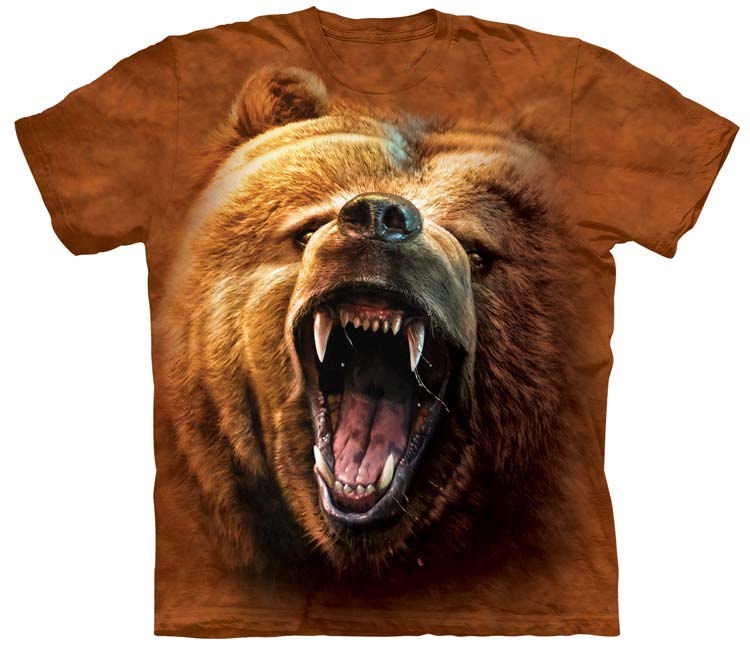
Bears are spread across multiple continents, each species adapted to its unique geographical setting. In North America, black bears and grizzlies range from the wooded expanses of Canada down to parts of Mexico, thriving in diverse climates. The polar bear’s range is circumpolar, covering the Arctic regions of Canada, Russia, Greenland, and Norway, relying heavily on sea ice for their livelihood. Asia is home to several bear species, including the sloth bear in India and Sri Lanka, the sun bear in Southeast Asia, and the majestic giant panda in China, each adapted to specific environments from tropical forests to bamboo thickets. Europe, while not as diverse in bear species, still harbors populations of brown bears in countries like Romania, Russia, and the Balkans. Understanding bear geography across continents provides essential insights into their ecological roles and the conservation challenges they face, highlighting the need for global efforts in preserving bear habitats.
Unique Habitats for Different Species
Each bear species inhabits a distinct environment, showcasing the diversity of bear habitats globally. The polar bear’s unique habitat is the sea ice of the Arctic, where their survival depends on the presence of ice floes for hunting seals. In stark contrast, the giant panda occupies the misty bamboo forests of China, relying almost exclusively on bamboo for sustenance. The sun bear, the smallest of the bear species, is native to the tropical rainforests of Southeast Asia, where it thrives on a diet of fruits and insects. Meanwhile, the sloth bear roams the dry forests and grasslands of the Indian subcontinent, using its long claws to dig for termites. In the dense North American forests, black bears find refuge, utilizing the rich vegetation for food and cover. These unique habitats are not just homes for bears; they are ecosystems that require protection to maintain biodiversity and ecological balance, emphasizing the importance of tailored conservation efforts.
Conservation and Preservation Efforts
Importance of Bear Conservation
Bear conservation is crucial for maintaining ecological balance and biodiversity across the globe. As apex predators and keystone species, bears play a significant role in their ecosystems. For instance, by controlling prey populations and spreading seeds through their scat, they help maintain healthy forest dynamics. The loss of bears can lead to overpopulation of certain species, resulting in a cascade of negative effects on the ecosystem. Moreover, conserving bear habitats ensures the protection of numerous other species that share these environments. Human activities like deforestation, climate change, and poaching pose significant threats to bear populations, making conservation efforts more important than ever. By supporting bear conservation, we not only safeguard these majestic animals but also contribute to broader environmental goals, such as preserving biodiversity and combating climate change. Engaging in eco-friendly practices and supporting sustainable products, like our animal-themed t-shirts, can help raise awareness and funds for vital bear conservation initiatives.
Strategies for Preserving Bear Habitats
Preserving bear habitats requires a multi-faceted approach that addresses both immediate threats and long-term sustainability. One effective strategy is the establishment of protected areas such as national parks and wildlife reserves, which offer safe havens for bears and other wildlife. These areas help mitigate habitat destruction caused by human activities like logging and urban expansion. Another strategy involves community engagement and education, empowering local populations to participate in conservation efforts and understand the importance of bear habitats. Implementing sustainable forestry and agricultural practices can reduce habitat encroachment and promote biodiversity. Additionally, reducing human-wildlife conflict through innovative solutions, such as bear-proof waste containers and safe wildlife corridors, ensures that bears can safely coexist with human populations. Advocacy for policies that address climate change is crucial, particularly for species like polar bears that are directly impacted by melting sea ice. Supporting these strategies through conscious consumer choices, like buying sustainably made products, can further bolster habitat preservation efforts.
Enjoy some interesting animal facts below!

Best Animal T-Shirts for Men Who Love Wildlife
Best Animal T-Shirts for Men Who Love Wildlife Most animal t-shirts blend into the background, leaving your love for wildlife unnoticed. You want shirts that speak louder than words, showcasing majestic lions, soaring eagles, and vibrant marine life with style. This guide highlights the best animal t-shirts for men, combining bold graphics with comfort and […]
Best Tiger Shirts for Tiger Lovers
Best Tiger Shirts for Tiger Lovers Tiger shirts often miss the mark, leaving fans with dull prints that don’t capture the wild spirit of these majestic cats. If you’ve been hunting for the best tiger apparel that blends bold artistry with comfort, your search ends here. This post highlights tiger print t-shirts and stylish tiger […]

Best Bird Shirts for Bird Lovers
Best Bird Shirts for Bird Lovers Bird shirts aren’t just for casual wear anymore—they’ve become a statement for anyone who loves the colors and charm of feathered friends. If you want bird lover apparel that stands out, you’ll want to see the styles blending art and nature in fresh ways. This post highlights bird-themed t-shirts […]

Best Eagle Shirts for Eagle Lovers
Best Eagle Shirts for Eagle Lovers Eagle shirts don’t have to be ordinary. If you want to wear your passion for these powerful birds with style, the options out there can surprise you. From bold graphic eagle tees to subtle nature inspired clothing, the right eagle apparel makes a statement without sacrificing comfort. Keep reading […]

Best Bear Shirts for Wildlife Lovers
Best Bear Shirts for Wildlife Lovers Most bear shirts out there miss the mark between style and comfort. You want wildlife clothing that feels as good as it looks and truly captures the spirit of these powerful creatures. In this post, you’ll find bear graphic tees that balance charming artwork with bold designs, perfect for […]

Best Animal Shirts for Nature Lovers
Best Animal Shirts for Nature Lovers Forget plain tees that don’t say much about who you are. If you love the wild, your wardrobe should shout it loud and clear with the best animal shirts out there. These nature lover apparel pieces mix eye-catching wildlife graphic tees with comfort and style, perfect for anyone who […]
Follow us on Social Media
Instagram – YouTube – Pinterest – Twitter – Facebook
Alligators – Aquatic – Bears – Big Cats – Birds – Buffalo – Cats – Deer – Dinosaurs – Dogs – Dragons – Eagles – Elephants – Elk – Frogs – Gecko – Giraffes – Horses – Kittens – Moose – Pandas – Snakes – Tigers – Unicorns – Wolves – Cat Shirts – Celtic – Dog Shirts – Dolphins – Dragons – Eagles – Fairies – Horse Shirts – Misc – Native American Indians – Patriotic – Peace – Primates – Religion – Scary – Sci Fi – Skeletons – Tie Dye – Tigers – Wolf Shirts
Interesting Animal Facts and Information
Bald Eagles – Cheetahs – Dolphins – Dinosaurs – Tigers – Lions – Cats – Dogs




Leave A Comment
You must be logged in to post a comment.