
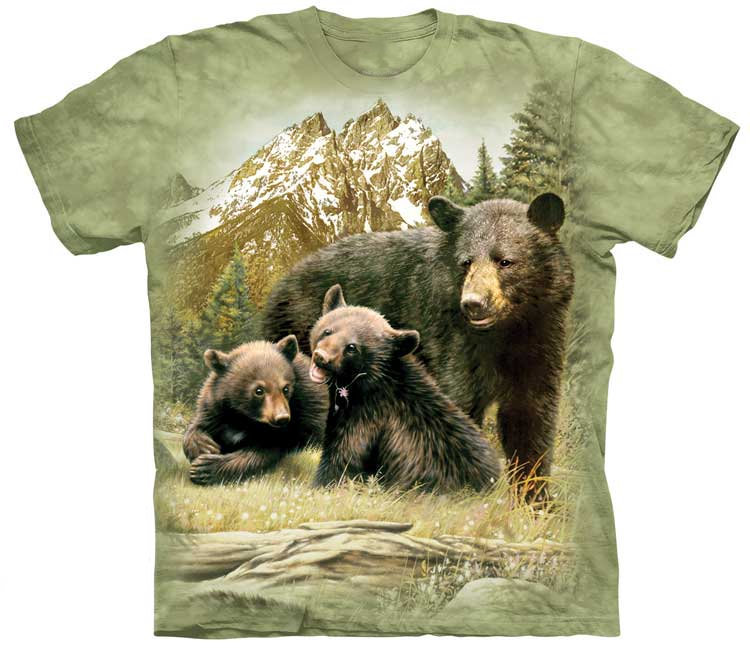
Discover Facts About Grizzly Bears and More While Staying Eco-Stylish
Get ready to groove with the wild side as we embark on an exciting journey into the world of grizzly bears and their furry cousins, all while keeping our eco-style in check! Bears are more than just nature’s cuddly giants; they offer a treasure trove of interesting bear facts that captivate nature enthusiasts and wildlife lovers alike. From understanding the fascinating bear behavior and diverse bear habitats to diving into the vital conservation of bears, we’ll explore it all with a rhythm of enthusiasm. Whether you’re intrigued by facts about grizzly bears or eager to learn polar bears information, this guide promises to be as engaging as your favorite playlist. So, let’s hit the right note and discover how we can rock our love for bears with sustainable, music-themed fashion that truly harmonizes with the planet.
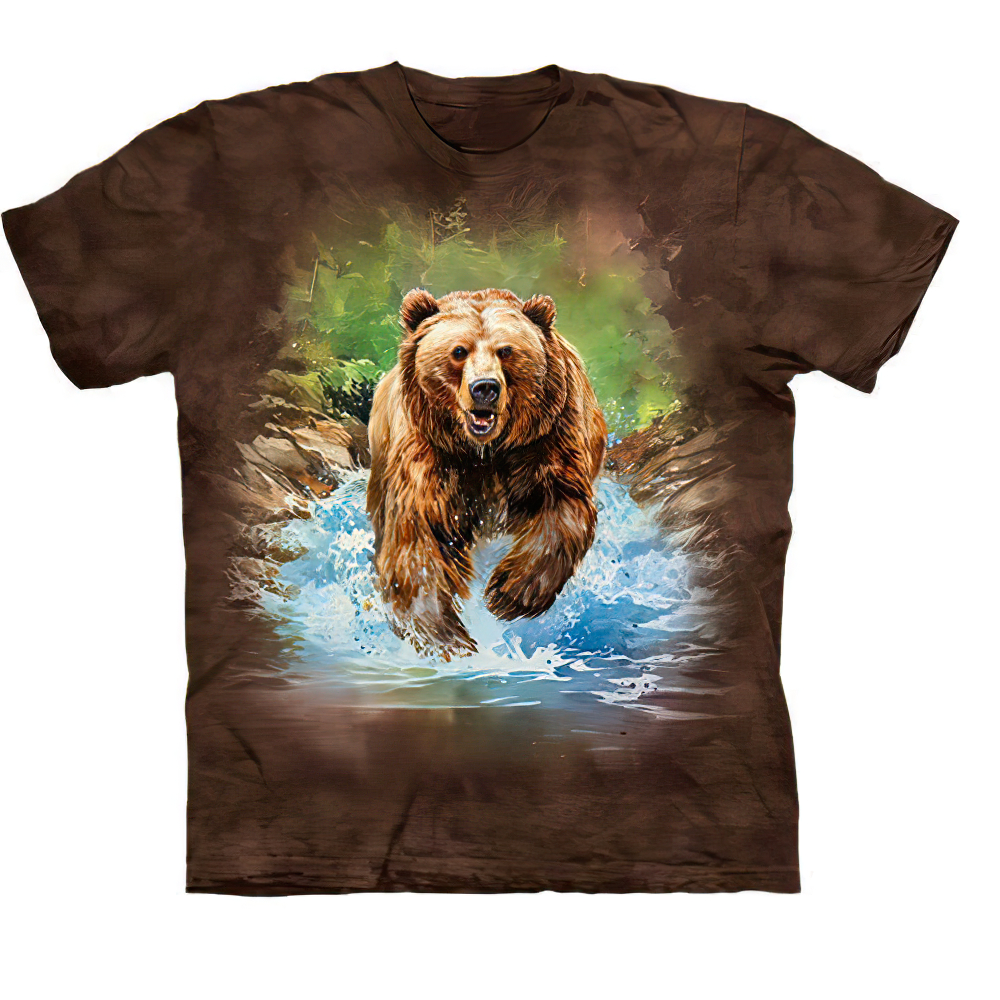
Grizzly Bear Facts
Fascinating Grizzly Bear Behaviors
Grizzly bears, known for their immense power and striking presence, exhibit some of the most intriguing behaviors in the animal kingdom. These majestic creatures are solitary by nature, yet they gather in numbers during salmon runs, showcasing a rare form of social interaction. Grizzly bears are also skilled foragers. They have an incredible sense of smell, which they use to locate food from miles away, making them adept at finding berries, roots, and small mammals. One of the most fascinating grizzly bear behaviors is their ability to enter a state of torpor during winter. Unlike true hibernation, torpor allows grizzlies to wake easily if disturbed. This behavior helps them conserve energy when food is scarce. Understanding these unique behaviors provides a deeper appreciation for grizzlies and highlights the importance of conservation efforts to ensure these magnificent creatures continue to thrive in their natural habitats.
Grizzly Bear Habitats Explored
Grizzly bears are masters of adaptation, thriving in diverse habitats across North America. These formidable creatures are typically found in mountainous regions, dense forests, and arctic tundras. Each habitat offers unique challenges and resources for grizzlies. In mountainous areas, these bears roam vast territories in search of food, relying on their climbing skills to access high-altitude berry patches. Forest habitats provide ample cover and a rich variety of flora and fauna that support their omnivorous diet. Meanwhile, the arctic tundra presents a stark, open landscape where grizzlies must traverse long distances to find sustenance, relying heavily on their keen sense of smell. Understanding the varied grizzly bear habitats underscores the importance of preserving these ecosystems to ensure the survival of this iconic species. Conservation efforts are crucial in maintaining the delicate balance of these environments, allowing grizzlies to continue roaming free and fulfilling their ecological roles.
Conservation Efforts for Grizzlies
The conservation of grizzly bears is an ongoing effort that requires collaboration between governments, environmental organizations, and local communities. As apex predators, grizzlies play a crucial role in maintaining the health of their ecosystems, yet they face numerous threats including habitat loss, climate change, and human-wildlife conflicts. Conservation strategies focus on preserving and restoring habitats, implementing wildlife corridors to connect fragmented landscapes, and promoting coexistence with human populations. Education programs are vital in raising awareness about the importance of grizzlies and the challenges they face. These initiatives aim to reduce negative encounters and promote responsible outdoor activities. Legal protections, such as those provided by the Endangered Species Act, have also been instrumental in stabilizing grizzly populations in certain regions. Continued support and sustainable practices are essential to ensure that future generations can appreciate and learn from these magnificent bears in the wild.
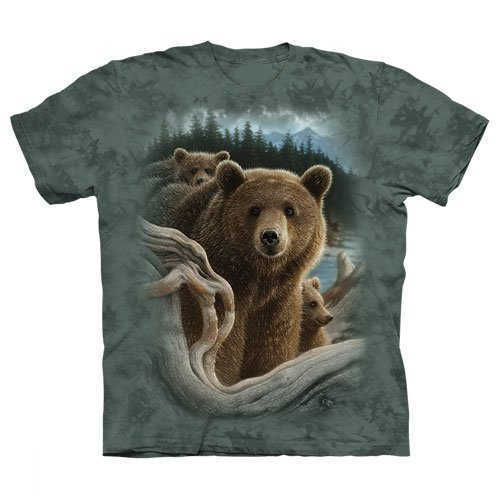
Types of Bears in Nature
Exploring Different Bear Species
Bears are a diverse group of mammals, with eight distinct species inhabiting various parts of the world. Each species has its unique characteristics and adaptations that suit their respective environments. The mighty grizzly bear is well-known for its strength and presence in North America, while the polar bear reigns in the icy Arctic, specialized for life on ice with its thick fur and blubber. The American black bear, often spotted in forests across North America, is highly adaptable and can thrive in diverse habitats. The Asiatic black bear and the sun bear inhabit Asia’s dense forests, each with unique dietary preferences and behaviors. The sloth bear, found in India and Sri Lanka, feeds primarily on termites and ants. Meanwhile, the Andean bear, known as the spectacled bear, is native to South America and is the continent’s only bear species. Finally, the giant panda of China, famous for its diet of bamboo, is a symbol of conservation worldwide.
Unique Traits of Polar Bears
Polar bears are extraordinary creatures uniquely adapted to life in the harsh Arctic environment. One of their most remarkable features is their thick, insulating fur, which is actually transparent and covers a layer of black skin that absorbs heat from the sun. Beneath their skin, a thick layer of blubber provides essential insulation and energy reserves. Polar bears are exceptional swimmers, known to travel long distances across icy waters in search of food, primarily seals, which constitute their main diet. Their large, paddle-like paws not only aid in swimming but also distribute their weight on thin ice, preventing them from breaking through. Polar bear behavior is also notable for its reliance on the sea ice platform for hunting, breeding, and in some cases, denning. As climate change threatens their icy habitat, understanding these unique traits becomes vital in conservation efforts to preserve this iconic species.
Understanding Bear Adaptations
Bears have developed a range of fascinating adaptations that enable them to thrive in diverse environments, from arctic tundras to dense forests. These adaptations are crucial for survival and include physical, behavioral, and physiological traits. Physically, bears possess strong limbs and sharp claws, which are essential for digging, climbing, and hunting. Their keen sense of smell allows them to locate food over long distances, a critical trait for omnivorous diets. Bears also exhibit behavioral adaptations, such as hibernation or torpor, which enable them to conserve energy during food-scarce winter months. This period of dormancy is especially vital for species like grizzlies, who rely on fat reserves accumulated during the warmer months. Physiologically, some bears have adapted to specific diets; for example, polar bears have evolved to digest high-fat seal blubber efficiently. These adaptations highlight the remarkable resilience and versatility of bears, emphasizing the importance of conserving their natural habitats to support these evolutionary traits.
Bear Behavior Insights
How Bears Communicate
Bears employ a variety of communication methods to interact with each other and their environment. These methods include vocalizations, body language, and scent marking. Vocalizations, such as growls, roars, and moans, help convey emotions ranging from aggression to contentment. For instance, cubs often use a high-pitched whimper to signal distress or hunger to their mothers. Body language plays a crucial role in bear communication as well. A bear standing on its hind legs may be trying to get a better view or signal dominance during encounters. Additionally, bears communicate through scent marking, which involves rubbing their bodies against trees or leaving scent trails. This method is particularly important for marking territory and providing information about an individual’s presence, reproductive status, or social rank. By understanding how bears communicate, we gain valuable insights into their social structures and behaviors, helping us foster coexistence and conservation efforts.
Feeding Habits of Bears
Bears are opportunistic feeders, and their diets vary significantly depending on the species and available resources. Most bears are omnivorous, consuming a mix of plant and animal matter. Grizzly and black bears, for example, eat berries, fruits, nuts, roots, insects, fish, and small mammals. During salmon runs, these bears exhibit cooperative feeding behaviors, gathering in numbers to catch fish. Polar bears, on the other hand, are primarily carnivorous, relying heavily on seals for sustenance due to the scarcity of plant life in their icy habitat. Unique among bears, the giant panda has a diet consisting almost entirely of bamboo, requiring them to consume large quantities to meet their nutritional needs. The feeding habits of bears are closely linked to their habitats and seasons, with many species exhibiting hyperphagia in the fall, a period of intense feeding to build fat reserves for hibernation. Understanding these habits provides insight into their ecological roles and conservation needs.

Seasonal Bear Activities
Bears experience a range of seasonal activities driven by environmental changes and survival needs. In spring, bears emerge from hibernation or torpor, often hungry and eager to replenish their energy reserves with fresh vegetation, insects, and carrion. As summer progresses, bears continue foraging, taking advantage of the abundance of food sources such as berries, fish, and small mammals. This period is critical for building the fat stores necessary for the coming winter. In fall, bears enter a phase known as hyperphagia, where they consume excessive amounts of food to prepare for the winter months. This intense feeding behavior ensures they have sufficient energy reserves for hibernation. During winter, many bear species retreat to dens for hibernation, conserving energy when food is scarce. These seasonal activities reflect bears’ remarkable adaptability and highlight the importance of conserving their habitats to ensure they have access to the resources needed for survival throughout the year.
Bear Habitats Around the World
Forests: Bears’ Natural Homes
Forests are vital habitats for many bear species, offering an abundance of food, shelter, and protection. These environments support diverse ecosystems, providing ample resources for bears to thrive. Black bears, for instance, are commonly found in North American forests, where they forage for berries, nuts, and small mammals. The dense canopy and understory vegetation offer excellent cover and nesting areas. In Asia, forests host the Asiatic black bear and the sun bear, both of which rely on these habitats for fruit, insects, and small vertebrates. Forests also serve as crucial corridors for bears, allowing them to move and adapt to changing conditions. However, deforestation poses a significant threat, as it fragments these habitats and reduces available resources. Conservation efforts focused on preserving and restoring forest ecosystems are essential to ensure the survival of bear populations worldwide, maintaining the delicate balance of these natural homes.
Arctic Regions and Polar Bears
The Arctic is a unique and challenging habitat, home to the magnificent polar bear. These regions are characterized by their icy landscapes, where sea ice plays a crucial role in the lives of polar bears. The ice serves as a platform for hunting seals, their primary food source, and a space for breeding and raising cubs. Polar bears are highly adapted to these frigid conditions, with thick fur and a substantial layer of blubber providing insulation against the cold. The fluctuating sea ice, driven by seasonal changes and climate patterns, dictates their movements and access to food. As global temperatures rise and ice melts, polar bears face increasing challenges in finding food and maintaining vital energy reserves. Conservation efforts are critical to mitigating these impacts, focusing on reducing greenhouse gas emissions and protecting sensitive Arctic ecosystems to ensure the survival of polar bears in their natural habitat.
Human Impact on Bear Habitats
Human activities significantly impact bear habitats around the world, posing challenges to their survival and well-being. Deforestation, driven by logging and agriculture, fragments forest habitats, reducing the availability of food and shelter for bears such as grizzlies and black bears. Urban expansion and infrastructure development further encroach on these natural spaces, leading to habitat loss and increased human-bear conflicts. In the Arctic, climate change caused by human-induced greenhouse gas emissions is melting sea ice, threatening the polar bears’ hunting grounds and disrupting their life cycles. Additionally, pollution and resource extraction activities, such as mining and oil drilling, degrade bear habitats and introduce harmful substances into the environment. Conservation efforts aim to mitigate these impacts through sustainable land-use practices, protecting critical habitats, and promoting coexistence strategies between humans and bears. By addressing these human-induced threats, we can help preserve bear habitats for future generations and maintain ecological balance.
Conservation and Eco-Fashion
Sustainable Materials in Fashion
Sustainable materials are revolutionizing the fashion industry, offering eco-friendly alternatives that reduce environmental impact. Organic cotton, for example, is grown without harmful pesticides and uses significantly less water, making it a popular choice for eco-conscious consumers. Recycled fibers, such as polyester made from reclaimed plastic bottles, help reduce waste and lower the carbon footprint of garments. Bamboo is another sustainable option, known for its rapid growth and minimal resource requirements. It can be transformed into soft, breathable fabric that is both durable and biodegradable. Hemp is celebrated for its strength and low environmental impact, requiring minimal water and pesticides. These sustainable materials not only minimize the ecological footprint of fashion but also encourage responsible consumption and production. By choosing garments made from these eco-friendly options, consumers can support the conservation of natural resources and promote a more sustainable fashion future.
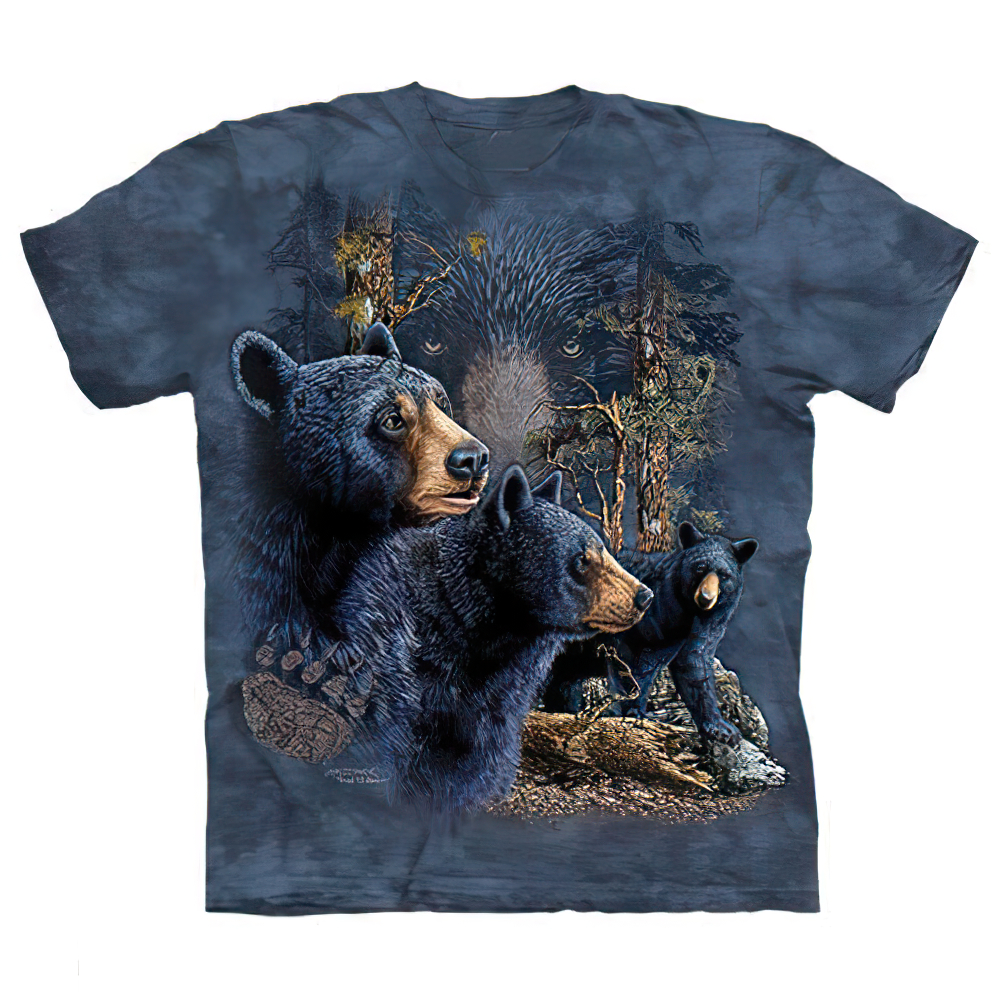
Eco-Friendly T-Shirts Inspired by Bears
Eco-friendly t-shirts inspired by bears offer a blend of style, sustainability, and wildlife appreciation. Made from sustainable materials like organic cotton and recycled fibers, these t-shirts reduce environmental impact while providing comfort and durability. Designs often feature artistic renderings of bears, capturing their majestic beauty and raising awareness of their conservation needs. By wearing these t-shirts, consumers can express their love for bears and the natural world, while supporting eco-conscious fashion choices. Furthermore, many brands partner with environmental organizations, donating a portion of proceeds to bear conservation efforts. This creates a positive feedback loop, where fashion becomes a vehicle for change. By choosing eco-friendly bear-themed apparel, individuals not only contribute to a more sustainable wardrobe but also play a role in preserving bear habitats and promoting wildlife conservation. These t-shirts serve as a reminder that fashion and environmental stewardship can go hand in hand.
Supporting Bear Conservation Through Style
Supporting bear conservation through style is an innovative way to merge fashion with environmental activism. By choosing clothing lines that prioritize sustainable practices and bear-themed designs, consumers can actively contribute to conservation efforts. Many brands offer collections featuring artwork inspired by bears, with proceeds benefiting wildlife protection initiatives. This approach not only raises funds but also elevates awareness about the challenges bears face, such as habitat loss and climate change. Wearing such apparel becomes a conversation starter, encouraging dialogue about conservation issues and inspiring others to make eco-friendly choices. Additionally, these fashion items are often made from sustainable materials like organic cotton or recycled polyester, further reducing their environmental footprint. By aligning style with sustainability, consumers can influence the fashion industry to prioritize ethical production methods and support the conservation of bear populations worldwide. This harmonious blend of fashion and activism empowers individuals to make a positive impact on the environment.
Enjoy some interesting animal facts below!

Best Animal T-Shirts for Men Who Love Wildlife
Best Animal T-Shirts for Men Who Love Wildlife Most animal t-shirts blend into the background, leaving your love for wildlife unnoticed. You want shirts that speak louder than words, showcasing majestic lions, soaring eagles, and vibrant marine life with style. This guide highlights the best animal t-shirts for men, combining bold graphics with comfort and […]
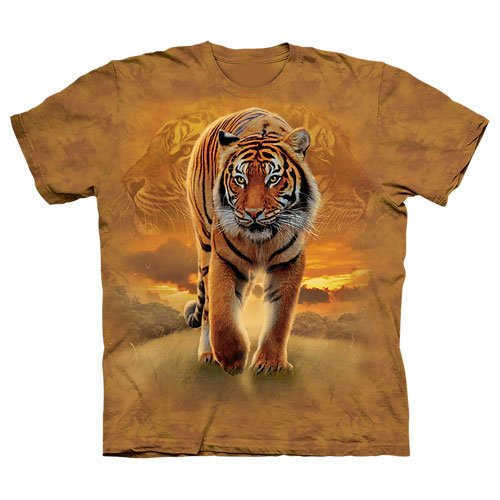
Best Tiger Shirts for Tiger Lovers
Best Tiger Shirts for Tiger Lovers Tiger shirts often miss the mark, leaving fans with dull prints that don’t capture the wild spirit of these majestic cats. If you’ve been hunting for the best tiger apparel that blends bold artistry with comfort, your search ends here. This post highlights tiger print t-shirts and stylish tiger […]
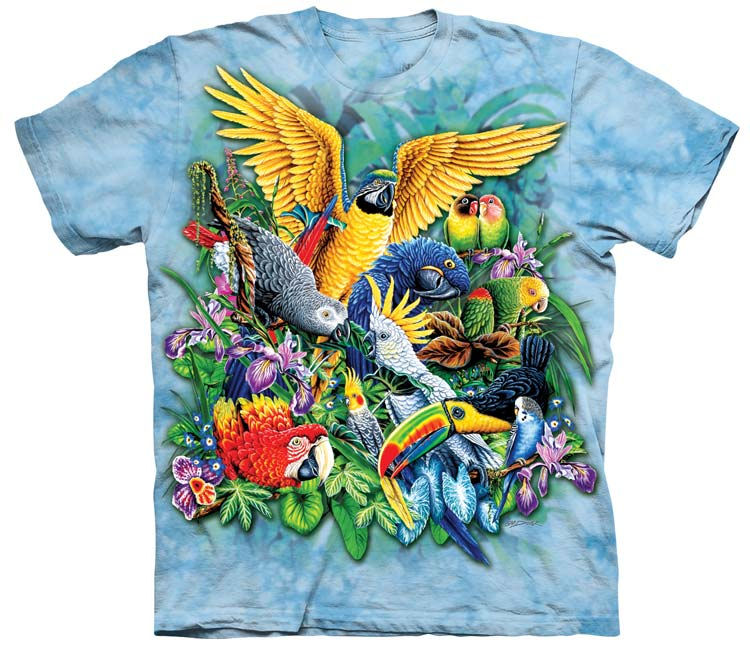
Best Bird Shirts for Bird Lovers
Best Bird Shirts for Bird Lovers Bird shirts aren’t just for casual wear anymore—they’ve become a statement for anyone who loves the colors and charm of feathered friends. If you want bird lover apparel that stands out, you’ll want to see the styles blending art and nature in fresh ways. This post highlights bird-themed t-shirts […]

Best Eagle Shirts for Eagle Lovers
Best Eagle Shirts for Eagle Lovers Eagle shirts don’t have to be ordinary. If you want to wear your passion for these powerful birds with style, the options out there can surprise you. From bold graphic eagle tees to subtle nature inspired clothing, the right eagle apparel makes a statement without sacrificing comfort. Keep reading […]

Best Bear Shirts for Wildlife Lovers
Best Bear Shirts for Wildlife Lovers Most bear shirts out there miss the mark between style and comfort. You want wildlife clothing that feels as good as it looks and truly captures the spirit of these powerful creatures. In this post, you’ll find bear graphic tees that balance charming artwork with bold designs, perfect for […]

Best Animal Shirts for Nature Lovers
Best Animal Shirts for Nature Lovers Forget plain tees that don’t say much about who you are. If you love the wild, your wardrobe should shout it loud and clear with the best animal shirts out there. These nature lover apparel pieces mix eye-catching wildlife graphic tees with comfort and style, perfect for anyone who […]
Follow us on Social Media
Instagram – YouTube – Pinterest – Twitter – Facebook
Alligators – Aquatic – Bears – Big Cats – Birds – Buffalo – Cats – Deer – Dinosaurs – Dogs – Dragons – Eagles – Elephants – Elk – Frogs – Gecko – Giraffes – Horses – Kittens – Moose – Pandas – Snakes – Tigers – Unicorns – Wolves – Cat Shirts – Celtic – Dog Shirts – Dolphins – Dragons – Eagles – Fairies – Horse Shirts – Misc – Native American Indians – Patriotic – Peace – Primates – Religion – Scary – Sci Fi – Skeletons – Tie Dye – Tigers – Wolf Shirts
Interesting Animal Facts and Information
Bald Eagles – Cheetahs – Dolphins – Dinosaurs – Tigers – Lions – Cats – Dogs



Leave A Comment
You must be logged in to post a comment.