
How do Dolphins use Echolocation? Understanding How Dolphins Communicate Through Sound
Dolphins are one of the most fascinating marine animals, known for their intelligence and complex social behaviors. Central to their remarkable abilities is their use of echolocation, a sophisticated method of communication and navigation that sets them apart in the animal kingdom. In this article, we will delve into the intricacies of how dolphins communicate through sound, exploring the mechanisms behind dolphin echolocation and the broader context of marine animal behavior. Join us as we uncover intriguing dolphin facts and gain a deeper understanding of echolocation in marine animals, shedding light on the incredible world beneath the waves.

The Science Behind Dolphin Echolocation
How Dolphins Communicate Through Sound
Dolphins communicate using a sophisticated array of sounds, including clicks, whistles, and pulsed calls. These sounds serve various purposes, from social interaction to navigation. The primary mechanism is echolocation, a process where dolphins emit sound waves that bounce off objects and return as echoes. This enables them to discern size, shape, speed, distance, and even the internal structure of objects.
The clicks are rapid, high-frequency sounds used mainly for echolocation. Whistles are more varied, used for social communication among dolphins. Each dolphin has a unique signature whistle, much like a name, allowing individual identification. These dolphin sounds are crucial for maintaining social bonds and coordinating group activities. Understanding how dolphins communicate provides insights into broader marine animal behavior, highlighting the complexity and intelligence of these creatures beneath the waves. This intricate communication system is a testament to their adaptability and social sophistication.
Echolocation in Marine Animals
Echolocation is not unique to dolphins; it is a widespread skill among marine animals, including various species of whales and some types of fish. This sensory adaptation allows these animals to navigate, hunt, and communicate in the often murky underwater environment where light is limited. By emitting sound waves and interpreting the echoes that bounce back, marine animals can locate prey, avoid obstacles, and interact with their surroundings with remarkable precision.
In whales, for instance, echolocation plays a pivotal role in their ability to find food in the deep ocean. Similarly, certain fish use this ability to detect predators and navigate through complex underwater landscapes. The study of echolocation in marine animals not only provides insights into their behavior and ecology but also inspires technological advancements in sonar and underwater navigation systems. Understanding these mechanisms underscores the ingenuity of marine life and their adaptations to the challenging oceanic environment.
Essential Dolphin Facts
Dolphins are renowned for their intelligence and social complexity, which are evident in their communication and behavior. These marine mammals have large brains relative to their body size, with intricate structures that facilitate advanced cognitive functions. Dolphins live in groups known as pods, which can range from a few individuals to over a thousand. Their social structures are highly dynamic, often involving cooperative hunting strategies and complex social interactions.
A fascinating aspect of dolphin life is their ability to use tools. Some dolphins have been observed using marine sponges to protect their snouts while foraging on the ocean floor. Additionally, they display behaviors such as playful acrobatics and vocal mimicry, showcasing their intelligence and adaptability.
Dolphins are also known for their altruism. They often help injured members of their pod and have been known to rescue humans in distress. These essential dolphin facts underscore their role as one of the most extraordinary inhabitants of the ocean.
Understanding Marine Animal Behavior
Decoding Dolphin Sounds
Decoding dolphin sounds is a complex task that has captivated scientists for decades. Dolphins produce a wide range of sounds for communication and echolocation, each with distinct functions and meanings. Researchers use advanced acoustic equipment to record and analyze these dolphin sounds, attempting to interpret their purpose and significance in marine animal behavior.
One key aspect of this research is understanding the social context of different sounds. Dolphins use clicks primarily for echolocation, while whistles and burst-pulsed sounds are crucial for social interaction. Each dolphin’s signature whistle, unique to the individual, allows for recognition and communication within pods.
By studying these vocalizations, scientists gain insights into dolphin social structures, mating rituals, and community dynamics. This research not only enhances our understanding of how dolphins communicate but also contributes to broader knowledge about marine life communication strategies. As decoding methods improve, we inch closer to unraveling the intricate language of dolphins.
Insights into Dolphin Echolocation
Dolphin echolocation is a remarkable adaptation that allows these marine mammals to thrive in their aquatic environment. This ability is not just about navigation; it’s a sophisticated form of communication that provides dolphins with detailed information about their surroundings. By emitting a series of high-frequency clicks, dolphins can determine the size, shape, distance, and even the texture of objects in the water.
Studies show that echolocation involves a complex neural process where the returning echoes are processed in the dolphin’s brain to construct a detailed “sound image” of their environment. This skill is particularly vital in murky waters where visibility is limited. Moreover, dolphins can adjust the frequency and intensity of their clicks to suit different environments and tasks, showcasing their adaptability.
Understanding dolphin echolocation offers insights into their hunting techniques, social interactions, and survival strategies. This knowledge enhances our comprehension of marine animal behavior and underscores the sophisticated sensory capabilities that dolphins have developed to master their ocean habitats.
Exploring Communication Patterns
Dolphin communication patterns reveal a complex social system that mirrors the intricacies of human interactions. These patterns are primarily expressed through a variety of sounds, body language, and synchronized behaviors. Dolphins use a combination of whistles and clicks, each serving specific purposes in their social structure. Whistles often facilitate social bonding and coordination within pods, while clicks are predominantly used for echolocation.
Research indicates that dolphins can modify their vocalizations depending on the context, such as during mating rituals or when establishing dominance hierarchies. Body language, including leaps and tail slaps, complements vocal communication, adding depth to their interactions.
Moreover, dolphins engage in synchronized swimming, which strengthens social bonds and improves group cohesion. Understanding these communication patterns sheds light on the intelligence and social sophistication of dolphins, providing valuable insights into marine animal behavior. This exploration helps researchers develop conservation strategies that consider the complex social dynamics of dolphin populations.
Enjoy some interesting animal facts below!

Best Animal T-Shirts for Men Who Love Wildlife
Best Animal T-Shirts for Men Who Love Wildlife Most animal t-shirts blend into the background, leaving your love for wildlife unnoticed. You want shirts that speak louder than words, showcasing majestic lions, soaring eagles, and vibrant marine life with style. This guide highlights the best animal t-shirts for men, combining bold graphics with comfort and […]

Best Tiger Shirts for Tiger Lovers
Best Tiger Shirts for Tiger Lovers Tiger shirts often miss the mark, leaving fans with dull prints that don’t capture the wild spirit of these majestic cats. If you’ve been hunting for the best tiger apparel that blends bold artistry with comfort, your search ends here. This post highlights tiger print t-shirts and stylish tiger […]

Best Bird Shirts for Bird Lovers
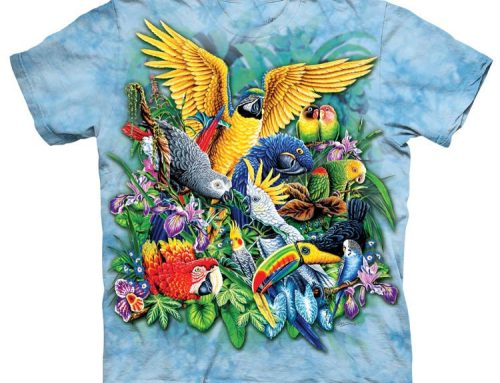
Best Bird Shirts for Bird Lovers Bird shirts aren’t just for casual wear anymore—they’ve become a statement for anyone who loves the colors and charm of feathered friends. If you want bird lover apparel that stands out, you’ll want to see the styles blending art and nature in fresh ways. This post highlights bird-themed t-shirts […]

Best Eagle Shirts for Eagle Lovers
Best Eagle Shirts for Eagle Lovers Eagle shirts don’t have to be ordinary. If you want to wear your passion for these powerful birds with style, the options out there can surprise you. From bold graphic eagle tees to subtle nature inspired clothing, the right eagle apparel makes a statement without sacrificing comfort. Keep reading […]

Best Bear Shirts for Wildlife Lovers
Best Bear Shirts for Wildlife Lovers Most bear shirts out there miss the mark between style and comfort. You want wildlife clothing that feels as good as it looks and truly captures the spirit of these powerful creatures. In this post, you’ll find bear graphic tees that balance charming artwork with bold designs, perfect for […]

Best Animal Shirts for Nature Lovers
Best Animal Shirts for Nature Lovers Forget plain tees that don’t say much about who you are. If you love the wild, your wardrobe should shout it loud and clear with the best animal shirts out there. These nature lover apparel pieces mix eye-catching wildlife graphic tees with comfort and style, perfect for anyone who […]
Follow us on Social Media
Instagram – YouTube – Pinterest – Twitter – Facebook
Alligators – Aquatic – Bears – Big Cats – Birds – Buffalo – Cats – Deer – Dinosaurs – Dogs – Dragons – Eagles – Elephants – Elk – Frogs – Gecko – Giraffes – Horses – Kittens – Moose – Pandas – Snakes – Tigers – Unicorns – Wolves – Cat Shirts – Celtic – Dog Shirts – Dolphins – Dragons – Eagles – Fairies – Horse Shirts – Misc – Native American Indians – Patriotic – Peace – Primates – Religion – Scary – Sci Fi – Skeletons – Tie Dye – Tigers – Wolf Shirts
Interesting Animal Facts and Information
Bald Eagles – Cheetahs – Dolphins – Dinosaurs – Tigers – Lions – Cats – Dogs




Leave A Comment
You must be logged in to post a comment.