
How do cheetah mothers raise their cubs? A Guide to Raising Cheetah Cubs
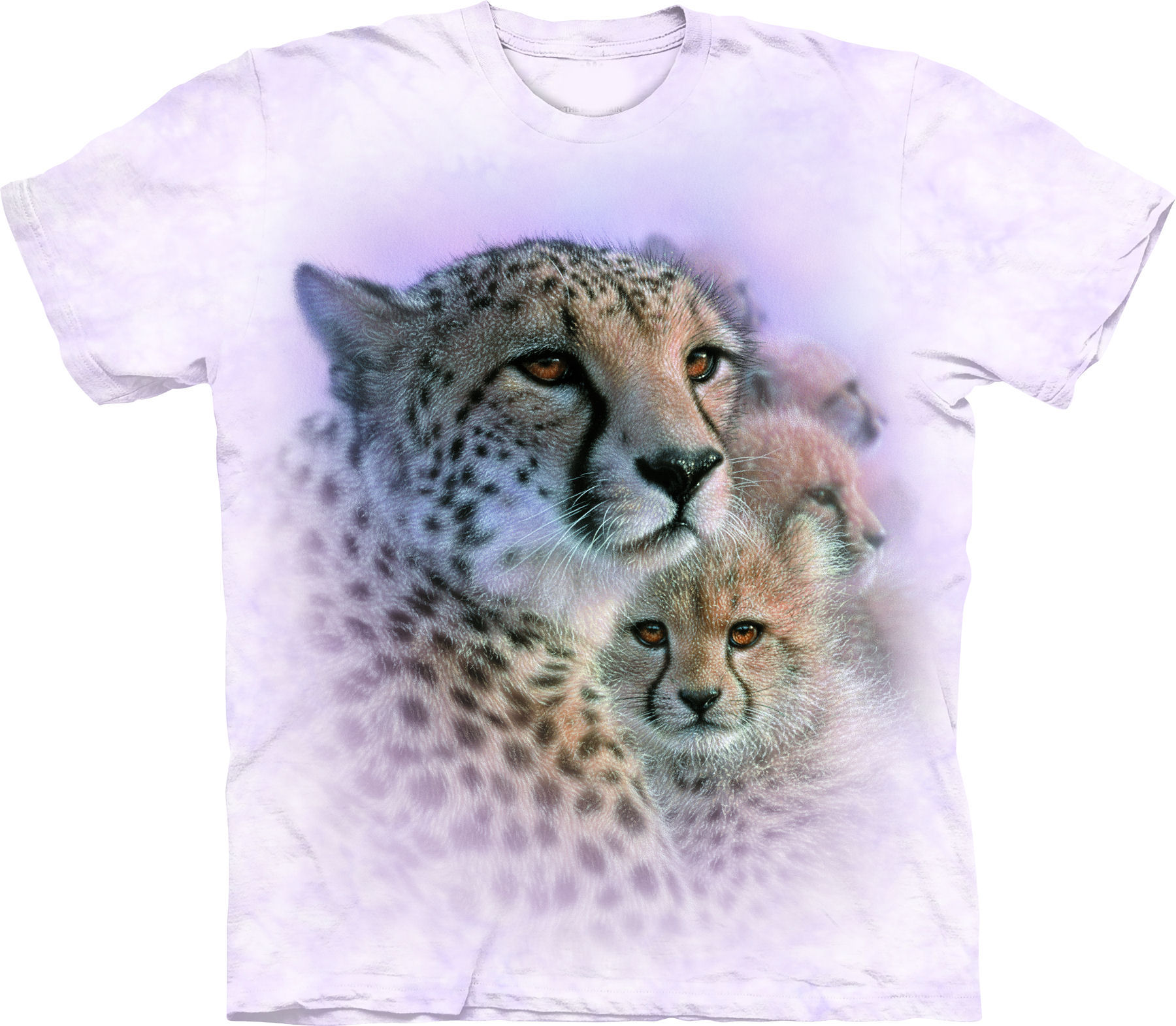
Cheetah mothers are fascinating figures in the world of wildlife, showcasing a remarkable blend of instinct, care, and strategy in raising cheetah cubs. These incredible creatures face numerous challenges, but their dedication to animal parenting plays a crucial role in the cubs’ development and survival. Understanding cheetah behavior and the nurturing techniques employed by these mothers provides valuable insights into wildlife conservation efforts and the broader spectrum of mammal nurturing. In this guide, we will delve into the secrets of cheetah mothers, exploring how they nurture their young and prepare them for the wild, offering an engaging glimpse into the natural world that captivates wildlife enthusiasts and researchers alike.
The Role of Cheetah Mothers
Early Stages of Raising Cheetah Cubs
In the initial stages of raising cheetah cubs, cheetah mothers exhibit exceptional dedication and resilience. Upon giving birth, a mother cheetah finds a secluded, safe spot to hide her cubs from predators. During the first few weeks, the cubs are blind and defenseless, relying entirely on their mother for nourishment and protection. Cheetah mothers must leave their cubs alone while hunting, a risky but necessary venture to ensure survival. They carefully select locations that afford camouflage, minimizing the risk of detection by potential threats. In these early stages, the bond between mother and cubs strengthens as they communicate through soft chirps and purrs. Understanding these early behaviors is key to appreciating the intricacies of animal parenting and the challenges cheetah mothers face. These insights are vital for wildlife conservation strategies aimed at supporting cubs’ development and enhancing the species’ survival.
Teaching Hunting Techniques
As the cubs grow older, cheetah mothers take on the vital task of teaching hunting techniques. This crucial phase of cubs’ development involves a combination of observation, practice, and guidance. Initially, cheetah mothers bring back live prey for their cubs, allowing them to practice the skills necessary for hunting. This hands-on approach lets the cubs learn how to stalk, chase, and capture their own food. Over time, the cubs accompany their mother on hunting trips, learning to read the environment and understand the behaviors of their prey. The mother’s patient instruction helps the cubs develop the speed and precision needed for successful hunts. These lessons are not just about survival but also about building confidence and independence. Understanding this aspect of cheetah behavior highlights the importance of maternal roles in mammal nurturing and the intricate strategies involved in animal parenting, which are essential for wildlife conservation efforts.
Protective Strategies Against Predators
Cheetah mothers employ a range of protective strategies to shield their cubs from predators. In the wild, threats come from various animals, including lions and hyenas, which can easily overpower young cheetahs. To combat these dangers, cheetah mothers are always on the move, frequently relocating their cubs to new dens to avoid detection. This constant relocation keeps the cubs safe and minimizes scent trails that could attract predators. Additionally, mother cheetahs are extremely vigilant, using their acute senses to detect potential threats from a distance. When danger approaches, they may use distraction tactics or even confront threats to protect their young. The ability to assess risk and respond rapidly is critical for the cubs’ development and survival. These protective strategies underscore the significant role cheetah mothers play in wildlife conservation, as their efforts directly impact the survival rates of cubs and help ensure the continuation of the species.
Development of Cheetah Cubs
Physical Growth and Milestones
Physical growth and milestones in cheetah cubs are critical indicators of their overall development and readiness for independence. In the first few weeks, cheetah cubs are born blind and helpless, but they quickly begin to grow and open their eyes. By the age of three months, cubs start to exhibit increased coordination and mobility, essential for survival in the wild. During this period, they engage in playful activities that hone their motor skills and strengthen their muscles. By six months, the cubs’ teeth are developed enough to handle solid food, and they start participating more actively in hunts. Around the one-year mark, cubs reach a level of physical maturity that allows them to keep up with their mother during high-speed chases. These milestones are crucial not only for the cubs’ development but also for understanding cheetah behavior and the effectiveness of animal parenting strategies. Monitoring these growth stages is vital for wildlife conservation efforts focused on improving cubs’ survival rates.
Social Behaviors and Play
Social behaviors and play are fundamental aspects of cheetah cubs’ development. Through play, cubs learn essential skills such as stalking, chasing, and pouncing, which are vital for hunting. These playful interactions also help establish social bonds and hierarchies within the litter. Cheetah mothers often engage with their cubs during play, using this time to teach them important survival skills in a low-risk environment. Play-fighting among siblings helps develop physical strength and coordination, while also teaching the cubs how to interact with each other and other animals they may encounter. Observing these behaviors provides valuable insights into cheetah behavior and the broader context of mammal nurturing. Understanding the role of social play in cubs’ development helps inform wildlife conservation strategies, ensuring that young cheetahs develop the behavioral competencies needed for survival. This aspect of animal parenting is crucial for raising cheetah cubs effectively in both wild and controlled environments.
Transition to Independence
The transition to independence is a critical phase in the development of cheetah cubs, marking the culmination of their mother’s nurturing efforts. Typically occurring around 18 months of age, this period is when cubs begin to venture out on their own, armed with the skills and knowledge imparted by their mother. During this time, cubs must apply their learned hunting techniques and survival strategies in the wild without the safety net of maternal guidance. This transition is gradual, with the mother slowly reducing her involvement in hunting and protection to encourage self-sufficiency. The cubs’ ability to adapt to independent life is an essential component of their overall survival and plays a significant role in the continuation of the species. Understanding this transition phase highlights the importance of cheetah mothers in wildlife conservation and underscores the need for supporting environments that enable successful independence for young cheetahs in both natural and managed ecosystems.
Importance of Cheetah Conservation
Impact of Animal Parenting on Survival
Animal parenting, particularly as exhibited by cheetah mothers, plays a pivotal role in the survival of cheetah cubs. The meticulous care, protection, and teaching provided by the mother significantly enhance the cubs’ chances of surviving in the wild. Effective animal parenting ensures that cubs develop the necessary hunting skills, social behaviors, and survival strategies required to thrive independently. This, in turn, impacts the overall population dynamics of cheetahs, as higher cub survival rates lead to a more stable and potentially growing population. Understanding the intricacies of cheetah behavior and the nurturing techniques employed by mothers provides valuable insights for wildlife conservation efforts. Conservation programs can benefit from this knowledge, implementing strategies that support mother-cub bonding and development. By highlighting the importance of animal parenting, we can foster more effective conservation practices that ensure the long-term survival of cheetahs in their natural habitats.
Efforts in Wildlife Preservation
Efforts in wildlife preservation are crucial for the continued survival of cheetahs and other endangered species. Conservation organizations worldwide are working tirelessly to protect cheetah habitats, reduce human-wildlife conflicts, and promote sustainable practices. Key initiatives include creating protected areas where cheetahs can hunt and roam freely without the threat of poaching or habitat destruction. Additionally, education and awareness programs aim to engage local communities in conservation efforts, highlighting the importance of preserving these magnificent animals. Breeding programs in captivity also play a significant role, helping to maintain genetic diversity and potentially reintroducing cheetahs into the wild. Research into cheetah behavior, including animal parenting techniques, aids in developing these programs and ensuring their success. By supporting these efforts, we contribute to a broader movement of wildlife conservation, ensuring that future generations can witness the beauty and majesty of cheetahs in their natural environments.
Supporting Conservation Initiatives
Supporting conservation initiatives is vital for the protection and survival of cheetahs. Individuals and organizations can play a significant role by contributing to efforts that focus on habitat preservation, anti-poaching measures, and education. Donations to wildlife conservation groups help fund critical research and programs that safeguard cheetah populations. Volunteering with conservation projects provides hands-on assistance and helps raise awareness among local communities about the importance of protecting these animals. Advocacy for stronger wildlife protection laws and policies can also make a substantial impact. Additionally, adopting sustainable practices in everyday life can reduce human impact on cheetah habitats. By supporting these initiatives, we contribute to a global effort to maintain biodiversity and ensure that cheetahs can continue to thrive in the wild. Engaging with conservation efforts not only helps preserve cheetahs but also promotes a healthier, more balanced ecosystem for all wildlife species.
Enjoy some interesting animal facts below!

Best Animal T-Shirts for Men Who Love Wildlife
Best Animal T-Shirts for Men Who Love Wildlife Most animal t-shirts blend into the background, leaving your love for wildlife unnoticed. You want shirts that speak louder than words, showcasing majestic lions, soaring eagles, and vibrant marine life with style. This guide highlights the best animal t-shirts for men, combining bold graphics with comfort and […]

Best Tiger Shirts for Tiger Lovers
Best Tiger Shirts for Tiger Lovers Tiger shirts often miss the mark, leaving fans with dull prints that don’t capture the wild spirit of these majestic cats. If you’ve been hunting for the best tiger apparel that blends bold artistry with comfort, your search ends here. This post highlights tiger print t-shirts and stylish tiger […]
Best Bird Shirts for Bird Lovers
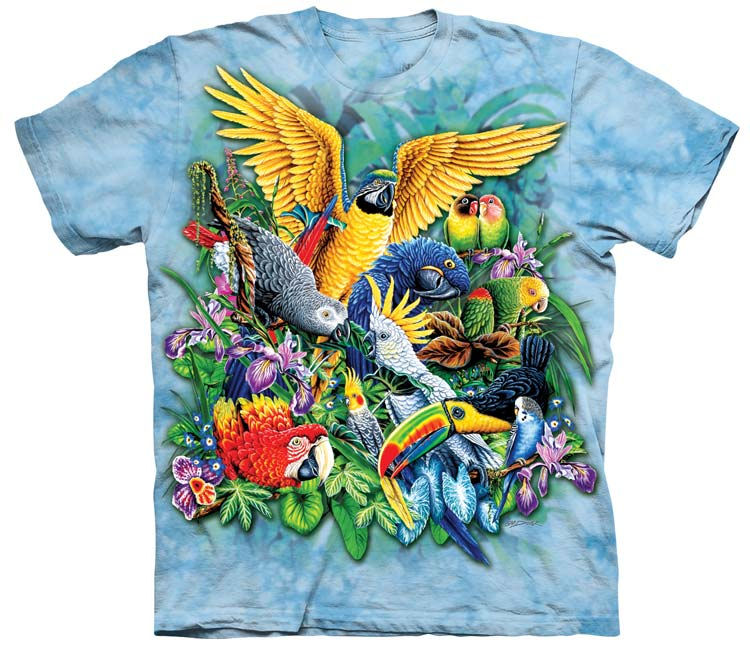
Best Bird Shirts for Bird Lovers Bird shirts aren’t just for casual wear anymore—they’ve become a statement for anyone who loves the colors and charm of feathered friends. If you want bird lover apparel that stands out, you’ll want to see the styles blending art and nature in fresh ways. This post highlights bird-themed t-shirts […]

Best Eagle Shirts for Eagle Lovers
Best Eagle Shirts for Eagle Lovers Eagle shirts don’t have to be ordinary. If you want to wear your passion for these powerful birds with style, the options out there can surprise you. From bold graphic eagle tees to subtle nature inspired clothing, the right eagle apparel makes a statement without sacrificing comfort. Keep reading […]

Best Bear Shirts for Wildlife Lovers
Best Bear Shirts for Wildlife Lovers Most bear shirts out there miss the mark between style and comfort. You want wildlife clothing that feels as good as it looks and truly captures the spirit of these powerful creatures. In this post, you’ll find bear graphic tees that balance charming artwork with bold designs, perfect for […]

Best Animal Shirts for Nature Lovers
Best Animal Shirts for Nature Lovers Forget plain tees that don’t say much about who you are. If you love the wild, your wardrobe should shout it loud and clear with the best animal shirts out there. These nature lover apparel pieces mix eye-catching wildlife graphic tees with comfort and style, perfect for anyone who […]
Follow us on Social Media
Instagram – YouTube – Pinterest – Twitter – Facebook
Alligators – Aquatic – Bears – Big Cats – Birds – Buffalo – Cats – Deer – Dinosaurs – Dogs – Dragons – Eagles – Elephants – Elk – Frogs – Gecko – Giraffes – Horses – Kittens – Moose – Pandas – Snakes – Tigers – Unicorns – Wolves – Cat Shirts – Celtic – Dog Shirts – Dolphins – Dragons – Eagles – Fairies – Horse Shirts – Misc – Native American Indians – Patriotic – Peace – Primates – Religion – Scary – Sci Fi – Skeletons – Tie Dye – Tigers – Wolf Shirts
Interesting Animal Facts and Information
Bald Eagles – Cheetahs – Dolphins – Dinosaurs – Tigers – Lions – Cats – Dogs



Leave A Comment
You must be logged in to post a comment.