
What is the Lifespan of a Cheetah? Unraveling the Mysteries of Their Lifespan
The secret life of cheetahs is a fascinating subject that captivates wildlife enthusiasts and conservationists alike. Understanding the mysteries of their lifespan not only enriches our knowledge of these incredible big cats but also aids in vital wildlife conservation efforts. On average, a cheetah’s lifespan in the wild ranges from 10 to 12 years, though they can live longer in captivity. By delving into cheetah facts and exploring factors that influence their animal longevity, we can inspire a deeper appreciation for their role in the ecosystem. Join us as we unravel the complexities of nature’s swiftest predator and its journey through life.
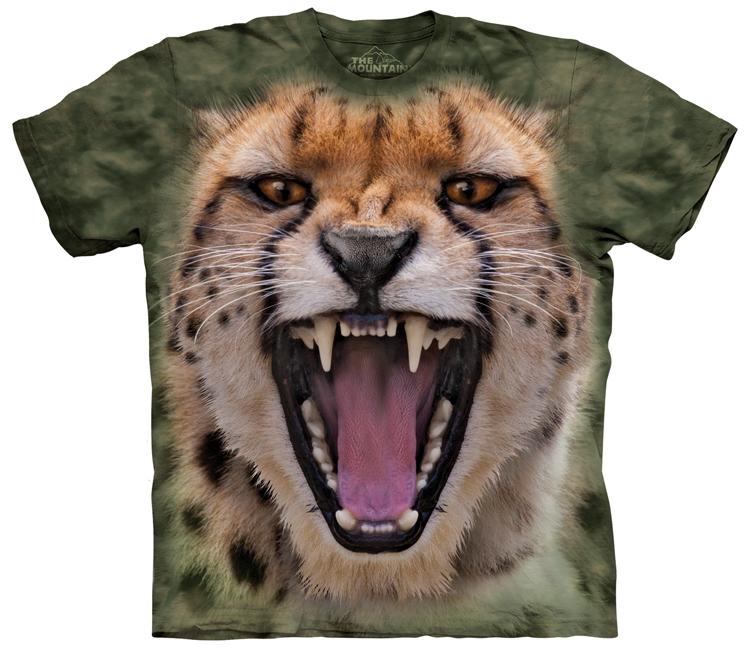
Understanding Cheetah Lifespan
Factors Influencing Longevity
Cheetah lifespan can be influenced by several critical factors. In the wild, their survival is often dictated by environmental conditions, availability of prey, and threats from predators or human activities. Habitat loss and fragmentation can significantly impact their ability to hunt and find mates, thereby affecting their lifespan. Additionally, competition with other big cats for food resources can lead to malnutrition or starvation. In captivity, however, cheetahs often live longer due to controlled environments, regular feeding, and veterinary care. Diseases such as genetic disorders and infections also play a role in determining a cheetah’s longevity. Conservation efforts are crucial in mitigating these threats, as they focus on protecting habitats and promoting biodiversity. By understanding these factors, we can better appreciate the challenges cheetahs face and the importance of wildlife conservation in ensuring their survival and longevity.
Wild vs Captive Lifespan
The lifespan of cheetahs varies significantly between wild and captive environments. In the wild, cheetahs typically live between 10 to 12 years. Their survival depends on their ability to hunt successfully, avoid predators, and adapt to changing environmental conditions. Threats such as habitat loss, human encroachment, and competition with other big cats further reduce their lifespan. Conversely, in captivity, cheetahs often enjoy a longer lifespan, sometimes reaching up to 15 years or more. Captive environments provide consistent food supply, protection from predators, and access to medical care, which significantly enhances their longevity. However, captivity also presents challenges, such as limited space and lack of natural hunting opportunities, which can affect their physical and mental health. Understanding these differences highlights the importance of creating balanced conservation strategies that ensure both the protection of wild cheetahs and the well-being of those in captivity.
Fascinating Cheetah Facts
Unique Adaptations
Cheetahs possess several unique adaptations that distinguish them from other big cats and contribute to their reputation as the fastest land animals. Their slender, lightweight bodies are built for speed, with long legs and a flexible spine that allow for an extended stride length. Their specialized non-retractable claws provide traction, similar to a runner’s spikes, enabling swift acceleration. Additionally, cheetahs have large nasal passages and lungs, which facilitate efficient oxygen intake during high-speed chases. Their tails act like rudders, helping with balance and steering at top speeds. Moreover, distinctive black “tear marks” run from the inner corners of their eyes down to the sides of their mouth, reducing glare from the sun and aiding in focus on prey. These remarkable adaptations not only enhance their hunting capabilities but also highlight the evolutionary marvels of cheetahs, underscoring their vital role in maintaining ecological balance in their natural habitats.
Social Structure and Behavior
Cheetahs exhibit unique social structures and behaviors compared to other big cats. Unlike lions, which live in prides, or leopards, which are solitary, cheetahs display a more flexible social system. Female cheetahs generally lead solitary lives, except during mating or when raising cubs. They establish territories that overlap with others, allowing them to access a broader range of resources. In contrast, male cheetahs often form coalitions, typically consisting of brothers from the same litter. These coalitions enhance their ability to defend territories and increase hunting success. Cheetahs communicate through a variety of vocalizations like purrs, chirps, and growls to convey different messages. Marking territories with scent markings is another behavioral trait that aids in establishing dominance and deterring rivals. Understanding these social dynamics is crucial for conservation efforts, as it provides insight into their territorial needs and the space required for their survival in the wild.
Importance of Wildlife Conservation
Threats to Cheetah Survival
Cheetahs face numerous threats that jeopardize their survival in the wild. Habitat loss due to agricultural expansion and urban development is one of the most significant challenges, leading to reduced hunting grounds and fragmented populations. Human-wildlife conflict also poses a threat, with cheetahs often killed by farmers protecting livestock. The illegal wildlife trade, driven by demand for exotic pets and skins, further endangers their numbers. Additionally, climate change impacts their prey availability and habitat conditions, adding yet another layer of difficulty in their battle for survival. Genetic diversity is another concern, as small population sizes can lead to inbreeding and increased vulnerability to diseases. Addressing these threats through effective wildlife conservation strategies is crucial. This includes creating protected areas, promoting coexistence with humans, and enhancing anti-poaching measures. By focusing on these efforts, we can help ensure the long-term survival and health of cheetah populations worldwide.
Conservation Efforts and Success Stories
Conservation efforts for cheetahs have seen some notable success stories, showcasing the potential of dedicated initiatives. Organizations like the Cheetah Conservation Fund (CCF) and the African Wildlife Foundation work tirelessly to protect these big cats by implementing strategies that address habitat preservation, anti-poaching measures, and community engagement. One successful approach has been the establishment of wildlife corridors, which connect fragmented habitats and allow cheetahs to roam freely. These corridors help maintain genetic diversity and ensure access to adequate hunting grounds. In Namibia, innovative programs like livestock guarding dogs have reduced human-cheetah conflicts, demonstrating a win-win solution for farmers and wildlife. Education and awareness campaigns have also played a pivotal role in shifting public perception and promoting coexistence. These efforts have contributed to stabilizing cheetah populations in certain regions. However, ongoing support and collaboration are essential to sustain and expand these achievements, ensuring a brighter future for cheetahs.
Enjoy some interesting animal facts below!

Best Animal T-Shirts for Men Who Love Wildlife
Best Animal T-Shirts for Men Who Love Wildlife Most animal t-shirts blend into the background, leaving your love for wildlife unnoticed. You want shirts that speak louder than words, showcasing majestic lions, soaring eagles, and vibrant marine life with style. This guide highlights the best animal t-shirts for men, combining bold graphics with comfort and […]
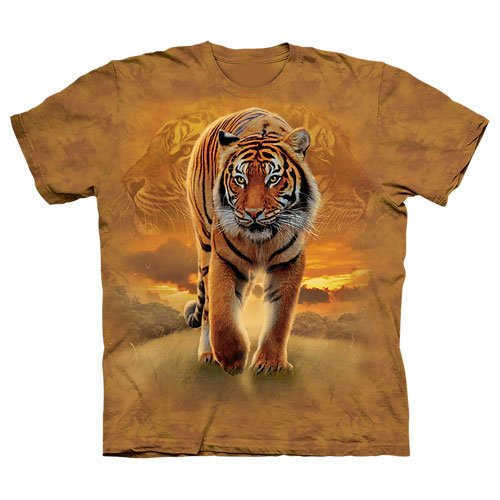
Best Tiger Shirts for Tiger Lovers
Best Tiger Shirts for Tiger Lovers Tiger shirts often miss the mark, leaving fans with dull prints that don’t capture the wild spirit of these majestic cats. If you’ve been hunting for the best tiger apparel that blends bold artistry with comfort, your search ends here. This post highlights tiger print t-shirts and stylish tiger […]
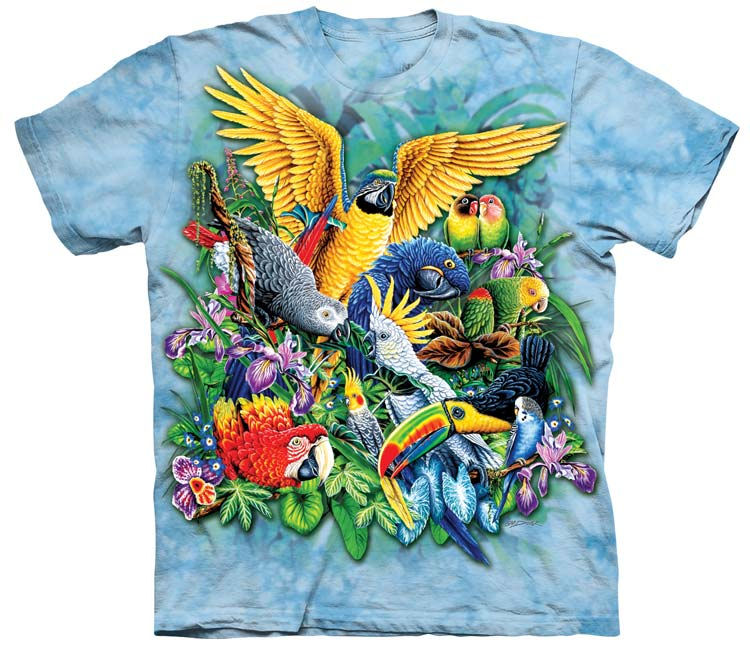
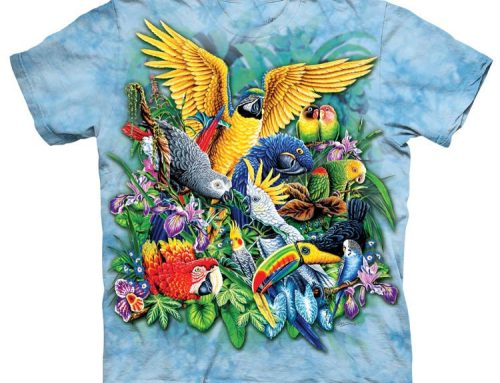
Best Bird Shirts for Bird Lovers
Best Bird Shirts for Bird Lovers Bird shirts aren’t just for casual wear anymore—they’ve become a statement for anyone who loves the colors and charm of feathered friends. If you want bird lover apparel that stands out, you’ll want to see the styles blending art and nature in fresh ways. This post highlights bird-themed t-shirts […]

Best Eagle Shirts for Eagle Lovers
Best Eagle Shirts for Eagle Lovers Eagle shirts don’t have to be ordinary. If you want to wear your passion for these powerful birds with style, the options out there can surprise you. From bold graphic eagle tees to subtle nature inspired clothing, the right eagle apparel makes a statement without sacrificing comfort. Keep reading […]

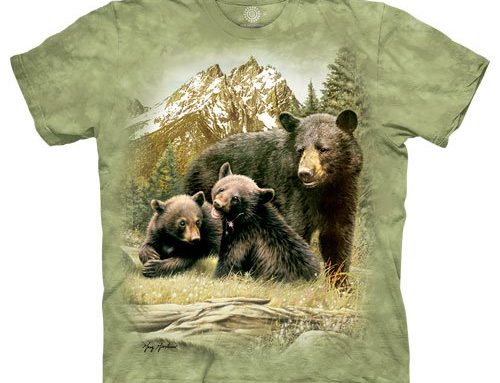
Best Bear Shirts for Wildlife Lovers
Best Bear Shirts for Wildlife Lovers Most bear shirts out there miss the mark between style and comfort. You want wildlife clothing that feels as good as it looks and truly captures the spirit of these powerful creatures. In this post, you’ll find bear graphic tees that balance charming artwork with bold designs, perfect for […]

Best Animal Shirts for Nature Lovers
Best Animal Shirts for Nature Lovers Forget plain tees that don’t say much about who you are. If you love the wild, your wardrobe should shout it loud and clear with the best animal shirts out there. These nature lover apparel pieces mix eye-catching wildlife graphic tees with comfort and style, perfect for anyone who […]
Follow us on Social Media
Instagram – YouTube – Pinterest – Twitter – Facebook
Alligators – Aquatic – Bears – Big Cats – Birds – Buffalo – Cats – Deer – Dinosaurs – Dogs – Dragons – Eagles – Elephants – Elk – Frogs – Gecko – Giraffes – Horses – Kittens – Moose – Pandas – Snakes – Tigers – Unicorns – Wolves – Cat Shirts – Celtic – Dog Shirts – Dolphins – Dragons – Eagles – Fairies – Horse Shirts – Misc – Native American Indians – Patriotic – Peace – Primates – Religion – Scary – Sci Fi – Skeletons – Tie Dye – Tigers – Wolf Shirts
Interesting Animal Facts and Information
Bald Eagles – Cheetahs – Dolphins – Dinosaurs – Tigers – Lions – Cats – Dogs


Leave A Comment
You must be logged in to post a comment.