
How do Cheetahs Hunt?
In the vast savannas and open plains of Africa, the cheetah reigns as the epitome of speed and agility, mastering the art of survival through its remarkable hunting techniques. Understanding cheetah hunting offers a fascinating glimpse into the world of predator techniques and wildlife strategies that distinguish these big cats in action. Known for their unparalleled speed, cheetahs employ a unique hunting method that combines stealth, precision, and breathtaking acceleration. As we delve into the intricate details of animal behavior and cheetah speed, this exploration reveals the sophisticated balance between instinct and skill in the wild. Join us in uncovering the secrets behind the cheetah’s success, as we illuminate the dynamics of hunting methods that have captivated nature lovers and researchers alike.
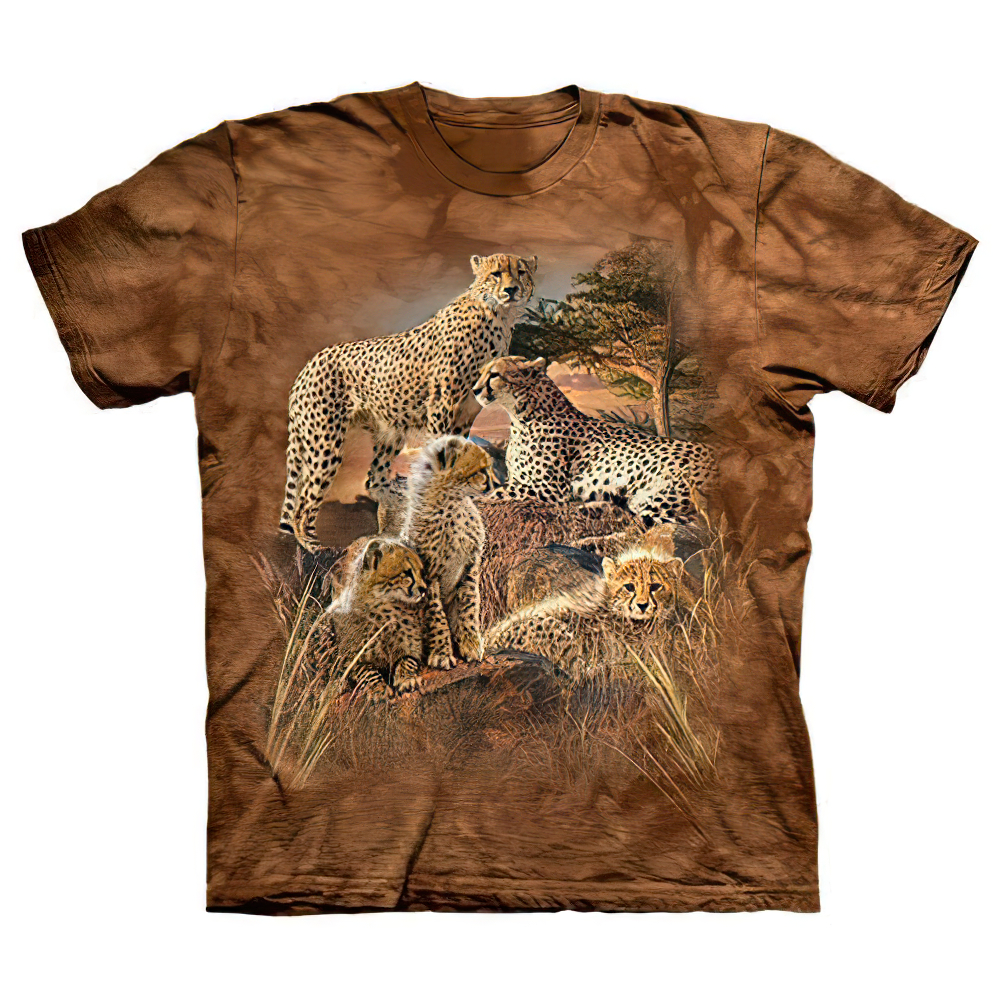
Cheetah Speed: Nature’s Design
Anatomy of a Pursuit
The cheetah’s pursuit begins with a focused gaze on its target, leveraging its keen eyesight to pinpoint vulnerable prey. Once locked on, the cheetah creeps closer, minimizing the distance to ensure success. This initial stage of stealth is crucial, as it allows the cheetah to conserve energy for the burst of speed that follows. Upon reaching an optimal distance, the cheetah propels forward with explosive acceleration, reaching speeds of up to 60 mph within seconds. Its lightweight frame, powerful leg muscles, and enlarged adrenal glands are perfectly adapted for this sprint. The cheetah’s long tail acts as a rudder, providing balance and direction during high-speed chases. This pursuit is often a short-lived spectacle, lasting less than a minute. The cheetah’s ability to rapidly decelerate and change direction is vital as it closes in on its prey, showcasing a remarkable example of predator techniques in the wild.
Speed vs. Stamina
The cheetah’s evolutionary design is optimized for speed rather than stamina, a trade-off that defines its hunting strategy. While capable of reaching extraordinary speeds, cheetahs can only maintain such velocity for about 20 to 30 seconds. This limitation is due to the intense heat generated by their muscular exertion, which requires them to rest and cool down shortly after a chase. Consequently, cheetahs rely heavily on stealth and proximity to their prey before launching an attack. The short distance sprint is a calculated gamble, balancing the need for rapid acceleration against the risk of overheating. This reliance on bursts of speed over endurance highlights the cheetah’s unique adaptation among big cats in action. Understanding this dynamic of speed versus stamina provides insights into animal behavior and hunting methods in the wild, emphasizing the cheetah’s reliance on precision timing and environmental conditions to secure a successful hunt.
Predator Techniques Unveiled
Stalking and Strategy
Cheetahs employ a meticulous stalking strategy, which is crucial for a successful hunt. This involves using natural cover like tall grass or bushes to camouflage their approach, reducing the likelihood of detection by prey. The cheetah’s spotted coat plays an integral role in blending with the surroundings, making it a master of stealth. During the stalk, cheetahs focus on isolating a target—usually young, weak, or isolated animals—to maximize chances of success. They position themselves downwind to mask their scent and maintain a low profile to remain unseen. Cheetahs often operate alone, but mothers with cubs might teach them these tactics through practice hunts. This patient and calculated approach is a testament to their sophisticated predator techniques. By carefully strategizing each move, cheetahs conserve energy for the final explosive dash. This methodical process underscores the importance of strategy in wildlife survival, offering a deeper understanding of animal behavior in their natural habitat.
The Chase and Capture
Once the cheetah initiates the chase, it transforms into a blur of motion, showcasing exceptional speed and agility. The cheetah’s acceleration from 0 to 60 mph in mere seconds is a key factor in overtaking its prey. During the chase, the cheetah’s body undergoes rapid physiological changes—its heart rate soars, and its respiratory rate increases to maximize oxygen supply to its muscles. As it closes in, the cheetah uses its long tail for balance, enabling sharp turns and sudden shifts in direction that mirror the evasive maneuvers of the prey. The final moment of capture is often a dramatic leap, where the cheetah uses its claws to trip or knock down the target. Following a successful takedown, the cheetah must quickly secure its catch by suffocating the prey using a powerful bite to the neck. This high-stakes phase of the hunt highlights the cheetah’s refined predator techniques and the fine-tuned balance of speed, skill, and precision in wildlife strategies.
Wildlife Strategies in Action
Adapting to Prey Behavior
Cheetahs exhibit remarkable adaptability in response to the behavior of their prey. This flexibility is essential in the ever-changing landscapes of the savannas. Prey animals are continuously evolving their own survival tactics, such as increased vigilance and group formations, to counter predators. In turn, cheetahs adjust their hunting strategies to these defensive measures. They often select the time of day when prey is less alert, using the low light of dawn or dusk to their advantage. Additionally, cheetahs may change their approach based on specific prey behavior, whether it’s targeting individuals lagging behind a herd or exploiting moments of distraction. Their ability to read and respond to subtle cues in prey behavior is crucial for a successful hunt. This dynamic interaction between predator and prey demonstrates the cheetah’s ability to refine its techniques, showcasing a profound example of wildlife strategies and the intricate balance of animal behavior in the natural world.
Group Dynamics and Solo Hunts
Cheetahs are primarily solitary hunters, but their group dynamics can vary significantly, especially among males. Male cheetahs sometimes form coalitions, typically consisting of brothers, which allows them to collaborate on hunting and territorial defense. These coalitions can increase hunting success, as they can tackle larger prey and cover more ground. In contrast, female cheetahs usually hunt alone, except when accompanied by their cubs. Solo hunts require a high level of skill and precision due to the cheetah’s reliance on stealth and speed. The solitary nature of female cheetahs also serves a protective role, minimizing the risk of attracting predators that might harm their young. This duality in hunting strategies—group versus solo—reflects the cheetah’s adaptability and versatility in various environments. Understanding these dynamics provides insight into cheetah social structures and highlights the diverse wildlife strategies employed by these big cats in action to thrive in the wild.
Enjoy some interesting animal facts below!
Best Animal T-Shirts for Men Who Love Wildlife
Best Animal T-Shirts for Men Who Love Wildlife Most animal t-shirts blend into the background, leaving your love for wildlife unnoticed. You want shirts that speak louder than words, showcasing majestic lions, soaring eagles, and vibrant marine life with style. This guide highlights the best animal t-shirts for men, combining bold graphics with comfort and […]
Best Tiger Shirts for Tiger Lovers
Best Tiger Shirts for Tiger Lovers Tiger shirts often miss the mark, leaving fans with dull prints that don’t capture the wild spirit of these majestic cats. If you’ve been hunting for the best tiger apparel that blends bold artistry with comfort, your search ends here. This post highlights tiger print t-shirts and stylish tiger […]
Best Bird Shirts for Bird Lovers
Best Bird Shirts for Bird Lovers Bird shirts aren’t just for casual wear anymore—they’ve become a statement for anyone who loves the colors and charm of feathered friends. If you want bird lover apparel that stands out, you’ll want to see the styles blending art and nature in fresh ways. This post highlights bird-themed t-shirts […]

Best Eagle Shirts for Eagle Lovers
Best Eagle Shirts for Eagle Lovers Eagle shirts don’t have to be ordinary. If you want to wear your passion for these powerful birds with style, the options out there can surprise you. From bold graphic eagle tees to subtle nature inspired clothing, the right eagle apparel makes a statement without sacrificing comfort. Keep reading […]

Best Bear Shirts for Wildlife Lovers
Best Bear Shirts for Wildlife Lovers Most bear shirts out there miss the mark between style and comfort. You want wildlife clothing that feels as good as it looks and truly captures the spirit of these powerful creatures. In this post, you’ll find bear graphic tees that balance charming artwork with bold designs, perfect for […]
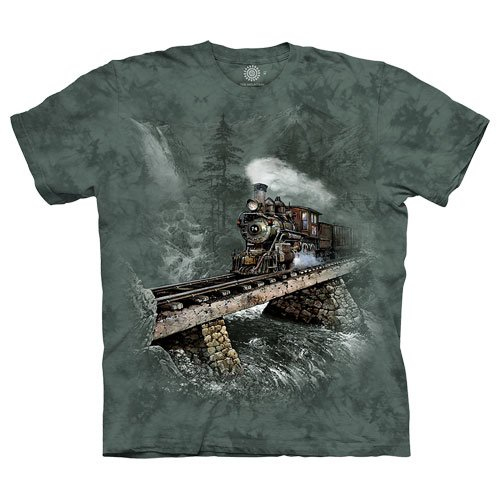
Best Animal Shirts for Nature Lovers
Best Animal Shirts for Nature Lovers Forget plain tees that don’t say much about who you are. If you love the wild, your wardrobe should shout it loud and clear with the best animal shirts out there. These nature lover apparel pieces mix eye-catching wildlife graphic tees with comfort and style, perfect for anyone who […]
Follow us on Social Media
Instagram – YouTube – Pinterest – Twitter – Facebook
Alligators – Aquatic – Bears – Big Cats – Birds – Buffalo – Cats – Deer – Dinosaurs – Dogs – Dragons – Eagles – Elephants – Elk – Frogs – Gecko – Giraffes – Horses – Kittens – Moose – Pandas – Snakes – Tigers – Unicorns – Wolves – Cat Shirts – Celtic – Dog Shirts – Dolphins – Dragons – Eagles – Fairies – Horse Shirts – Misc – Native American Indians – Patriotic – Peace – Primates – Religion – Scary – Sci Fi – Skeletons – Tie Dye – Tigers – Wolf Shirts
Interesting Animal Facts and Information
Bald Eagles – Cheetahs – Dolphins – Dinosaurs – Tigers – Lions – Cats – Dogs


Leave A Comment
You must be logged in to post a comment.