

Unveiling the Mystery: What Do Cats Eat and Why It Matters
Understanding the dietary habits of our feline friends is crucial for their health and well-being. What do cats eat? This question goes beyond mere curiosity and delves into the very heart of responsible pet ownership. Cats are obligate carnivores, which means their diet primarily consists of meat. However, the specifics of what cats eat and why it matters can help cat lovers make informed decisions to ensure their pets lead a healthy and happy life. In this article, we will explore the essential components of a cat diet, common misconceptions, and the best practices for feeding your furry companion.
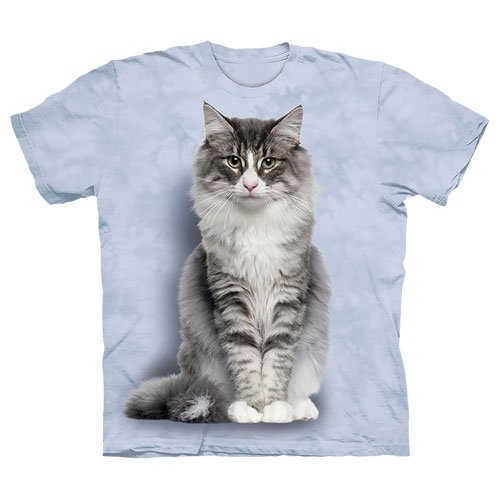
Understanding Feline Nutrition
What Do Cats Eat?
Cats are obligate carnivores, meaning their diet must be rich in animal protein to meet their nutritional needs. What do cats eat? Primarily, they thrive on a diet that includes meat, poultry, and fish. These protein sources provide essential amino acids like taurine, which is crucial for heart and eye health. In addition to protein, cats also require fats, which they obtain from animal tissues. These fats supply energy and support vital functions. While some commercial cat foods include grains and vegetables, these should not be the primary food sources. Cats lack the necessary enzymes to efficiently digest plant matter. Hence, the ideal cat diet is high in protein and low in carbohydrates. Understanding these dietary needs ensures your feline friend remains healthy and active. Always consult with a veterinarian to tailor the best diet for your pet’s specific needs.
Essential Nutrients for Cats
Cats require specific nutrients to maintain optimal health. Key among these is taurine, an amino acid found exclusively in animal tissues. Taurine is vital for heart and eye function. Another essential nutrient is arachidonic acid, a type of fatty acid that cats can’t synthesize on their own. This nutrient supports skin health and reproductive functions. Additionally, cats need a steady supply of vitamins and minerals like vitamin A, vitamin D, calcium, and phosphorus, all of which are primarily found in meat. Protein is another cornerstone of a cat diet, providing the building blocks for muscle and tissue repair. Without these essential nutrients, cats can develop severe health issues, including heart disease, vision problems, and a weakened immune system. Therefore, a well-balanced, meat-based diet is crucial for meeting their nutritional needs. Always read cat food labels to ensure they contain these vital nutrients.
Common Cat Dietary Myths
There are several misconceptions about what cats eat that can lead to poor dietary choices. One common myth is that cats can thrive on a vegetarian or vegan diet. As obligate carnivores, cats require nutrients found only in animal products, and a plant-based diet can lead to severe deficiencies. Another myth is that milk is good for cats. While the image of a cat lapping up milk is iconic, many cats are lactose intolerant and can suffer from digestive issues if given dairy products. Additionally, some believe that commercial dry food is sufficient for a cat diet. While convenient, dry food alone may not provide adequate hydration, leading to urinary tract issues. Finally, it’s wrongly assumed that cats can self-regulate their diet. Overfeeding, particularly high-calorie treats, can result in obesity and related health problems. Understanding these myths helps cat owners make better dietary decisions.
Choosing the Right Cat Food
Wet vs. Dry Cat Food
When it comes to choosing between wet and dry cat food, each has its own advantages and disadvantages. Wet cat food is often higher in moisture content, which can help keep your cat hydrated and support urinary tract health. It’s also generally more palatable, making it a good option for picky eaters. On the other hand, dry cat food is convenient and has a longer shelf life. It can also help with dental health by reducing plaque buildup. However, dry food tends to be less hydrating and may contain more carbohydrates, which are not ideal in a cat diet. Some cat owners opt for a mixed feeding approach, offering both wet and dry food to provide balanced nutrition and variety. The best choice ultimately depends on your cat’s specific needs and preferences. Always consult your veterinarian to determine the most suitable diet for your feline friend.

Reading Cat Food Labels
Understanding cat food labels is essential for ensuring your feline friend gets the nutrition they need. Start by checking the ingredient list. The first ingredient should be a high-quality protein source, such as chicken or fish. Avoid foods where the primary ingredient is a carbohydrate or filler like corn or soy. Look for labels that specify essential nutrients like taurine, which is vital for cats. The guaranteed analysis section provides information on the minimum levels of crude protein and fat, and the maximum levels of fiber and moisture. This can help you compare nutritional content across different brands. Be wary of vague terms like “meat by-products,” and opt for foods with clearly defined ingredients. Additionally, check for AAFCO (Association of American Feed Control Officials) approval, which indicates the food meets established nutritional standards. By carefully reading labels, you can make more informed decisions about your cat’s diet.
Homemade Cat Diet Options
For cat owners interested in homemade cat diet options, it’s crucial to ensure that meals are nutritionally complete. Unlike commercial cat food, which is formulated to meet feline dietary requirements, homemade diets can sometimes lack essential nutrients. When preparing homemade meals, the primary ingredient should be high-quality animal protein such as chicken, beef, or fish. Supplement these proteins with organs like liver and heart, which provide necessary vitamins and minerals. It’s also important to include a source of calcium, such as ground eggshells or a commercial supplement, to ensure proper bone health. Avoid ingredients like onions, garlic, and chocolate, as these are toxic to cats. Consulting with a veterinarian or a pet nutritionist can help you formulate a balanced diet tailored to your cat’s specific needs. While homemade diets can be time-consuming to prepare, they offer the advantage of knowing exactly what your cat is consuming.

Enjoy some interesting animal facts below!
Best Animal T-Shirts for Men Who Love Wildlife
Best Animal T-Shirts for Men Who Love Wildlife Most animal t-shirts blend into the background, leaving your love for wildlife unnoticed. You want shirts that speak louder than words, showcasing majestic lions, soaring eagles, and vibrant marine life with style. This guide highlights the best animal t-shirts for men, combining bold graphics with comfort and […]
Best Tiger Shirts for Tiger Lovers
Best Tiger Shirts for Tiger Lovers Tiger shirts often miss the mark, leaving fans with dull prints that don’t capture the wild spirit of these majestic cats. If you’ve been hunting for the best tiger apparel that blends bold artistry with comfort, your search ends here. This post highlights tiger print t-shirts and stylish tiger […]
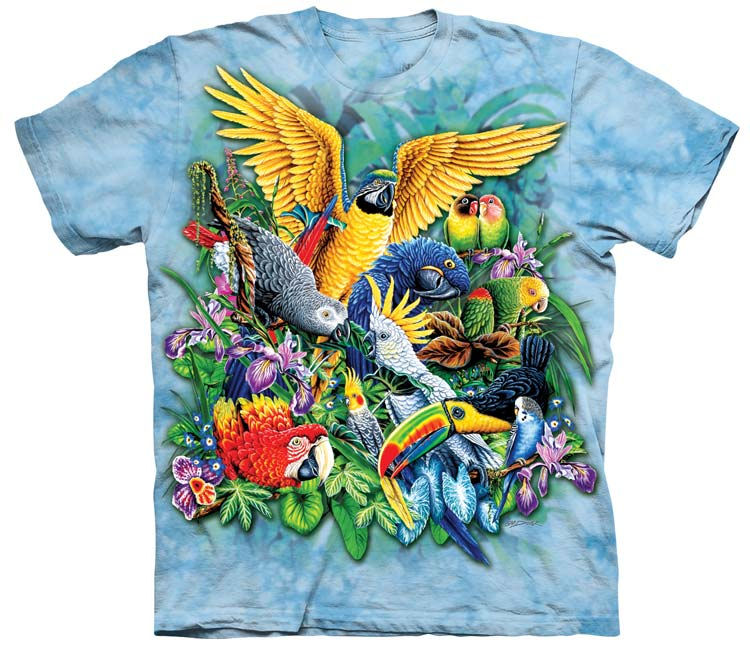
Best Bird Shirts for Bird Lovers
Best Bird Shirts for Bird Lovers Bird shirts aren’t just for casual wear anymore—they’ve become a statement for anyone who loves the colors and charm of feathered friends. If you want bird lover apparel that stands out, you’ll want to see the styles blending art and nature in fresh ways. This post highlights bird-themed t-shirts […]

Best Eagle Shirts for Eagle Lovers
Best Eagle Shirts for Eagle Lovers Eagle shirts don’t have to be ordinary. If you want to wear your passion for these powerful birds with style, the options out there can surprise you. From bold graphic eagle tees to subtle nature inspired clothing, the right eagle apparel makes a statement without sacrificing comfort. Keep reading […]

Best Bear Shirts for Wildlife Lovers
Best Bear Shirts for Wildlife Lovers Most bear shirts out there miss the mark between style and comfort. You want wildlife clothing that feels as good as it looks and truly captures the spirit of these powerful creatures. In this post, you’ll find bear graphic tees that balance charming artwork with bold designs, perfect for […]

Best Animal Shirts for Nature Lovers
Best Animal Shirts for Nature Lovers Forget plain tees that don’t say much about who you are. If you love the wild, your wardrobe should shout it loud and clear with the best animal shirts out there. These nature lover apparel pieces mix eye-catching wildlife graphic tees with comfort and style, perfect for anyone who […]
Follow us on Social Media
Instagram – YouTube – Pinterest – Twitter – Facebook
Alligators – Aquatic – Bears – Big Cats – Birds – Buffalo – Cats – Deer – Dinosaurs – Dogs – Dragons – Eagles – Elephants – Elk – Frogs – Gecko – Giraffes – Horses – Kittens – Moose – Pandas – Snakes – Tigers – Unicorns – Wolves – Cat Shirts – Celtic – Dog Shirts – Dolphins – Dragons – Eagles – Fairies – Horse Shirts – Misc – Native American Indians – Patriotic – Peace – Primates – Religion – Scary – Sci Fi – Skeletons – Tie Dye – Tigers – Wolf Shirts
Interesting Animal Facts and Information
Bald Eagles – Cheetahs – Dolphins – Dinosaurs – Tigers – Lions – Cats – Dogs


Leave A Comment
You must be logged in to post a comment.