
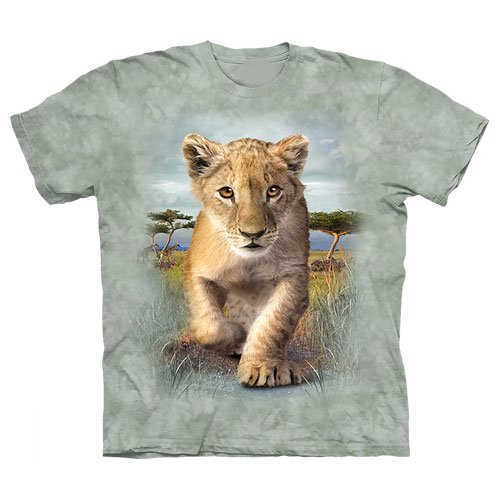
Battle of the Manes: What Are the Differences Between Male and Female Lions?
Lions, often referred to as the kings and queens of the jungle, captivate us with their majestic presence and powerful demeanor. But what are the differences between male and female lions? While both sexes share the iconic golden fur and fearsome roar, there are some fascinating distinctions that set them apart. From the impressive mane of the male lion to the hunting prowess of the female lion, each plays a unique role in the pride. In this article, we’ll dive into the world of lions, exploring their physical traits, behaviors, and social structures, all while adding a dash of humor to keep things light and engaging. So, grab your favorite lion t-shirt and join us on this wild adventure!
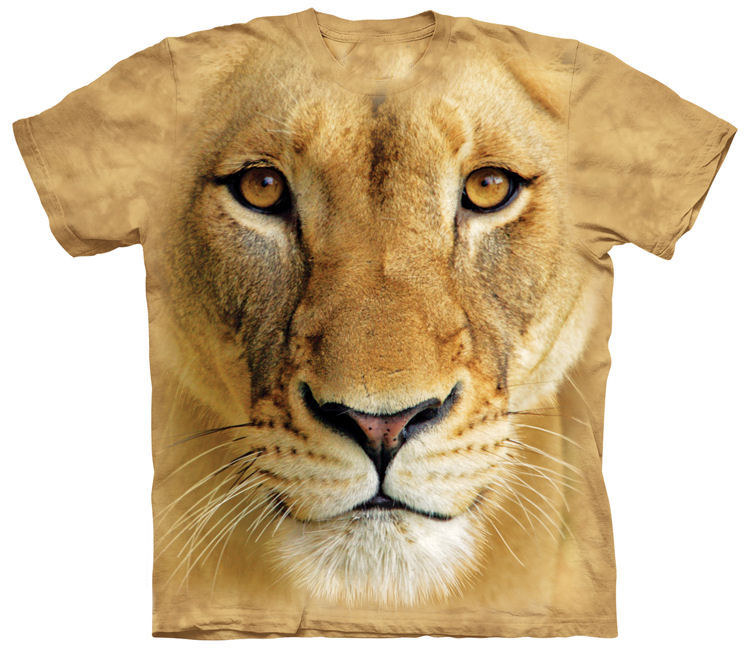
Physical Differences
Mane and Size
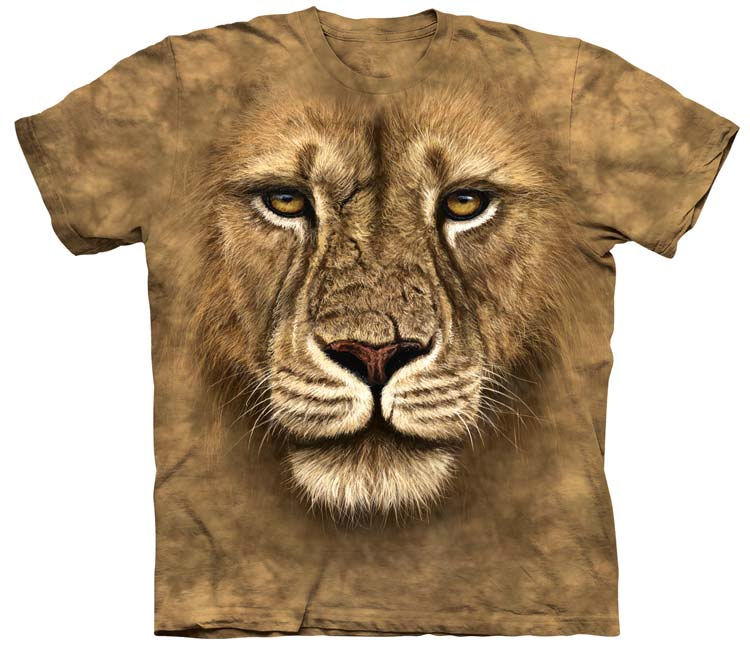
One of the most striking differences between a male lion and a female lion is the presence of the mane. The male lion sports a thick, luxurious mane that can range in color from blonde to black. This mane not only makes him look regal but also serves to protect his neck during fights with rivals. On the other hand, the female lion lacks a mane and has a sleeker appearance. When it comes to size, male lions are generally larger and more muscular, weighing between 330 to 550 pounds. Female lions, being the primary hunters, are more agile and weigh between 270 to 400 pounds. These physical differences play a crucial role in their respective duties within the pride. So, next time you see a lion, you’ll know who’s who—mane or no mane!
Body Structure
Beyond the mane and size, the body structure of male and female lions also presents distinct differences. Male lions have a more robust and stocky build, designed for short bursts of intense activity, such as fighting for territory or dominance. Their broader chests and stronger forelimbs provide the power needed for these confrontations. Female lions, however, are built for endurance and agility. Their leaner, more streamlined bodies are perfect for chasing down prey over long distances. This difference in body structure is essential for the survival of the pride, as it allows each sex to excel in their specific roles. While the male lion stands as the defender, ready to fend off threats, the female lion is the agile hunter, ensuring that the pride is well-fed. Together, their complementary physiques create a balanced and efficient social unit.
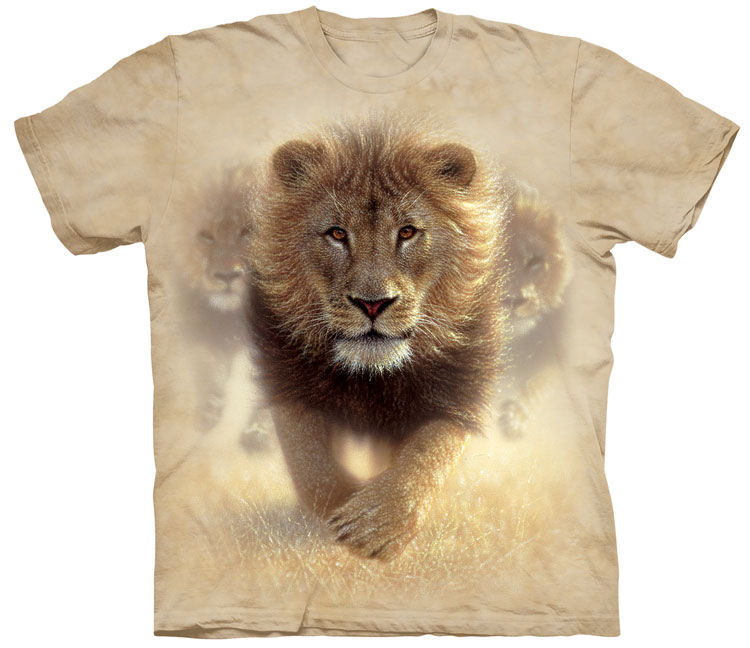
Color and Markings
While both male and female lions share the iconic golden fur, subtle differences in color and markings do exist. Generally, male lions can have darker fur, especially around their manes, which can range from light brown to almost black. This darker mane is not just for show; it indicates a lion’s health, vigor, and genetic superiority. Female lions, on the other hand, tend to have a more uniform tawny color that blends seamlessly with their surroundings, aiding in their stealth during hunts. Both sexes have unique whisker spots that can be used to identify individual lions, much like human fingerprints. Additionally, cubs of both sexes are born with rosettes and spots on their fur, which usually fade as they mature. These markings help provide camouflage in the bushy environment during their vulnerable early months. Understanding these color and marking differences adds another layer of appreciation for these majestic creatures.
Behavioral Differences
Hunting Techniques
When it comes to hunting techniques, male and female lions display distinct strategies that align with their physical attributes and roles in the pride. Female lions are the primary hunters, leveraging their agility and teamwork to take down prey. They often hunt in coordinated groups, using intricate ambush tactics to corner and capture their targets. Their success relies on stealth, speed, and cooperation. Male lions, however, typically do not participate in group hunts. Instead, they may hunt alone or rely on scavenging, using their impressive size and strength to intimidate other predators and steal kills. This division of labor allows male lions to focus on protecting the pride’s territory and ensuring the safety of cubs. By understanding these differing hunting techniques, we gain insight into how each lion contributes to the survival and success of the pride as a whole.

Social Hierarchy
The social hierarchy within a lion pride is a fascinating aspect of their behavior, with clear roles defined for both male and female lions. Male lions typically assume the role of leaders and protectors. A pride usually consists of one or a coalition of males that dominate the group. These males are responsible for defending the pride’s territory from other lions and potential threats. Female lions, on the other hand, are the primary caregivers and hunters. They form the core of the pride, maintaining strong social bonds through grooming and cooperative care of their cubs. Within the female group, a subtle hierarchy exists, often based on age and experience. Cubs born to higher-ranking females tend to gain priority in feeding and care. This structured social system ensures that each lion’s strengths are utilized effectively, contributing to the overall stability and success of the pride. Understanding these roles offers a glimpse into the complex social lives of lions.
Parenting Roles
Parenting roles in a lion pride are distinctly divided between male and female lions, reflecting their unique contributions to the group’s well-being. Female lions take on the primary responsibility of rearing the cubs. They nurse, groom, and protect the young, often sharing these duties among the pride’s females. This communal approach ensures that cubs receive constant care and supervision, increasing their chances of survival. Female lions also teach their cubs essential hunting skills, guiding them in their first attempts to stalk and capture prey.
Male lions, while less involved in day-to-day parenting, play a crucial role in safeguarding the pride. They protect the cubs from external threats and rival males, whose attempts to take over the pride can be deadly for the young lions. By defending the pride’s territory, male lions create a safer environment for the cubs to grow and learn. Together, these complementary parenting roles ensure the pride remains strong and cohesive.

Fun Facts About Lions
Communication Styles
Lions boast an impressive repertoire of communication styles, using vocalizations, body language, and even scent marking to convey their messages. The iconic roar of a male lion can be heard up to five miles away and serves multiple purposes: establishing dominance, marking territory, and rallying the pride. Female lions also roar, though their roars are typically less thunderous. Beyond roaring, lions communicate through a variety of vocal sounds, including grunts, growls, and purrs. Each sound has a specific meaning, from signaling contentment to warning of danger.
Body language plays a significant role as well. A lion’s tail flick can indicate irritation, while a head rub or grooming session strengthens social bonds within the pride. Scent marking through urine and gland secretions helps establish territory and identify individual lions. By understanding these nuanced communication styles, we gain deeper insight into the complex social dynamics of lion prides.

Lifespan and Longevity
The lifespan of lions can vary significantly between the wild and captivity. In the wild, male lions typically live for about 8 to 12 years, while female lions can live slightly longer, up to 15 years. The shorter lifespan of male lions is often due to the physical demands and dangers of maintaining territory and dominance, which can lead to frequent battles and injuries. Female lions, being the primary caregivers and hunters, have a more stable role within the pride, which can contribute to their relatively longer lifespans.
In captivity, where threats are minimized, and food is readily available, both male and female lions can live much longer, often reaching 20 years or more. This extended lifespan in captivity allows researchers and conservationists to study their behavior and biology in greater detail. Understanding the factors that influence lion longevity helps in developing strategies to protect these magnificent creatures in the wild.
Popular Culture and Lion T-Shirts
Lions have roared their way into popular culture, symbolizing strength, courage, and royalty. From literature and films to sports teams and fashion, these majestic animals captivate our imagination. The lion’s iconic status is perhaps best showcased in movies like “The Lion King,” where characters like Simba and Mufasa have become household names. Moreover, lions often appear as mascots for sports teams, embodying the fierce and competitive spirit desired in athletics.
Lion t-shirts have become a fashionable way to showcase one’s admiration for these regal animals. Whether featuring realistic portraits or stylized designs, these t-shirts are popular among lion lovers and fashionistas alike. Wearing a lion t-shirt can be a statement of strength, a nod to popular culture, or simply an expression of love for wildlife. This blend of cultural significance and personal expression makes lions a lasting symbol in our everyday lives.
Enjoy some interesting animal facts below!
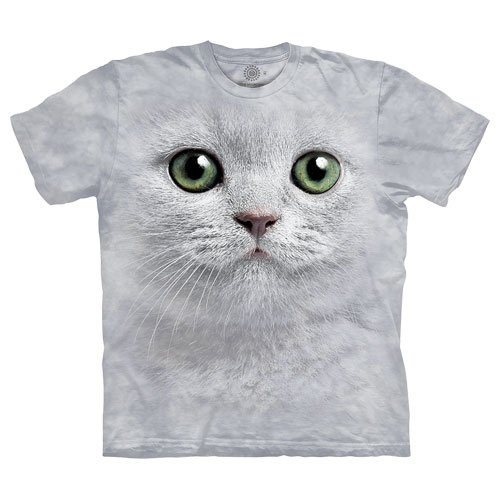
Best Animal T-Shirts for Men Who Love Wildlife
Best Animal T-Shirts for Men Who Love Wildlife Most animal t-shirts blend into the background, leaving your love for wildlife unnoticed. You want shirts that speak louder than words, showcasing majestic lions, soaring eagles, and vibrant marine life with style. This guide highlights the best animal t-shirts for men, combining bold graphics with comfort and […]
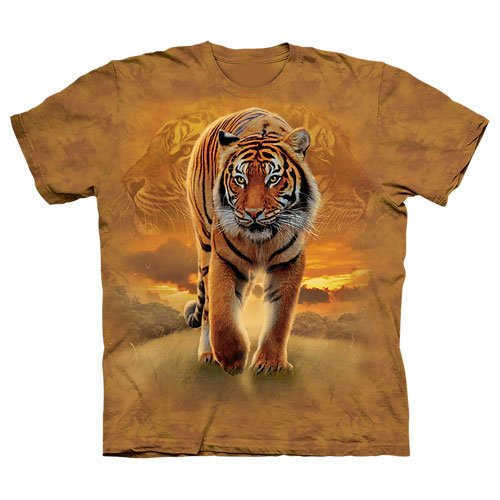
Best Tiger Shirts for Tiger Lovers
Best Tiger Shirts for Tiger Lovers Tiger shirts often miss the mark, leaving fans with dull prints that don’t capture the wild spirit of these majestic cats. If you’ve been hunting for the best tiger apparel that blends bold artistry with comfort, your search ends here. This post highlights tiger print t-shirts and stylish tiger […]
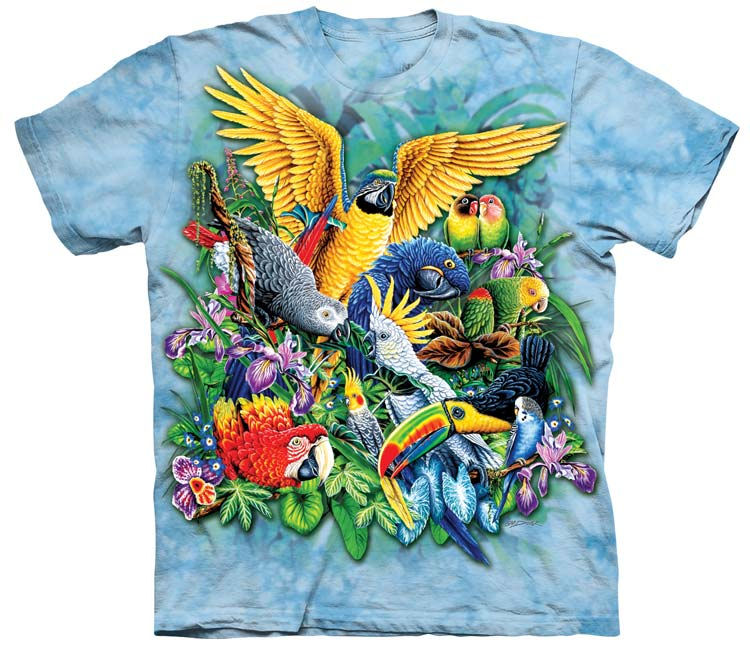
Best Bird Shirts for Bird Lovers
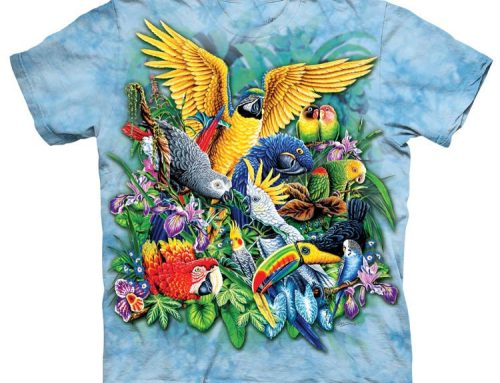
Best Bird Shirts for Bird Lovers Bird shirts aren’t just for casual wear anymore—they’ve become a statement for anyone who loves the colors and charm of feathered friends. If you want bird lover apparel that stands out, you’ll want to see the styles blending art and nature in fresh ways. This post highlights bird-themed t-shirts […]

Best Eagle Shirts for Eagle Lovers
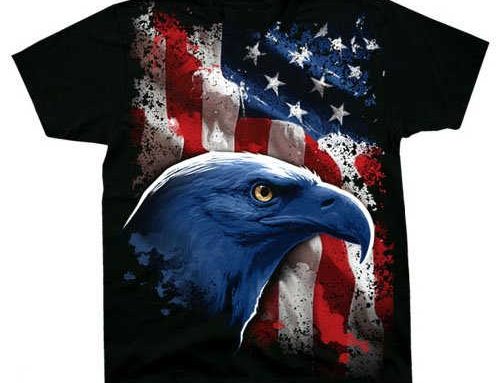
Best Eagle Shirts for Eagle Lovers Eagle shirts don’t have to be ordinary. If you want to wear your passion for these powerful birds with style, the options out there can surprise you. From bold graphic eagle tees to subtle nature inspired clothing, the right eagle apparel makes a statement without sacrificing comfort. Keep reading […]

Best Bear Shirts for Wildlife Lovers
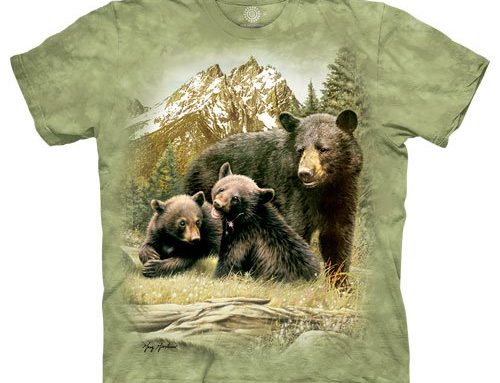
Best Bear Shirts for Wildlife Lovers Most bear shirts out there miss the mark between style and comfort. You want wildlife clothing that feels as good as it looks and truly captures the spirit of these powerful creatures. In this post, you’ll find bear graphic tees that balance charming artwork with bold designs, perfect for […]

Best Animal Shirts for Nature Lovers
Best Animal Shirts for Nature Lovers Forget plain tees that don’t say much about who you are. If you love the wild, your wardrobe should shout it loud and clear with the best animal shirts out there. These nature lover apparel pieces mix eye-catching wildlife graphic tees with comfort and style, perfect for anyone who […]
Follow us on Social Media
Instagram – YouTube – Pinterest – Twitter – Facebook
Alligators – Aquatic – Bears – Big Cats – Birds – Buffalo – Cats – Deer – Dinosaurs – Dogs – Dragons – Eagles – Elephants – Elk – Frogs – Gecko – Giraffes – Horses – Kittens – Moose – Pandas – Snakes – Tigers – Unicorns – Wolves – Cat Shirts – Celtic – Dog Shirts – Dolphins – Dragons – Eagles – Fairies – Horse Shirts – Misc – Native American Indians – Patriotic – Peace – Primates – Religion – Scary – Sci Fi – Skeletons – Tie Dye – Tigers – Wolf Shirts
Interesting Animal Facts and Information
Bald Eagles – Cheetahs – Dolphins – Dinosaurs – Tigers – Lions – Cats – Dogs

Leave A Comment
You must be logged in to post a comment.