
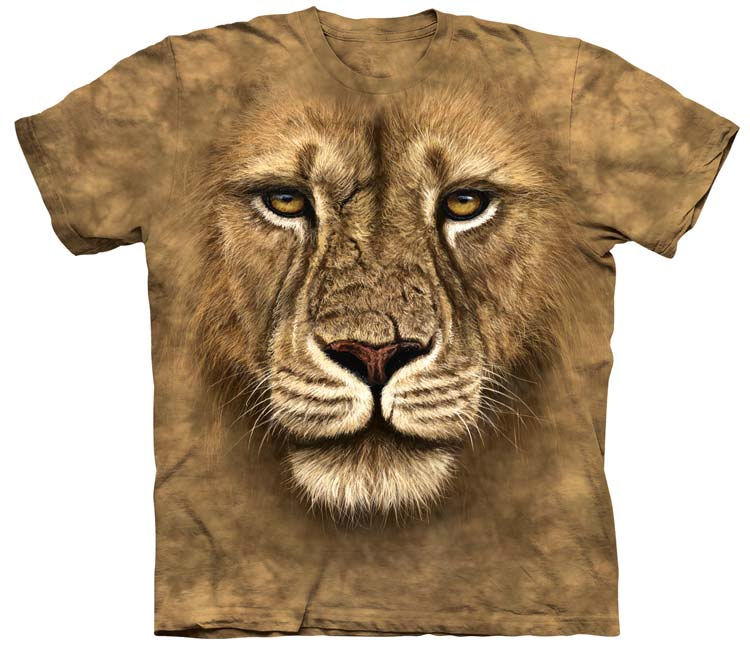
What Is a Lion’s Social Structure? Understanding the King of the Jungle’s Family Dynamics
Lions are often crowned as the kings of the jungle, but have you ever wondered, “What is a lion’s social structure?” Unlike many solitary big cats, lions are incredibly social animals with complex family dynamics that are both fascinating and intricate. At the heart of lion social structure is the pride—a tight-knit group usually consisting of related females, their offspring, and a few male lions. In this piece, we will delve into how these majestic creatures interact within their prides, shedding light on their roles, responsibilities, and the hierarchy that keeps them united. Whether you’re a lion enthusiast or simply curious about these magnificent animals, understanding their social structure will deepen your appreciation for the true kings of the jungle.
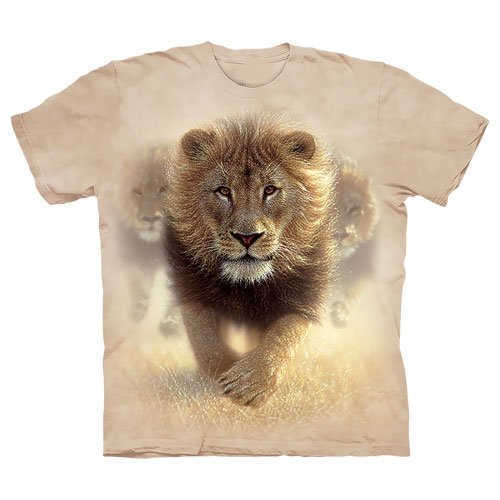
Introduction to Lion Social Structure
What Is a Lion’s Social Structure?
Lions are unique among big cats due to their highly social nature. Central to lion social structure is the pride, which serves as the primary social unit. Typically, a pride consists of around 15 lions, although this number can vary. Within the pride, related females form the core group. These females usually stay together for life, raising their offspring collectively. Male lions, on the other hand, often join or leave prides based on competition and territorial disputes. The males that dominate a pride are responsible for protecting the group and securing territory. Meanwhile, female lions handle hunting and caregiving duties. This social structure enables lions to effectively share responsibilities, ensuring the pride’s survival. Understanding these dynamics provides valuable insight into lion behavior and helps us appreciate their complex social lives.
Importance of Social Bonds
Social bonds are crucial for the survival and success of a lion pride. These bonds are primarily formed among the female members, who are often related by blood. Through grooming, playing, and cooperative hunting, female lions strengthen their relationships, which in turn enhances the pride’s cohesion. Strong social bonds facilitate communication and coordination during hunts, making them more efficient predators. Additionally, social bonds provide emotional support, which is essential during periods of stress or when defending territory. Male lions also benefit from these bonds, as a united pride can better protect their cubs and territory from rival males. These social ties are not just about survival; they also contribute to the overall well-being and stability of the pride. Understanding the importance of social bonds in lion social structure helps us appreciate the intricate and interdependent lives of these majestic creatures.
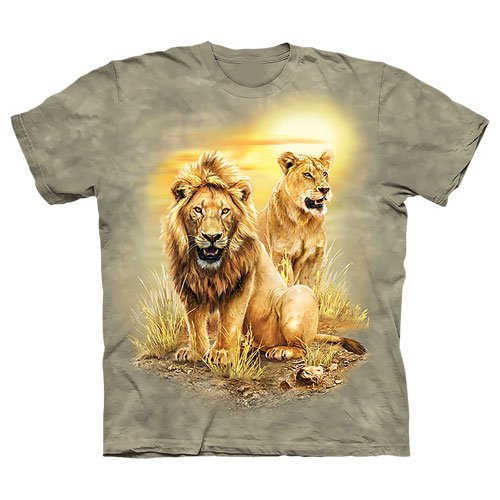
The Pride: Lion Family Dynamics
Roles Within the Pride
In a lion pride, each member has distinct roles that contribute to the group’s overall functionality and survival. Female lions are the primary hunters. They work together in coordinated groups to take down prey, which they then share with the pride. Besides hunting, females are also responsible for raising the cubs. They nurse, groom, and protect the young, often forming a communal nursery where multiple mothers care for each other’s offspring.
Male lions, while not typically involved in hunting, play a crucial role in protecting the pride. They defend the pride’s territory from intruding males and other threats. Male dominance is established through strength and aggression, ensuring that only the fittest males reproduce. Younger lions in the pride, both male and female, learn essential survival skills by observing and mimicking the adults.
Understanding these roles highlights the cooperative nature of lion social structure, where each member’s contribution is vital to the pride’s success.
The Importance of Female Lions
Female lions are the backbone of the pride, playing several critical roles that ensure the group’s survival and cohesion. They are primarily responsible for hunting, using teamwork and strategy to take down prey that can sustain the entire pride. This collaborative hunting approach not only provides food but also strengthens social bonds among females.
Beyond hunting, female lions are also the primary caregivers. They invest significant time and energy into raising their cubs, teaching them vital skills and protecting them from threats. The communal raising of cubs allows for shared responsibilities, ensuring that even if one mother is absent or injured, the cubs still receive care.
Female lions’ loyalty to their pride is another key factor in the stability of their social structure. Unlike males, who may come and go, females often remain with their birth pride for life. This long-term stability fosters strong, enduring social bonds that are crucial for the pride’s collective success.
Cubs and Their Growth
Cubs are the future of any lion pride, and their growth and development are closely monitored by the adult members. From birth, cubs are nurtured by their mothers and other females in the pride. For the first few months, they are kept hidden from the outside world to protect them from predators and rival males. During this period, they rely entirely on their mother’s milk for nutrition.
As they grow older, cubs begin to explore their environment and start eating meat from the kills brought back by the hunting females. This transition is crucial as it marks the beginning of their integration into the pride’s social structure. Young lions learn essential survival skills through play and by observing the adults. By the time they reach one to two years of age, they are more independent but still rely on the pride for protection and food.
Understanding the growth process of cubs highlights the importance of the pride’s collective efforts in ensuring the next generation’s survival and continuity.
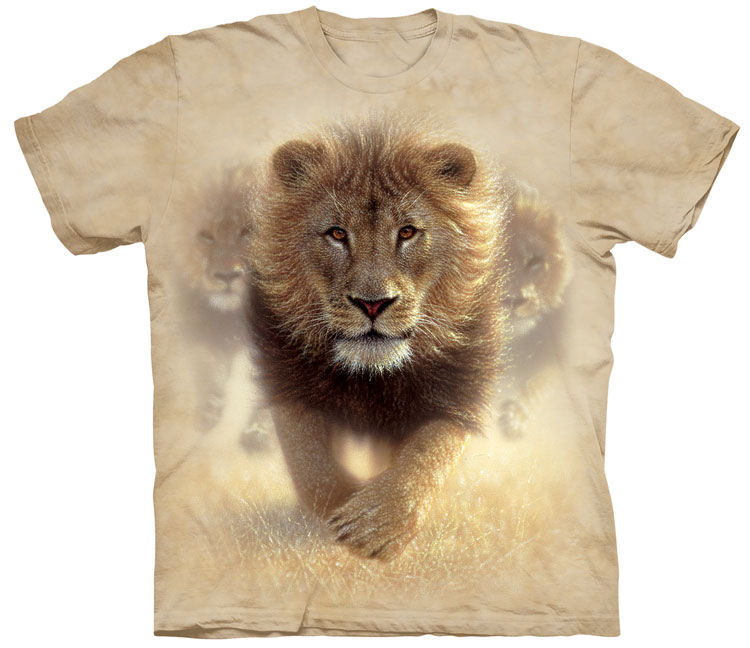
Communication and Interaction
Vocalizations and Body Language
Lions rely heavily on vocalizations and body language to communicate with each other, ensuring smooth interactions within the pride. Roaring is perhaps the most well-known lion vocalization. It serves multiple purposes, such as marking territory, signaling position to distant pride members, and deterring intruders. A lion’s roar can be heard up to five miles away, making it an effective communication tool.
Besides roaring, lions use a range of other sounds, including growls, grunts, and purrs, each conveying different messages. For instance, growls can indicate aggression or a warning, while purring often signifies contentment, especially between a mother and her cubs.
Body language also plays a crucial role. Tail movements, facial expressions, and postures can convey a lion’s mood and intentions. For example, a lion with a relaxed posture and slow movements is likely calm, whereas an arched back and raised hackles signal aggression.
Understanding these communication methods provides insight into the complex social interactions that define lion social structure.
Social Grooming and Bonding
Social grooming, also known as allogrooming, is a vital aspect of lion social structure. This behavior involves lions licking and cleaning each other’s fur, which serves multiple purposes beyond hygiene. By grooming each other, lions strengthen social bonds and reinforce group cohesion. This activity is particularly common among female lions and their cubs but can also be observed between males and other pride members.
Grooming helps to reduce tension and fosters a sense of trust and cooperation within the pride. It’s a calming activity that provides comfort, especially during stressful times. Through grooming, lions can also reinforce their social hierarchy, with dominant individuals often receiving more grooming from subordinates.
The physical closeness required for grooming strengthens emotional ties and ensures that the pride remains united. Understanding the importance of social grooming offers a deeper appreciation of how lions maintain their intricate social networks and the roles these bonds play in their survival.

Enjoy some interesting animal facts below!
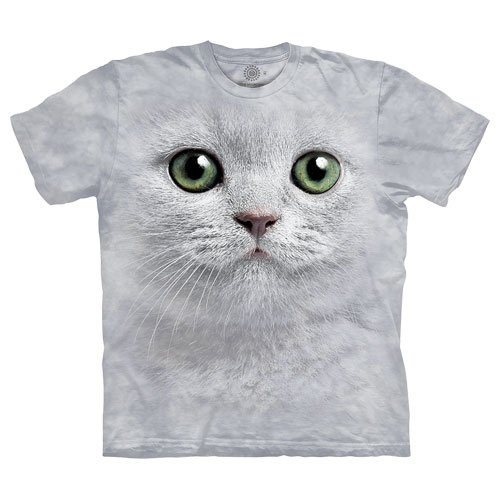
Best Animal T-Shirts for Men Who Love Wildlife
Best Animal T-Shirts for Men Who Love Wildlife Most animal t-shirts blend into the background, leaving your love for wildlife unnoticed. You want shirts that speak louder than words, showcasing majestic lions, soaring eagles, and vibrant marine life with style. This guide highlights the best animal t-shirts for men, combining bold graphics with comfort and […]
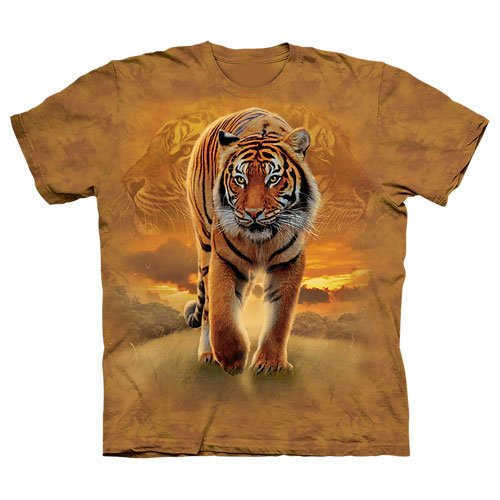
Best Tiger Shirts for Tiger Lovers
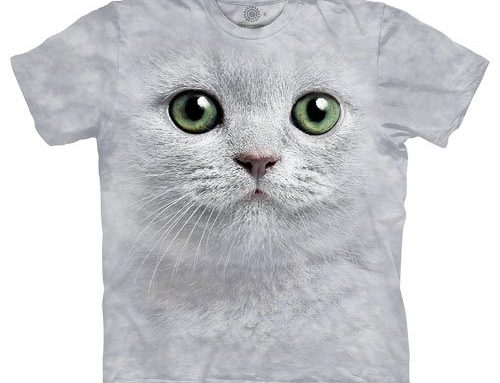
Best Tiger Shirts for Tiger Lovers Tiger shirts often miss the mark, leaving fans with dull prints that don’t capture the wild spirit of these majestic cats. If you’ve been hunting for the best tiger apparel that blends bold artistry with comfort, your search ends here. This post highlights tiger print t-shirts and stylish tiger […]
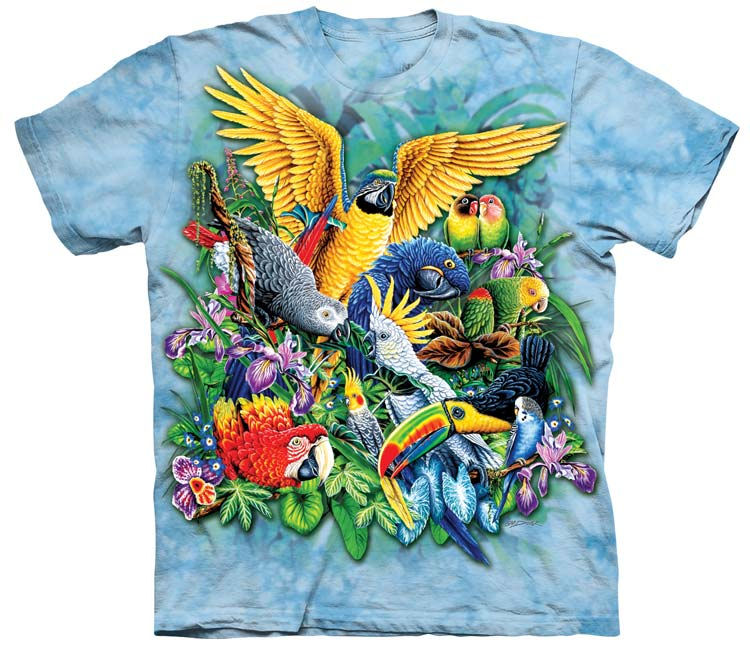
Best Bird Shirts for Bird Lovers
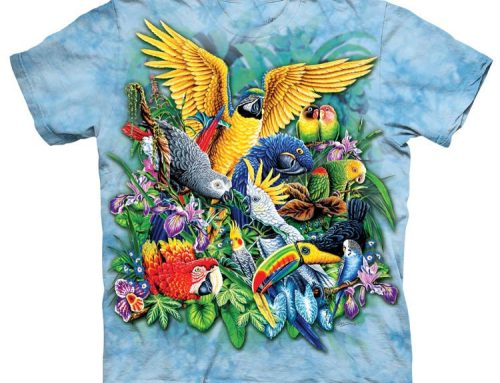
Best Bird Shirts for Bird Lovers Bird shirts aren’t just for casual wear anymore—they’ve become a statement for anyone who loves the colors and charm of feathered friends. If you want bird lover apparel that stands out, you’ll want to see the styles blending art and nature in fresh ways. This post highlights bird-themed t-shirts […]

Best Eagle Shirts for Eagle Lovers
Best Eagle Shirts for Eagle Lovers Eagle shirts don’t have to be ordinary. If you want to wear your passion for these powerful birds with style, the options out there can surprise you. From bold graphic eagle tees to subtle nature inspired clothing, the right eagle apparel makes a statement without sacrificing comfort. Keep reading […]

Best Bear Shirts for Wildlife Lovers
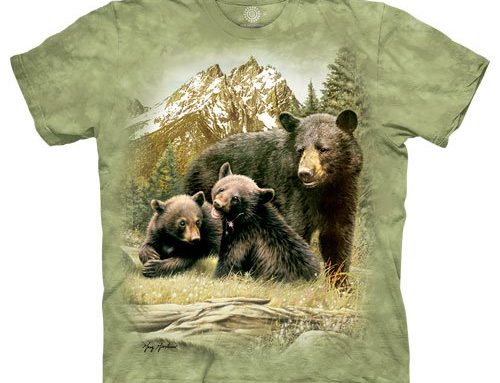
Best Bear Shirts for Wildlife Lovers Most bear shirts out there miss the mark between style and comfort. You want wildlife clothing that feels as good as it looks and truly captures the spirit of these powerful creatures. In this post, you’ll find bear graphic tees that balance charming artwork with bold designs, perfect for […]

Best Animal Shirts for Nature Lovers
Best Animal Shirts for Nature Lovers Forget plain tees that don’t say much about who you are. If you love the wild, your wardrobe should shout it loud and clear with the best animal shirts out there. These nature lover apparel pieces mix eye-catching wildlife graphic tees with comfort and style, perfect for anyone who […]
Follow us on Social Media
Instagram – YouTube – Pinterest – Twitter – Facebook
Alligators – Aquatic – Bears – Big Cats – Birds – Buffalo – Cats – Deer – Dinosaurs – Dogs – Dragons – Eagles – Elephants – Elk – Frogs – Gecko – Giraffes – Horses – Kittens – Moose – Pandas – Snakes – Tigers – Unicorns – Wolves – Cat Shirts – Celtic – Dog Shirts – Dolphins – Dragons – Eagles – Fairies – Horse Shirts – Misc – Native American Indians – Patriotic – Peace – Primates – Religion – Scary – Sci Fi – Skeletons – Tie Dye – Tigers – Wolf Shirts
Interesting Animal Facts and Information
Bald Eagles – Cheetahs – Dolphins – Dinosaurs – Tigers – Lions – Cats – Dogs


Leave A Comment
You must be logged in to post a comment.