
Are Tigers Solitary Animals? Unveiling the Mysterious Lives of Big Cats
Are tigers solitary animals? The enigmatic and majestic presence of tigers has fascinated humans for centuries, prompting many questions about their behaviors and lifestyles. Unlike other big cats that might form prides or packs, tigers are often depicted as lone hunters, navigating vast territories on their own. In this piece, we will delve into the mysterious lives of these magnificent creatures, exploring their solitary nature, social interactions, and the intriguing reasons behind their preference for solitude. Whether you’re a devoted tiger lover or simply curious about these incredible animals, this exploration promises to be both compelling and enlightening.

The Solitary Nature of Tigers
Are Tigers Solitary Animals?
Tigers are indeed solitary animals, a characteristic that sets them apart from many other big cat species. Unlike lions, who form social groups called prides, tigers prefer to roam alone. This solitary behavior is primarily due to their need for large territories to support their hunting habits. A single tiger’s range can span over 100 square kilometers, depending on the availability of prey. This expansive space allows tigers to avoid competition for food and ensures they have enough resources to thrive. Additionally, tigers mark their territories with scent markings and visual signals to deter other tigers from encroaching. While they may occasionally interact during mating season or when a mother is raising her cubs, these interactions are brief. The solitary nature of tigers is a fascinating adaptation that underscores their role as solitary hunters in the wild.
Reasons Behind Solitude
The solitude of tigers can be attributed to several key factors. First and foremost, their specialized hunting strategy necessitates large territories with abundant prey. Tigers rely on stealth and strength to catch their food, which means they need extensive areas where prey is plentiful but human presence is minimal. Sharing territory with other tigers would lead to competition, reducing their chances of successful hunts. Additionally, the dense forests and varied landscapes they inhabit provide ample cover, allowing them to remain hidden and undisturbed. This isolation also helps in conserving energy, as tigers do not need to engage in social hierarchies or constant movement within a group. Furthermore, their solitary nature minimizes the spread of diseases and parasites that could be more prevalent in social species. Understanding these reasons highlights how tigers have evolved to become solitary animals, ensuring their survival in the wild.
Exceptions to Solitary Behavior
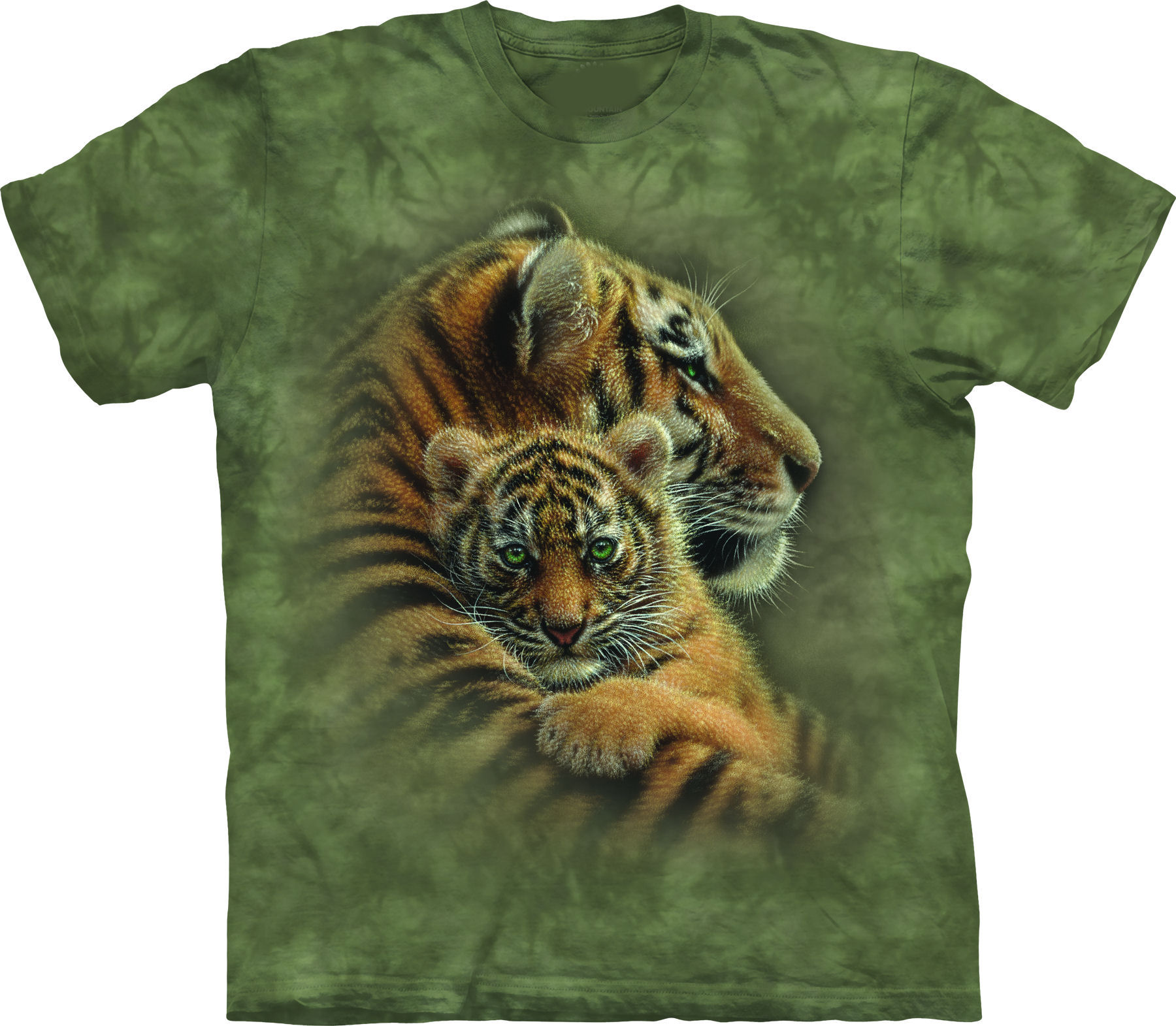
While tigers are predominantly solitary animals, there are notable exceptions to this behavior. One primary exception occurs during the mating season. Male and female tigers will come together briefly to mate, after which they will go their separate ways. Another significant exception involves a mother raising her cubs. During the first two years of their lives, tiger cubs depend on their mother for protection, nourishment, and learning essential survival skills. During this period, the family unit is closely knit, with the mother tirelessly caring for and teaching her young. Additionally, in areas with high prey density, tigers’ territories may overlap, leading to occasional interactions. These interactions are generally non-confrontational unless resources become scarce. Understanding these exceptions provides a more nuanced view of tiger behavior, illustrating that while they are solitary, certain life stages and environmental factors can bring them together temporarily.
Understanding Tiger Social Structures
Mother-Child Bonding
The bond between a mother tiger and her cubs is one of the most profound aspects of tiger social structures. After a gestation period of around 100 days, a tigress gives birth to a litter of up to four cubs. From the moment they are born, the cubs rely entirely on their mother for survival. She nurses them, keeps them warm, and protects them from potential threats. As the cubs grow, the mother begins to introduce them to solid food and teaches them crucial hunting skills. This training period is vital, as it equips the young tigers with the knowledge they need to survive independently. The mother also imparts lessons on territory marking and avoiding danger. This period of intense bonding and education lasts up to two years, after which the cubs gradually venture out to establish their territories. The mother-child relationship in tigers is not only essential for the cubs’ survival but also for the continuity of their species.

Territorial Markings
Territorial markings play a crucial role in the social structures of tigers, serving as a primary method for maintaining their solitary nature. Tigers use scent markings, scratch marks on trees, and vocalizations to delineate their territories. These markings communicate to other tigers that a particular area is occupied, reducing the likelihood of direct confrontations. Scent markings are typically made with urine or gland secretions and are strategically placed along boundaries and on prominent objects like trees and rocks. Scratch marks, on the other hand, serve both as visual cues and as a way to sharpen their claws. Vocalizations, such as roars, can be heard over long distances and serve as auditory signals of presence. By maintaining clearly defined territories, tigers can minimize conflicts and ensure that each individual has access to sufficient resources like prey and water. Territorial markings are thus essential for the coexistence of these solitary animals within overlapping landscapes.
Communication Among Tigers
Communication among tigers, though less frequent than in social species, is vital for maintaining their solitary lifestyles and managing interactions. Tigers use a combination of vocalizations, scent markings, and body language to convey information. Vocalizations include roars, growls, chuffing (a friendly greeting sound), and moans, each serving a specific purpose. Roars can be heard over several kilometers and are used to announce presence and territory. Scent markings, made with urine or gland secretions, help tigers communicate their territorial boundaries and readiness to mate. These scent marks contain information about the individual’s identity, reproductive status, and health. Body language, such as posturing, tail movements, and facial expressions, also plays a role in close encounters, helping tigers avoid unnecessary conflicts. Through these methods, tigers can effectively communicate with one another, ensuring their solitary nature while managing necessary interactions. This intricate communication system highlights the complexity of their social structures despite their largely solitary existence.

Enjoy some interesting animal facts below!

Best Animal T-Shirts for Men Who Love Wildlife
Best Animal T-Shirts for Men Who Love Wildlife Most animal t-shirts blend into the background, leaving your love for wildlife unnoticed. You want shirts that speak louder than words, showcasing majestic lions, soaring eagles, and vibrant marine life with style. This guide highlights the best animal t-shirts for men, combining bold graphics with comfort and […]

Best Tiger Shirts for Tiger Lovers
Best Tiger Shirts for Tiger Lovers Tiger shirts often miss the mark, leaving fans with dull prints that don’t capture the wild spirit of these majestic cats. If you’ve been hunting for the best tiger apparel that blends bold artistry with comfort, your search ends here. This post highlights tiger print t-shirts and stylish tiger […]

Best Bird Shirts for Bird Lovers
Best Bird Shirts for Bird Lovers Bird shirts aren’t just for casual wear anymore—they’ve become a statement for anyone who loves the colors and charm of feathered friends. If you want bird lover apparel that stands out, you’ll want to see the styles blending art and nature in fresh ways. This post highlights bird-themed t-shirts […]

Best Eagle Shirts for Eagle Lovers
Best Eagle Shirts for Eagle Lovers Eagle shirts don’t have to be ordinary. If you want to wear your passion for these powerful birds with style, the options out there can surprise you. From bold graphic eagle tees to subtle nature inspired clothing, the right eagle apparel makes a statement without sacrificing comfort. Keep reading […]

Best Bear Shirts for Wildlife Lovers
Best Bear Shirts for Wildlife Lovers Most bear shirts out there miss the mark between style and comfort. You want wildlife clothing that feels as good as it looks and truly captures the spirit of these powerful creatures. In this post, you’ll find bear graphic tees that balance charming artwork with bold designs, perfect for […]

Best Animal Shirts for Nature Lovers
Best Animal Shirts for Nature Lovers Forget plain tees that don’t say much about who you are. If you love the wild, your wardrobe should shout it loud and clear with the best animal shirts out there. These nature lover apparel pieces mix eye-catching wildlife graphic tees with comfort and style, perfect for anyone who […]
Follow us on Social Media
Instagram – YouTube – Pinterest – Twitter – Facebook
Alligators – Aquatic – Bears – Big Cats – Birds – Buffalo – Cats – Deer – Dinosaurs – Dogs – Dragons – Eagles – Elephants – Elk – Frogs – Gecko – Giraffes – Horses – Kittens – Moose – Pandas – Snakes – Tigers – Unicorns – Wolves – Cat Shirts – Celtic – Dog Shirts – Dolphins – Dragons – Eagles – Fairies – Horse Shirts – Misc – Native American Indians – Patriotic – Peace – Primates – Religion – Scary – Sci Fi – Skeletons – Tie Dye – Tigers – Wolf Shirts
Interesting Animal Facts and Information
Bald Eagles – Cheetahs – Dolphins – Dinosaurs – Tigers – Lions – Cats – Dogs




Leave A Comment
You must be logged in to post a comment.