

From Stripes to Size: What is the Largest Species of Tiger?
Tigers are the majestic, striped felines that have captured the imaginations of wildlife enthusiasts and casual admirers alike. But when it comes to size, not all tigers are created equal. Have you ever wondered, “What is the largest species of tiger?” Whether you’re sporting your favorite tiger shirt or just a fan of these big cats, this piece is a deep dive into which tiger holds the heavyweight title. We’ll explore the characteristics, habitats, and fascinating facts about the largest tiger species. Buckle up, tiger lovers, because this journey is as thrilling as spotting a tiger in the wild!
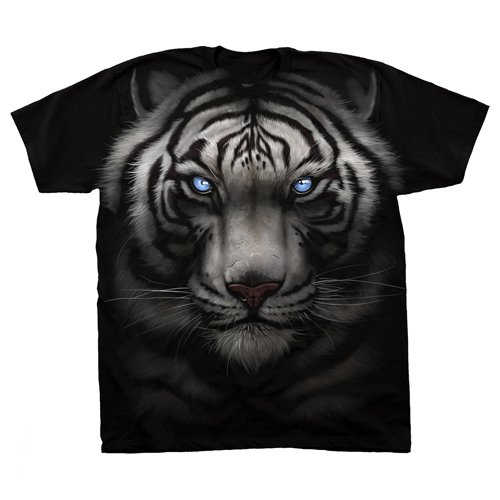
Introduction to Tiger Sizes
Striped Wonders of the Wild
Tigers, with their iconic orange coats and black stripes, are a marvel to behold. Yet, these majestic creatures vary widely in size depending on their species. Some tigers are lean and agile, ideal for dense forests, while others are robust giants built for colder climates. Understanding these differences is crucial for appreciating the diversity among tiger species. From the compact Sumatran tiger to the hulking Siberian tiger, each species has adapted uniquely to its environment. So, when you pull on that tiger t-shirt, remember that the stripes you’re showcasing represent a range of sizes and shapes in the wild. This diversity not only makes tigers fascinating but also underscores the importance of preserving their varied habitats.
Why Size Matters in Tigers
Size plays a pivotal role in the life of a tiger. Larger tigers have a distinct advantage in cold climates, where their bulk helps retain body heat. Conversely, smaller tigers are more agile and better suited for dense, tropical forests. The size can also affect a tiger’s hunting strategy. Larger tigers, like the Siberian tiger, can take down bigger prey, while smaller species might focus on swifter, smaller animals. Additionally, size influences social behavior and territory. A large tiger requires more food and space, leading to larger territories. This need for extensive territories often brings them into conflict with human development. Understanding why size matters sheds light on the ecological needs and conservation challenges faced by these incredible big cats. So next time you spot a tiger shirt, remember the significant role size plays in the survival of these striped wonders.

The Largest Species of Tiger
Meet the Siberian Tiger
When it comes to the heavyweight title of the largest tiger, the Siberian tiger, also known as the Amur tiger, takes the crown. These majestic creatures can weigh up to 700 pounds and stretch over 10 feet from nose to tail. Adapted to the harsh climates of the Russian Far East, Siberian tigers have thick fur and a layer of fat that insulates them against freezing temperatures. Their size isn’t just for show; it enables them to take down large prey like elk and wild boar. Despite their imposing stature, Siberian tigers face significant threats from habitat loss and poaching. Conservation efforts are crucial to ensuring these magnificent giants continue to roam their natural habitats. So the next time you don a tiger t-shirt, give a nod to the king of the tigers—the mighty Siberian tiger.
Size Comparison with Other Tigers
The Siberian tiger stands out as the largest tiger, but how does it compare with other tiger species? Bengal tigers, often spotlighted in documentaries, are the second-largest, weighing up to 570 pounds. They are primarily found in India and are known for their powerful build and striking coloration. Next, the Indochinese tiger, which roams the forests of Southeast Asia, is smaller, averaging around 400 pounds. Even more compact is the Malayan tiger, found in the Malay Peninsula, typically weighing around 220-300 pounds. The smallest of the group is the Sumatran tiger, native to the Indonesian island of Sumatra, weighing in at around 220-310 pounds. These size differences highlight the adaptability of tigers to various environments, from the cold Siberian tundra to the dense Sumatran jungles. So, the next time you slip into your tiger shirt, remember the fascinating size spectrum of these incredible big cats.
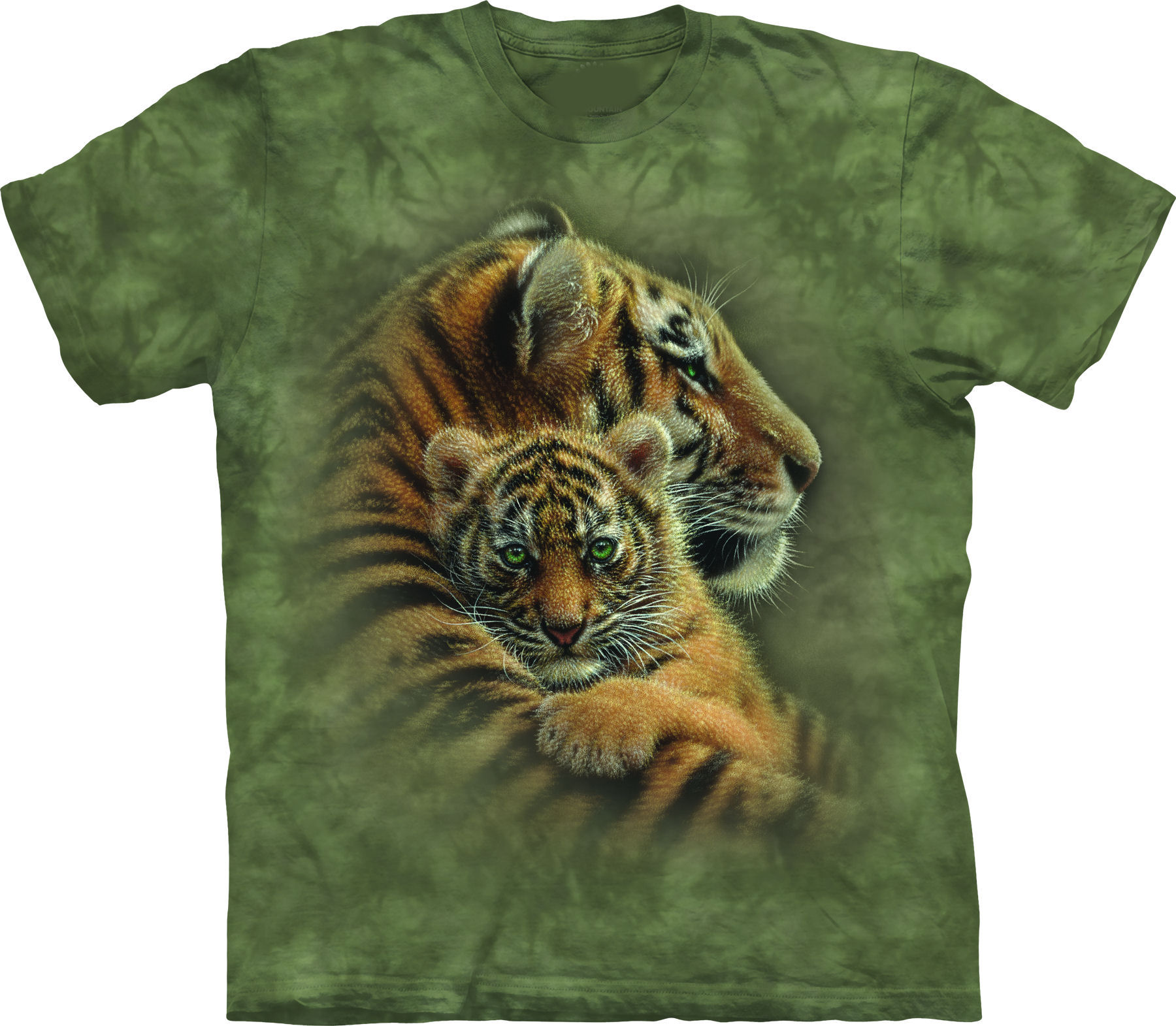
Fun Facts About Siberian Tigers
Siberian tigers are not just the largest tiger species; they are also full of fascinating quirks. For instance, did you know that their roar can be heard over two miles away? This powerful call helps them communicate across vast distances in their expansive territories. Unlike many other big cats, Siberian tigers are skilled swimmers and are often seen crossing rivers with ease. Their stripes are unique to each individual, much like human fingerprints, making each tiger distinct. Additionally, they have fewer stripes compared to other tiger species, likely an adaptation to their snowy environment. Despite their size and strength, Siberian tigers are elusive and often solitary, making sightings rare and special. So, whether you’re wearing a tiger t-shirt or just a fan of these magnificent beasts, these fun facts add an extra layer of appreciation for the mighty Siberian tiger.
Why Size is Important
Impact on Survival and Hunting
The size of a tiger significantly impacts its survival and hunting strategies. Larger tigers, like the Siberian tiger, have the muscle mass to tackle sizeable prey, such as elk and wild boar. This ability to hunt large animals ensures they get the necessary caloric intake to sustain their massive bodies, especially in harsh climates. Conversely, smaller tigers, such as the Sumatran tiger, are more agile and adept at navigating dense forests, allowing them to hunt smaller, quicker prey. Size also influences a tiger’s endurance and territorial range. Larger tigers can cover more ground, establishing extensive territories that reduce competition for resources. However, these larger territories also mean they come into contact with human developments more frequently, leading to potential conflicts. Understanding the relationship between size, survival, and hunting offers crucial insights into tiger conservation efforts, emphasizing the need to protect varied habitats to support different tiger species.

Conservation Efforts for Big Tigers
Conservation efforts for large tigers, such as the Siberian tiger, are critical due to their vulnerability to habitat loss and poaching. These majestic giants require vast territories to roam and hunt, which are increasingly encroached upon by human activities like logging and agriculture. Organizations and governments are working tirelessly to create protected areas and wildlife corridors that allow these tigers to move safely between habitats. Anti-poaching measures, including strict law enforcement and community education, are also essential in curbing illegal hunting. Additionally, breeding programs in zoos and wildlife reserves aim to boost population numbers and genetic diversity. Public awareness campaigns, sometimes featuring tiger shirts and merchandise, help raise funds and consciousness about the plight of these big cats. These combined efforts are crucial to ensure that the largest tiger species continue to thrive in the wild, maintaining the ecological balance and the awe they inspire.
How to Support: From Donations to Tiger T-Shirts
Supporting tiger conservation can be both impactful and easy. One of the most direct ways is through donations to reputable wildlife organizations dedicated to protecting tiger habitats and combating poaching. Your contributions help fund essential projects like anti-poaching patrols, habitat restoration, and community education programs. Another fun way to support is by purchasing tiger-themed merchandise, such as tiger t-shirts. Many organizations offer these items, with proceeds going directly to conservation efforts. Wearing a tiger shirt not only shows your support but also helps spread awareness about the plight of tigers. Volunteering for conservation projects or participating in awareness campaigns are also excellent ways to contribute. Every effort, big or small, plays a part in ensuring that these magnificent large tigers continue to roam the wild. Your support not only aids in their survival but also enriches the global effort to preserve biodiversity.

Enjoy some interesting animal facts below!

Best Animal T-Shirts for Men Who Love Wildlife
Best Animal T-Shirts for Men Who Love Wildlife Most animal t-shirts blend into the background, leaving your love for wildlife unnoticed. You want shirts that speak louder than words, showcasing majestic lions, soaring eagles, and vibrant marine life with style. This guide highlights the best animal t-shirts for men, combining bold graphics with comfort and […]
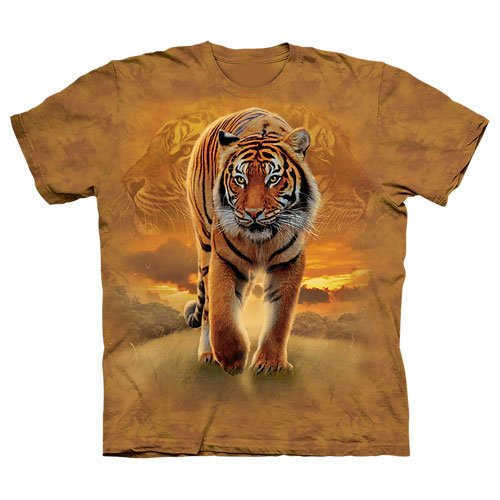
Best Tiger Shirts for Tiger Lovers
Best Tiger Shirts for Tiger Lovers Tiger shirts often miss the mark, leaving fans with dull prints that don’t capture the wild spirit of these majestic cats. If you’ve been hunting for the best tiger apparel that blends bold artistry with comfort, your search ends here. This post highlights tiger print t-shirts and stylish tiger […]

Best Bird Shirts for Bird Lovers
Best Bird Shirts for Bird Lovers Bird shirts aren’t just for casual wear anymore—they’ve become a statement for anyone who loves the colors and charm of feathered friends. If you want bird lover apparel that stands out, you’ll want to see the styles blending art and nature in fresh ways. This post highlights bird-themed t-shirts […]

Best Eagle Shirts for Eagle Lovers
Best Eagle Shirts for Eagle Lovers Eagle shirts don’t have to be ordinary. If you want to wear your passion for these powerful birds with style, the options out there can surprise you. From bold graphic eagle tees to subtle nature inspired clothing, the right eagle apparel makes a statement without sacrificing comfort. Keep reading […]

Best Bear Shirts for Wildlife Lovers
Best Bear Shirts for Wildlife Lovers Most bear shirts out there miss the mark between style and comfort. You want wildlife clothing that feels as good as it looks and truly captures the spirit of these powerful creatures. In this post, you’ll find bear graphic tees that balance charming artwork with bold designs, perfect for […]

Best Animal Shirts for Nature Lovers
Best Animal Shirts for Nature Lovers Forget plain tees that don’t say much about who you are. If you love the wild, your wardrobe should shout it loud and clear with the best animal shirts out there. These nature lover apparel pieces mix eye-catching wildlife graphic tees with comfort and style, perfect for anyone who […]
Follow us on Social Media
Instagram – YouTube – Pinterest – Twitter – Facebook
Alligators – Aquatic – Bears – Big Cats – Birds – Buffalo – Cats – Deer – Dinosaurs – Dogs – Dragons – Eagles – Elephants – Elk – Frogs – Gecko – Giraffes – Horses – Kittens – Moose – Pandas – Snakes – Tigers – Unicorns – Wolves – Cat Shirts – Celtic – Dog Shirts – Dolphins – Dragons – Eagles – Fairies – Horse Shirts – Misc – Native American Indians – Patriotic – Peace – Primates – Religion – Scary – Sci Fi – Skeletons – Tie Dye – Tigers – Wolf Shirts
Interesting Animal Facts and Information
Bald Eagles – Cheetahs – Dolphins – Dinosaurs – Tigers – Lions – Cats – Dogs




Leave A Comment
You must be logged in to post a comment.