

Protecting Our National Symbol: Common Bald Eagle Threats
The majestic bald eagle, a symbol of American freedom and resilience, faces numerous threats that jeopardize its survival. Despite being removed from the endangered species list, bald eagles continue to encounter significant challenges in their natural habitats. From environmental pollution to habitat destruction and human interference, these issues pose serious risks to their populations. In this informative piece, we will delve into the common bald eagle threats and explore how dedicated conservation efforts can help protect these iconic birds. Whether you’re a seasoned ornithologist or simply an admirer of this national symbol, understanding the perils faced by bald eagles is crucial for their continued preservation.

Click here for Bald Eagle Shirts
Habitat Destruction
Urbanization Impact
Urbanization poses a significant threat to bald eagles by encroaching on their natural habitats. As cities expand, forests and wetlands, which are crucial for nesting and hunting, are often destroyed or fragmented. This habitat loss forces bald eagles to relocate, sometimes to areas that are less suitable for their survival. Urban environments can also introduce additional dangers, such as collisions with buildings and electrocution from power lines. Furthermore, the increased human activity in urbanized areas can lead to disturbances that disrupt breeding and nesting behaviors. Protecting the remaining natural habitats and implementing urban planning that considers wildlife corridors are essential steps in mitigating the impact of urbanization on bald eagles. By understanding these bald eagle threats, we can take action to ensure that these majestic birds continue to thrive.
Deforestation Consequences
Deforestation has severe consequences for bald eagles, as it directly eliminates the trees they rely on for nesting and perching. In particular, old-growth forests, which provide the large, sturdy trees ideal for bald eagle nests, are disappearing at an alarming rate. The removal of these trees not only reduces available nesting sites but also disrupts the local ecosystem, affecting the prey species that bald eagles depend on for food. Additionally, deforestation can lead to soil erosion and water pollution, further degrading the habitats that bald eagles need to thrive. Conservation efforts must prioritize the protection and restoration of these critical forested areas to ensure that bald eagles have the necessary resources for survival. Understanding the deforestation consequences as part of the broader bald eagle threats allows us to take informed actions to preserve these iconic birds for future generations.

Click here for Bald Eagle Shirts
Loss of Nesting Sites
The loss of nesting sites is a critical threat to bald eagles, significantly affecting their reproductive success. Bald eagles typically return to the same nests year after year, which are often located in tall, mature trees near water sources. However, logging activities, land development, and other forms of habitat destruction often remove these essential nesting trees. Without suitable nesting sites, bald eagles may be forced to nest in suboptimal locations, leading to lower chick survival rates. In some cases, the lack of appropriate sites can even prevent eagles from nesting altogether. Efforts to protect and conserve these nesting habitats are vital for maintaining healthy bald eagle populations. By recognizing the importance of preserving nesting sites, we can better address one of the significant bald eagle threats and support the continued recovery and growth of this iconic species.
Environmental Hazards
Pesticide Exposure
Pesticide exposure is a significant environmental hazard for bald eagles. These chemicals, often used in agriculture and pest control, can contaminate water bodies and accumulate in the food chain. As apex predators, bald eagles are particularly vulnerable to bioaccumulation, where toxic substances build up in their bodies over time. One of the most infamous examples is DDT, a pesticide that caused widespread eggshell thinning and led to drastic declines in bald eagle populations during the mid-20th century. Although DDT has been banned in the United States, other pesticides continue to pose risks. Ingesting prey that has been exposed to these chemicals can lead to poisoning, reproductive issues, and reduced chick survival rates. Protecting bald eagles from pesticide exposure requires stricter regulations on pesticide use and promoting safer, alternative pest management practices. Addressing this aspect of bald eagle threats is crucial for ensuring their long-term health and sustainability.

Click here for Bald Eagle Shirts
Lead Poisoning
Lead poisoning is a severe threat to bald eagles, often resulting from the ingestion of lead ammunition left in animal carcasses or gut piles by hunters. When bald eagles scavenge on these remains, they inadvertently consume lead fragments, which can be toxic even in small amounts. Lead poisoning affects the nervous system, causing weakness, impaired movement, and eventually death if untreated. It also compromises the immune system, making eagles more susceptible to infections and other health issues. Despite efforts to ban or reduce the use of lead-based ammunition, lead poisoning remains a persistent problem. Increasing awareness among hunters about the dangers of lead and promoting the use of non-toxic alternatives, such as copper bullets, can significantly reduce this risk. Addressing lead poisoning is essential to mitigate one of the critical bald eagle threats and ensure the continued recovery of their populations.
Climate Change Effects
Climate change presents a growing threat to bald eagles by altering their habitats and food availability. Rising temperatures and changing precipitation patterns can disrupt the ecosystems that bald eagles depend on. For instance, warmer temperatures may affect fish populations, a primary food source for bald eagles, leading to food shortages. Additionally, climate change can cause more frequent and severe weather events, such as storms and hurricanes, which can destroy nests and reduce breeding success. Habitat shifts due to climate change force bald eagles to adapt to new environments, which may not always support their needs. Furthermore, changes in water levels from melting glaciers and altered rainfall can impact wetland areas crucial for hunting. Addressing climate change effects is essential for mitigating one of the significant bald eagle threats. Efforts to reduce greenhouse gas emissions and protect vital habitats are critical for ensuring the long-term survival of bald eagles.

Enjoy some interesting animal facts below!

Best Animal T-Shirts for Men Who Love Wildlife
Best Animal T-Shirts for Men Who Love Wildlife Most animal t-shirts blend into the background, leaving your love for wildlife unnoticed. You want shirts that speak louder than words, showcasing majestic lions, soaring eagles, and vibrant marine life with style. This guide highlights the best animal t-shirts for men, combining bold graphics with comfort and […]
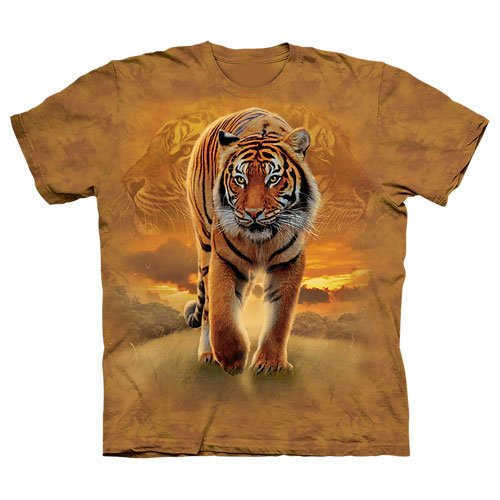
Best Tiger Shirts for Tiger Lovers
Best Tiger Shirts for Tiger Lovers Tiger shirts often miss the mark, leaving fans with dull prints that don’t capture the wild spirit of these majestic cats. If you’ve been hunting for the best tiger apparel that blends bold artistry with comfort, your search ends here. This post highlights tiger print t-shirts and stylish tiger […]
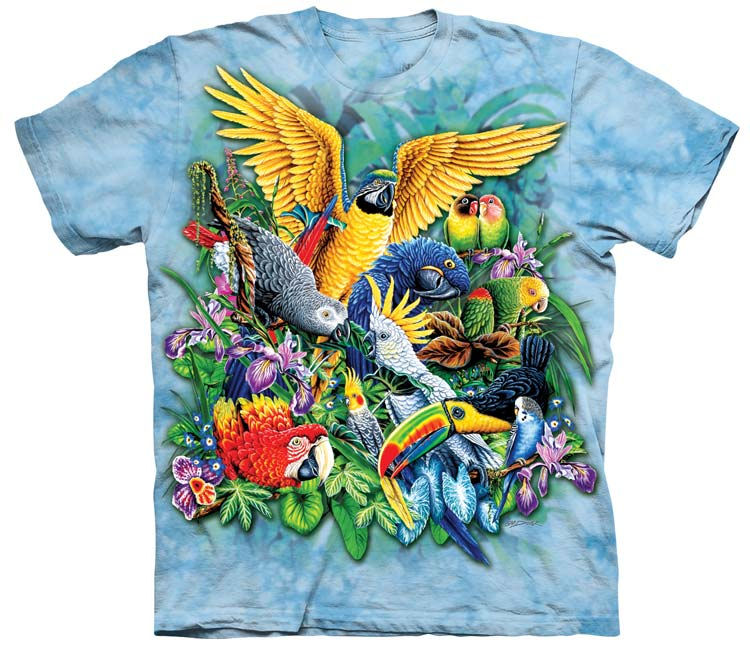
Best Bird Shirts for Bird Lovers
Best Bird Shirts for Bird Lovers Bird shirts aren’t just for casual wear anymore—they’ve become a statement for anyone who loves the colors and charm of feathered friends. If you want bird lover apparel that stands out, you’ll want to see the styles blending art and nature in fresh ways. This post highlights bird-themed t-shirts […]

Best Eagle Shirts for Eagle Lovers
Best Eagle Shirts for Eagle Lovers Eagle shirts don’t have to be ordinary. If you want to wear your passion for these powerful birds with style, the options out there can surprise you. From bold graphic eagle tees to subtle nature inspired clothing, the right eagle apparel makes a statement without sacrificing comfort. Keep reading […]

Best Bear Shirts for Wildlife Lovers
Best Bear Shirts for Wildlife Lovers Most bear shirts out there miss the mark between style and comfort. You want wildlife clothing that feels as good as it looks and truly captures the spirit of these powerful creatures. In this post, you’ll find bear graphic tees that balance charming artwork with bold designs, perfect for […]
Best Animal Shirts for Nature Lovers
Best Animal Shirts for Nature Lovers Forget plain tees that don’t say much about who you are. If you love the wild, your wardrobe should shout it loud and clear with the best animal shirts out there. These nature lover apparel pieces mix eye-catching wildlife graphic tees with comfort and style, perfect for anyone who […]
Follow us on Social Media
Instagram – YouTube – Pinterest – Twitter – Facebook
Alligators – Aquatic – Bears – Big Cats – Birds – Buffalo – Cats – Deer – Dinosaurs – Dogs – Dragons – Eagles – Elephants – Elk – Frogs – Gecko – Giraffes – Horses – Kittens – Moose – Pandas – Snakes – Tigers – Unicorns – Wolves – Cat Shirts – Celtic – Dog Shirts – Dolphins – Dragons – Eagles – Fairies – Horse Shirts – Misc – Native American Indians – Patriotic – Peace – Primates – Religion – Scary – Sci Fi – Skeletons – Tie Dye – Tigers – Wolf Shirts
Interesting Animal Facts and Information
Bald Eagles – Cheetahs – Dolphins – Dinosaurs – Tigers – Lions – Cats – Dogs


Leave A Comment
You must be logged in to post a comment.