

What is the Scientific Name of the Bald Eagle? An In-Depth Look for Enthusiasts
The bald eagle, a majestic symbol of freedom and strength, holds a special place in the hearts of bird enthusiasts and nature lovers alike. But have you ever wondered, what is the scientific name of the bald eagle? This regal bird, known for its striking white head and tail feathers juxtaposed against its dark brown body, is scientifically referred to as Haliaeetus leucocephalus. In this piece, we will delve into the origins and meaning behind this name, exploring how it was derived and what it signifies about the bald eagle’s characteristics. Join us as we unravel the fascinating etymology and taxonomy behind America’s beloved national bird.
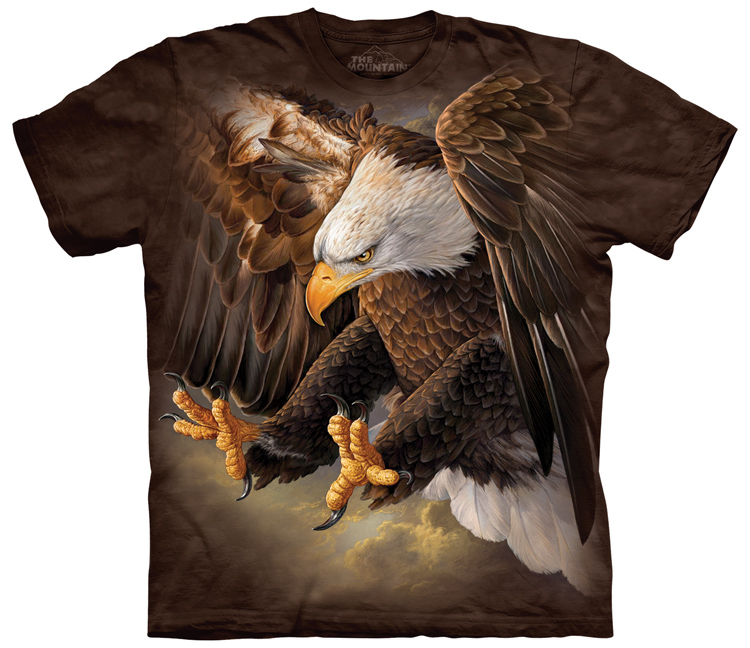
Understanding the Bald Eagle’s Scientific Name
What is the Scientific Name of the Bald Eagle?
The scientific name of the bald eagle is Haliaeetus leucocephalus. This name is rooted in Latin and Greek, offering a glimpse into the bird’s characteristics and habits. The genus name, Haliaeetus, combines the Greek words “haliaetos,” meaning sea eagle. This reflects the bald eagle’s affinity for coastal habitats and large bodies of water. The species name, leucocephalus, derives from “leukos,” meaning white, and “kephale,” meaning head, describing the eagle’s distinctive white head. Together, Haliaeetus leucocephalus encapsulates the bird’s identity as a sea-dwelling eagle with a strikingly white head. Understanding this name not only enriches our knowledge but also deepens our appreciation for these magnificent bald eagles.
Origins of Haliaeetus leucocephalus
The name Haliaeetus leucocephalus has rich historical roots, tracing back to the times of early naturalists and taxonomists. The term “Haliaeetus” was first coined by the Swedish botanist and zoologist Carl Linnaeus in 1766. Linnaeus, known as the father of modern taxonomy, used this term to categorize sea eagles, highlighting their connection to marine environments. The species name “leucocephalus” was chosen due to the bald eagle’s iconic white head and tail feathers. Derived from ancient Greek, it captures the essence of the bird’s most distinguishing features. This combination of genus and species names reflects both the bald eagle’s habitat and its physical appearance, providing a systematic way to identify and study these remarkable birds. The careful selection of these terms underscores the importance of precision and observation in the scientific community’s efforts to classify and understand bald eagles.
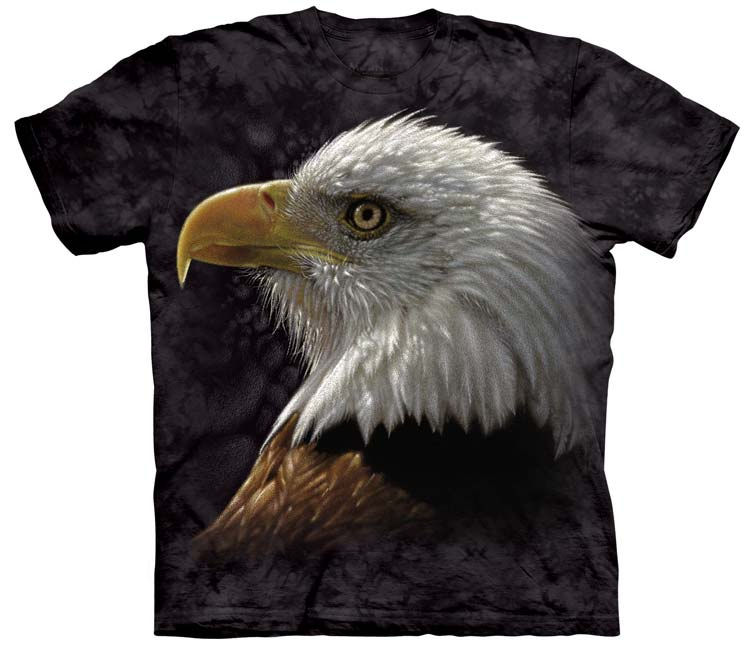
Importance of Scientific Naming
Scientific naming, or binomial nomenclature, plays a crucial role in the study and conservation of species like the bald eagle. This system, introduced by Carl Linnaeus, ensures that each species has a unique and universally recognized name. For the bald eagle, being classified as Haliaeetus leucocephalus helps scientists, researchers, and conservationists communicate clearly and effectively about this specific bird. It eliminates ambiguity that might arise from common names, which can vary by region and language. Additionally, scientific names provide insights into a species’ characteristics and evolutionary relationships. For example, understanding that bald eagles are part of the Haliaeetus genus underscores their relationship to other sea eagles. This knowledge is essential for making informed decisions about conservation strategies, habitat protection, and resource management. In essence, scientific naming fosters a global understanding and appreciation of species, ensuring that efforts to protect bald eagles are based on accurate and consistent information.
The Bald Eagle’s Place in Taxonomy
Family and Genus Breakdown
The bald eagle belongs to the family Accipitridae, which encompasses a wide variety of birds of prey, including hawks, kites, and other eagles. This family is known for its strong, hooked beaks and keen eyesight, traits that are essential for hunting and survival. Within this family, the bald eagle is part of the genus Haliaeetus, which comprises sea eagles. Members of this genus are typically large, powerful birds often found near large bodies of water, where they hunt fish and other aquatic prey. The classification of the bald eagle as Haliaeetus leucocephalus highlights its close evolutionary relationship with other sea eagles, such as the white-tailed eagle (Haliaeetus albicilla). By understanding the family and genus breakdown, we can better appreciate the bald eagle’s unique adaptations and ecological niche, as well as its connections to other raptors within the Accipitridae family.

Comparing Bald Eagles to Other Eagles
Bald eagles stand out among other eagles due to their distinctive physical and behavioral traits. While they share their family, Accipitridae, with various other eagles, their specific adaptations set them apart. For instance, bald eagles are often found near large bodies of water, such as lakes and coastal regions, where they primarily hunt fish. This contrasts with species like the golden eagle (Aquila chrysaetos), which prefers open and mountainous habitats and hunts a broader range of prey, including mammals and birds. Bald eagles are also known for their striking plumage, with adults displaying white head and tail feathers, which are absent in other eagles like the harpy eagle (Harpia harpyja). These differences underline the diverse evolutionary paths within the eagle family, each species adapting to its unique environmental niches. Understanding these distinctions helps in appreciating the bald eagle’s role in the ecosystem and the specific challenges it faces for conservation.
Unique Traits of the Bald Eagle
The bald eagle boasts several unique traits that distinguish it from other birds of prey. One of the most notable features is its striking plumage: adult bald eagles have a white head and tail contrasting sharply with their dark brown body and wings. This coloration develops fully when the eagle reaches maturity at around five years of age. Another distinctive trait is their large, hooked yellow beak and powerful talons, designed for catching and consuming fish, which constitutes a significant portion of their diet. Bald eagles are also known for their impressive wingspan, averaging between 6 to 7.5 feet, allowing them to soar gracefully at high altitudes. Additionally, they build some of the largest nests of any bird species, often reusing and adding to them year after year. These traits not only make bald eagles fascinating to observe but also highlight their specialized adaptations for survival in their habitats.

Enjoy some interesting animal facts below!

Best Animal T-Shirts for Men Who Love Wildlife
Best Animal T-Shirts for Men Who Love Wildlife Most animal t-shirts blend into the background, leaving your love for wildlife unnoticed. You want shirts that speak louder than words, showcasing majestic lions, soaring eagles, and vibrant marine life with style. This guide highlights the best animal t-shirts for men, combining bold graphics with comfort and […]

Best Tiger Shirts for Tiger Lovers
Best Tiger Shirts for Tiger Lovers Tiger shirts often miss the mark, leaving fans with dull prints that don’t capture the wild spirit of these majestic cats. If you’ve been hunting for the best tiger apparel that blends bold artistry with comfort, your search ends here. This post highlights tiger print t-shirts and stylish tiger […]

Best Bird Shirts for Bird Lovers
Best Bird Shirts for Bird Lovers Bird shirts aren’t just for casual wear anymore—they’ve become a statement for anyone who loves the colors and charm of feathered friends. If you want bird lover apparel that stands out, you’ll want to see the styles blending art and nature in fresh ways. This post highlights bird-themed t-shirts […]

Best Eagle Shirts for Eagle Lovers
Best Eagle Shirts for Eagle Lovers Eagle shirts don’t have to be ordinary. If you want to wear your passion for these powerful birds with style, the options out there can surprise you. From bold graphic eagle tees to subtle nature inspired clothing, the right eagle apparel makes a statement without sacrificing comfort. Keep reading […]

Best Bear Shirts for Wildlife Lovers
Best Bear Shirts for Wildlife Lovers Most bear shirts out there miss the mark between style and comfort. You want wildlife clothing that feels as good as it looks and truly captures the spirit of these powerful creatures. In this post, you’ll find bear graphic tees that balance charming artwork with bold designs, perfect for […]

Best Animal Shirts for Nature Lovers
Best Animal Shirts for Nature Lovers Forget plain tees that don’t say much about who you are. If you love the wild, your wardrobe should shout it loud and clear with the best animal shirts out there. These nature lover apparel pieces mix eye-catching wildlife graphic tees with comfort and style, perfect for anyone who […]
Follow us on Social Media
Instagram – YouTube – Pinterest – Twitter – Facebook
Alligators – Aquatic – Bears – Big Cats – Birds – Buffalo – Cats – Deer – Dinosaurs – Dogs – Dragons – Eagles – Elephants – Elk – Frogs – Gecko – Giraffes – Horses – Kittens – Moose – Pandas – Snakes – Tigers – Unicorns – Wolves – Cat Shirts – Celtic – Dog Shirts – Dolphins – Dragons – Eagles – Fairies – Horse Shirts – Misc – Native American Indians – Patriotic – Peace – Primates – Religion – Scary – Sci Fi – Skeletons – Tie Dye – Tigers – Wolf Shirts
Interesting Animal Facts and Information
Bald Eagles – Cheetahs – Dolphins – Dinosaurs – Tigers – Lions – Cats – Dogs




Leave A Comment
You must be logged in to post a comment.