
Canine Curiosity: What the Dog Head Tilt Reveals About Their World
Most dog owners notice that adorable head tilt and wonder what it means. This simple gesture taps into layers of dog behavior and communication that often go unnoticed. When you understand why dogs tilt their heads, you unlock clues about how they listen, think, and connect with you. Let’s explore what this charming habit reveals about your furry friend’s world.
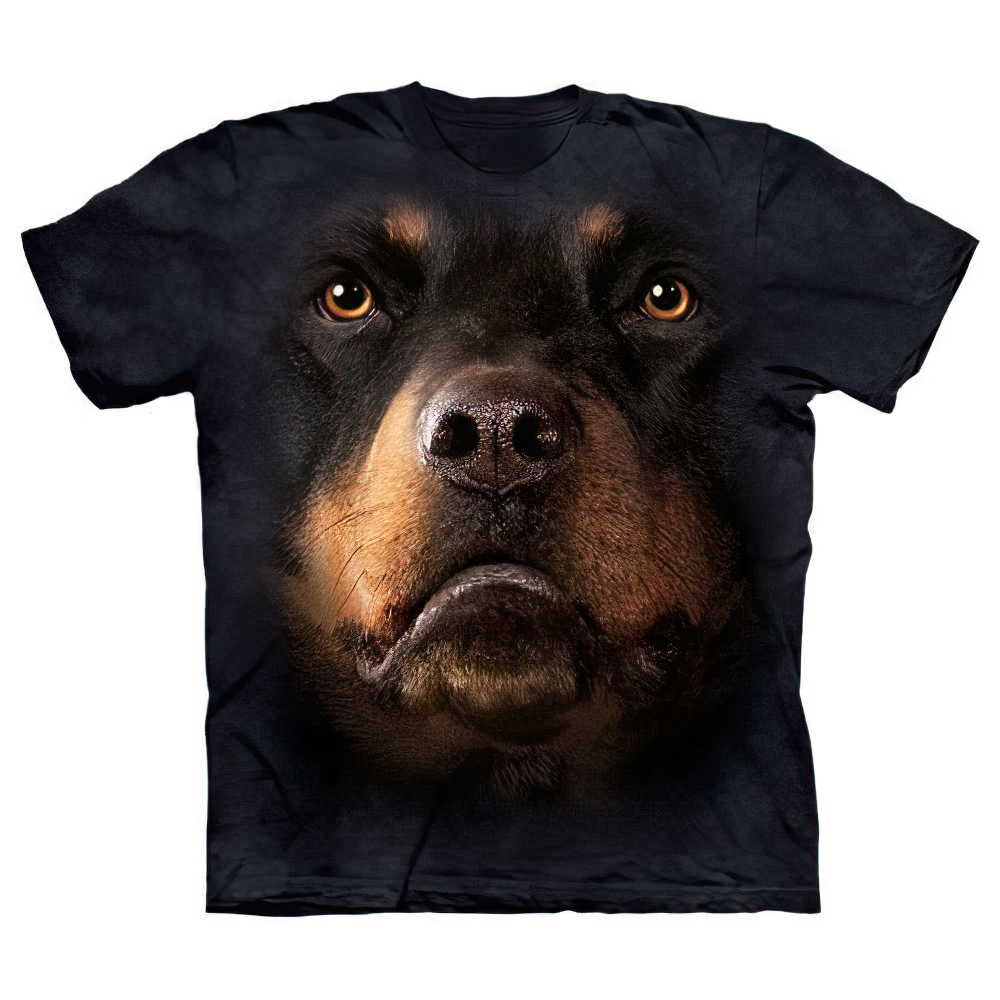
Have you seen our selection of beautiful dog t-shirts?
Understanding the Dog Head Tilt
The dog head tilt is a fascinating behavior that many pet lovers find endearing. This section will introduce you to the origins and reasons behind this quirky action.
Origins of the Head Tilt
Dogs have been tilting their heads for generations, capturing the attention of their human companions. This gesture likely developed as a means of communication between dogs and humans over the years.
Researchers suggest that head tilting might have evolved as dogs became domesticated, giving them a way to bond more effectively with us. It allowed them to better understand sounds and gestures, strengthening the human-dog connection.
A dog’s ability to tilt its head could also have genetic roots. Some breeds are more prone to this behavior, which may have been passed down through selective breeding. It’s a charming trait that often signals a dog’s focus and interest.
Common Triggers and Scenarios
Several scenarios can trigger a dog to tilt its head, making it a common sight in many households. One of the most frequent triggers is hearing a sound that piques their curiosity. It might be a familiar voice or an unusual noise that alerts their senses.
Visual cues can also prompt this behavior. If your dog sees something intriguing or confusing, you might notice their head tilt as they try to better understand what’s happening. This helps them gauge your reactions and mood.
Finally, emotional states can lead to head tilting. When dogs feel playful, puzzled, or even anxious, they often express these emotions through body language, with the head tilt being a prominent feature.

You will love our cute dog shirts!
Dog Head Tilt in Popular Culture
The dog head tilt is not just a behavior seen at home; it has made its way into popular culture. Movies, advertisements, and social media often feature this cute gesture, highlighting its universal appeal.
In films, dogs that tilt their heads often appear more intelligent or empathetic. This reinforces the idea that these animals can understand and relate to humans in unique ways. It’s a trope that has charmed audiences for decades.
On platforms like Instagram and TikTok, countless videos showcase dogs tilting their heads in response to various stimuli. These clips often go viral, demonstrating the widespread fascination with this adorable behavior.
Why Do Dogs Tilt Their Heads?
Now that we understand the origins and triggers, let’s dive into why dogs actually tilt their heads. This section will explore the deeper reasons behind this captivating action.
Communication with Humans
Dogs tilt their heads as part of their efforts to communicate with us more effectively. This gesture can signal their attentiveness and eagerness to understand what we’re saying.
When you speak to your dog, they might tilt their head to better catch the nuances of your voice. It’s their way of showing that they’re engaged and trying to comprehend your words. This can lead to a stronger bond between you and your furry friend.
In addition to listening, head tilting is a visual cue that dogs use to interpret facial expressions. They gauge your emotions and reactions, which helps them respond appropriately to your needs and commands.
Enhancing Hearing Abilities
Another reason dogs tilt their heads is to enhance their hearing abilities. This behavior allows them to pinpoint sounds with greater accuracy.
A dog’s ear structure can make it challenging to locate sounds precisely. By tilting their head, they can adjust the position of their ears, helping them determine the sound’s direction. This is especially useful in environments with lots of background noise.
This adjustment can be crucial when identifying potential threats or opportunities. It’s a practical adaptation that has ensured their survival in the wild and continues to play a role in their interactions with the world around them.
Expressing Curiosity and Playfulness
Head tilting is often linked to a dog’s natural curiosity and playful demeanor. When they’re intrigued or excited, this gesture can be a spontaneous expression of those feelings.
Picture your dog tilting its head while playing or exploring new surroundings. This action reflects their inquisitive nature as they seek to understand their environment. It shows their willingness to engage with what’s happening around them.
In playful scenarios, the head tilt can also signal readiness for fun. It’s their way of inviting you to join in the excitement, fostering a joyful interaction between you and your pet.
Insights from Dog Psychology
Understanding dog psychology can offer more insights into why they tilt their heads. Let’s explore how cognitive and emotional factors play a role in this behavior.
Cognitive Development in Dogs
Dogs possess impressive cognitive abilities that influence their behaviors, including the head tilt. This gesture might be linked to their problem-solving skills and mental agility.
As dogs grow and learn, they develop ways to process information more efficiently. Tilting their head could be a sign of their cognitive engagement as they work to make sense of new stimuli.
This behavior often emerges during training sessions or when learning new commands. It indicates their active participation in the learning process, showcasing their intelligence and adaptability.
Emotional Intelligence and Behavior
Dogs are known for their emotional intelligence, which plays a significant role in their interactions with humans. Head tilting is one way they express their emotions and understand ours.
When dogs tilt their heads, they’re often trying to empathize with us. This gesture can signal their sensitivity to our feelings, as they assess our tone of voice and facial expressions.
By responding to our emotions, dogs demonstrate their ability to form deep connections. This behavior highlights their capacity for empathy, making them attentive and caring companions.
Influence of Breeds on Head Tilting
Certain breeds are more predisposed to head tilting than others. This can be due to both genetic and anatomical factors that influence their behavior.
Breeds with longer snouts or larger ears might tilt their heads more frequently to improve their auditory and visual perception. This allows them to better interpret their surroundings and the signals they receive.
Additionally, some breeds have been selectively bred for their expressive features, making the head tilt a common and endearing trait. This can enhance their communication skills, strengthening their bond with us.
Strengthening Bond Through Communication
By understanding the reasons behind your dog’s head tilt, you can enhance your connection with them. This section will discuss how to interpret their signals and foster positive interactions.
Interpreting Your Dog’s Signals
Recognizing the meaning behind your dog’s head tilt is key to understanding their needs and emotions. This gesture can provide valuable insights into their state of mind.
Watch for accompanying cues, such as wagging tails or changes in body posture. These signals can help you determine whether your dog is curious, confused, or attentive. By paying attention to these cues, you can respond more effectively to their needs.
Understanding these signals also allows you to adjust your communication style. You can tailor your words and actions to ensure your dog feels supported and understood, deepening your bond.
Encouraging Positive Interactions
Fostering positive interactions with your dog involves recognizing and rewarding their head tilting behavior. This reinforces their engagement and encourages them to communicate with you.
When your dog tilts its head, offer praise or a treat to acknowledge their attentiveness. This positive reinforcement helps them associate the behavior with pleasant outcomes, strengthening their desire to connect with you.
Engaging in activities that stimulate their minds can also promote head tilting. Interactive play and training sessions provide opportunities for your dog to express curiosity and learn, leading to more meaningful interactions.
Building a Deeper Connection
By embracing your dog’s head tilting behavior, you can build a deeper connection with them. This involves being attentive to their signals and responding with empathy and understanding.
Create an environment where your dog feels comfortable expressing themselves. Encourage open communication by being patient and receptive to their needs, fostering a strong sense of trust and companionship.
Through shared experiences and mutual respect, you can develop a lasting bond that enriches both your lives. By recognizing the significance of their head tilt, you gain a greater appreciation for the unique ways your dog engages with you and the world.
Practical Tips for Dog Owners
Armed with insights into your dog’s head tilting, you can apply practical tips to nurture their behavior and well-being.
Encouraging Healthy Behavior
Promoting healthy behavior in your dog involves providing them with the right environment and opportunities for growth. This includes encouraging their natural instincts, like head tilting, in a supportive way.
Ensure your dog receives plenty of mental and physical stimulation. Regular playtime, training, and socialization can help them develop their cognitive and emotional skills, leading to a more balanced and happy pet.
Pay attention to their diet and overall health, as well. A nutritious diet supports their physical and mental development, enabling them to express themselves more freely and confidently.
Training Techniques and Tools
Training your dog can enhance their communication skills, making head tilting a more frequent and meaningful part of your interactions. Using positive reinforcement techniques can help you achieve this.
Consider using clicker training or reward-based methods to motivate your dog during training sessions. These techniques encourage them to engage with you and build their confidence in expressing themselves.
Additionally, invest in training tools that facilitate communication, such as interactive toys and puzzles. These can provide mental stimulation for your dog, encouraging them to explore and learn in a fun and rewarding way.
Creating a Stimulating Environment
A stimulating environment is essential for encouraging healthy behavior and head tilting in your dog. This involves providing them with opportunities for exploration and discovery.
Introduce new stimuli into their routine, such as toys, scents, and sounds, to keep them engaged and curious. Regularly change their surroundings or introduce new challenges to prevent boredom and promote mental agility.
By fostering an environment that encourages learning and exploration, you can support your dog’s natural instincts and behaviors, including their charming head tilt, enriching their life and strengthening your bond.
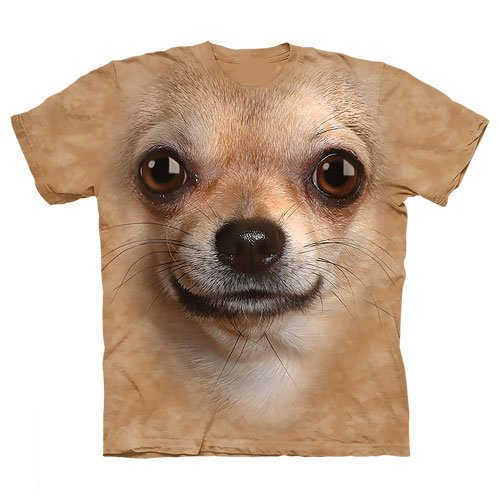
Feel free to visit our entire selection of animal shirts

The Ultimate Halloween Animal Shirt Gift Guide
The Ultimate Halloween Animal Shirt Gift Guide Halloween is just around the corner, and finding the perfect gift for animal lovers can feel like a challenge. You want something that captures spooky fun without losing that adorable animal charm. This Halloween animal shirt gift guide offers a handpicked selection of cute Halloween shirts featuring playful […]
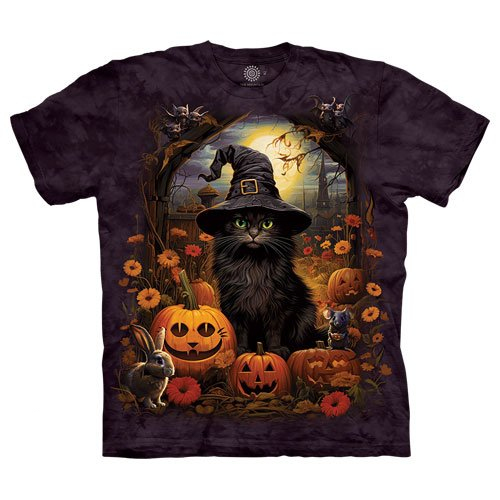
30 Funny Halloween Animal T-Shirts You’ll Want to Wear This October
30 Funny Halloween Animal T-Shirts You’ll Want to Wear This October Funny Halloween T-shirts rarely get the spotlight they deserve. Most Halloween outfits stick to the usual spooky clichés, leaving little room for personality. This collection of quirky T-shirt designs combines spooky animal apparel with a playful twist, perfect for your October fashion lineup. From […]

25 Spooky Animal T-Shirt Ideas for Halloween
25 Spooky Animal T-Shirt Ideas for Halloween Most Halloween t-shirts blend spooky and silly, but finding spooky animal shirts that truly stand out can be tricky. If you’re an animal lover who wants to show off your passion while capturing the Halloween vibe, these pet costume t-shirts offer the perfect mix. Keep reading to see […]
What to Wear to a Halloween Party: Animal-Themed T-Shirt Ideas
What to Wear to a Halloween Party: Animal-Themed T-Shirt Ideas Forget everything you know about Halloween costumes. You don’t need a full outfit to stand out at your next party. With the right Halloween animal t-shirts, you can mix comfort and style while showing off your love for animals. Let’s explore some clever costume shirt […]
The Best Halloween Shirts for Dog Moms and Dog Dads
The Best Halloween Shirts for Dog Moms and Dog Dads Halloween is the perfect time to show off your love for your furry friend, but finding the right Halloween dog shirts can be tricky. You want something that blends spooky fun with your role as a proud dog mom or dad. This post lines up […]
20 Halloween Animal Shirts That Are Perfect for Trick-or-Treating
20 Halloween Animal Shirts That Are Perfect for Trick-or-Treating Trick-or-treating outfits don’t have to be scary or complicated to stand out. These 20 Halloween animal shirts mix playful charm with just the right spooky touch, perfect for kids and adults ready to celebrate. From cartoon animal shirts to cozy Halloween shirts for trick or treating, […]


Leave A Comment
You must be logged in to post a comment.