
Do Dogs Dream? Unveiling the Secrets of Canine Sleep Patterns
Most dog owners notice their pets twitching or softly barking during sleep and wonder what’s going on inside their minds. The question “Do dogs dream?” isn’t just curiosity—it’s a glimpse into understanding your dog’s emotional and mental world. Exploring canine sleep patterns and the role of REM sleep reveals surprising clues about their dreams and what these moments mean for your furry friend’s well-being. For more information, you can visit this link.
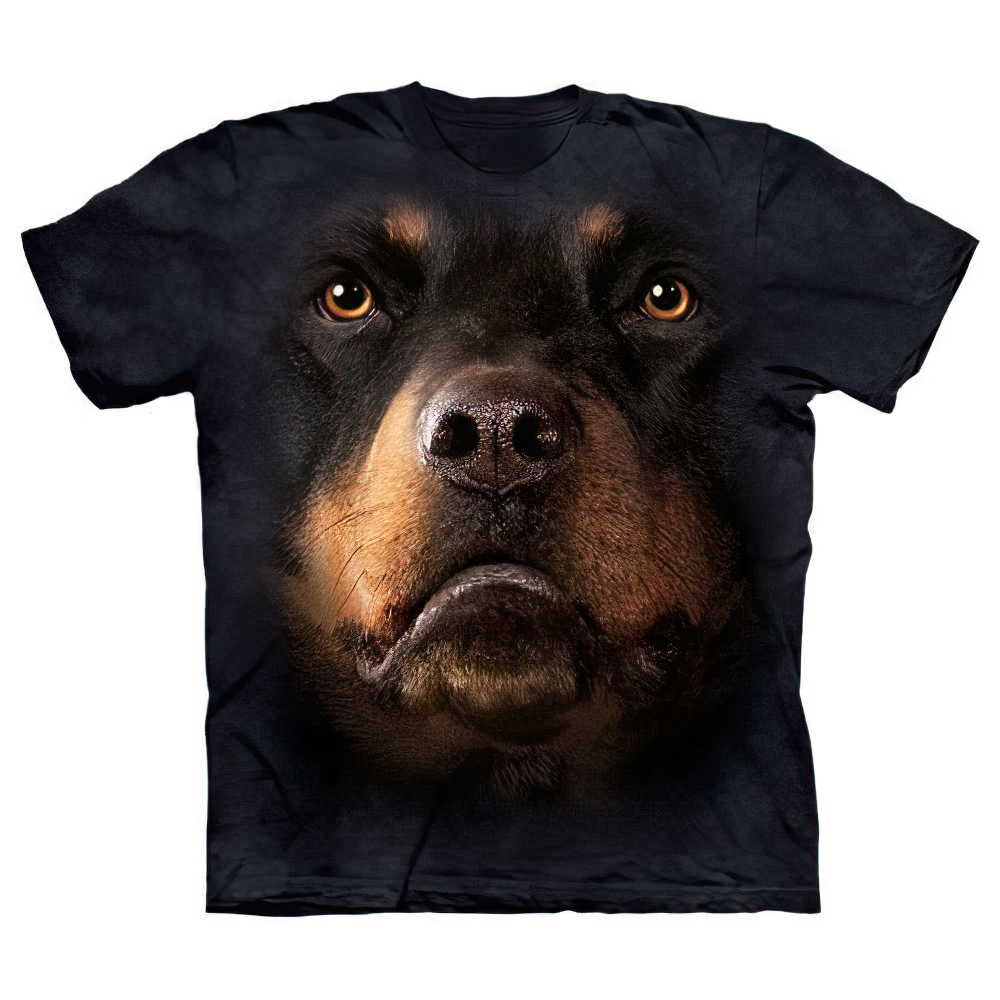
Have you seen our selection of beautiful dog t-shirts?
Unraveling Canine Sleep Patterns
Have you ever watched your dog sleep and wondered what happens in their sleep cycle? Understanding these sleep patterns can help you support your dog’s rest.
Stages of Dog Sleep
Just like humans, dogs go through different sleep stages. These stages include light sleep, deep sleep, and rapid eye movement (REM) sleep. In light sleep, your dog may be easily woken by sounds or movements. You might notice their ears twitching or their noses sniffing. During deep sleep, their breathing slows, and they become less responsive to external stimuli. This is when the body starts to repair itself.
REM sleep is when your dog’s brain is most active. This stage is crucial because it’s when dogs dream. During REM, you might see your dog’s eyes moving under their eyelids, or their legs twitching. This stage is essential for mental and emotional health, allowing your dog to process information and emotions from their day.
Differences in Sleep Cycles
Dogs have shorter sleep cycles compared to humans. While humans typically cycle through sleep stages in about 90 minutes, dogs do so in about 15 to 20 minutes. This means dogs can enter REM sleep more frequently, but their sleep is often lighter. Because of this, dogs may wake up more often during the night. This can be influenced by their environment, age, and even their breed. Knowing these differences can help you understand your dog’s sleep habits better.
The Science Behind Dog Dreams
The idea that dogs dream like humans do is both fascinating and insightful. By exploring REM sleep and brain activity, we can uncover the truth about dog dreams.
Dogs and REM Sleep
REM sleep is when most dreaming occurs, and dogs experience this stage just like humans. Researchers have found that during REM sleep, dogs’ brains show similar patterns to those of dreaming humans. This suggests that dogs not only dream but might dream about their daily activities. For instance, a dog who loves playing fetch might dream of chasing a ball. REM sleep is vital for your dog’s mental health, as it helps them process emotions and experiences.

You will love our cute dog shirts!
Brain Activity During Rest
Scientific studies have shown that a dog’s brain remains active during rest. In fact, brain scans reveal that their brain waves during sleep are comparable to those of humans. This brain activity suggests that dogs might dream about familiar activities, environments, or even about you! Understanding this brain activity can give you insights into your dog’s inner world and emotional well-being. For more information, check out this PetMD article.
What Dogs Might Dream About
What exactly do dogs dream about? Peek into their world as we explore common scenarios and how dreams can affect their mood and behavior.
Common Dream Scenarios
Dogs often dream about everyday activities. A dog who enjoys running may dream of sprinting through a field. You might notice them moving their legs as if they’re running while they snooze. Some dogs might even bark or whimper softly, indicating they’re experiencing something vivid. These actions are clear signs your dog is dreaming. Understanding these scenarios can make you appreciate the richness of your dog’s dream life.
Emotional Well-being in Dogs
Dreaming plays a role in your dog’s emotional health. Just like humans, dogs use dreams to process feelings and events. A well-rested dog is generally happier and more relaxed. Dreams can help dogs work through stress or excitement. By recognizing the importance of your dog’s dreams, you can support their emotional well-being. To dive deeper into this topic, visit the AKC’s expert advice.
Understanding Dog Dreams and Behavior
Your dog’s dreams can influence their behavior when awake. Recognizing dream signs can help you understand their needs better.
Dream Influence on Daytime Behavior
Dreams can impact how dogs behave during the day. A dog with peaceful dreams may wake up calm, while nightmares might make them anxious or restless. If your dog seems unusually tired or jumpy, they might be experiencing intense dreams. Understanding these influences can help you tailor your dog’s daily routine to support better rest and well-being.
Recognizing Dream Indicators
Watch for cues that your dog is dreaming, such as twitching paws, vocalizations, or rapid eye movements. These signals indicate that your dog is experiencing dreams. Being aware of these signs helps you understand your dog’s sleep patterns and how they might affect their behavior. Observing these indicators can also guide you in creating a more restful environment.
Enhancing Your Dog’s Sleep Experience
Creating the right environment can improve your dog’s sleep quality. Here’s how to make sure your furry friend gets the rest they need.
Creating a Comfortable Sleep Environment
A comfortable bed is crucial for your dog’s rest. Ensure their sleeping area is quiet, cozy, and free from disturbances. Soft bedding can make a big difference. Consider the room temperature, as dogs prefer a cool environment to sleep in. Reducing noise and external disruptions can help your dog enter the deeper stages of sleep more easily. This simple setup can significantly enhance your dog’s sleep quality.
Tips for Improving Sleep Quality
-
Regular Exercise: Engaging your dog in daily physical activity can help them sleep better.
-
Consistent Routine: Keeping a regular bedtime schedule can improve their sleep patterns.
-
Diet Considerations: A balanced diet contributes to better sleep. Avoid feeding right before bedtime.
By implementing these strategies, you support your dog’s overall health and happiness. For more tips, you can visit Mendocino Animal Hospital’s blog.
Understanding your dog’s dreams and sleep patterns can strengthen your bond and improve their well-being. Sleep is essential, and with these insights, you can ensure your pet gets the best rest possible.
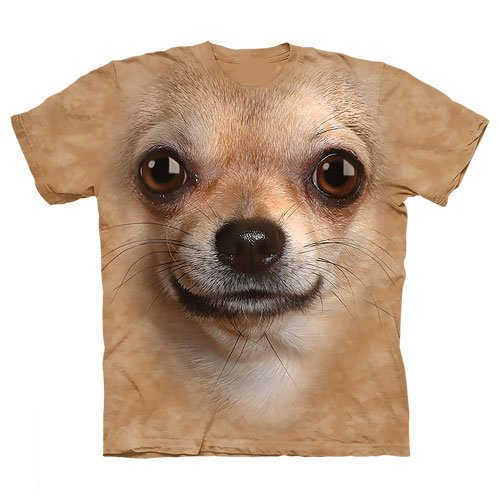
Feel free to visit our entire selection of animal shirts
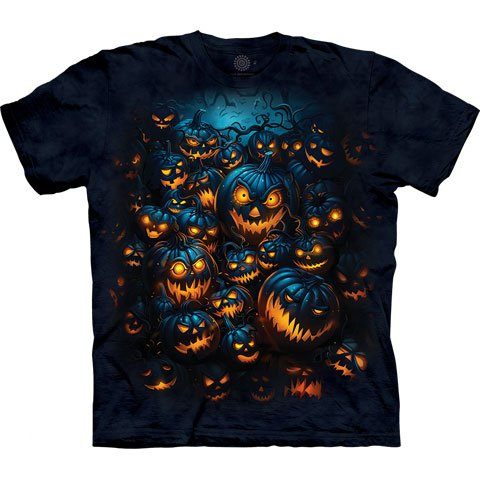
The Ultimate Halloween Animal Shirt Gift Guide
The Ultimate Halloween Animal Shirt Gift Guide Halloween is just around the corner, and finding the perfect gift for animal lovers can feel like a challenge. You want something that captures spooky fun without losing that adorable animal charm. This Halloween animal shirt gift guide offers a handpicked selection of cute Halloween shirts featuring playful […]
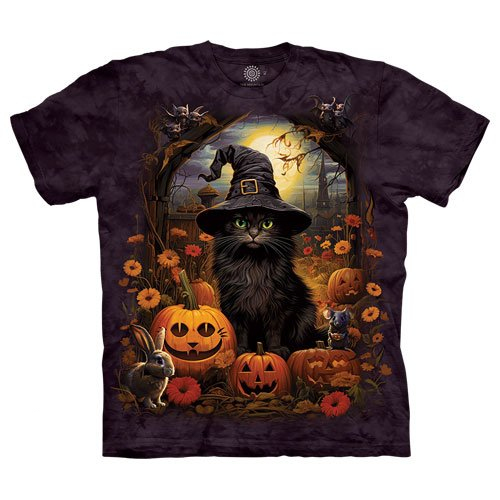
30 Funny Halloween Animal T-Shirts You’ll Want to Wear This October
30 Funny Halloween Animal T-Shirts You’ll Want to Wear This October Funny Halloween T-shirts rarely get the spotlight they deserve. Most Halloween outfits stick to the usual spooky clichés, leaving little room for personality. This collection of quirky T-shirt designs combines spooky animal apparel with a playful twist, perfect for your October fashion lineup. From […]

25 Spooky Animal T-Shirt Ideas for Halloween
25 Spooky Animal T-Shirt Ideas for Halloween Most Halloween t-shirts blend spooky and silly, but finding spooky animal shirts that truly stand out can be tricky. If you’re an animal lover who wants to show off your passion while capturing the Halloween vibe, these pet costume t-shirts offer the perfect mix. Keep reading to see […]
What to Wear to a Halloween Party: Animal-Themed T-Shirt Ideas
What to Wear to a Halloween Party: Animal-Themed T-Shirt Ideas Forget everything you know about Halloween costumes. You don’t need a full outfit to stand out at your next party. With the right Halloween animal t-shirts, you can mix comfort and style while showing off your love for animals. Let’s explore some clever costume shirt […]
The Best Halloween Shirts for Dog Moms and Dog Dads
The Best Halloween Shirts for Dog Moms and Dog Dads Halloween is the perfect time to show off your love for your furry friend, but finding the right Halloween dog shirts can be tricky. You want something that blends spooky fun with your role as a proud dog mom or dad. This post lines up […]
20 Halloween Animal Shirts That Are Perfect for Trick-or-Treating
20 Halloween Animal Shirts That Are Perfect for Trick-or-Treating Trick-or-treating outfits don’t have to be scary or complicated to stand out. These 20 Halloween animal shirts mix playful charm with just the right spooky touch, perfect for kids and adults ready to celebrate. From cartoon animal shirts to cozy Halloween shirts for trick or treating, […]

Leave A Comment
You must be logged in to post a comment.